What electrical installations are common in commercial buildings?
Lighting systems are common, along with power distribution, emergency lighting, and data cabling. Commercial spaces also need branch circuits, dedicated equipment circuits, receptacles, panel work, and switches. We review the property's use before setting the scope, because office lighting needs differ from equipment-heavy commercial areas.
How does an installation visit move from the first call to the last step?
The visit moves from a scope review to inspection, estimate, installation, and testing. We identify the requested fixtures, equipment, circuits, and cable routes first. Customers then receive a free estimate. After approval, we complete the planned work and verify the installed circuits and devices.
Which part of the property decides the installation scope?
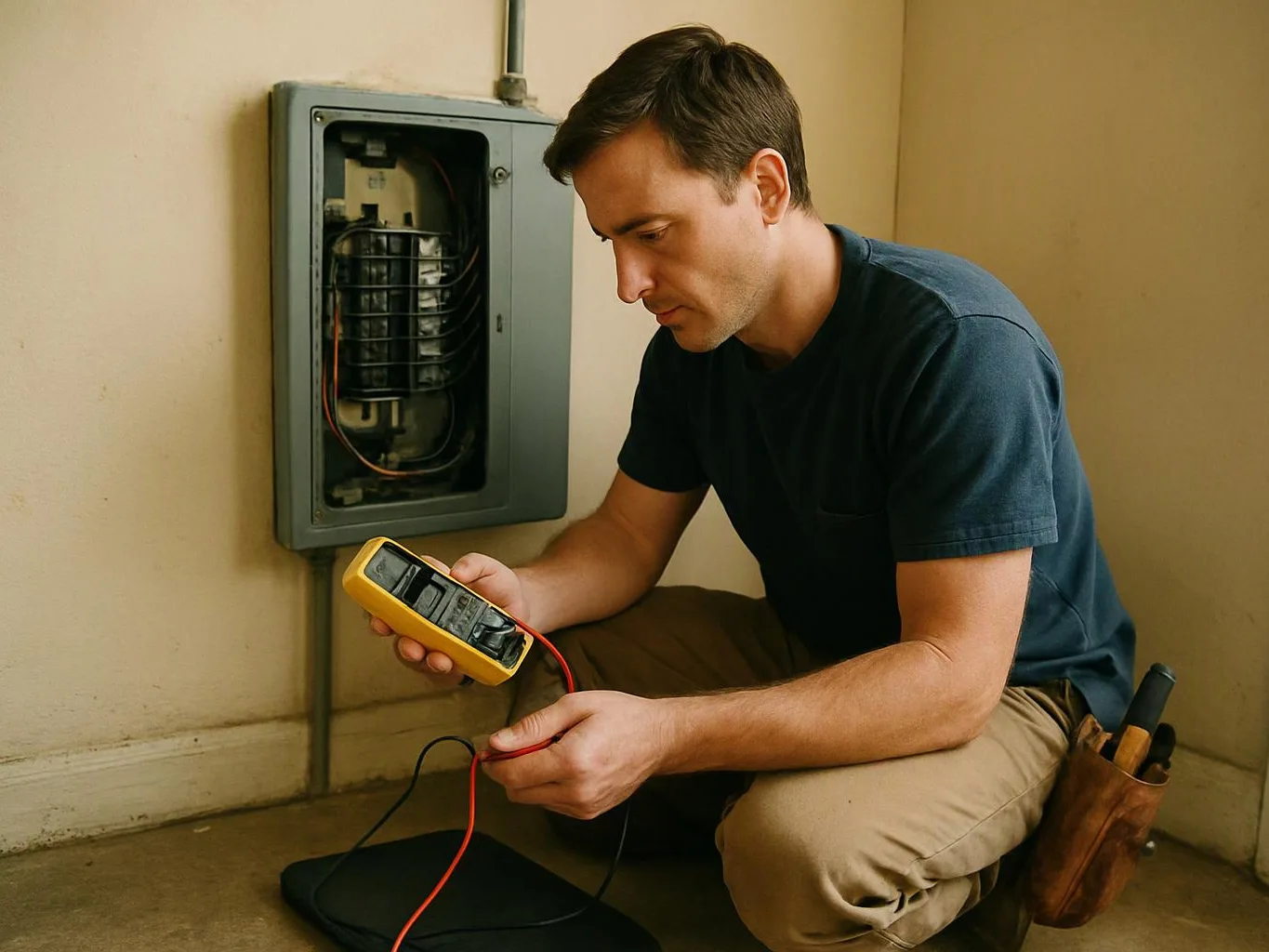
The electrical panel and the areas receiving new equipment usually decide the installation scope. We check panel space, circuit capacity, wiring routes, grounding, fixture locations, and access. Ceiling structure, wall access, and the distance between the panel and work areas can also change the work required.
How can a customer tell whether this service fits the property?
Commercial electrical installation fits a property that needs planned wiring, new circuits, lighting, equipment power, or data cabling. A single failed outlet or tripped breaker may call for electrical repair instead. We inspect the issue and planned use before recommending installation work.
What changes the estimate for a commercial lighting project?
Fixture count, circuit changes, ceiling access, wiring distance, panel capacity, and switch locations change the estimate. Existing wiring can also affect the work if connections are damaged or circuits are overloaded. We review those conditions before preparing the free estimate.
When does a commercial property need a panel upgrade?
A panel upgrade may fit when planned equipment exceeds available capacity or the panel lacks the space for needed circuits. We check the service, panel condition, breakers, grounding, and load before recommending that work. A lighting change alone may not require a panel upgrade.
Why should data cabling be planned with power work?
Data cabling should be planned with power work because both systems need clear routes and suitable access. We review cable paths, nearby electrical circuits, wall and ceiling access, and the layout of connected work areas. That review helps keep the installation scope organized.