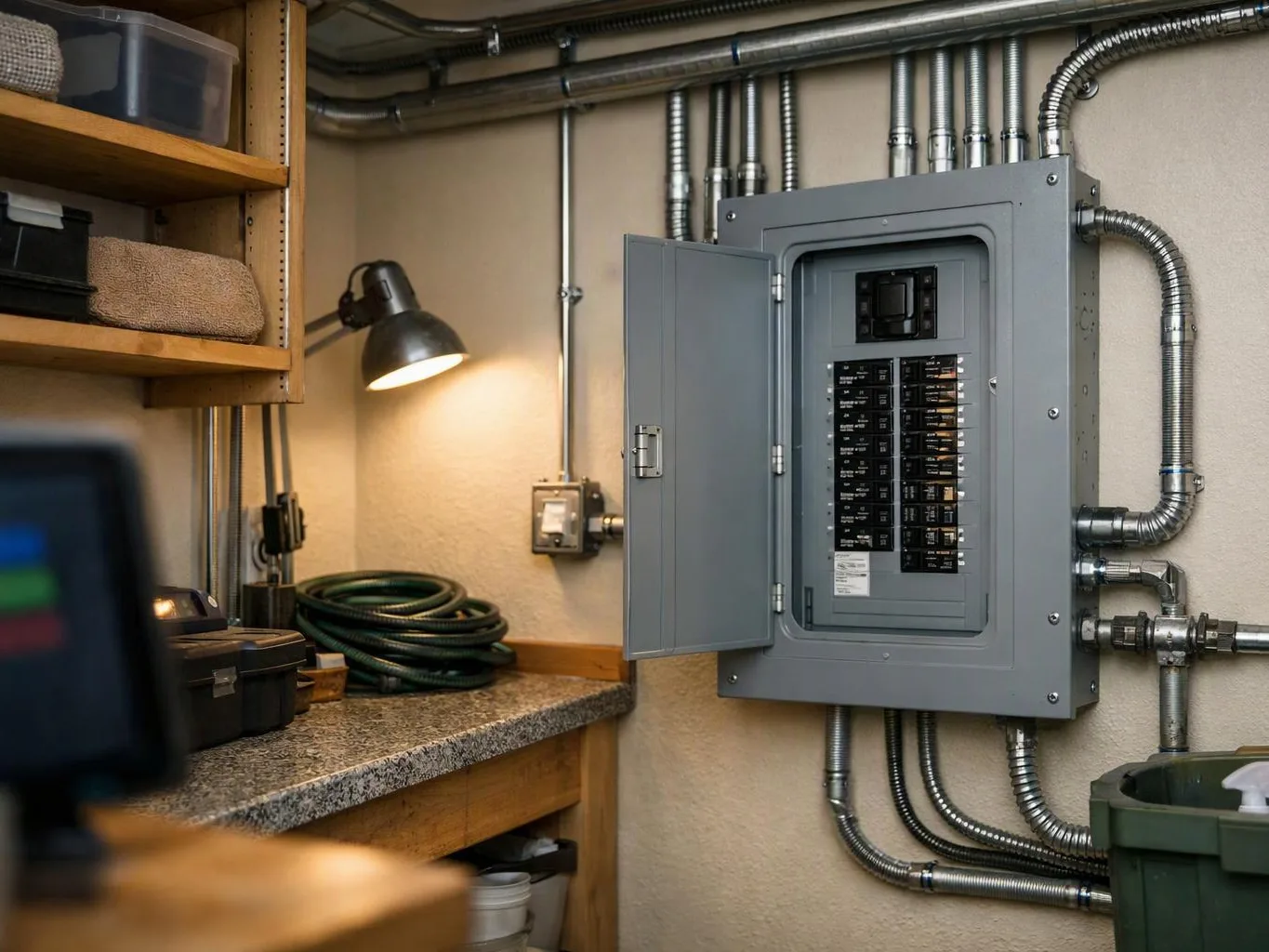
How can I identify a commercial electrical fault?
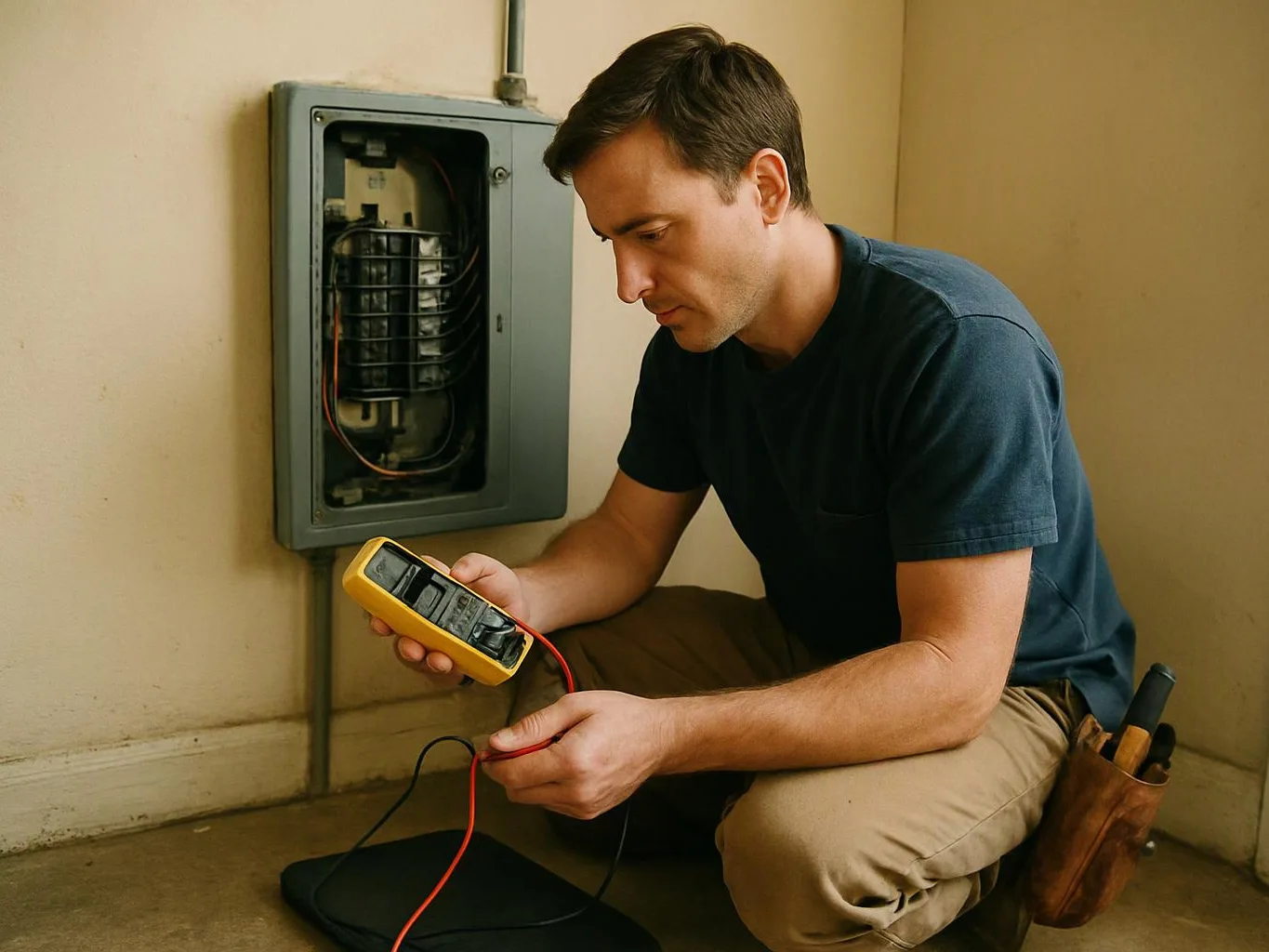
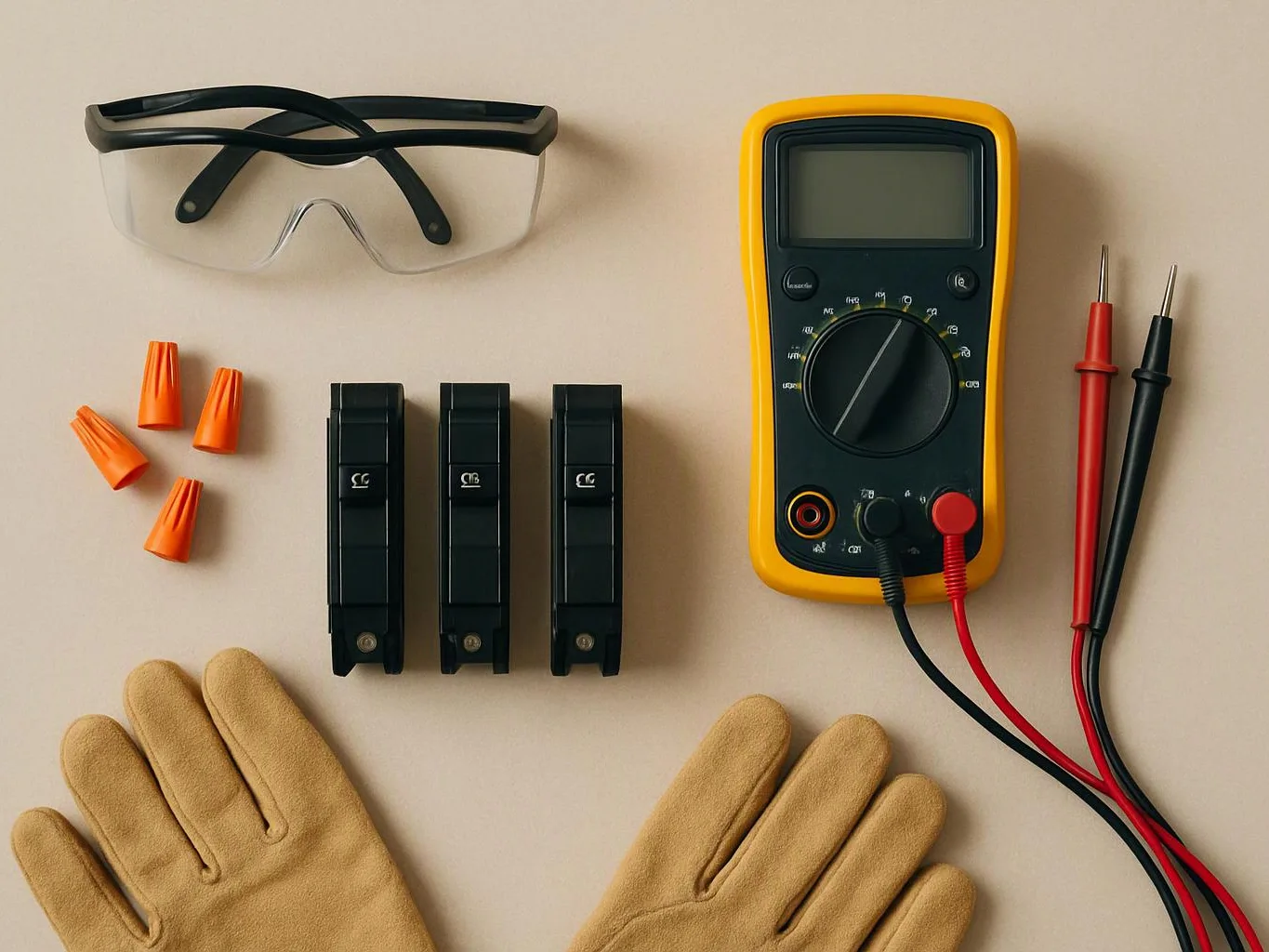
Circuit breakers that trip repeatedly are a strong warning sign of a commercial electrical fault. Flickering lights, dead outlets, buzzing panels, warm switch plates, and burning smells also need attention. We inspect the affected circuit, test voltage, and trace wiring before recommending a repair.
What should a business ask before agreeing to electrical repair?
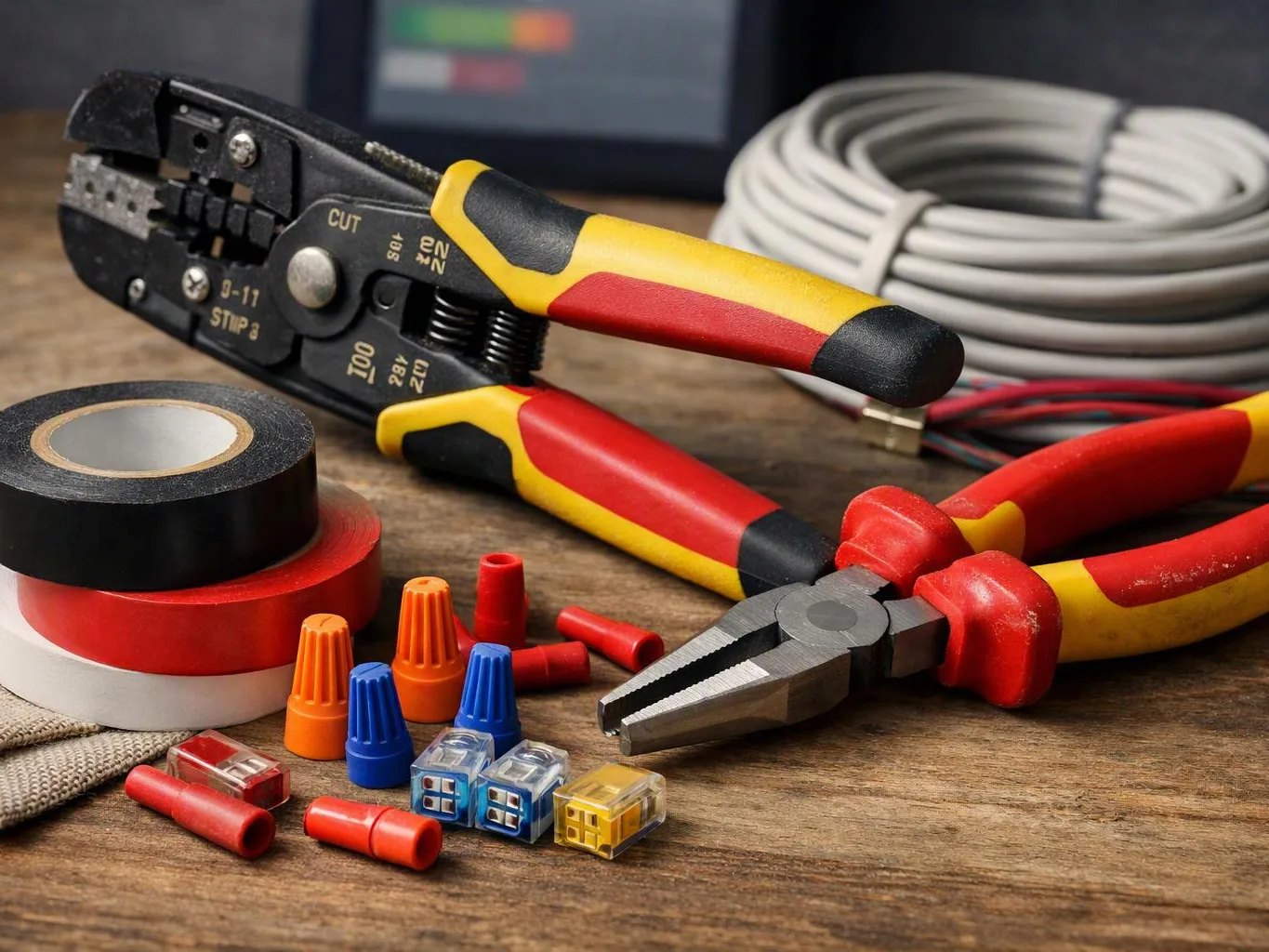
A business should ask which fault was found, which part needs work, and whether repair or replacement fits the property. We explain the affected circuit, the proposed materials, the testing we will complete, and any wider electrical concern. Customers can then compare the repair scope with the property’s operating needs.
Which property condition changes the repair time?
Restricted access to wiring, concealed connections, damaged equipment, and faults that affect several circuits can change the repair time. We first identify the affected path and inspect available access points. A clear panel area and access to the affected business space help us assess the work scope.
When does a repair point to an electrical upgrade?
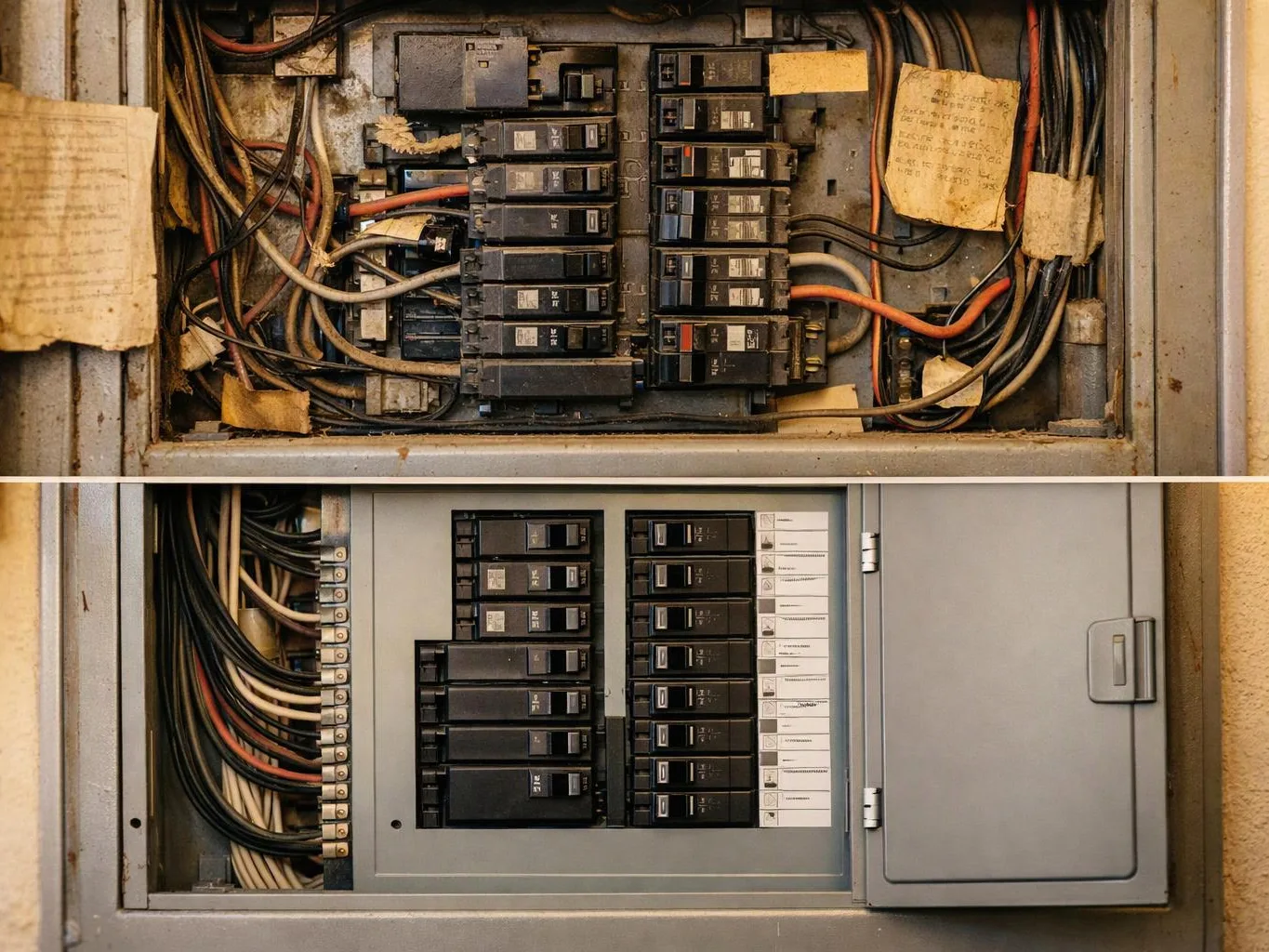
An electrical upgrade becomes a consideration when existing capacity cannot support the equipment demand. Repeated overloads, insufficient amperage, and planned remodel work can point to a dedicated circuit, subpanel, or service improvement. We review the load and explain the repair and upgrade choices.
Why do lights flicker after equipment starts?
Lights can flicker when equipment creates a heavy load, a connection is loose, or a circuit has a wiring fault. We check the lighting circuit, panel connections, nearby equipment, and voltage at affected points. The result guides the choice between a connection repair, circuit repair, or added capacity.
How is repair matched to a commercial property before work starts?
The repair is matched to the property through its affected area, circuit layout, equipment demand, access, and operating needs. We review the symptom, inspect the electrical path, and test the fault before setting the scope. Offices, retail spaces, and remodel areas can need different access and circuit decisions.
Can one electrical visit cover troubleshooting and outlet repair?
One service visit can cover troubleshooting and supported outlet repair when the fault is accessible and the scope is clear. We inspect the circuit first, then explain any added work that the diagnosis reveals. A wider wiring fault or capacity issue can require a separate repair plan.