What should I know before replacing an older electrical panel?
Utility coordination should be reviewed before replacing an older panel. Center Electric Service checks the service connection, meter access, shutoff needs, load calculation, grounding electrode, and panel enclosure before setting the work scope. Those details help define the installation sequence and identify wiring or grounding work that belongs in the estimate.
How does a panel upgrade visit move from the first call to the last step?
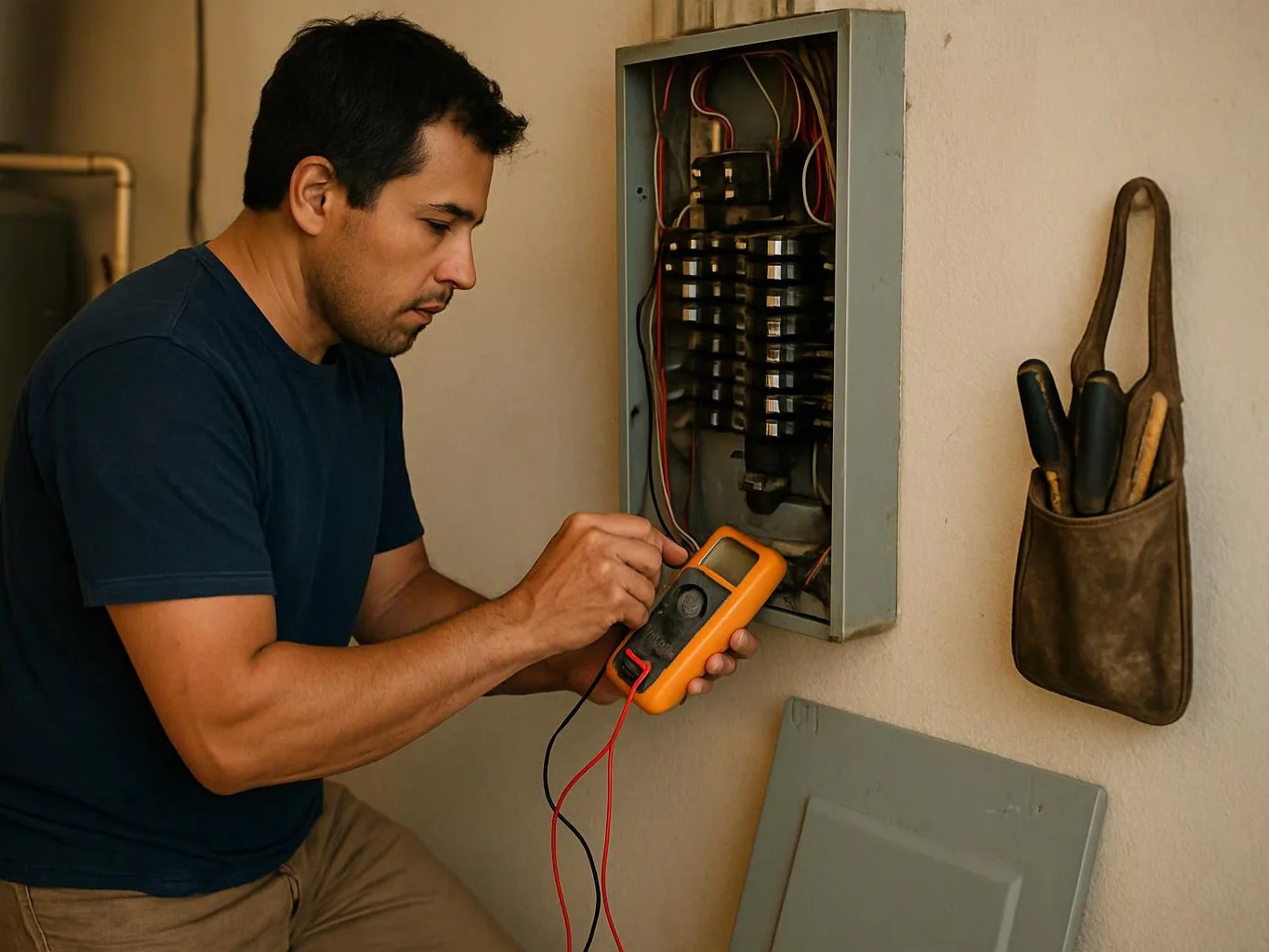
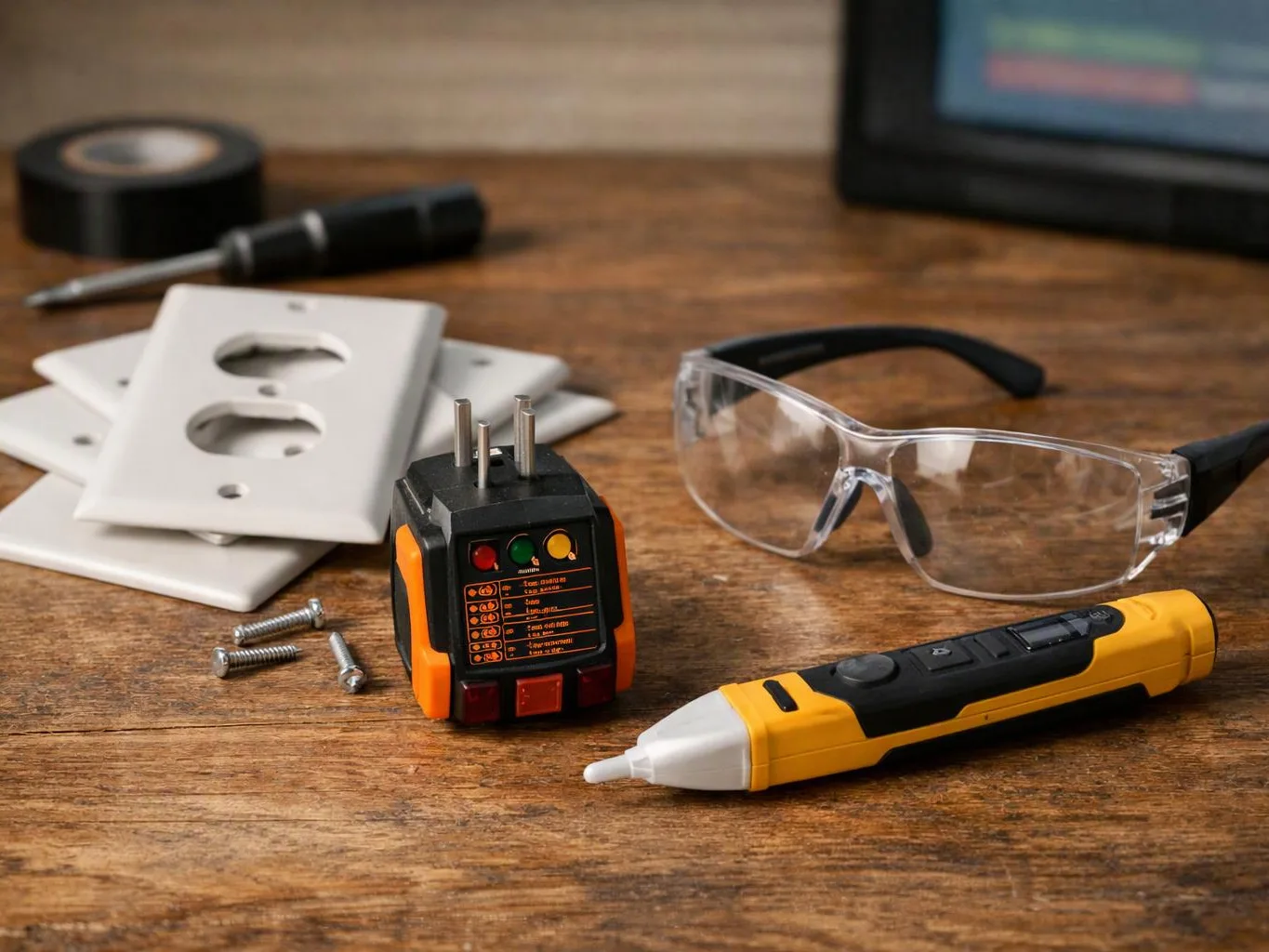
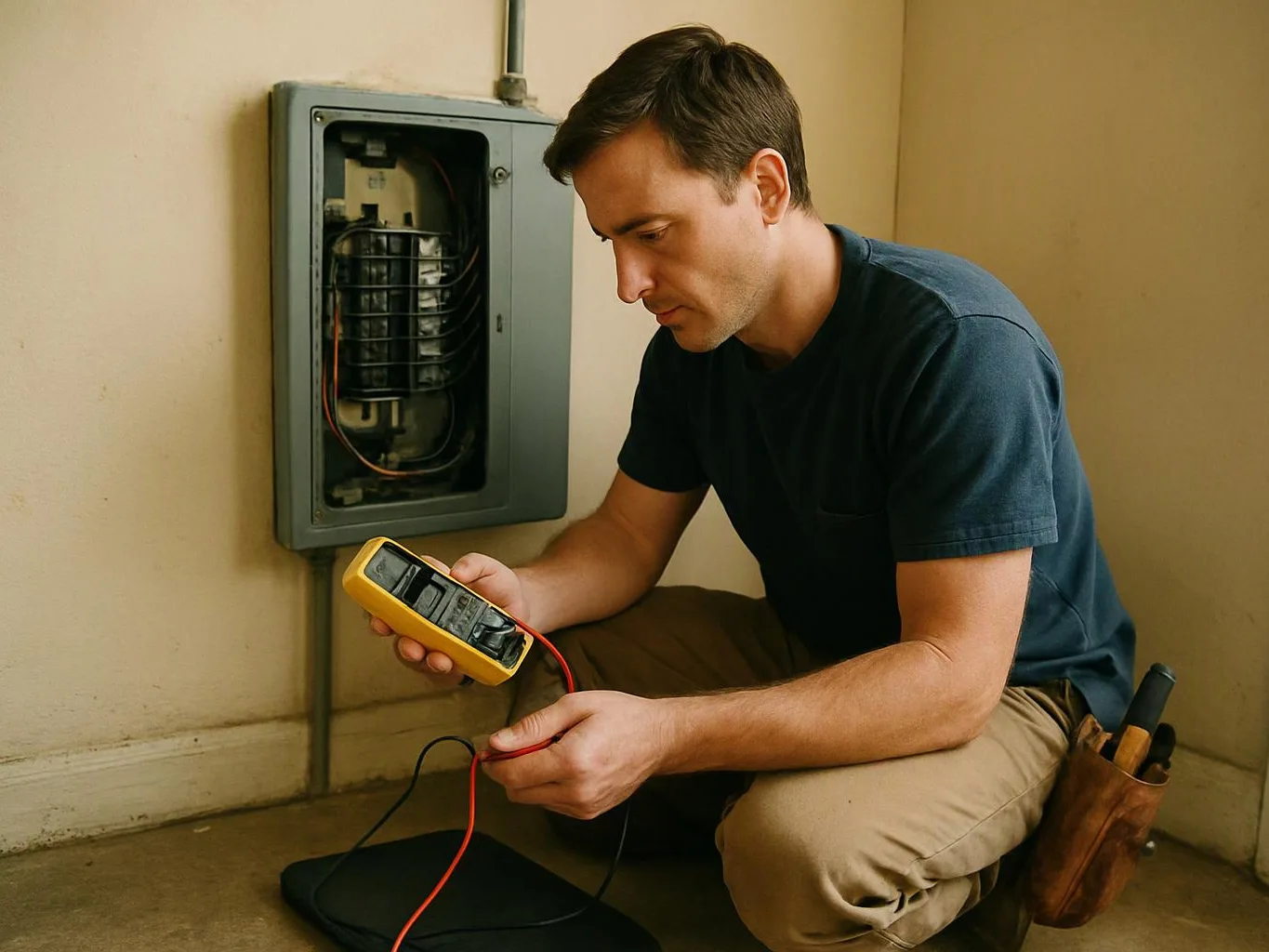
The visit moves from system inspection to load review, scope planning, installation, and testing. We first examine the panel and circuits, then review utility needs and grounding. After the work scope is approved, we complete the planned panel work and test breaker operation, circuit labels, and power distribution.
What part of the property decides the panel replacement scope?
The existing service equipment and connected electrical load decide most of the replacement scope. The panel location, service conductors, grounding electrode, circuit layout, and equipment served also matter. We inspect those parts together because a panel change can require related wiring or utility coordination.
How can I tell whether a panel upgrade fits my property?
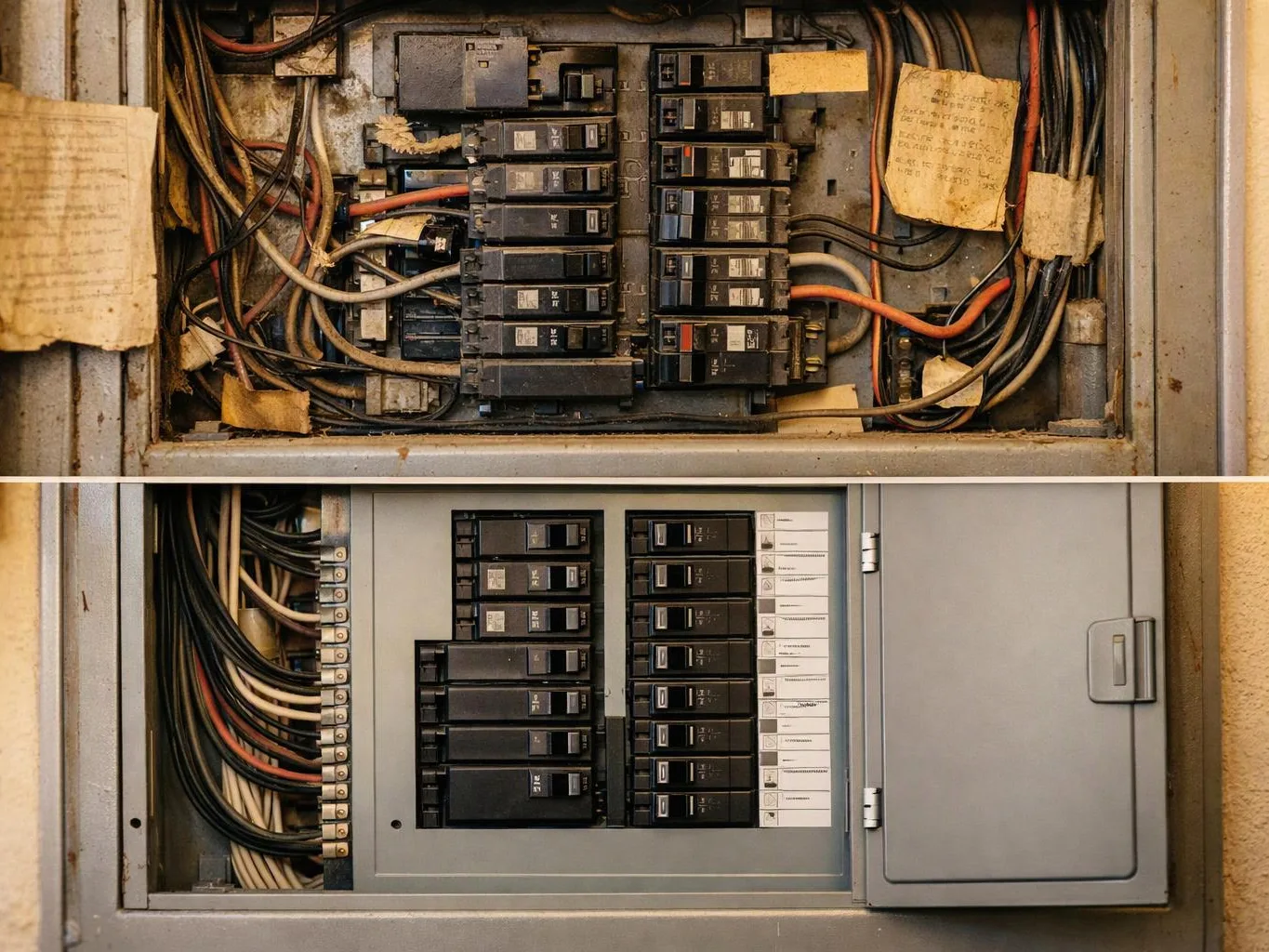
A panel upgrade fits when the existing equipment cannot safely serve the property's circuits or planned electrical demand. Flickering lights, repeated breaker trips, heat marks, damaged enclosures, and limited circuit capacity warrant an inspection. We diagnose the cause first and separate a panel problem from a single-circuit repair.
Which warning signs make an older panel a safety concern?
A burning smell, buzzing panel, heat marks, or frequent breaker trips can signal a serious electrical fault. We advise you to stop using affected equipment and arrange an inspection. Our team checks for damaged connections, overloaded circuits, worn breakers, and grounding problems before recommending the work.
What information helps Center Electric Service prepare a panel quote?
The panel location, visible label, known symptoms, property use, and planned equipment help us prepare a useful quote. Photos can show the enclosure and circuit labels, but they do not replace an on-site inspection. We use the inspection to confirm the load, wiring, grounding, and utility scope.
Can one electrical visit address a panel and related circuit concerns?
One planned visit can address the panel assessment and related circuit concerns when those items fall within the agreed scope. We trace affected circuits, inspect connections, and review the load before deciding what belongs in the panel work. A separate fault may need its own repair scope.