How can I tell if my electrical system is unsafe?
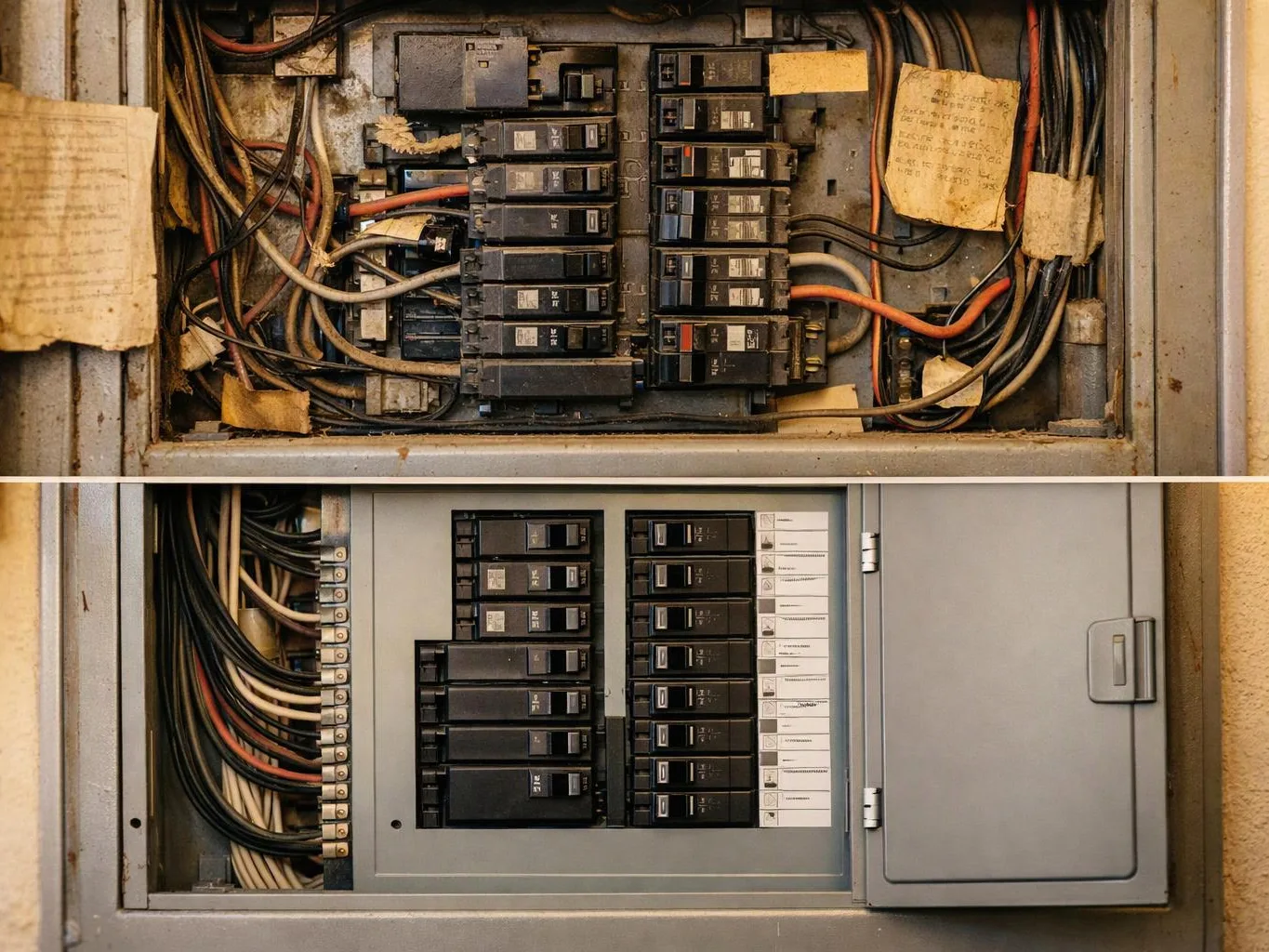
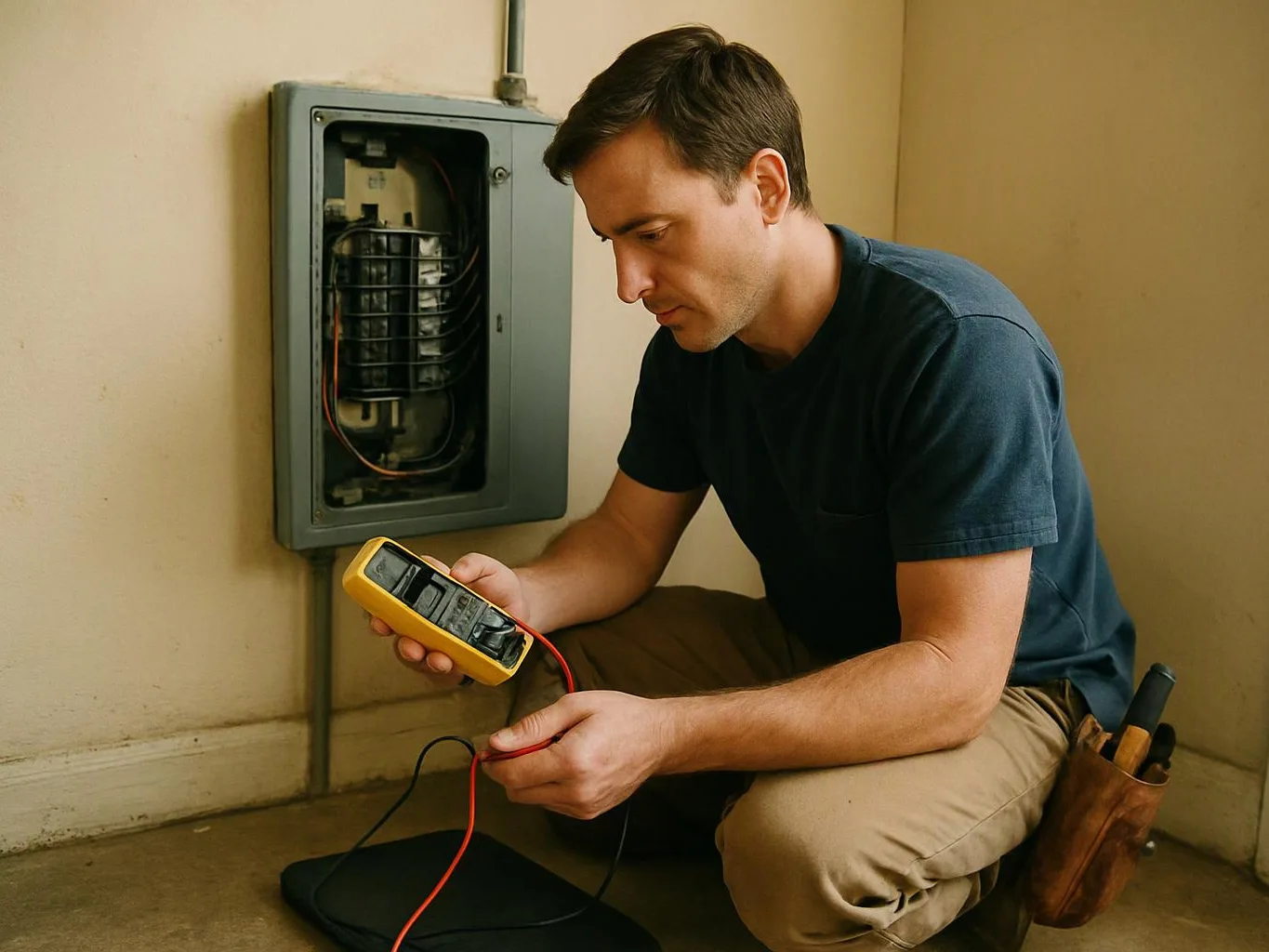
Burn marks are a warning that an outlet, connection, wire, or panel part may have overheated. Stop using the affected point and arrange an inspection. We check the visible damage, trace the circuit, and test related parts. A burning smell, buzzing panel, sparking outlet, or repeated breaker trips also needs prompt attention.
What should I do before the inspection?
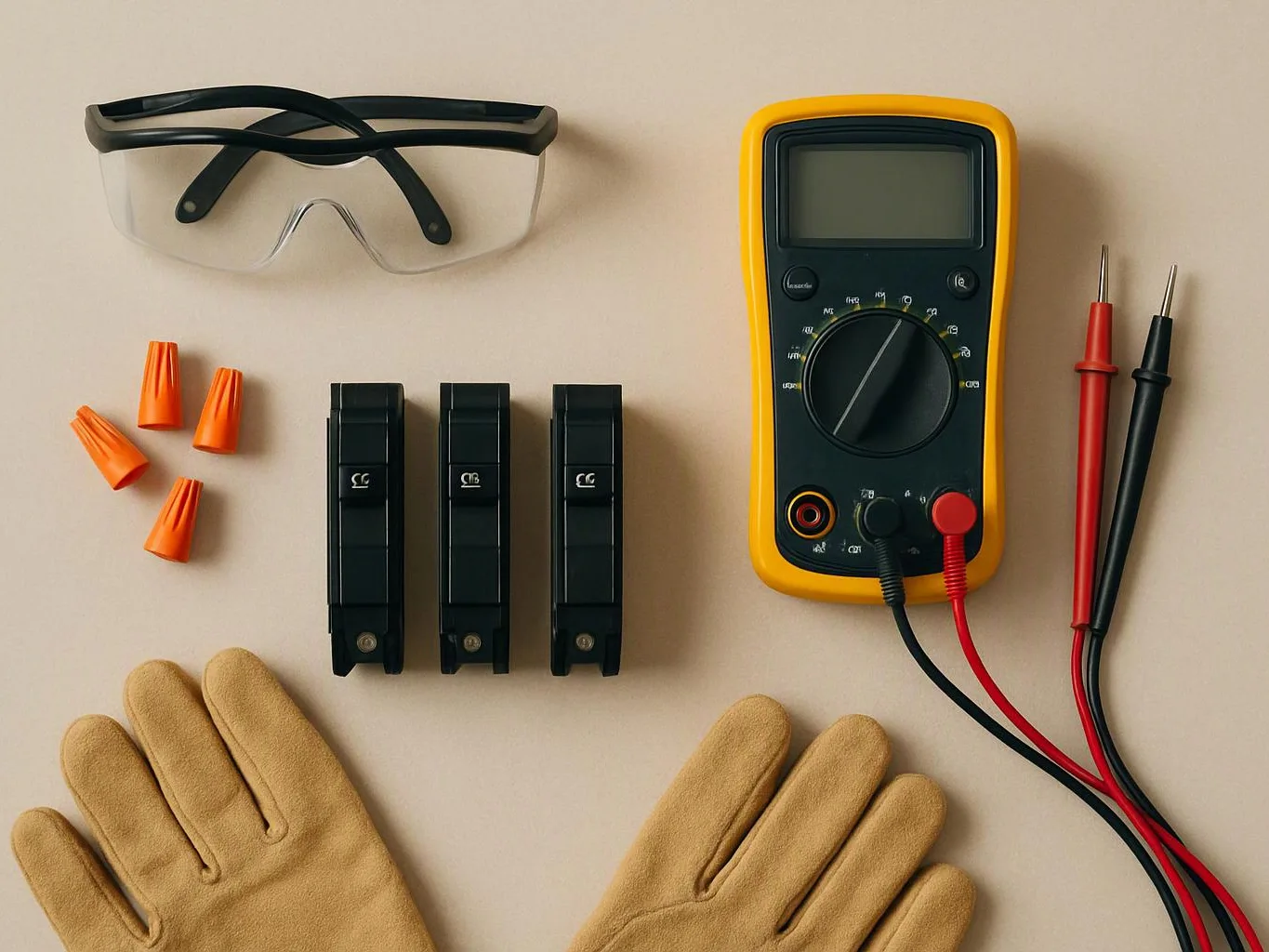
Access to the affected outlet, panel, and connected equipment helps us inspect the circuit. Turn off equipment connected to the damaged point, keep the area clear, and avoid removing covers. Share any history of flickering lights, dead outlets, breaker trips, or recent electrical changes.
Which part of the property decides the inspection scope?
The affected circuit usually decides the inspection scope. The outlet, switch, panel, breaker, wiring path, connected load, and visible damage guide our checks. A single device may need a focused inspection, while heat or damage at several points can call for broader circuit tracing.
What material changes the inspection work?
Aluminum wiring can change the inspection work because connections and termination points need close review. Exposed copper conductors, damaged insulation, older receptacles, and mixed wiring also affect what we check. We identify the materials in the affected circuit before discussing repair or replacement.
How does the inspection move from the first call to the last step?
The inspection moves from the reported symptom to circuit checks, testing, findings, and a repair decision. We review the warning sign, inspect the affected parts, trace the circuit, verify related conditions, and explain the next step. The process keeps the scope tied to the property’s actual electrical issue.
When is a safety inspection different from troubleshooting?
A safety inspection reviews hazards and unsafe conditions, while troubleshooting targets the cause of a specific electrical symptom. The two services can overlap when burn marks, flickering lights, dead outlets, or repeated trips point to a wider risk. We define the work from the condition we find.
Who provides this inspection for homes and businesses?
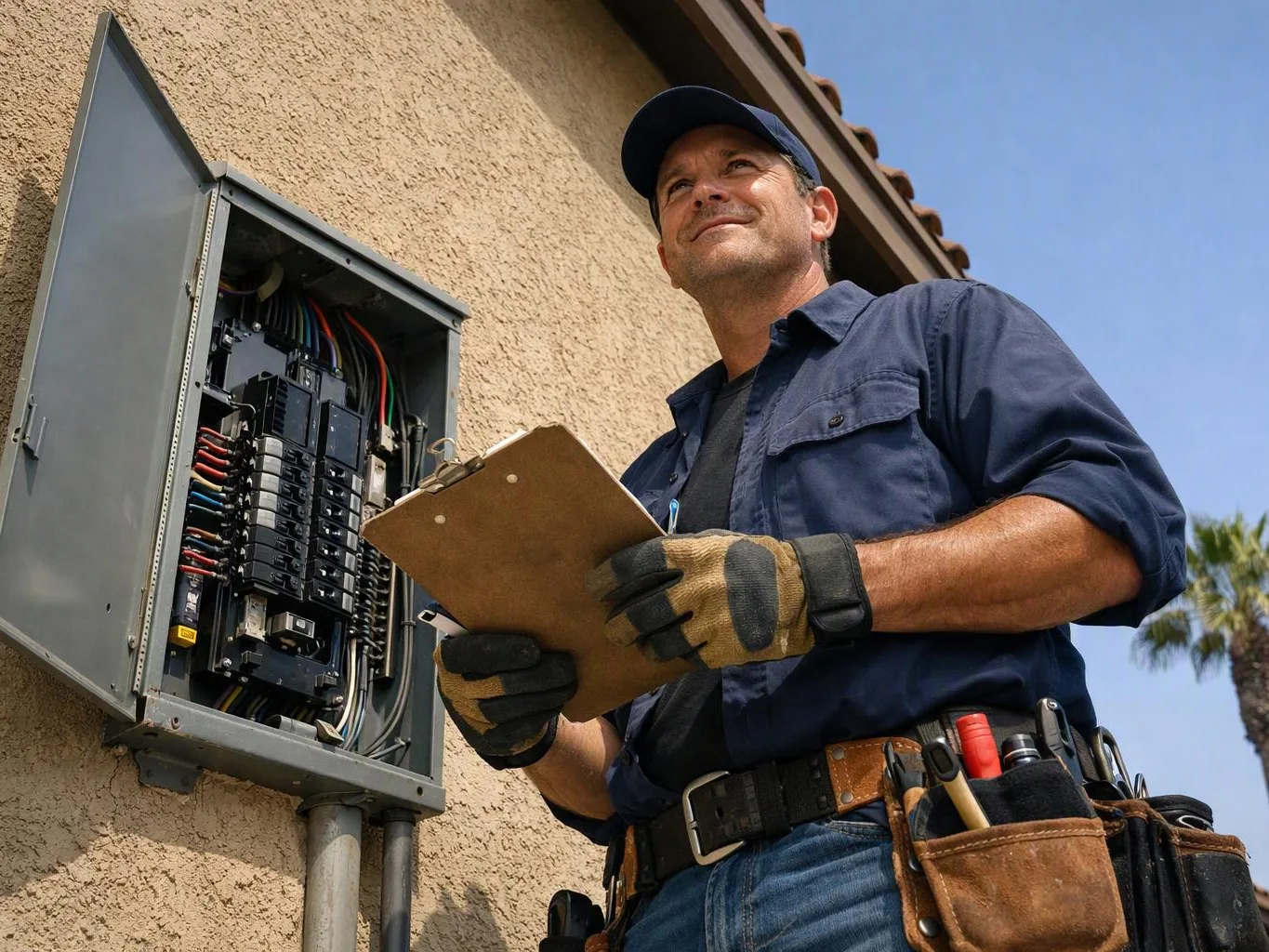
Center Electric Service provides electrical safety inspections for homes, offices, retail spaces, and commercial properties. We inspect panels, outlets, wiring, connections, breakers, and affected circuits. The property type and access points help shape the inspection scope.