Skip to content

Electrical Troubleshooting In Ontario, California

A dead outlet needs a careful check of the outlet, circuit, and panel. We trace the fault and explain the repair path for homes and businesses in Ontario.

Quick Summary: electrical fault checks in Ontario, California

Electrical Troubleshooting in Ontario is provided by Center Electric Service for homes, offices, retail spaces, and commercial properties. The service covers dead outlets, tripped breakers, faulty connections, and lighting or power interruptions across Riverside and surrounding Inland Empire communities.

  • What we do: Center Electric Service provides Electrical Troubleshooting for Ontario, California properties with dead outlets, faulty connections, tripped breakers, and power interruptions.
  • What is included: Circuit tracing, outlet and switch checks, breaker checks, GFCI testing, wiring inspection, and testing and verification.
  • What you get: The customer receives a clear diagnosis and a practical repair or next-step decision for the affected circuit.

Why did a loose wire make my outlet stop working?

Loose wiring can break the power path at an outlet or connection point. Heat, movement, or a weak terminal can also damage the contact. We inspect the outlet, test the circuit, check the breaker and GFCI protection, then identify the repair needed.
Electrical Troubleshooting in Ontario, California for dead outlets

A dead outlet does not always mean the outlet itself failed. The fault may sit at a loose terminal, a burned contact, a tripped breaker, or a GFCI outlet that interrupted power farther along the circuit.

This page focuses on finding the cause behind one failed outlet or a repeated circuit problem. The buyer's key decision is whether a focused diagnostic visit fits, or whether the symptoms point to broader wiring, panel, or circuit work.

We inspect the affected area, trace the circuit, and test the parts that control power. We also explain the limit of the work, since a damaged panel or a required remodel upgrade may need a separate repair or installation plan.

  • Note which outlet, switch, or appliance lost power.
  • Check whether a nearby GFCI outlet has tripped.
  • Tell us about burning smells, warm switch plates, buzzing, or sparking.
  • Keep access clear to the outlet, breaker panel, and nearby electrical equipment.
  • Ask for a quote after the fault and repair scope are clear.
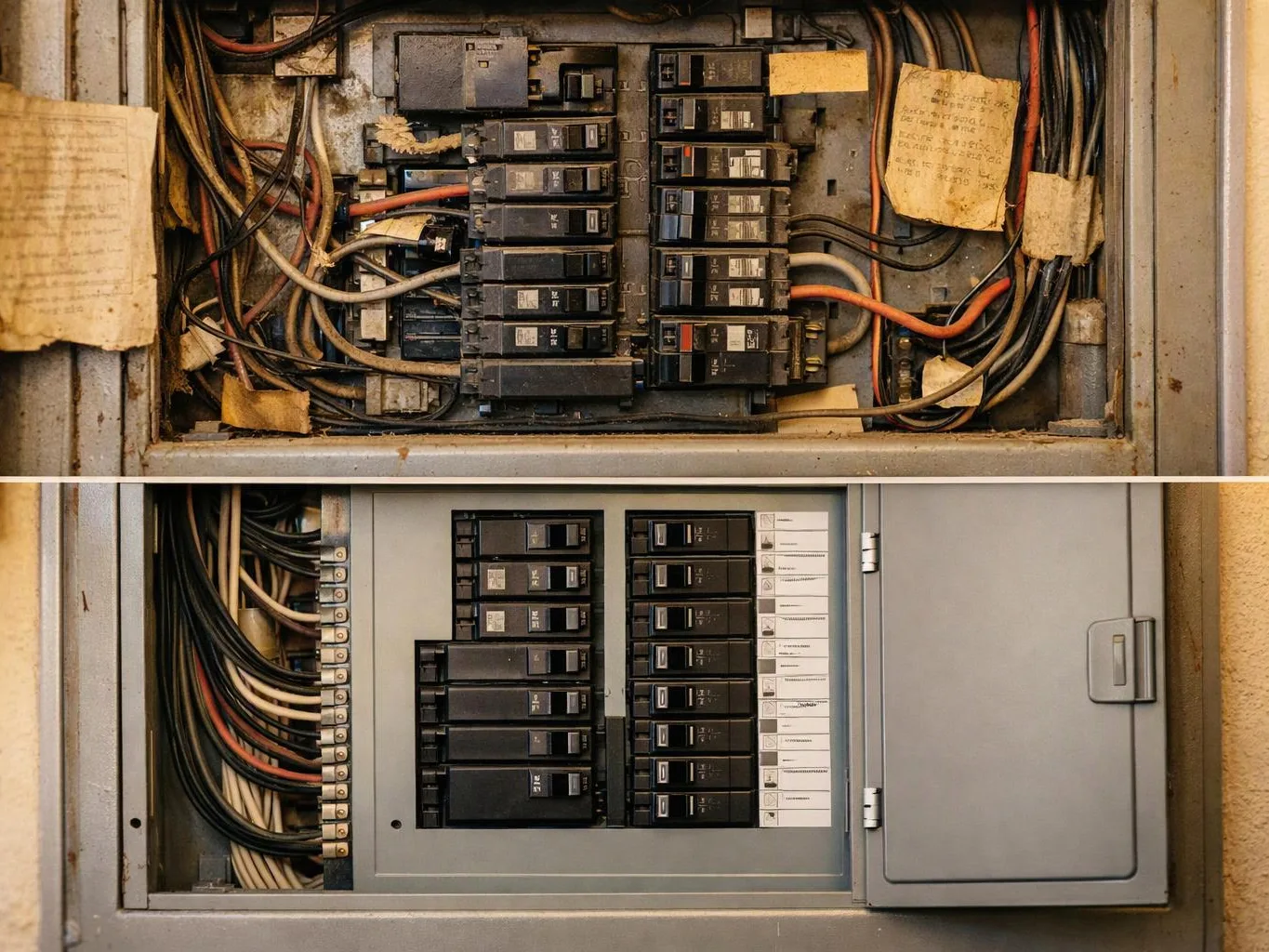
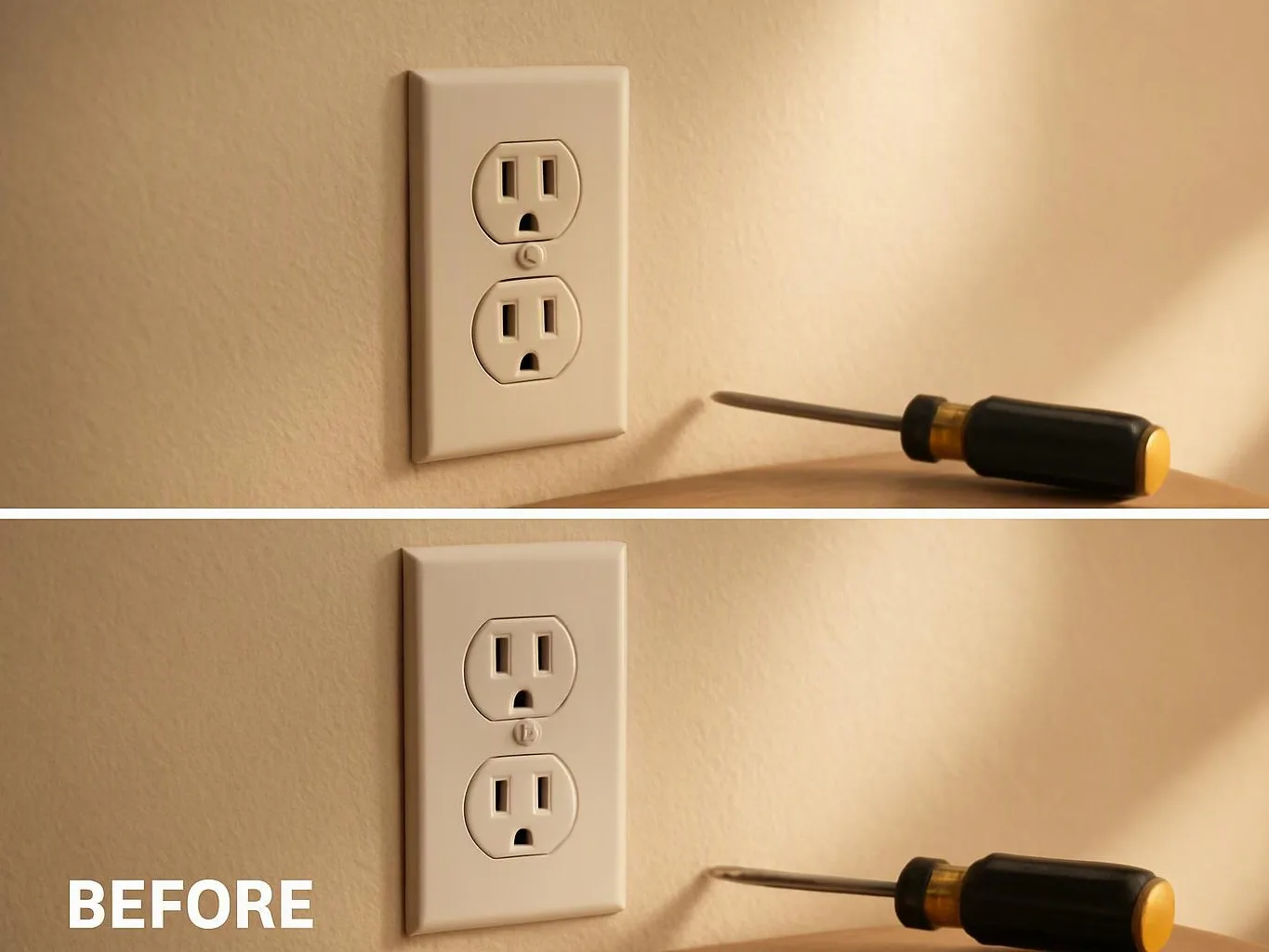
A two-panel image shows a wall outlet and a screwdriver beside it, with the lower panel labeled "BEFORE"

Service Overview

Electrical Troubleshooting is a diagnostic service that locates faults in wiring, outlets, switches, breakers, and connected circuits.

  • Unlike a planned installation, troubleshooting starts with a symptom and traces the electrical path until the fault is found.
  • We provide this service for homes and businesses in Ontario and nearby Inland Empire communities.

What outlet fault checks include

Center Electric Service provides comprehensive Electrical Troubleshooting in Ontario. Here's what you get:

  • We inspect the outlet, cover, terminals, and visible wiring for damage or loose connections.
  • We test the circuit to identify where power stops.
  • We check the related breaker and nearby GFCI protection.
  • We trace connected outlets, switches, or loads when the fault is not at the first outlet.
  • We test the circuit after repair work to confirm the connection operates as expected.
  • We explain whether the next step involves an outlet repair, wiring repair, breaker service, or broader electrical work.

What fault diagnosis changes for you?

You get a clearer choice between repairing one outlet and investigating the wider circuit.

Testing helps connect the visible symptom with the actual fault location.

A circuit trace can reveal a hidden connection that a visual outlet check would miss.

Early attention to heat, buzzing, or burned contacts helps address a possible fire risk.

Homeowners, property managers, and businesses receive practical information before approving added work.

What you get from a focused outlet diagnosis

A diagnosis before the repair scope

The decision is whether the fault is local or circuit-wide. We test the outlet, breaker, GFCI protection, and wiring path before setting the repair scope.

Residential and commercial fit

Our electrical team works with homes, offices, retail spaces, and commercial properties. Access and operating needs shape how we inspect the affected circuit.

Safety-first code awareness

We approach electrical work with safety and code compliance in mind. A full remodel, service entrance upgrade, or panel replacement is a different job from one faulty outlet.

When this service is not enough

A planned lighting installation, full rewiring project, or major panel upgrade needs a defined installation scope instead of symptom-based troubleshooting.

When this service is the right fit

A typical property issue starts with one dead outlet and no obvious panel fault. We test the outlet, inspect its terminals, trace the circuit to upstream devices, and check GFCI protection. If the inspection finds damaged wiring or a burned contact, we explain the repair scope and any code-related work that applies.

Process

How we trace a failed outlet

1

Record the electrical symptom

We start with the outlet, switch, appliance, or circuit that lost power. Details about resets, heat, buzzing, or burning help define the first checks.

2

Inspect the outlet and panel

We inspect the outlet, visible wiring, breaker, nearby GFCI devices, and connection points for damage or signs of heat.

3

Trace the affected circuit

We follow the circuit to find loose terminals, burned contacts, dead outlets, or another point where power stops.

4

Fix the repair list before the visit

We explain whether the issue calls for an outlet repair, wiring repair, breaker service, or broader electrical work.

5

Test the completed connection

We test the repaired area and related circuit to verify operation before closing the work.

Choosing the right response to an outlet fault

These options describe the decision points we use when a circuit symptom appears.

Observed conditionWhat we checkLikely next step
One dead outletOutlet terminals, upstream connections, and nearby GFCI protectionFocused outlet or wiring repair
Breaker keeps trippingConnected load, breaker, wiring, and circuit conditionCircuit diagnosis and repair scope
Burned contact or warm plateHeat damage, terminals, wiring, and breaker connectionCircuit isolation and safety-focused repair

The Center Electric Service Standard

  • System Assessment
  • Fault Identification
  • Component Care
  • Orderly Workmanship

Questions about dead outlets and circuit faults

What causes an outlet to stop working?

Loose wiring can interrupt power at the outlet or another connection on the circuit. Center Electric Service checks the outlet, terminals, breaker, GFCI protection, and connected wiring. A burned contact or damaged connection can also stop power. We trace the circuit before explaining the repair scope.

How does a troubleshooting visit move from the first call to the last step?

The visit moves from symptom review to inspection, circuit tracing, repair planning, and testing. We begin with the affected outlet or load. Then we check the panel and related devices, isolate the fault, explain the scope, and verify the repaired connection.

Which part of the property decides the scope of this work?

The affected circuit decides the scope more than the room alone. An outlet may connect to a breaker, GFCI device, switch, appliance, or several downstream outlets. We trace those connections and set the work scope from the fault location and wiring condition.

Which material changes how long the troubleshooting takes?

The wiring material and connection condition can change the inspection time. Aluminum wiring, damaged insulation, crowded boxes, and concealed connections need closer checks. We identify the material and access limits before explaining the work needed.

Why does an outlet work after resetting a GFCI?

A GFCI reset restores power after the device interrupts the circuit. Repeated trips point to a connected fault, moisture concern, damaged device, or wiring problem. We test the GFCI and connected circuit to identify why the interruption returns.

When should a dead outlet become an urgent safety concern?

A dead outlet becomes urgent when it has a burning smell, heat, buzzing, sparking, or visible burn marks. Stop using the outlet and keep clear of damaged parts. We isolate the circuit and inspect the outlet, wiring, and breaker.

What information helps Center Electric Service assess an outlet problem?

The affected outlet, recent resets, connected appliances, and visible warning signs help us assess the issue. Tell us whether nearby outlets also lost power. Access to the outlet and electrical panel lets us trace the circuit and discuss the next step.
Contact

Get a Free Estimate for Outlet Troubleshooting

Is a dead outlet, tripped breaker, or burned contact affecting your property in Ontario? Contact Center Electric Service to discuss the fault and request a free estimate.

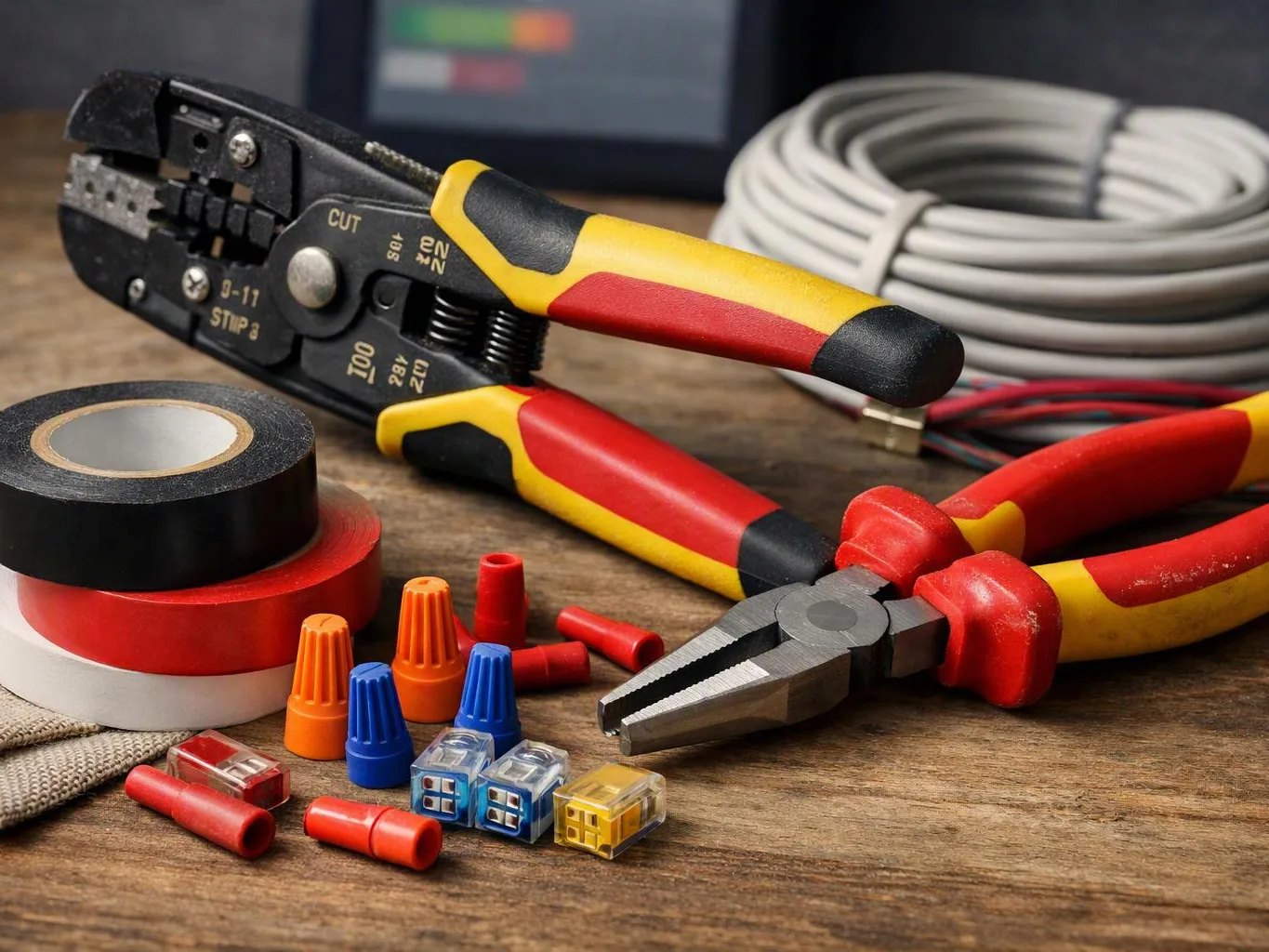
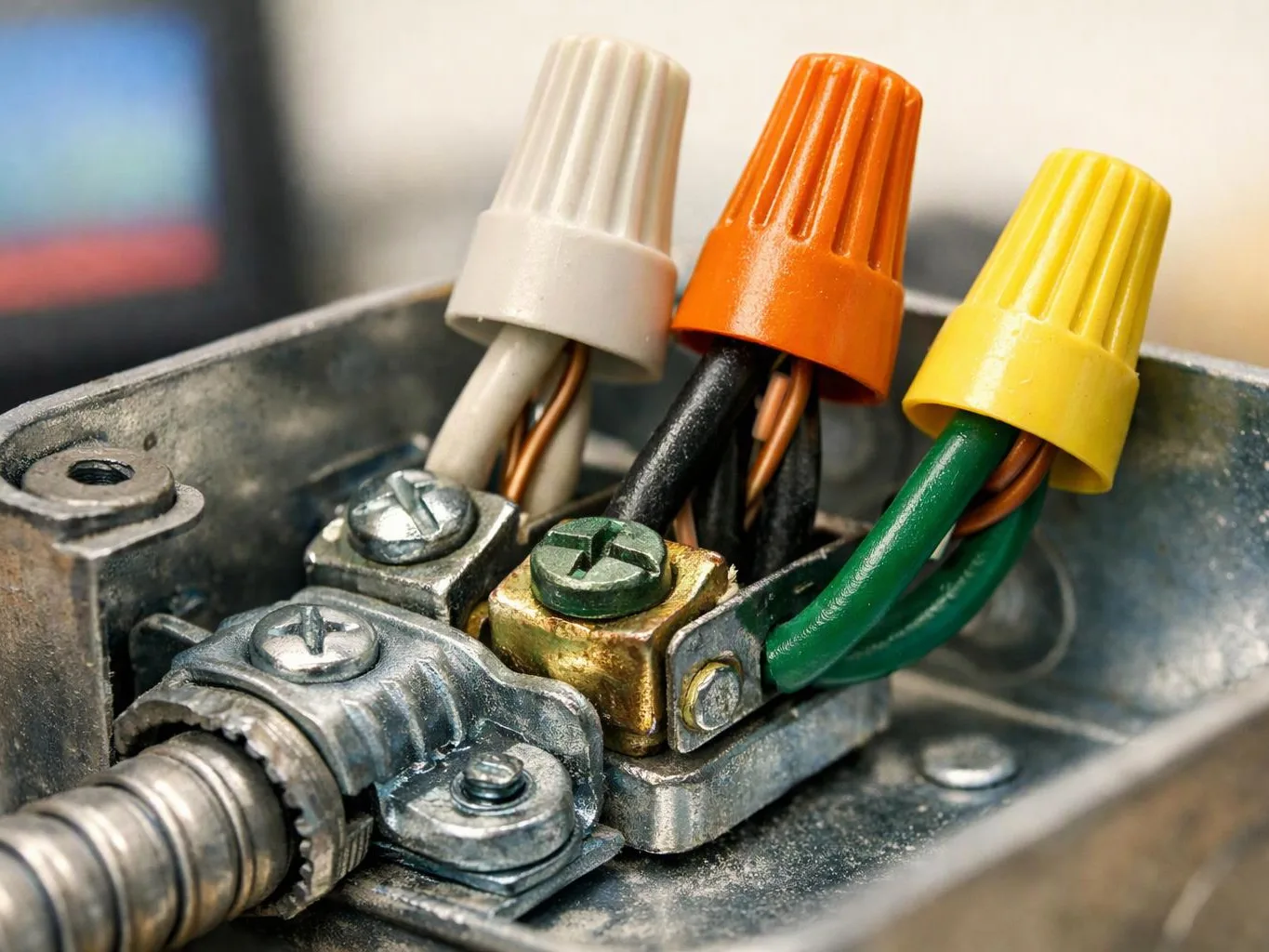
Close-up of electrical wires joined by color-coded wire nuts inside a metal junction box

ZIP Codes We Serve in Ontario, California

91758917619176291764
(951) 577-3540