How can I identify a recurring circuit breaker trip?
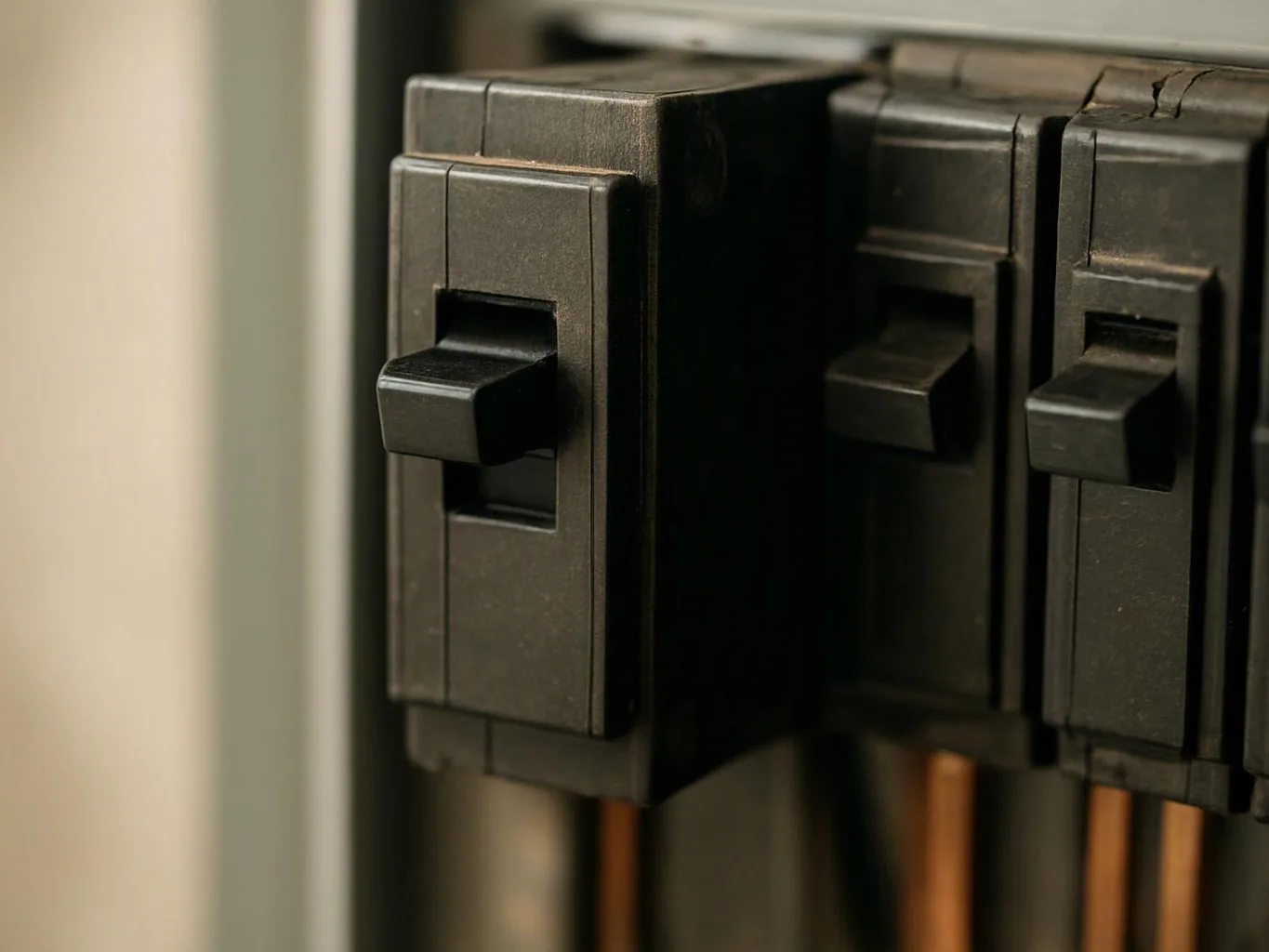
A recurring circuit breaker trip happens when the same breaker opens again after reset or under a repeat load. Note what equipment was running and whether the trip follows one outlet, room, or appliance. We trace that circuit and check for overloads, short circuits, ground faults, and damaged wiring. Stop resetting it if heat, smoke, buzzing, or burning smells appear.
What does an electrical troubleshooting visit check first?
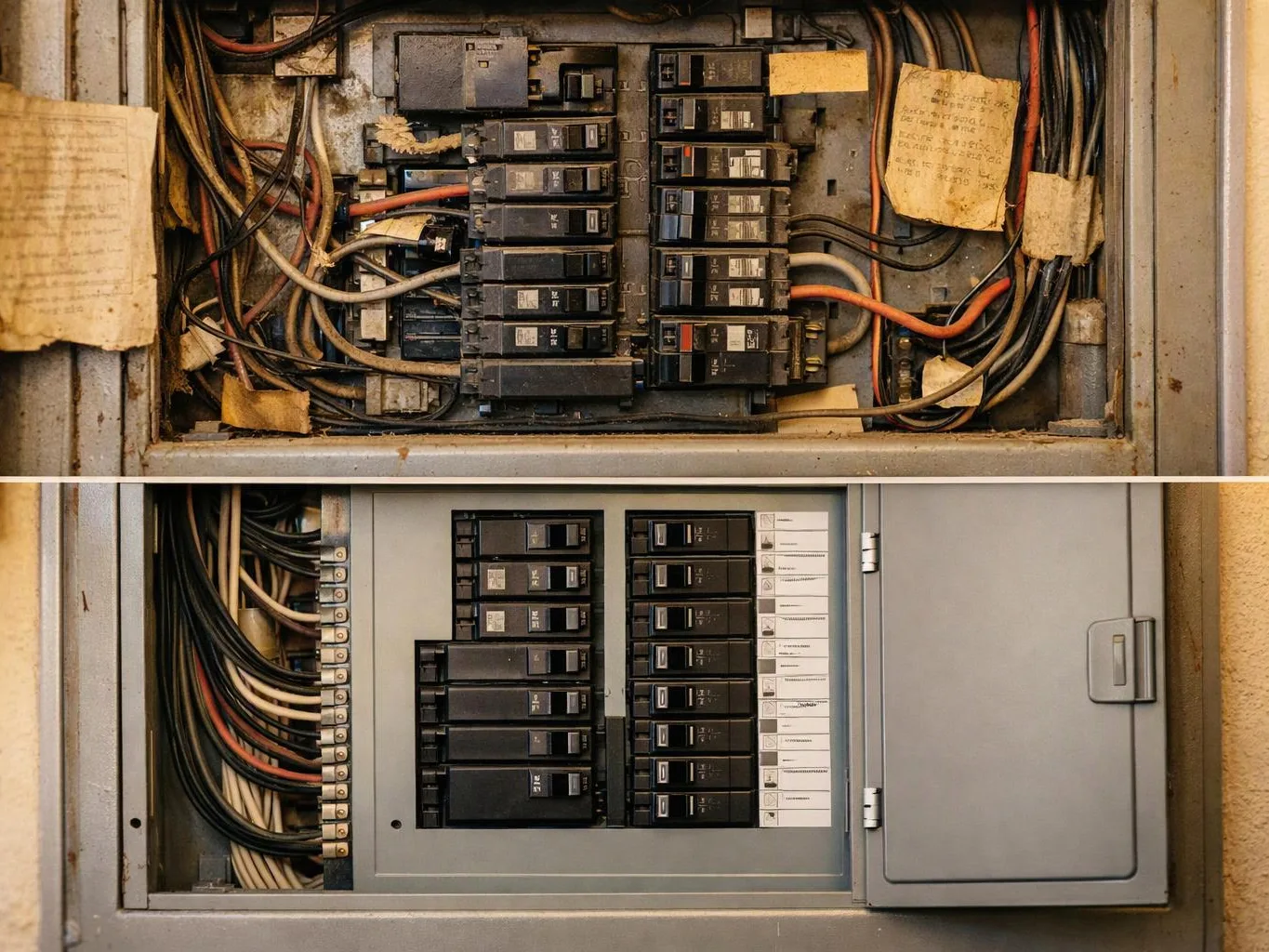
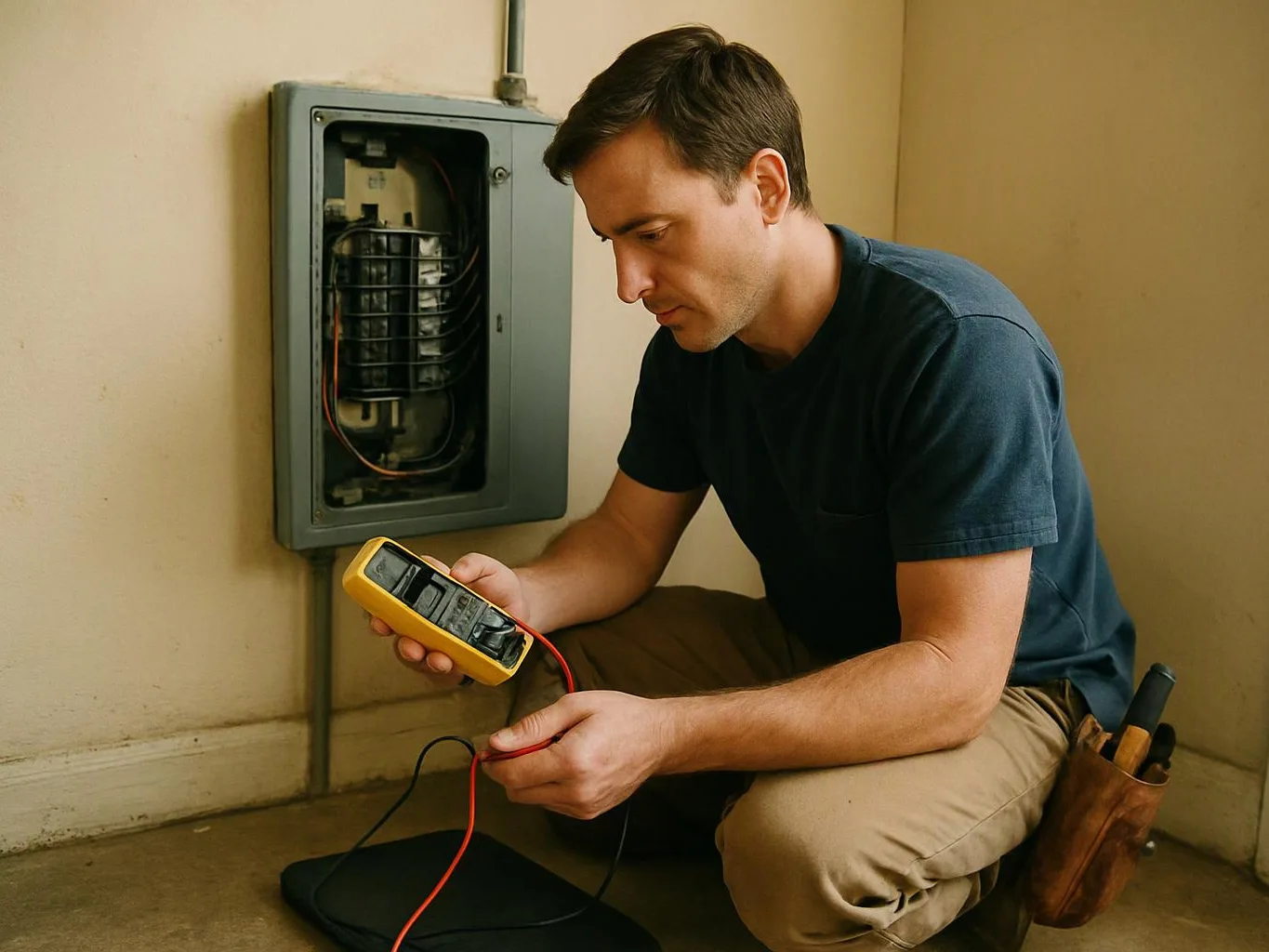
The electrical panel and reported symptom guide the first check. We identify the affected breaker or circuit, inspect visible connections, and review the devices linked to it. Circuit tracing then follows the path through outlets, switches, fixtures, and equipment. The finding guides the repair scope, so the work addresses the cause instead of only the visible symptom.
Which material changes how long fault tracing takes?
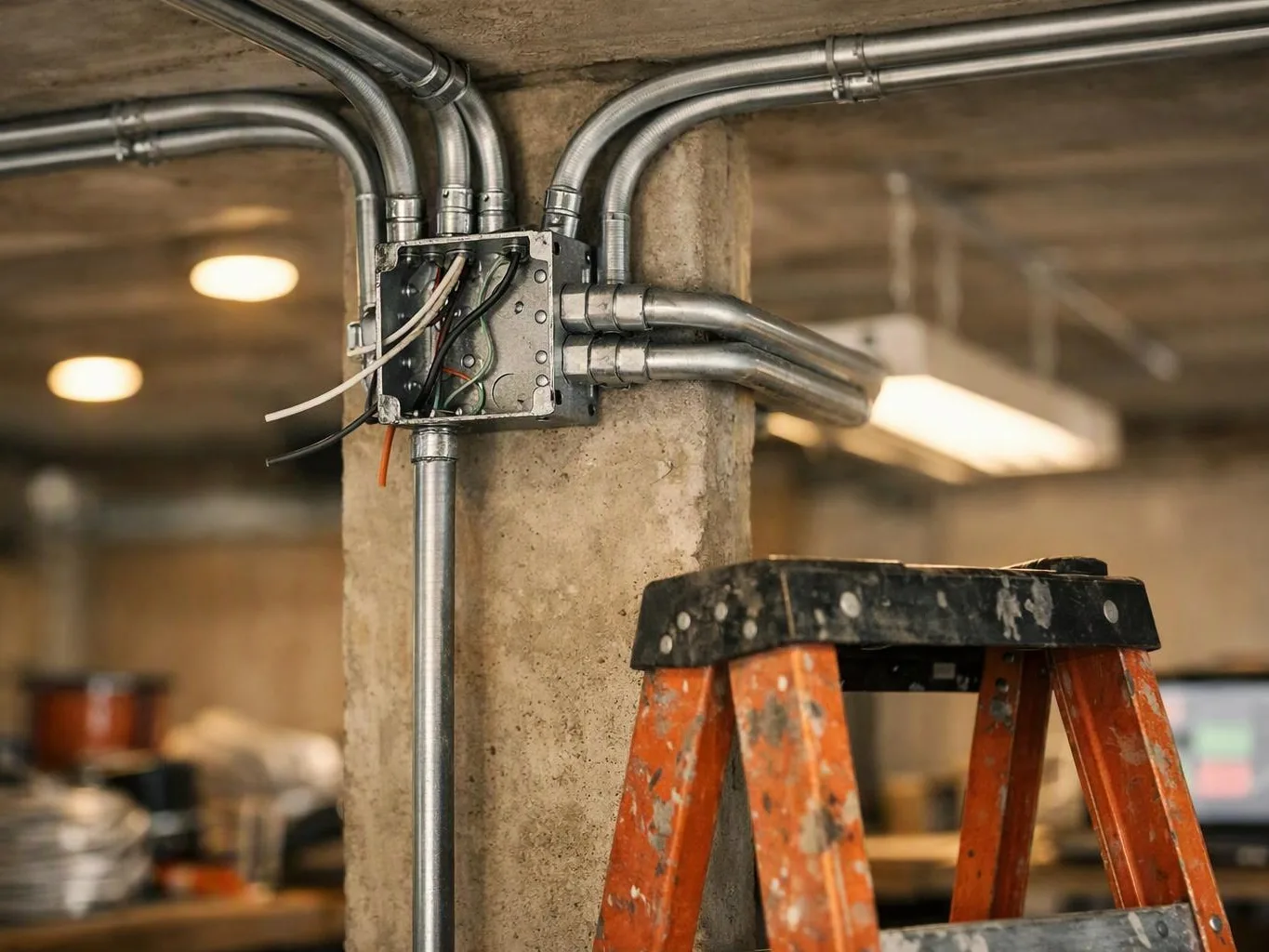
Aluminum wiring, older cable, and damaged insulation can change the tracing work because each material presents different connection and access concerns. We inspect the wiring type and its condition before setting the scope. The number of connected devices, hidden junctions, and panel access also affect the work needed to verify the fault.
How does an electrical fault visit move from the first call to the last step?
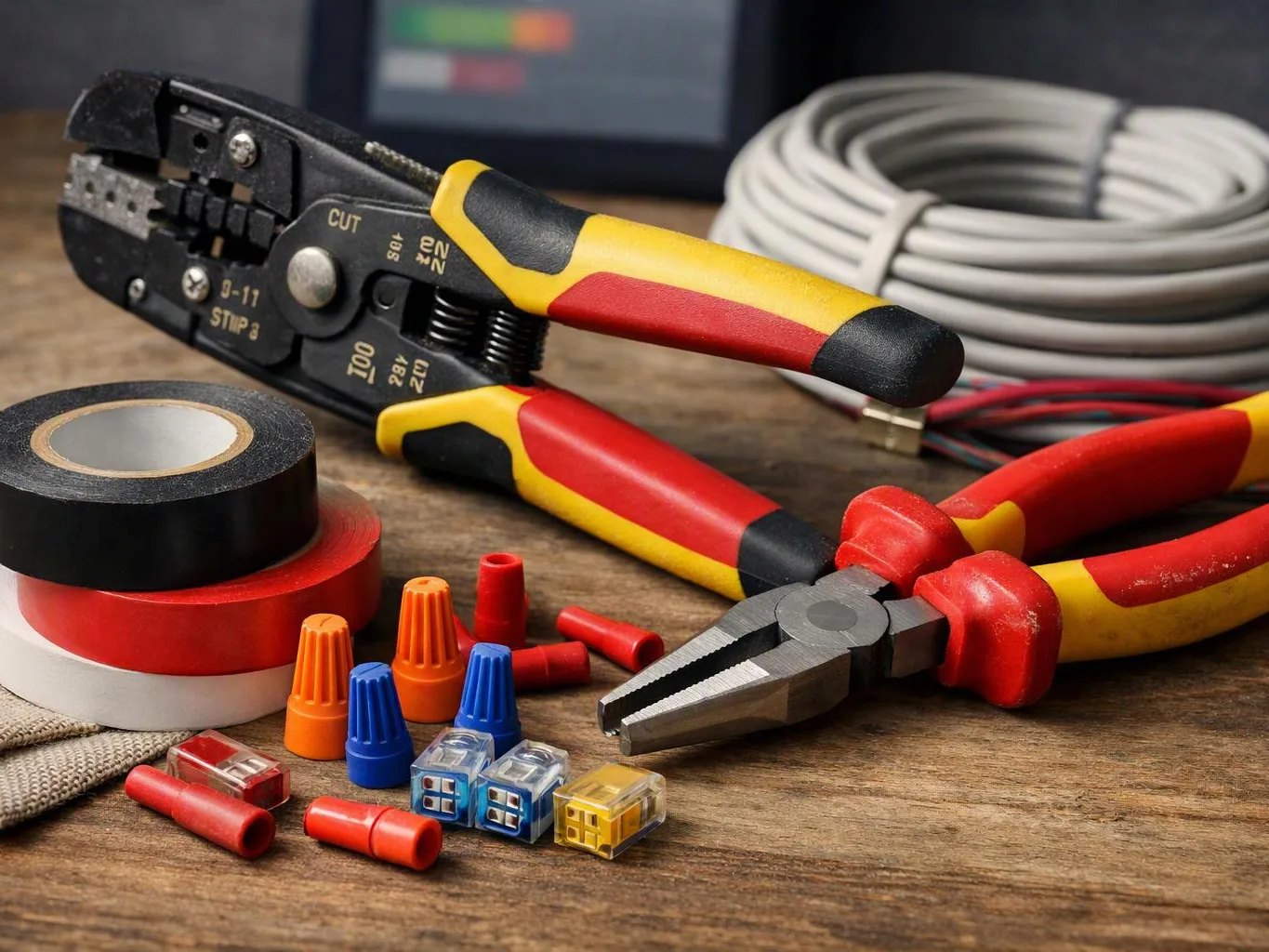
The visit moves from symptom review to panel inspection, circuit tracing, testing, and a repair recommendation. We start with the reported breaker, outlet, switch, or fixture. Testing and verification confirm the suspected fault. The final step is a clear scope for repair, replacement, or an upgrade, followed by a free estimate when quoted work is appropriate.
When does electrical troubleshooting fit a property?
Electrical troubleshooting fits a property when a circuit, outlet, switch, fixture, panel, or connection shows an unexplained fault. Homes, offices, retail spaces, and commercial properties can all need this diagnosis. A planned installation with no fault may fit wiring, lighting, dedicated-circuit, or panel work more directly.
Why does a breaker trip when several devices run together?
A breaker can trip under a shared load when connected devices demand more power than the circuit should carry. We check the circuit load, connected equipment, breaker, and wiring. The next step might involve moving equipment, adding a dedicated circuit, correcting a connection, or upgrading electrical capacity when the inspection supports that choice.