How can I stay safe before emergency electrical repairs?
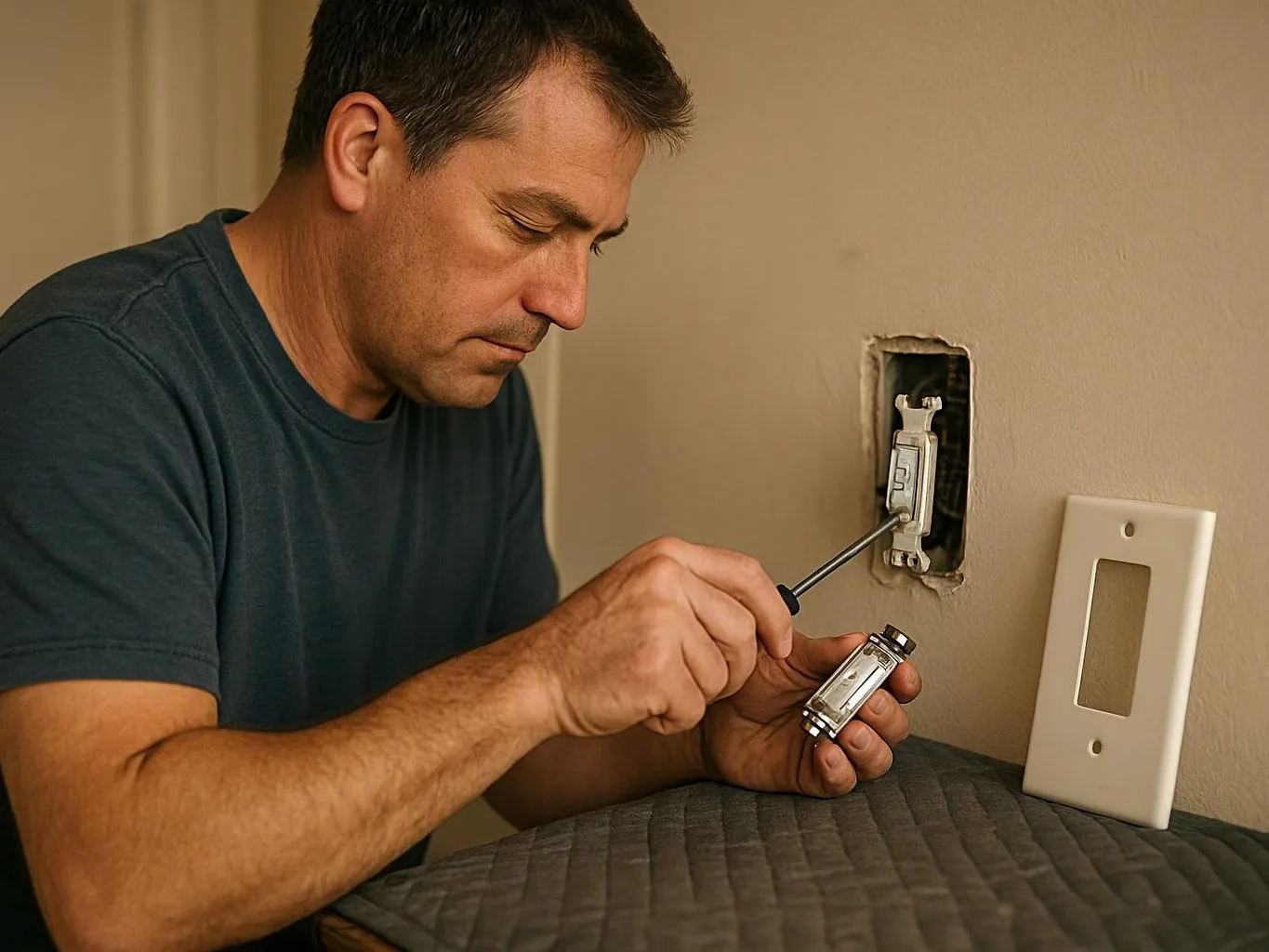
Power shutoff is the safest first step before repairs, and Center Electric Service checks the fault after the area is safe. Keep your hands dry. Clear access around the panel or outlet. Do not touch hot, sparking, or wet parts. Keep a fire extinguisher nearby if safe to do so. We then inspect the circuit, wiring, and damaged parts.
What does an emergency electrical visit check first?
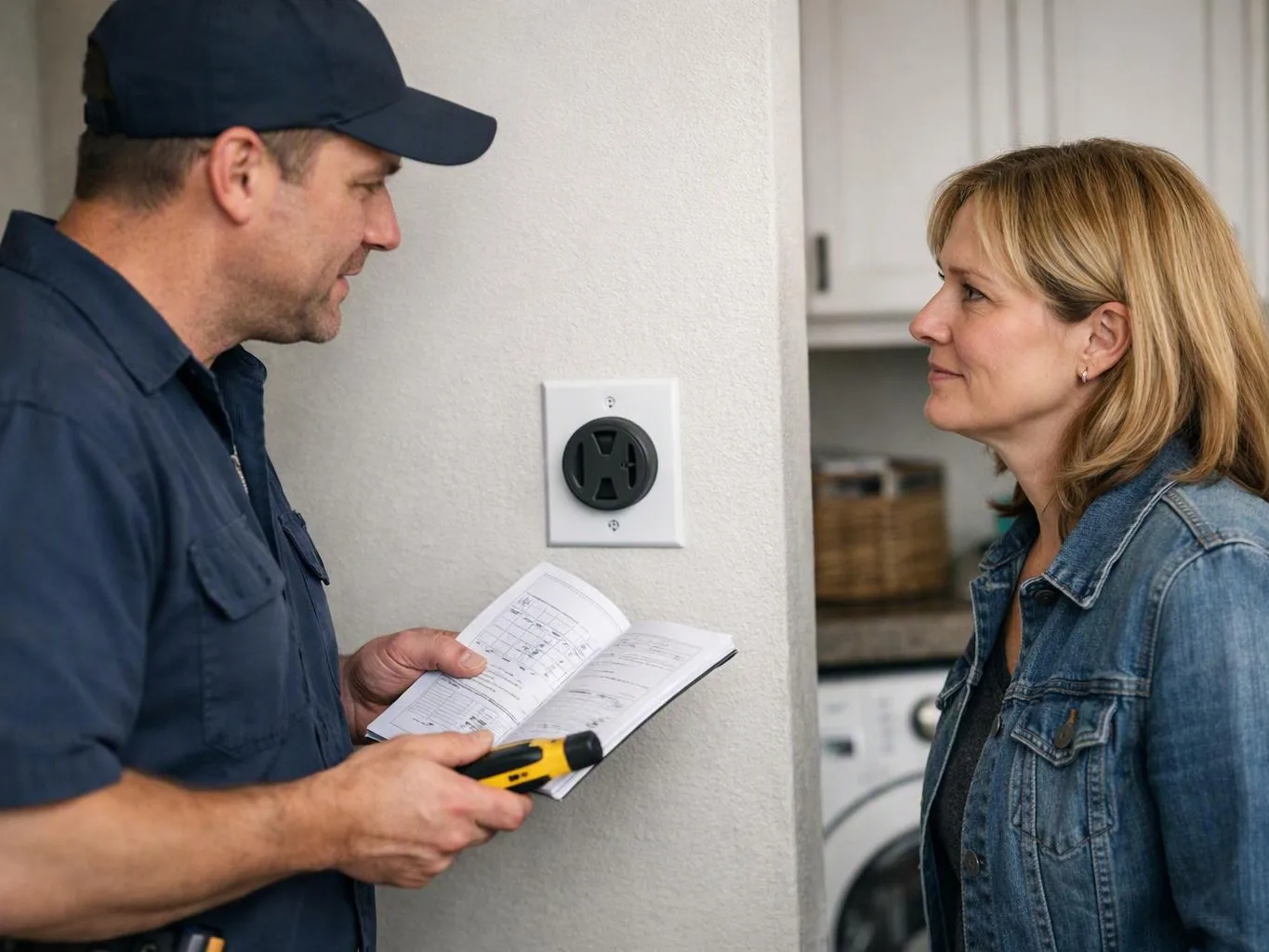
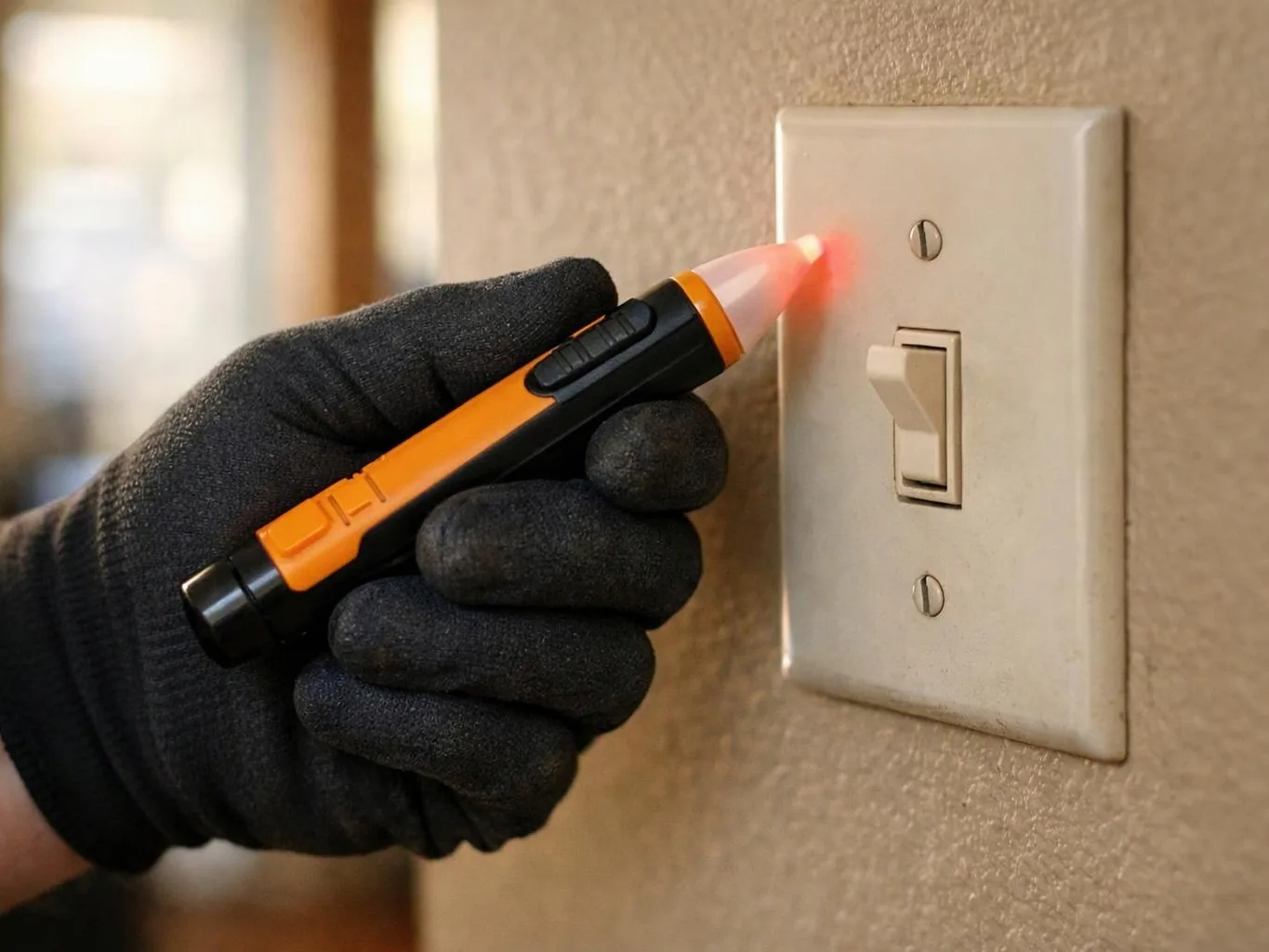
The first check identifies the unsafe circuit and the source of the fault. We inspect the panel, breakers, outlets, switches, and visible wiring. Signs of heat, burning, loose parts, or water exposure guide the next step. We isolate the affected area when needed, then explain the repair scope before work begins.
Which part of the property decides the repair scope?
The damaged electrical part decides the repair scope. A breaker issue calls for panel and circuit checks. A failed outlet needs checks of its wiring and load. A lighting fault may involve the switch, fixture, or branch circuit. We also consider access, visible damage, and whether the issue affects a home or business.
When does a power problem need an emergency electrician?
A power problem needs urgent electrical help when it brings sparks, smoke, burning smells, shocks, heat, or repeated breaker trips. Turn off power only when you can do so safely. Keep people away from the area. We inspect the cause and address damaged wiring, breakers, panels, outlets, or lighting.
Why do breakers keep tripping after a reset?
Repeated breaker trips point to a fault, overload, damaged part, or wiring problem. A reset does not fix the cause. Stop resetting the breaker if it trips again, especially with heat, noise, or a burning smell. Our team checks the circuit load, breaker, connections, and connected devices before recommending repair.
How does emergency electrical work move from the first call to the last step?
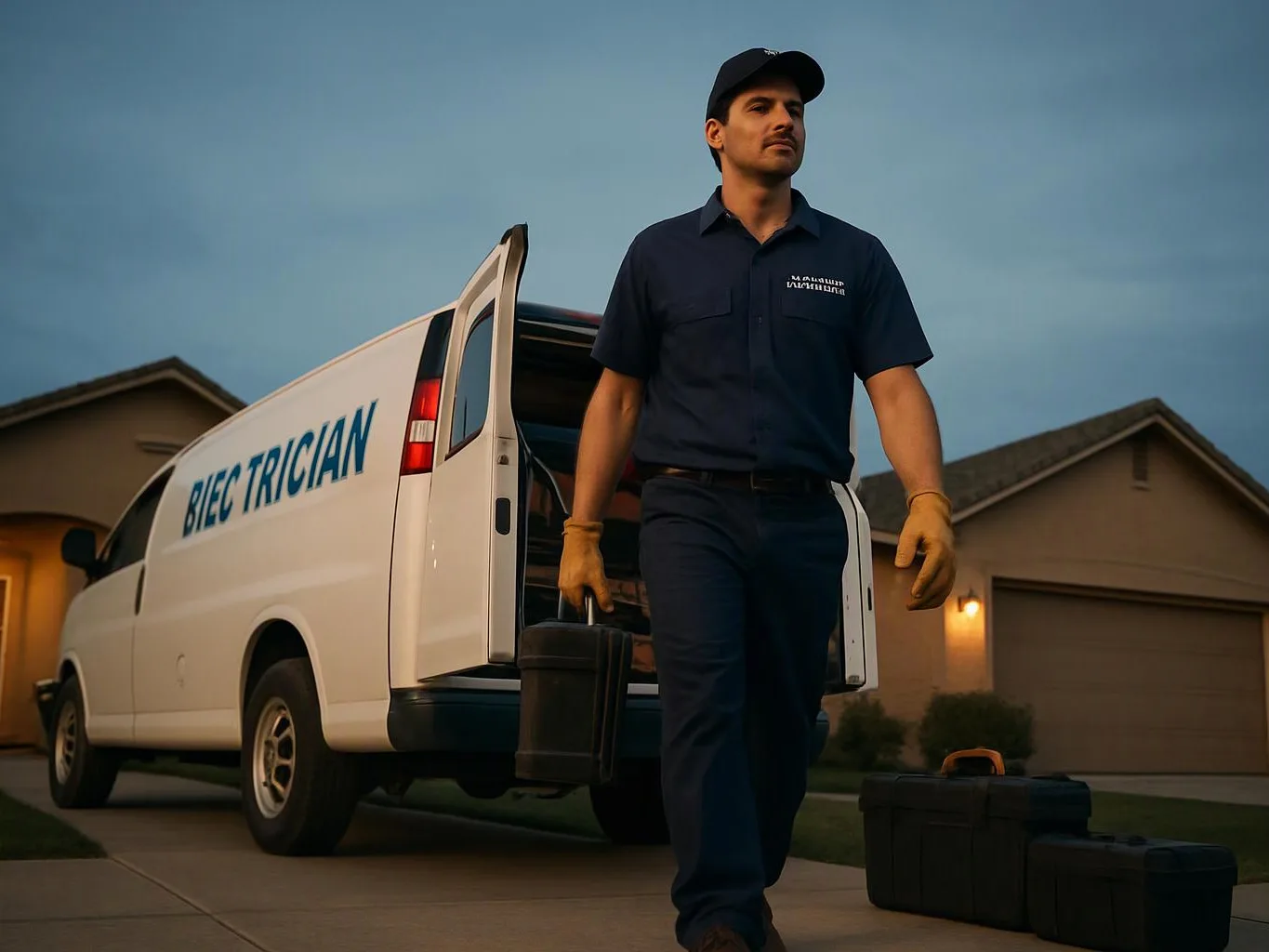
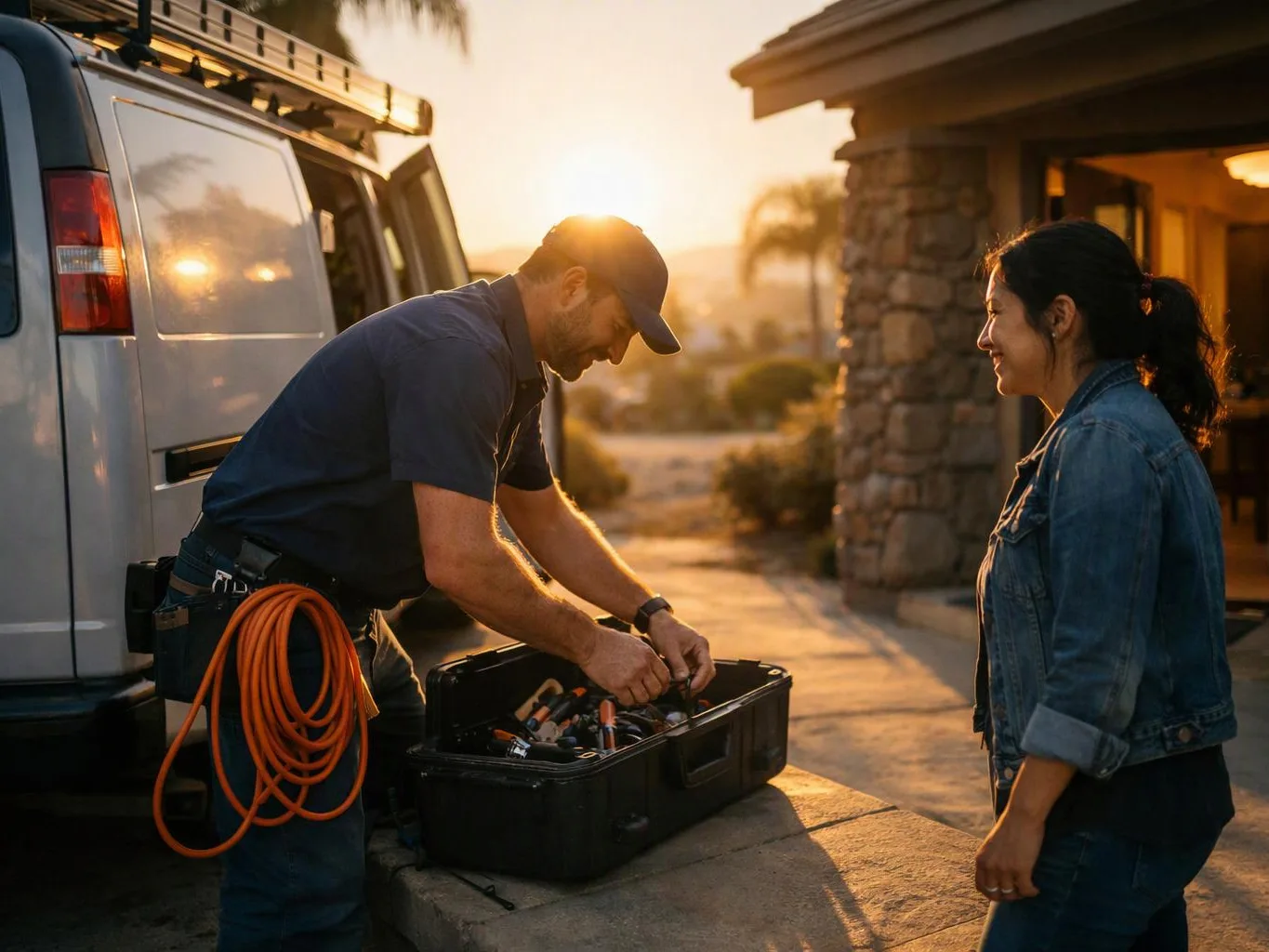
The work moves from a safety check to diagnosis, repair, and a final test. We gather the symptoms and property details first. Next, we inspect the affected circuit and isolate unsafe power. We repair or replace supported parts, then test the circuit and explain any follow-up work.