How is underground electrical wiring protected?
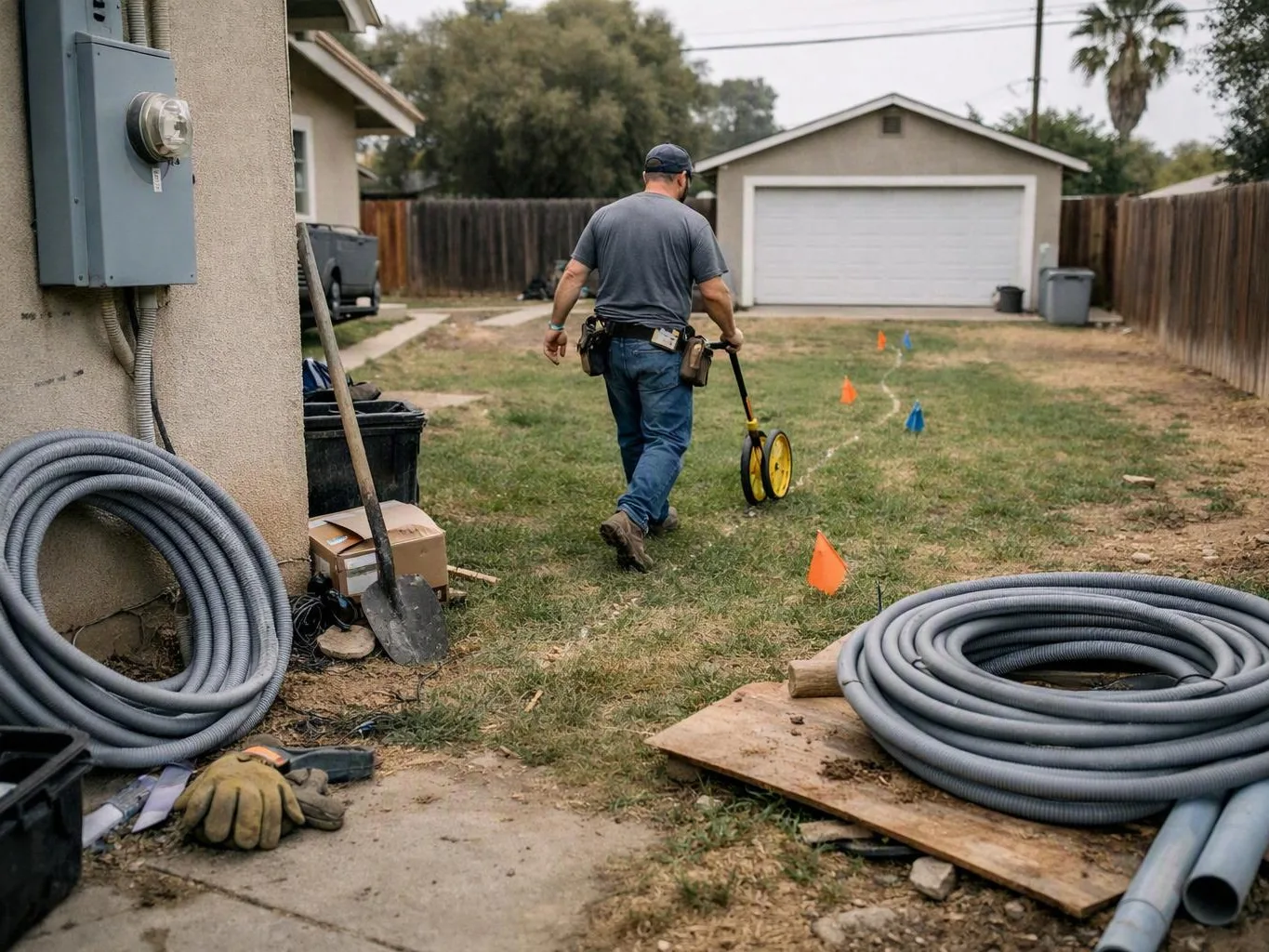
Burial depth, conduit sealing, cable protection, tracer wire, and backfill material protect underground electrical wiring. Center Electric Service checks the route and each transition before the installation is closed. The wiring method also matters because different cable and conduit setups need different protection. We test the completed run and confirm the connection before regular use.
Which part of the property decides the installation scope?
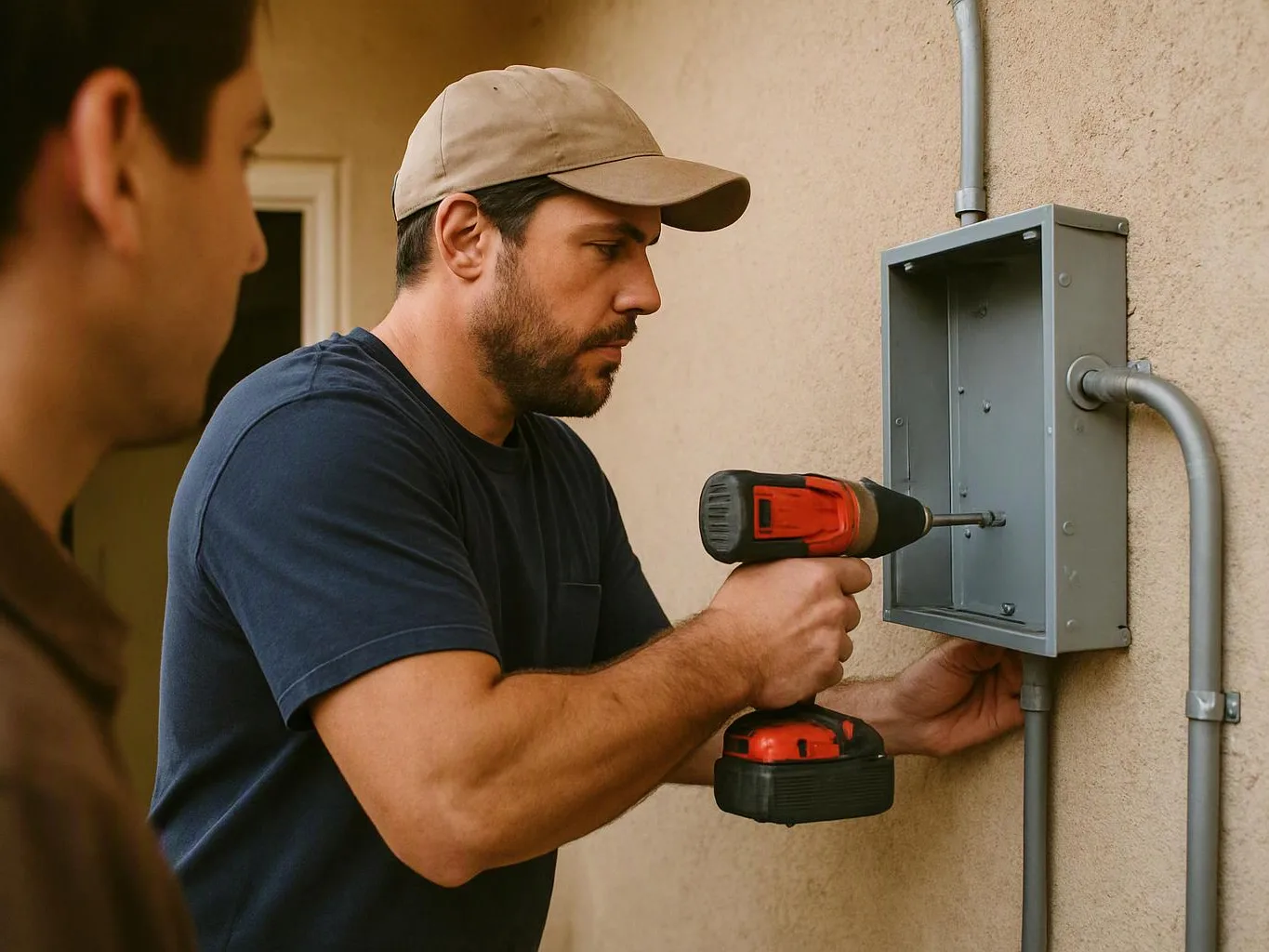
The power source, destination, route, access, and planned load decide the installation scope. Customers should identify the panel and the equipment that will receive power. Our team then checks bends, entry points, existing electrical systems, and the surface along the route. These details shape the materials, connection work, and estimate.
Which material changes the work time for a buried power run?
The selected conduit or underground cable changes the work plan and installation time. Conduit can require more fitting and sealing at bends and entries, while rated cable follows a different protection method. We choose the material after reviewing the circuit, route, access, and destination. Customers receive the material choice as part of the estimate.
How does an underground electrical installation visit move from the first call to the last step?
The visit moves from route review to wiring placement, connection, testing, and final ground restoration. We first inspect the panel, destination, access, and circuit purpose. Customers then receive the planned scope and estimate. Our team installs the protected run, checks the connection, and closes the route after testing.
What should customers prepare before requesting a quote?
Customers should identify the power source, destination, planned equipment, and any access limits. Photos of the panel and destination can help explain the request. Our team still checks the property and route before setting the scope. The estimate also considers connection work, protection, access, and the circuit's intended use.
When is a new buried circuit better suited than circuit tracing?
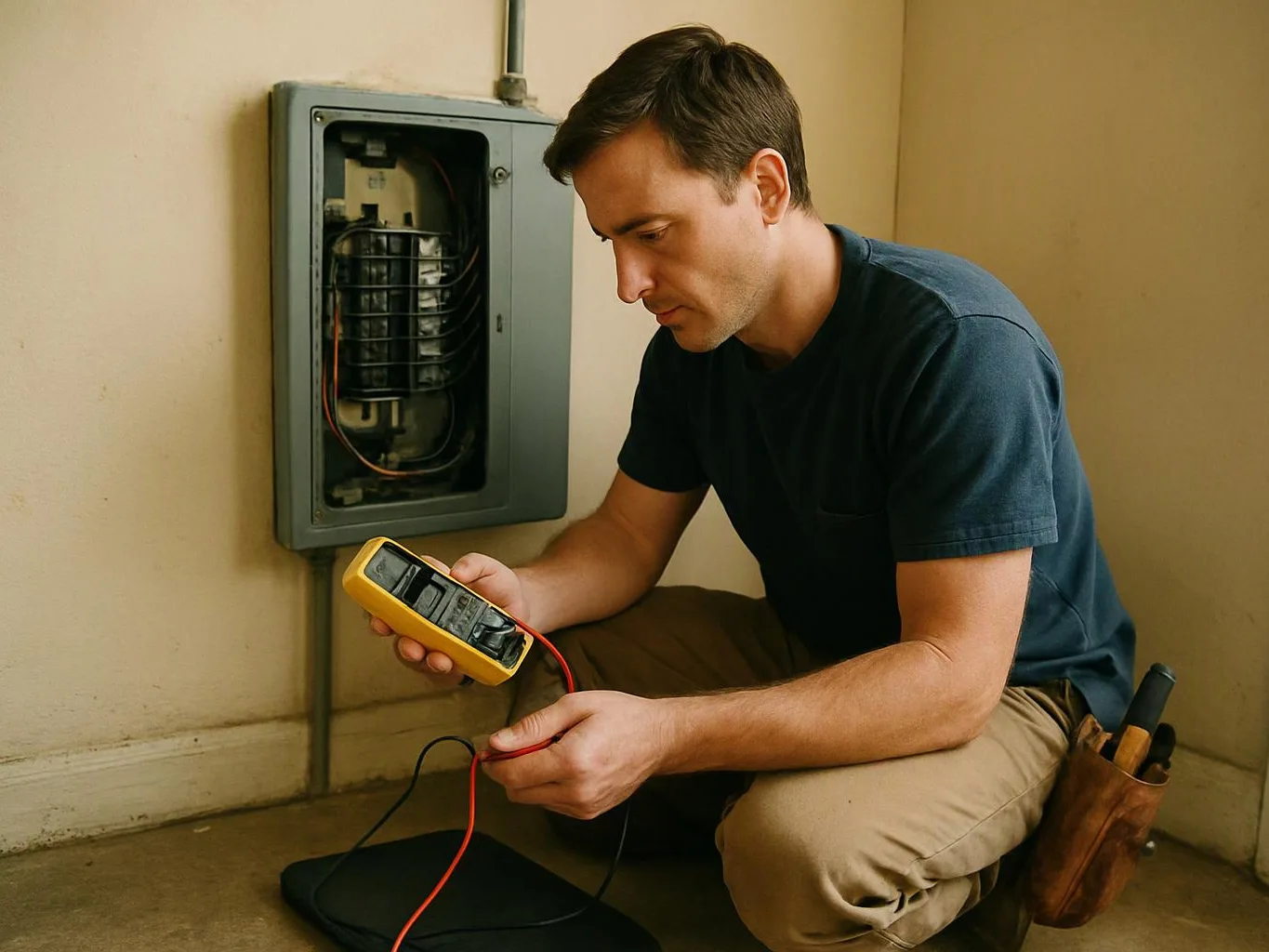
A new buried circuit suits a planned power need at a separate location. Circuit tracing suits an existing circuit with an unknown path, fault, or repeated failure. We review the symptom or project goal first. Customers with flickering lights, dead outlets, or a breaker that keeps tripping need diagnosis before adding a new run.