Skip to content

Underground Electrical Installation in Pomona, California

We install underground power systems for homes, businesses, remodels, and new construction in Pomona. Our work keeps conduit, cable, access points, and grounding aligned with the property’s needs.

How We Serve Clients in Pomona

Underground Electrical Installation in Pomona is provided by Center Electric Service for residential and commercial properties. The work covers buried conduit or direct burial cable, pull boxes, warning tape, and grounding for new construction, remodels, and electrical improvements.

  • What we do: Center Electric Service installs underground electrical systems for homes and businesses in Pomona, California.
  • What is included: Key capabilities include route planning, conduit systems, direct burial cable, pull boxes, warning tape, and grounding electrodes.
  • What you get: The property receives a planned underground power route with accessible connections and verified grounding.

Why does underground electrical installation need pull boxes?

Pull boxes provide access where underground conductors change direction, split into branches, or need service access. Their size and placement depend on the route, cable arrangement, and property layout. We review those points before installation so the system remains accessible for future testing or repair.
Underground Electrical Installation for Pomona Properties

Underground electrical installation gives a property a planned route for power between the service point, building, equipment, or outdoor structure. Customers choose it for new construction, remodels, detached structures, outdoor lighting, and other changes that need buried electrical access.

The buyer's main decision is the route and material choice. We review whether the job calls for conduit systems or direct burial cable, then account for bends, access points, grounding electrodes, and the space available for excavation.

This page focuses on the buried portion of the work. It does not replace panel upgrades, circuit tracing, or indoor troubleshooting when those services are the actual need.

  • Confirm the power source and destination before setting the underground route.
  • Choose conduit or direct burial cable based on the job design and installation conditions.
  • Plan access points where conductors may need testing, branching, or service.
  • Include warning tape and grounding work in the installation scope.
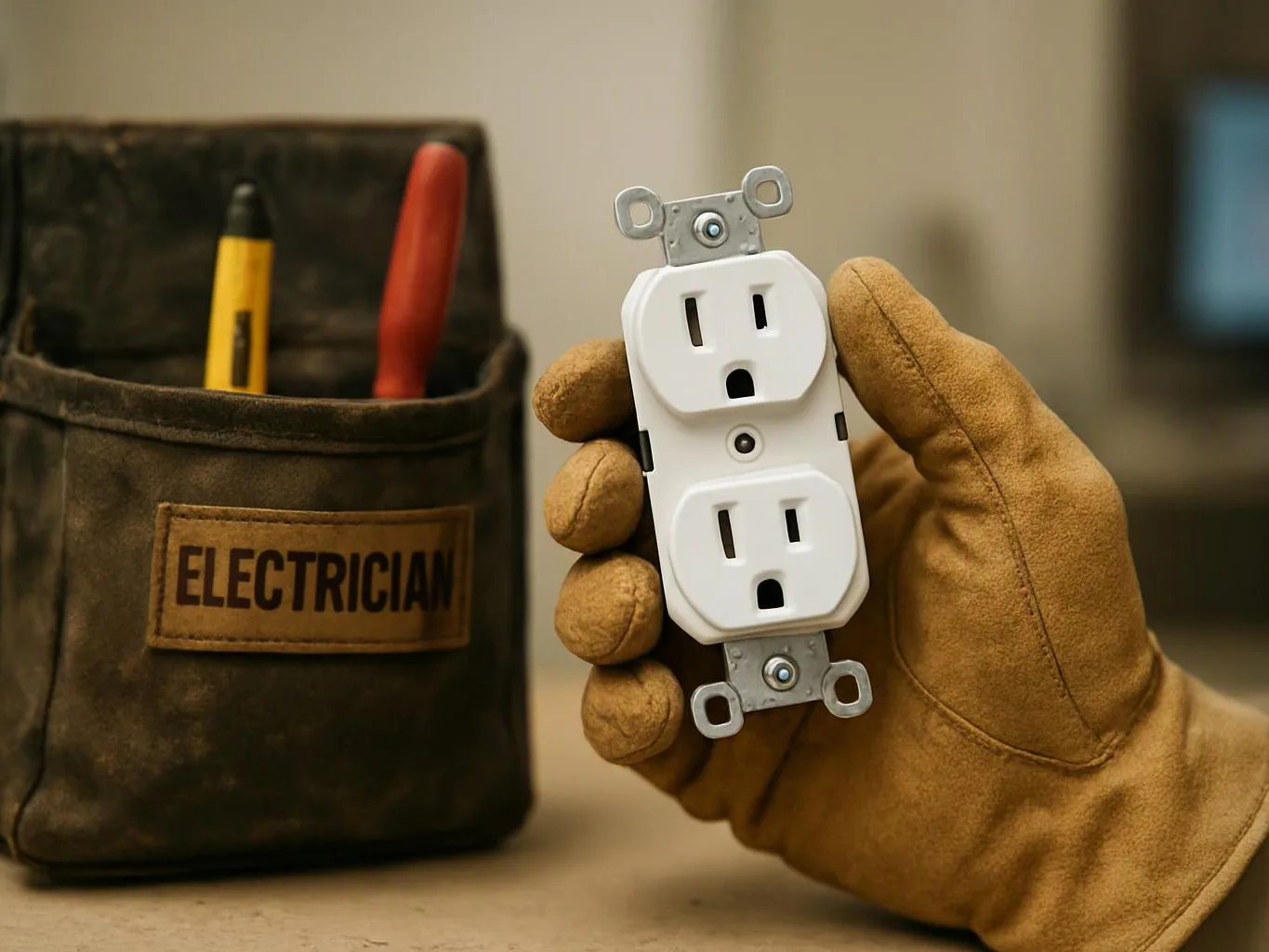
A gloved hand holds a duplex electrical outlet beside a tool pouch labeled electrician

Service Overview

Underground electrical installation is a buried power system that carries electricity through conduit or approved direct burial cable.

  • This work differs from overhead wiring because the route, trench, access points, warning tape, and grounding must be planned below grade.
  • We provide this underground electrical work for homes, businesses, remodels, and new construction in Pomona.

What This Installation Changes for Your Property

Buried wiring keeps the power route out of open overhead space and away from routine surface activity.

Planned access points make future circuit checks and service work easier.

Warning tape gives later excavation work a visible indication of the buried electrical route.

A clear material plan helps the property owner decide between conduit and direct burial cable.

Grounding work supports safe operation when the installation adds power to a new area.

What the Buried Electrical Work Includes

Center Electric Service provides comprehensive Underground Electrical Installation in Pomona. Here's what you get:

  • We plan the underground route between the electrical source and the equipment or structure receiving power.
  • We install conduit systems or direct burial cable suited to the approved work scope.
  • We place pull boxes where the route needs access for changes, branches, or future service.
  • We use warning tape above buried electrical runs to mark the route for later excavation.
  • We connect grounding electrodes where the installation requires grounding at the property.
  • We test connections and review the completed installation before the work is closed out.
Process

Steps for Planning and Installing Buried Power

1

Review the source and destination

We identify where power starts, where it ends, and what the new circuit or equipment requires.

2

Map the underground route

The route is planned around bends, branches, access points, and the space available for excavation.

3

Select conduit or cable

We choose conduit systems or direct burial cable based on the planned installation and property needs.

4

Set access and warning points

Pull boxes and warning tape are placed where the route needs future access or visible underground marking.

5

Complete grounding and checks

We connect grounding electrodes where required, test the installation, and review the completed work.

How We Approach Buried Power Routes

Route and access planning

Customers get a route review that accounts for the source, destination, bends, branches, and access points. This service is the right fit when power must travel below grade, but it is not the right job for an indoor-only outlet repair.

Material choice before excavation

Conduit systems and direct burial cable serve different installation needs. We explain the selected material and its place in the work scope before the job starts.

Grounding included in the plan

Grounding electrodes are considered with the underground route, not left as an afterthought. Customers receive a plan that connects the buried work to the property's electrical safety needs.

Conduit Systems and Direct Burial Cable

These two material choices serve different underground installation needs.

Material choiceWhat it doesWhen we review it
Conduit systemsEncloses and protects conductors along the buried route.We review it when the route, access, bends, or future service call for protected conductors.
Direct burial cableCarries power below grade when the cable is approved for direct burial.We review it when the route and property conditions fit buried cable placement.

The Center Electric Service Standard

  • System Assessment
  • Fault Identification
  • Component Care
  • Orderly Workmanship

Questions About Buried Electrical Work

What materials are used for underground electrical installation?

Pull boxes, conduit systems, direct burial cable, warning tape, and grounding electrodes are common materials for this work.

We select the combination that fits the route, source, destination, access needs, and property use. The material choice forms part of the quote, so customers know what the installation includes before work begins.

How is the buried route matched to the property before work starts?

The underground route is matched to the power source, destination, bends, branches, access points, and equipment load.

We review the property layout and the planned use before selecting conduit or direct burial cable. Customers should identify the equipment or structure receiving power because that choice affects the route and connection plan.

What should be ready before underground electrical work starts?

Access to the electrical source, destination area, and planned route should be ready before installation starts.

  • Identify the equipment or structure receiving power.
  • Keep the route available for review.
  • Share known plans for lighting, outlets, or equipment.

These details help us set a clear scope and quote.

Which part of the job changes the estimate most?

The route and excavation conditions often have the greatest effect on an underground electrical estimate.

Material choice, cable length, bends, pull boxes, grounding electrodes, connection points, and surface access also shape the scope. We review those details before giving a free estimate, and we explain what the quote covers.

When is direct burial cable a suitable choice?

Direct burial cable suits an underground route when the cable type and property conditions support approved buried placement.

We compare that option with a conduit system during planning. The choice depends on the route, future access needs, equipment connection, and the work scope, not on the material name alone.

Why are warning tape and grounding important?

Warning tape marks the buried electrical path, while grounding electrodes connect the installation to the property's grounding system.

We include both where the planned work requires them. Warning tape helps identify the route during later digging, and grounding supports safe operation of the new electrical run.

What should a customer ask before agreeing to this work?

Customers should ask which route, materials, access points, grounding work, and connections the estimate includes.

  • Ask whether the plan uses conduit or direct burial cable.
  • Ask where pull boxes and warning tape will go.
  • Ask how the completed installation will be checked.

These questions keep the scope clear before excavation begins.

Contact

Request a Free Estimate for Underground Electrical Installation

Ask Center Electric Service to review your buried power route in Pomona. We'll explain the conduit, cable, access, warning tape, and grounding needs before quoting the work.

A white light switch sits on a brushed metal plate against a beige wall

ZIP Codes We Serve in Pomona, California

91766917679176891769

Underground Electrical Installation in Other Areas

(951) 577-3540