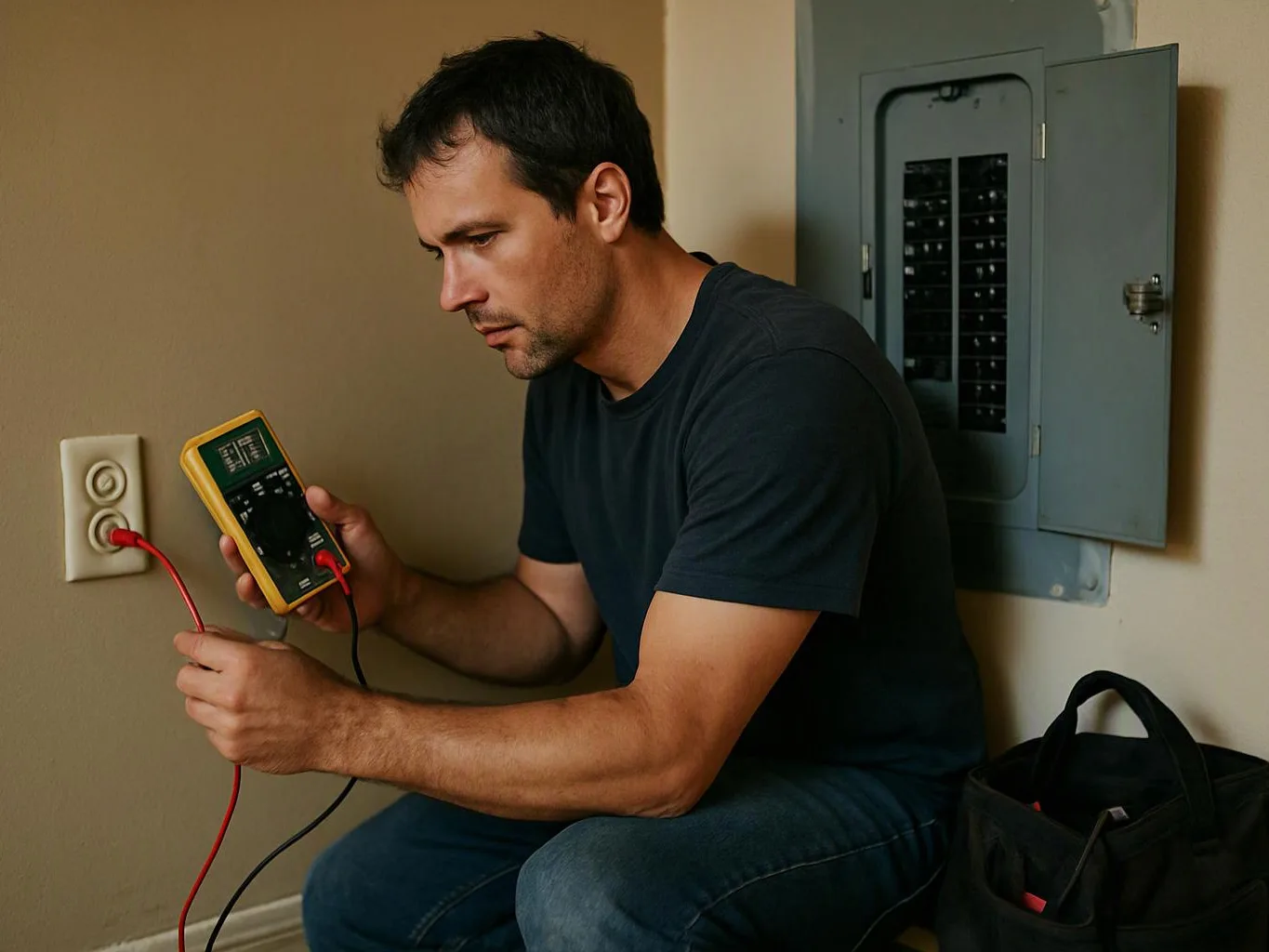
Tripped Circuit Breaker Mistakes to Avoid
Tripped circuit breaker mistakes include repeated resets and ignoring heat or burning smells. Keep clear of damaged equipment and call Center Electric Service when a breaker trips again or shows danger signs.
Get a Free EstimateWhat should you avoid when a breaker trips?
A tripped circuit breaker calls for caution, not repeated resets or work inside the panel. The table shows common mistakes and safer choices.
| Mistake | Warning or risk | Safer next action |
|---|---|---|
| Resetting a breaker that keeps tripping | A fault may still be present. | Stop resetting it and call us. |
| Ignoring heat, smoke, or a burning smell | These can be signs of fire. | Keep clear. For smoke or fire, leave and call the fire department. |
| Touching a wet or damaged panel | Electrical shock is possible. | Stay clear and call us. |
| Assuming the circuit is overloaded | Another fault may be the cause. | Ask us to find the cause. |
| Using a faulty appliance | It may cause shock or fire. | Stop using it. Unplug it only if safe. |
| Opening the panel | Live parts can cause shock. | Leave the cover in place and call us. |
| Replacing or upsizing a breaker yourself | The wrong breaker may not protect the wiring. | Ask us to assess the breaker and circuit. |
Tripped circuit breaker mistakes and safer choices
A circuit breaker is a safety device that shuts off power when it detects certain faults. A breaker that has tripped can cause a power outage, but restoring power doesn't always fix the cause.
Resetting a breaker that keeps tripping
Repeated resets may seem like a quick way to restore power, but a breaker that keeps tripping may point to a fault that hasn't been fixed. Further damage could make repairs more costly. Stop resetting the breaker and call us to check the circuit.
Ignoring heat, smoke, or a burning smell
Heat, smoke, or a burning smell at the electrical panel can warn of a fire. You may hope the smell will go away, but delay can lead to greater damage. Keep clear of the panel and call us about heat or a burnt smell. If there's smoke or fire, leave the home and call the fire department.
Touching a wet or damaged panel
A wet or damaged panel can cause electrical shock. Water near the panel may seem harmless, but touching the equipment can be dangerous. Shock or further damage can lead to serious harm and added costs. Stay clear and call us to assess the panel.
Assuming an overloaded circuit is always the cause
An overloaded circuit has more demand than it can safely handle. Too many devices can cause an overload, but damaged wiring can also cause a trip. A short circuit is an unsafe path for current, while a ground fault sends current along an unintended path to ground. Guessing can leave damage in place and make repairs more costly, so we check for the cause.
Keeping a faulty appliance in use
A faulty appliance can trip a breaker and create a shock or fire risk. It may be tempting to keep using it after power returns. That can damage the appliance or circuit and add to repair costs. Stop using a damaged appliance, unplug it only if safe, and call us to check the circuit.
Opening the electrical panel to look for damage
Opening the panel can expose live electrical parts. You may want to look for damage, but contact can cause a serious shock. It can also make the damage more costly to fix. Leave the cover in place and ask us to inspect the panel.
Replacing a breaker or choosing a larger one yourself
A larger breaker may seem like a fix for repeated trips. The wrong breaker may not fit the panel or protect the wires, which can lead to fire and greater repair costs. We assess breaker fit and wire protection before deciding on repair or circuit breaker replacement.
When should you call us about a tripped breaker?
Call us when a breaker trips again or the panel shows signs of danger. If there's smoke or fire, leave the home and call the fire department.
What do we check after a breaker trips?
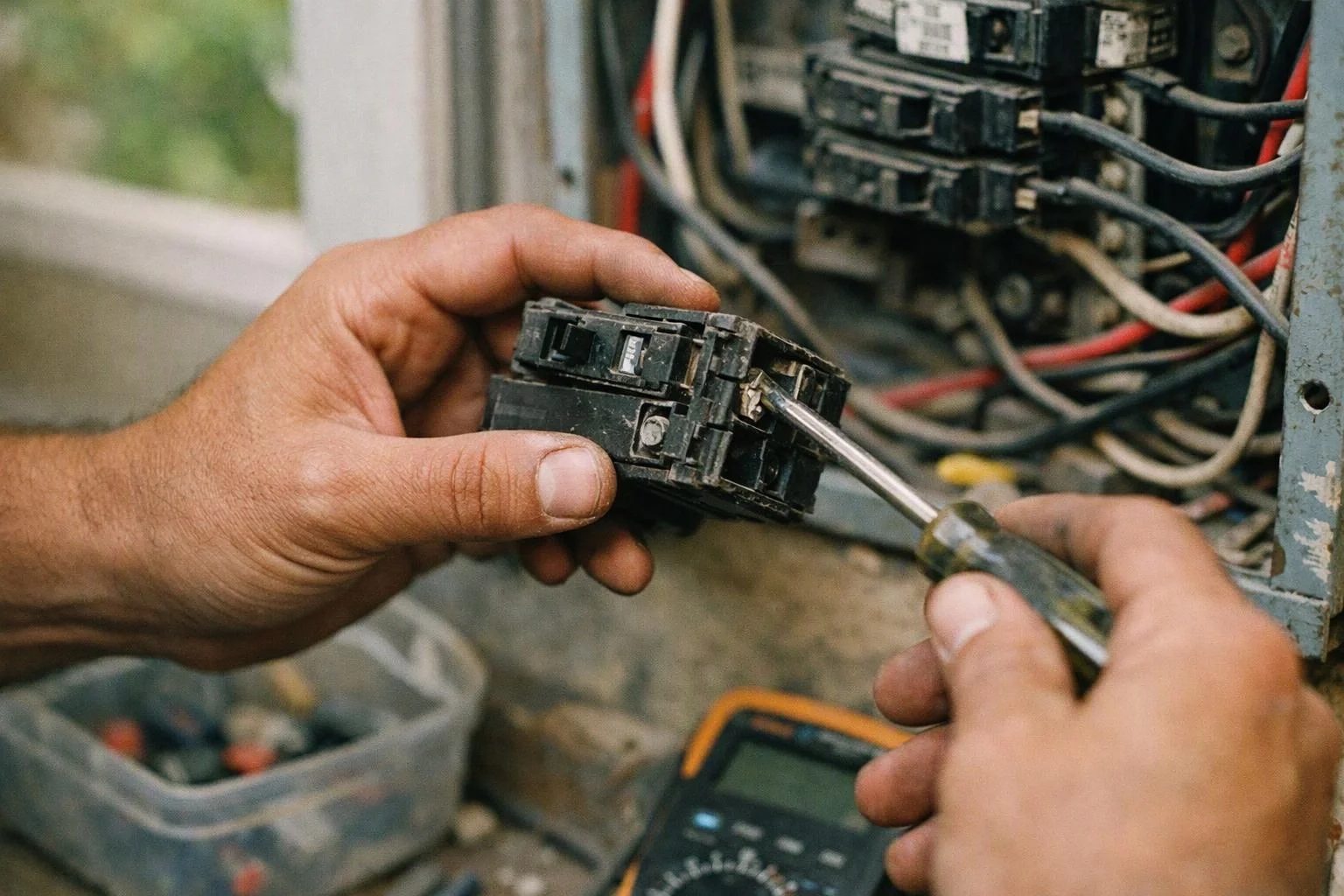
We check the circuit and panel for the cause of the trip. We use what we find to decide whether repair or replacement is needed.
Our electrical troubleshooting checks the circuit load, or demand for power. We also look for equipment faults and panel damage. A ground fault circuit interrupter breaker can trip when it detects current going along an unsafe path, so we check what caused the trip.
Our Circuit Breaker Repair assessment considers the panel, wiring, and breaker fit. We follow the electrical code that applies to the work and check whether an inspection is needed.
What changes the price of fixing a tripped breaker?
The cause of the trip and the work needed affect the price. Ask us for an estimate that explains the work and parts.
A fix may cost more if we find damaged wiring or panel parts. The parts and work needed depend on what we find. Free Estimates Available.
Contact Center Electric Service to request an estimate for your breaker. We'll explain what our estimate covers.
Get a Free EstimateWhat Are the Key Specifications to Know?
- Topic Focus
- Tripped Circuit Breaker Mistakes to Avoid
- Related Core Service
- Circuit Breaker Repair
- Evaluation Method
- On-Site Inspection & Written Scope
- Compliance Standard
- Local Building Code & Manufacturer Specs
Related Resources
Emergency Electrician Companies Worth Comparing: Center Electric Service vs Alternatives
Who It's ForElectrical Safety Inspection for Landlords
Compared ToEmergency Electrician vs. Regular Electrician: When Can a Repair Wait?
What It CostsEmergency Electrician Cost Factors: After-Hours Calls and Repairs