Electrical Safety Inspection for Landlords
Electrical safety inspection for landlords is a structured review of a rental property's electrical systems, visible equipment, and safety risks. Center Electric Service checks the property, explains needed electrical code corrections, and provides a clear path to address identified issues.
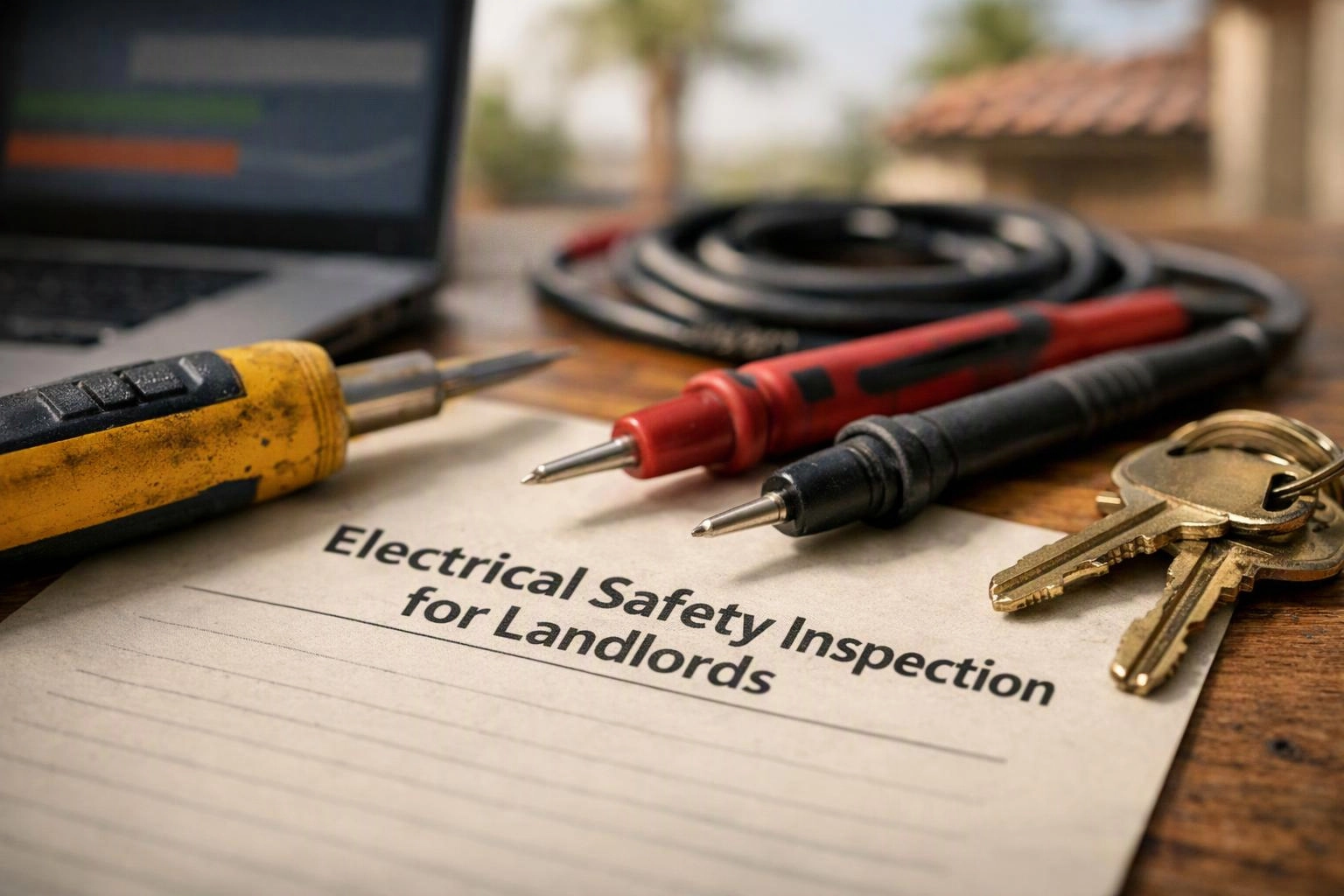
Why Landlords Need Electrical Safety Inspections
Electrical safety inspections help landlords identify conditions that can affect tenant safety, property operations, and maintenance planning. A rental property electrical inspection also gives our team a clear basis for explaining repairs and documenting inspection findings.
What an Electrical Safety Inspection Covers
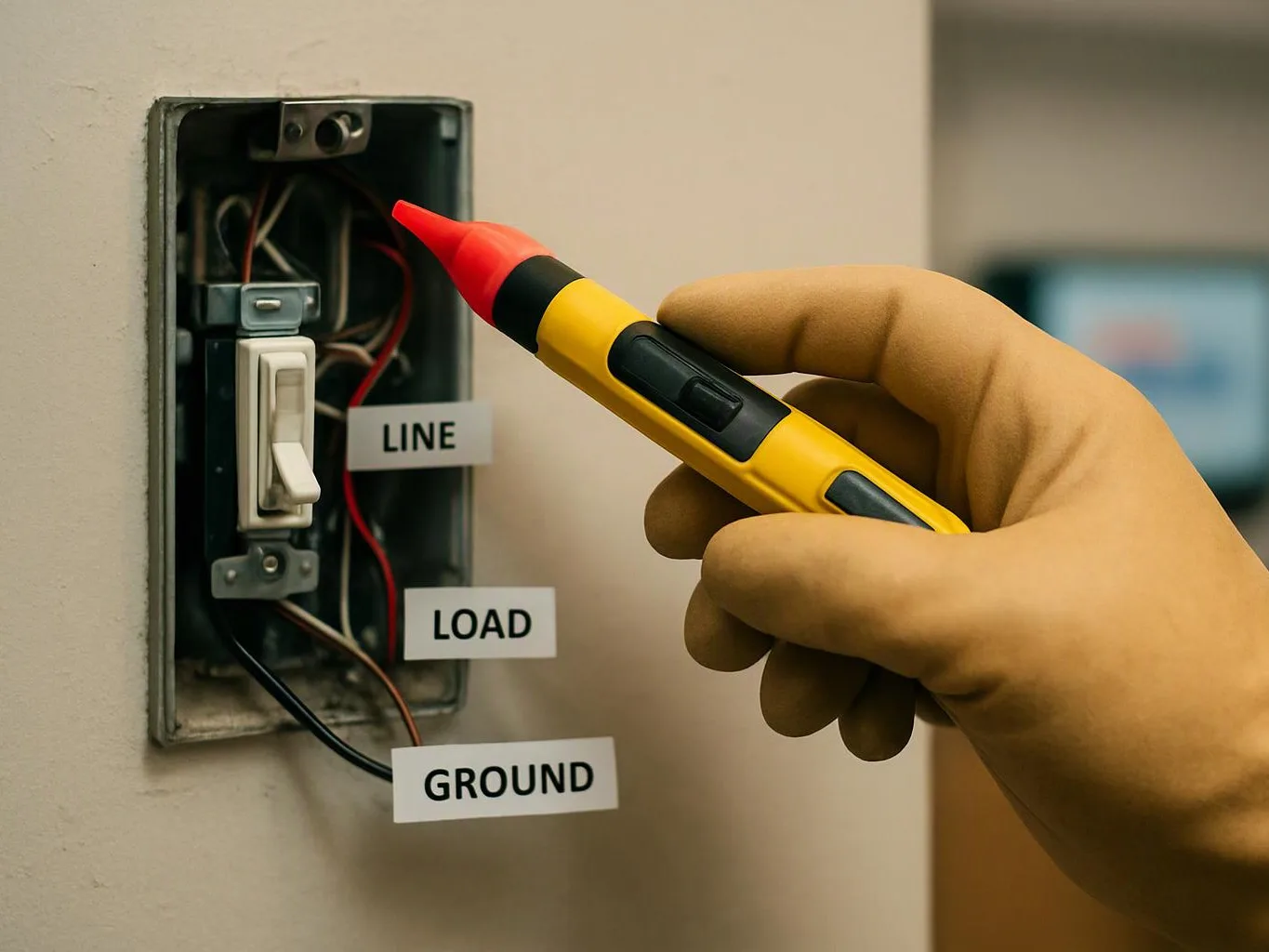
An electrical safety inspection covers accessible electrical components and conditions that can create hazards or require correction. We review the electrical service, electrical panel, branch circuits, receptacles, switches, lighting, grounding, bonding, wiring, and visible electrical equipment.
Our team connects visible conditions with the property's reported concerns. We can also explain when electrical troubleshooting or electrical code correction is needed to address a problem safely.
Electrical Panels and Protective Devices
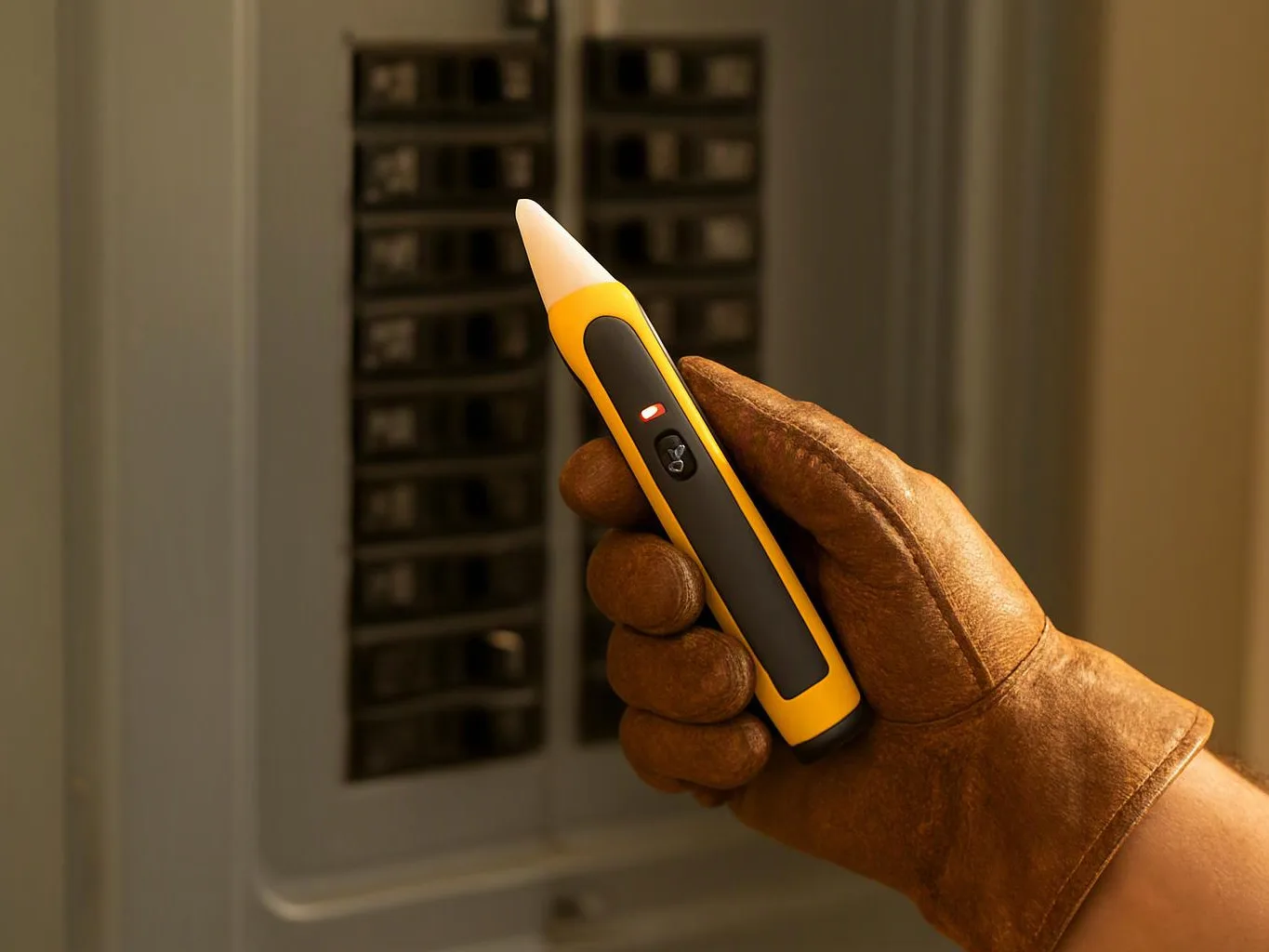
An electrical panel distributes power through the property, while circuit breakers and fuses provide overcurrent protection for connected circuits. We review protective devices, panel labeling, signs of damage, and working clearances around the panel.
Panel conditions can point to a circuit overload, poor maintenance, or an electrical hazard that needs further review. We document what we can access and explain the recommended correction.
Outlets, Switches, Lighting, and Visible Wiring
Receptacles, switches, light fixtures, and visible wiring can show signs of wear, damage, improper modification, or missing grounding. We look for damaged electrical components and conditions that may affect safe use.
Grounding and bonding help connect electrical systems to a safe path for fault current. Our crew records accessible concerns and explains whether repair, testing, or additional electrical troubleshooting is appropriate.
How Landlord Inspections Differ From Other Electrical Visits
A landlord inspection focuses on property-wide safety documentation and maintenance decisions, while other electrical visits usually address a single concern or occupant request. The inspection scope changes based on who is responsible for the property and what decisions the findings need to support.
Our team uses the property history, tenant reports, and accessible conditions to shape the review. The table below shows how the purpose of the visit can differ.
| What is being compared | Landlords | Other customers |
|---|---|---|
| Primary goal | Review rental property conditions and plan maintenance | Resolve a specific concern or electrical need |
| Property coverage | Multiple accessible systems and areas | The area connected to the reported issue |
| Information source | Tenant reports, maintenance records, and property history | The occupant's description and observed symptoms |
| Main outcome | Inspection findings and repair priorities | Troubleshooting results or a defined repair need |
| Code decisions | Plan electrical code correction across the property | Address code concerns connected to the work requested |
Features That Matter to Landlords
Landlords need inspection information that supports safe decisions and organized property maintenance. We focus on clear findings that can be shared with the people responsible for repairs and tenant communication.
Common Electrical Challenges in Rental Properties
Rental properties can develop electrical concerns through age, repeated use, renovations, or changes made without a complete system review. Our team traces reported concerns to accessible conditions and explains what requires correction.
What Happens During a Landlord Electrical Inspection
A landlord electrical inspection starts with the property's concerns, continues through accessible electrical components, and ends with documented findings and recommended next steps. We keep the process focused on tenant safety, property records, and practical repair decisions.
Discuss the Property and Its Electrical Concerns
Property history, tenant reports, recurring electrical problems, renovations, and planned maintenance help define the inspection's starting point. We use that information to focus our review on concerns that affect the rental property.
Review Accessible Electrical Components
Accessible electrical components include the electrical panel, circuits, receptacles, switches, lighting, and visible wiring. Our crew reviews these areas for visible damage, unsafe conditions, and signs that further electrical troubleshooting is needed.
Explain Findings and Plan Corrections
An inspection report explains electrical hazards, repair priorities, electrical code correction needs, and recommended next steps. We connect the findings to the property's maintenance plan so landlords can organize repairs and communicate clearly with tenants.
What Changes the Cost of a Landlord Electrical Inspection
The cost of a landlord electrical inspection depends on the property's inspection scope, accessibility, electrical condition, and whether troubleshooting or code correction is needed. Property size, the number of electrical systems, existing hazards, and repair complexity also affect the work involved.
Center Electric Service provides Free Estimates Available so landlords can request an exact quote for the planned work. We explain what the estimate includes, such as inspection coverage, troubleshooting needs, correction planning, and any repair complexity identified during the review.
How Landlords Should Prepare for an Inspection
Landlords can prepare by gathering tenant-reported concerns, making electrical panels accessible, and sharing relevant maintenance or renovation information. Good preparation helps our team connect current symptoms with the property's history.
Collect maintenance records, known repair details, renovation records, and notes about recurring electrical problems. Arrange property access for the areas included in the inspection and tell us about conditions that may affect safe entry.
When an Inspection Should Lead to Electrical Code Correction
An inspection should lead to electrical code correction when accessible conditions create a safety concern or do not meet the applicable electrical requirements for the property. Unsafe wiring, inadequate overcurrent protection, grounding or bonding concerns, and damaged equipment can all require a correction plan.
We explain the condition, its safety relevance, and the work needed to address it. Our team also separates urgent hazards from other repair priorities so landlords can make informed property maintenance decisions.
For a property review focused on rental systems and safety risks, contact Center Electric Service through our Electrical Safety Inspection service.
Questions About Landlord Electrical Safety Inspections
What records should a landlord keep after an electrical safety inspection?
Center Electric Service recommends keeping the inspection report, documented hazards, repair priorities, correction details, and related maintenance records. Landlords can use these records to track property conditions, communicate with tenants, and plan future work.
Can an electrical inspection identify problems reported by tenants?
Yes, an electrical inspection can identify visible conditions connected to tenant-reported electrical problems. Our team also uses electrical troubleshooting when a reported symptom needs more investigation than a visual review provides.
Should a landlord inspect electrical systems before a new tenant moves in?
Yes, an inspection before a new tenant moves in can help document accessible electrical conditions and identify hazards that need attention. The review also gives landlords a clearer starting point for property maintenance and tenant safety planning.
What should landlords do when an inspection finds an electrical hazard?
Landlords should address the electrical hazard through a documented correction plan and limit use of affected equipment when needed for safety. We explain the repair priority, troubleshooting needs, and electrical code correction required for the property.
Request a clear review of your rental property's electrical systems, safety hazards, and correction needs from Center Electric Service.
Get a Free EstimateRelated Resources
Signs You Need Electrical Panel Repair
When You Need ItWhen to Replace a Circuit Breaker: Warning Signs of Failure
How It WorksElectrical Troubleshooting Process: How Electricians Find and Fix Electrical Problems
How It WorksElectrical Panel Upgrade Process: Steps, Inspection Points, and What to Expect