Review the EV and backup goal
We confirm the EV setup and list the home or business circuits that need backup power.
We connect an EV battery to selected home circuits for backup power. Our licensed, insured electricians plan the wiring and safety checks.
Selected circuits can stay powered from the EV battery during an outage.
A planned load list helps prevent spending on backup equipment that serves unused circuits.
Two-way charging joins EV use and home backup in one electrical plan.
Bidirectional EV backup-power installation is an electrical service that lets an EV battery send power to selected building circuits.
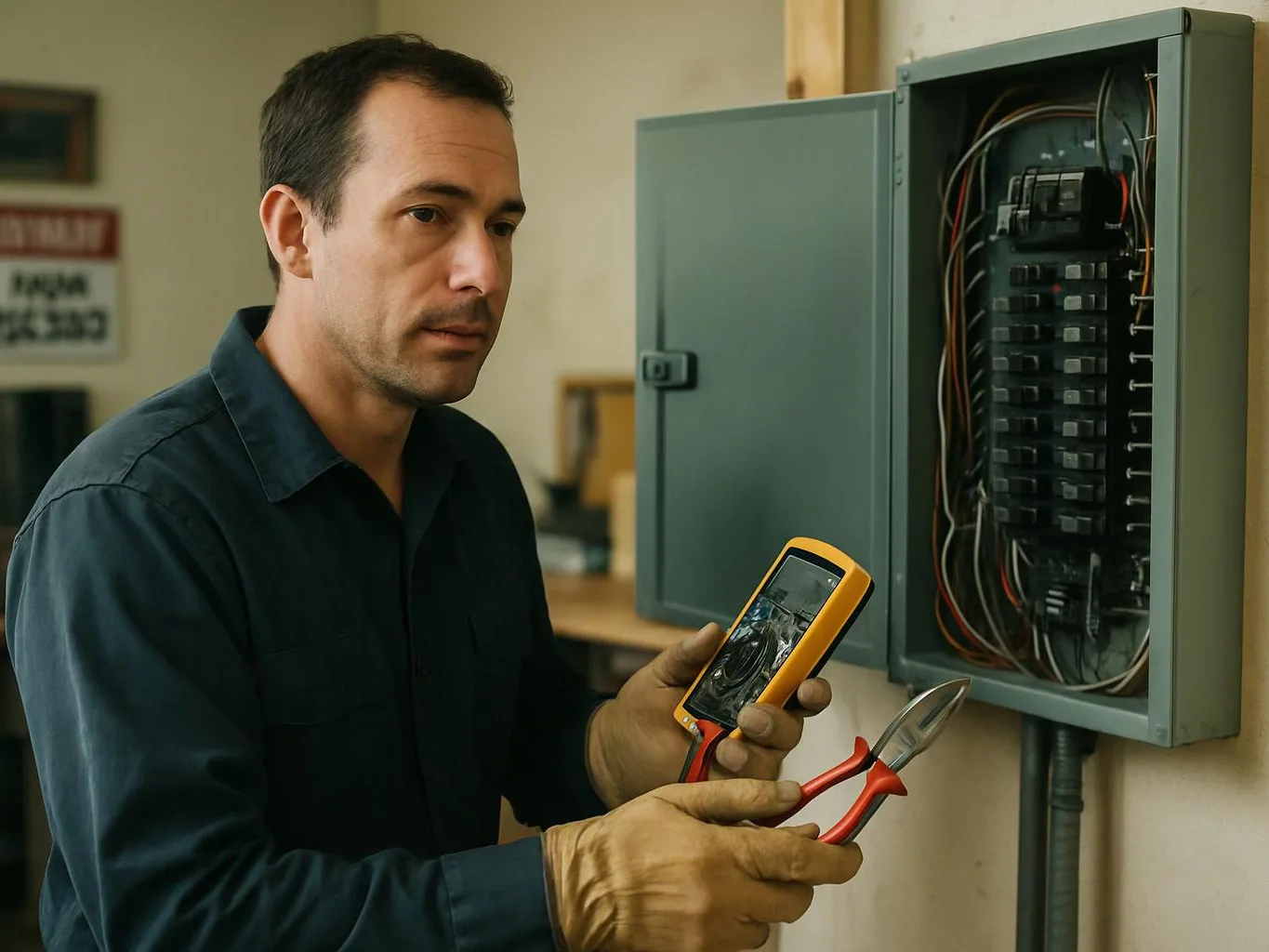
Bidirectional charging moves energy in two directions. Power flows from the electrical system to the EV, then from the EV to selected building circuits when backup power is needed. The work starts with the panel and the loads you want to protect. We look at the service equipment, circuit layout, grounding, and control path. We also check whether the proposed EV and charging equipment fit the planned use. The biggest cost trade-off is backup scope. A few essential circuits need less equipment and less wiring than a full-panel plan. Extra panel work, long cable runs, control gear, and changes to the service can raise the project cost. We recommend spending first on correct load planning and safe isolation. Skipping those checks can waste money on equipment that cannot support the needed circuits.
We confirm the EV setup and list the home or business circuits that need backup power.
We inspect the panel, breakers, wiring, grounding, and available connection points for the planned system.
We map the wiring between the EV equipment, panel, controls, and selected backup circuits.
We complete the electrical installation, connect the planned circuits, and keep utility and backup paths separate.
We test the transfer, circuit response, grounding, and system controls before explaining the finished setup.
These details help us assess the planned backup system before work begins.
We diagnose the EV, panel, wiring, and backup load before recommending bidirectional power work.
We inspect transfer controls, grounding, circuit connections, and backup separation for safety and code compliance.
We install and troubleshoot the electrical path between compatible EV equipment, panels, controls, and selected circuits.
Tell us about your EV, panel, and backup circuits, and urgent requests get priority scheduling.
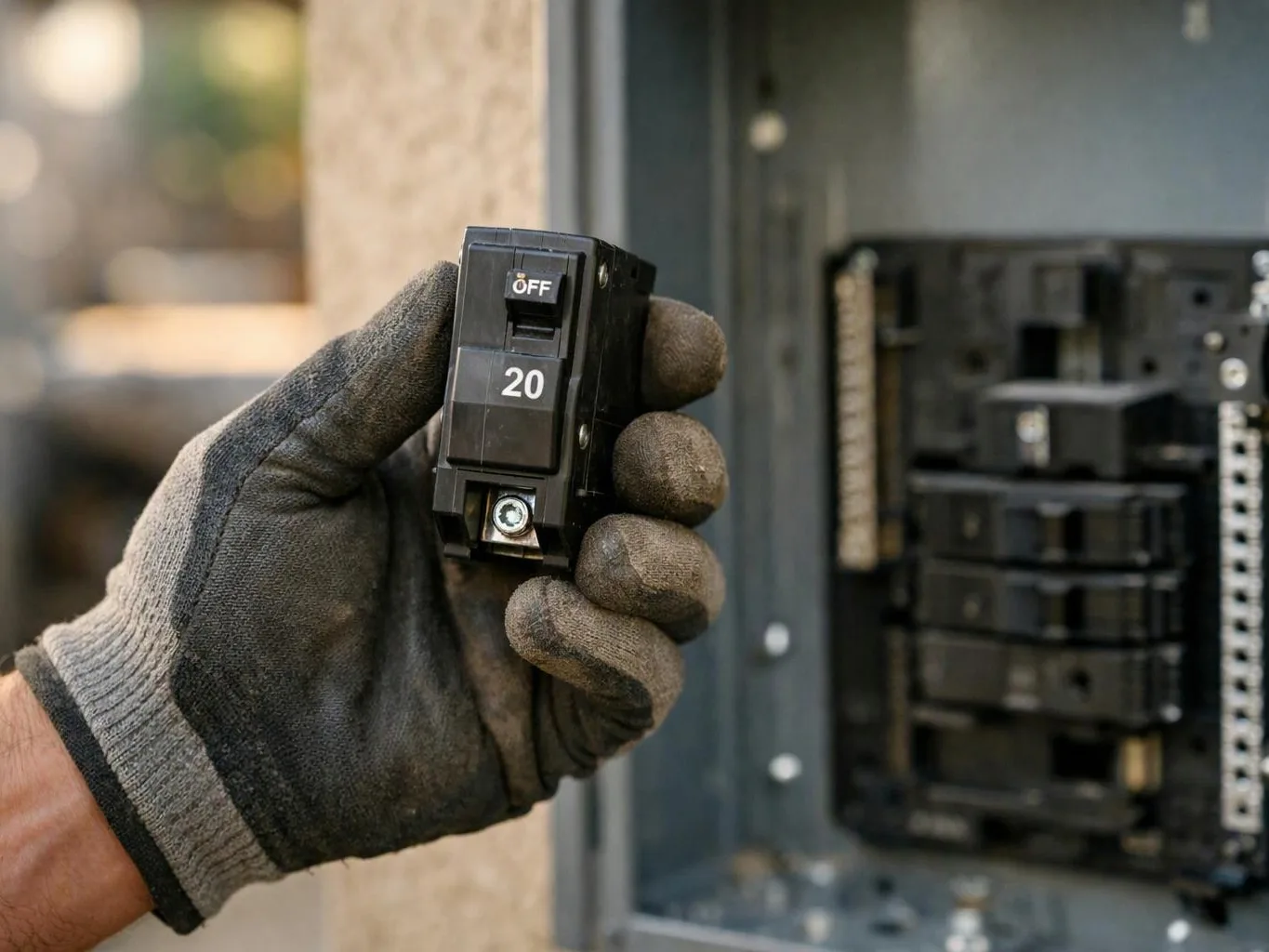
A Riverside homeowner planning for outages needs bidirectional EV backup power sized and connected safely. The installation depends on the EV, charger, electrical panel, transfer equipment, and home loads. Center Electric Service can inspect the existing electrical system, identify isolation requirements, and explain the installation path. Request a free estimate before purchasing equipment.
An existing EV charger may not support bidirectional power, even if the vehicle charges normally. Center Electric Service can diagnose the charger, vehicle connection, panel capacity, and wiring condition before recommending equipment changes. Riverside properties with older panels may need additional electrical work. A site inspection gives the homeowner a practical scope for installation and helps prevent unsafe backfeeding during an outage.
Business owners in Riverside need backup planning that protects essential equipment without disrupting customer access or daily operations. Center Electric Service can assess the commercial panel, priority circuits, EV equipment, and available installation space. The work also requires careful coordination around shutdowns, equipment isolation, and applicable electrical requirements. We document the proposed connection path, identify site-access constraints, and provide a free estimate based on the property and backup goals.