Skip to content

Bidirectional EV Backup-Power Installation in Eastvale, CA

We install bidirectional EV backup power for homes and businesses. Our work focuses on safe power transfer and clear system checks.

Licensed & InsuredFree EstimatesWarranty AvailableSame-Day Service

Quick Summary: Bidirectional EV backup power in Eastvale, CA

Bidirectional EV backup-power installation in Eastvale is provided by Center Electric Service for homes and businesses. The work covers system checks, safe power transfer, and electrical protection, with free estimates available.

  • What we do: Center Electric Service provides bidirectional EV backup-power installation for Eastvale, CA homes and businesses.
  • What is included: Key capabilities include service-panel checks, backup-circuit planning, power-transfer work, and electrical safety checks.
  • What you get: The finished system connects the EV and property power safely for planned backup use.

Why does bidirectional EV backup power need overcurrent protection?

Overcurrent protection helps limit unsafe current in the EV, panel, and backup circuits. We check the protection path before work begins. The check helps us set a safe work scope for the property.
Bidirectional EV backup-power installation for Eastvale properties

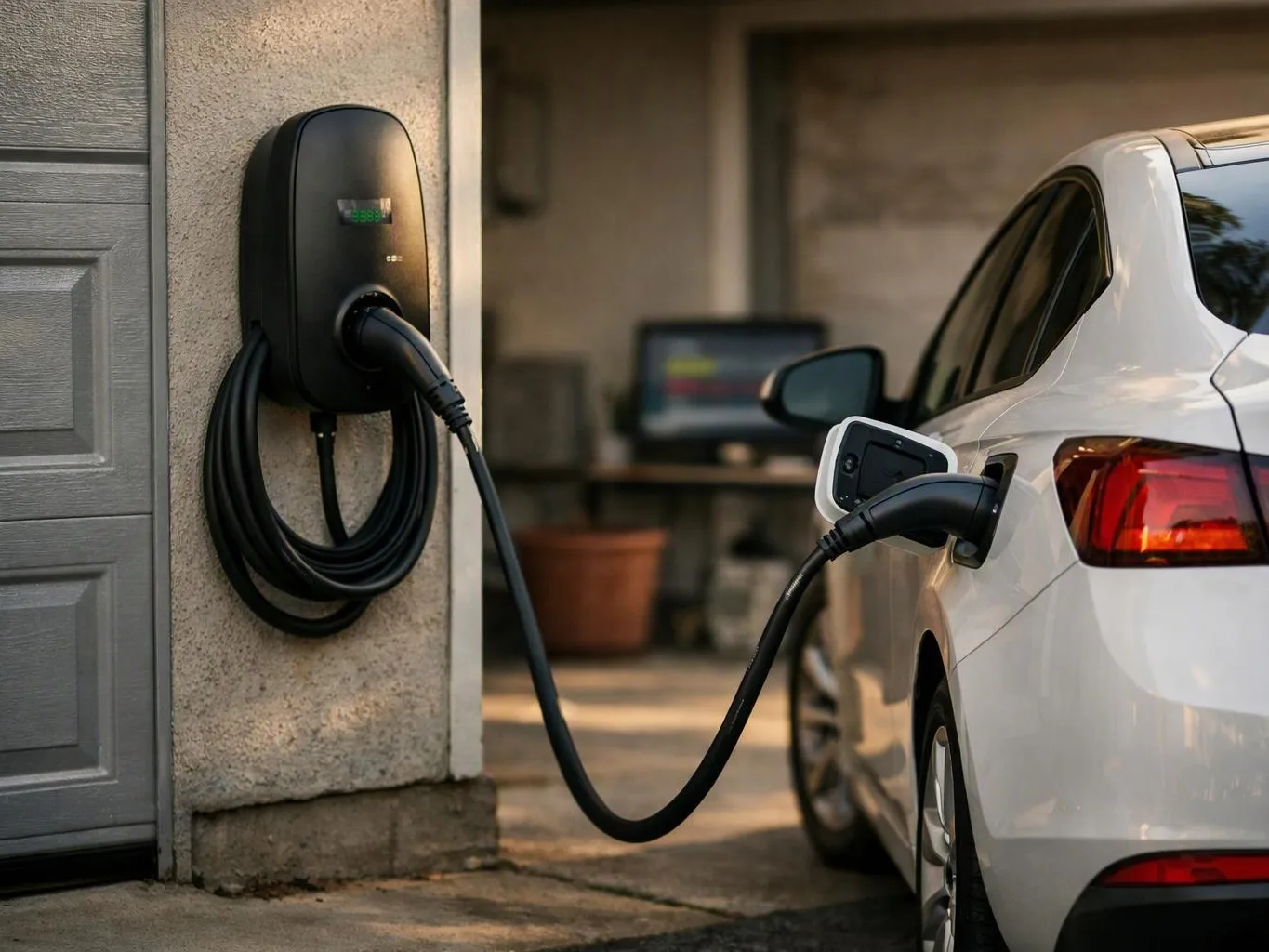
Bidirectional EV backup-power installation connects an EV, charging equipment, and selected property circuits. The job is for owners who want the vehicle to support property power during a planned backup event.

The key choice is the property scope. We check the service panel, backup circuits, grounding path, and utility disconnect before we set the work plan. The result must match the EV equipment and the electrical layout.

This service is not a general power outage repair. It also does not replace a standard charger when the property only needs one-way charging.

  • Check the service panel and the circuits that may receive backup power.
  • Review the path between the EV equipment and the property.
  • Confirm how the system will stop power flow when utility power is absent.
  • Set the work scope around the property and the chosen EV equipment.
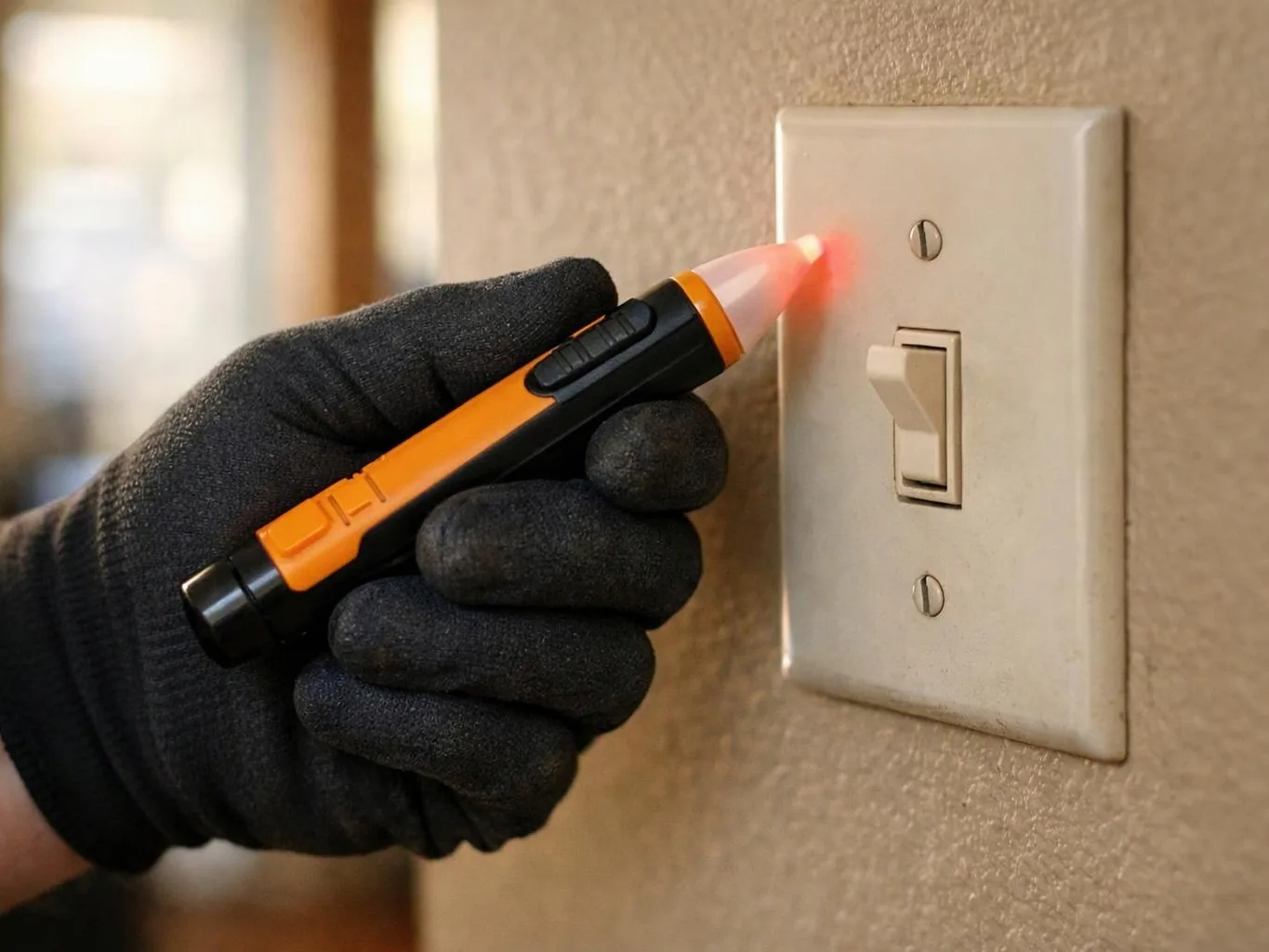
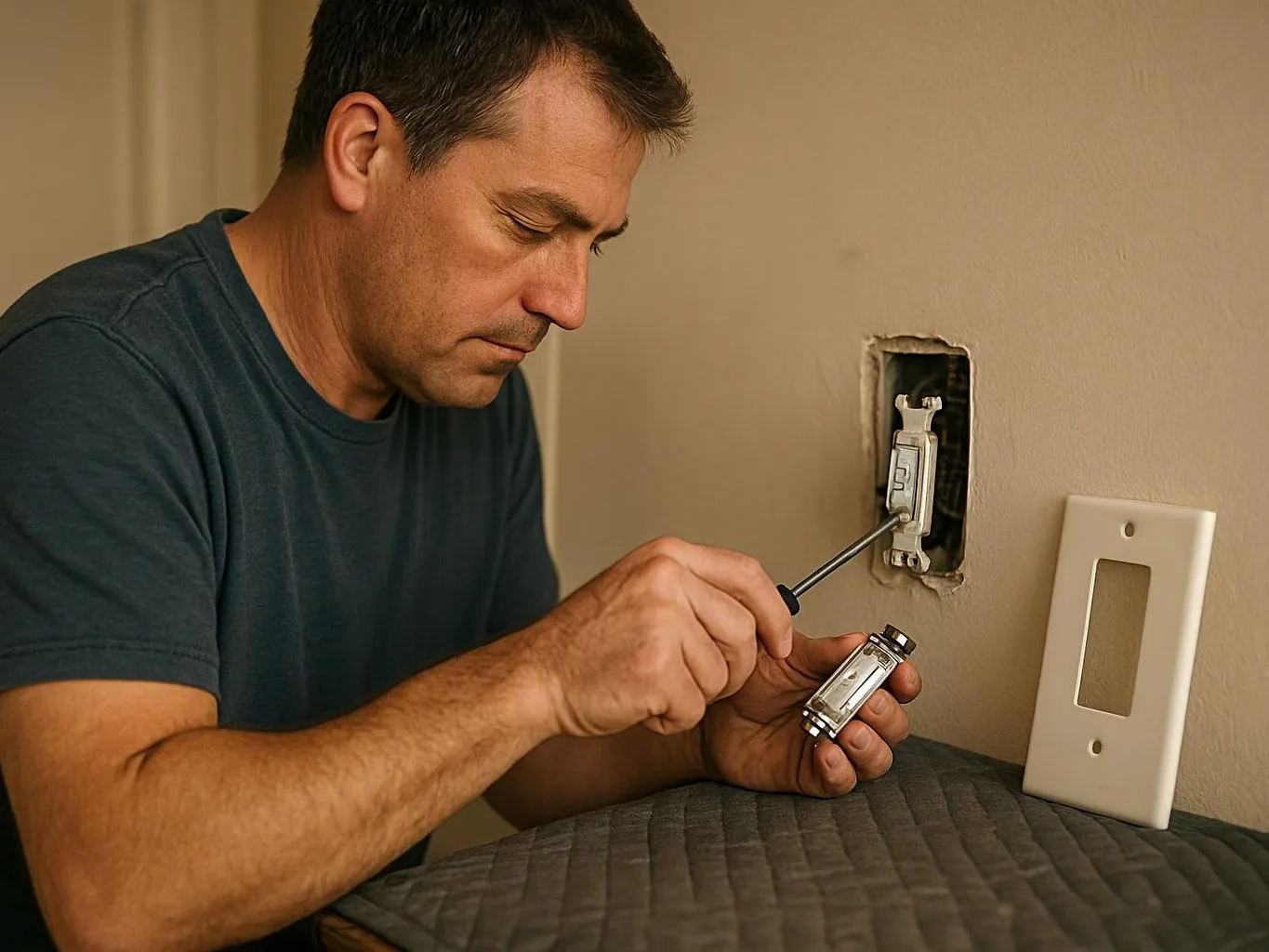
A man installs a wall light switch with a screwdriver beside a blank cover plate on a beige wall

Service Overview

Bidirectional EV backup-power installation is an electrical service that lets an EV send power back to a property.

  • It differs from a standard EV charger installation because it handles power flow in both directions.
  • We provide this work for homes and businesses in Eastvale.

What this EV backup installation changes

Your EV can support planned backup power for selected property circuits.

The work gives you a clear view of how power moves between the vehicle and property.

Safety checks help identify panel or circuit limits before installation.

A defined work scope helps you decide whether bidirectional power fits your property.

What bidirectional EV backup power includes

Center Electric Service provides comprehensive Bidirectional EV backup-power installation in Eastvale. Here's what you get:

  • We inspect the service panel and backup circuit layout.
  • We check the wiring path between the EV equipment and property panel.
  • We plan power transfer between the EV and selected property circuits.
  • We check anti-islanding controls, which stop power from feeding a dead utility line.
  • We review surge protection and the grounding path.
  • We explain the work scope before installation begins.
Process

How we install bidirectional EV backup power

1

Inspect the service panel

We check the panel, circuit layout, grounding path, and available connection points.

2

Map the backup circuits

We identify which property circuits fit the planned backup scope and trace their wiring path.

3

Check power transfer controls

We review anti-islanding, ground fault protection, surge protection, and the utility disconnect.

4

Set the installation scope

We explain the work, note the needed parts, and prepare a clear estimate before installation.

5

Complete and check the connection

We install the planned electrical work and check the connection before the system is put into use.

How we approach bidirectional EV backup power

Start with the service panel

The service panel sets the base for the work. We check its condition, available capacity, and circuit layout before planning the connection.

Check power flow controls

The system needs controls for anti-islanding and utility disconnect. We review how those controls stop unwanted power flow.

Know when this is not the right job

A standard EV charger is the better fit when you only need to charge the vehicle. We explain that difference before setting an installation scope.

Bidirectional EV power or standard EV charging

The main difference is the direction of power flow and the electrical work each option needs.

Service optionPower directionMain planning point
Bidirectional EV backup powerPower moves between the EV and propertySafety controls, backup circuits, and utility separation need review
Standard EV chargingPower moves from the property to the EVThe work focuses on charging equipment and its supply circuit

The Center Electric Service Standard

  • Residential And Commercial
  • Any Hour Service
  • Issue Diagnosis
  • Electrical System Work

Questions about bidirectional EV backup power

What safety protections are required for bidirectional EV backup-power installation?

Overcurrent protection is checked first because it limits unsafe current in the connected circuits. Center Electric Service also reviews anti-islanding, ground fault protection, surge protection, and the utility disconnect. These checks help us set a safe installation scope for the EV, panel, and backup circuits.

How can I tell whether bidirectional EV power fits my property?

Property fit depends on the service panel, circuit layout, EV equipment, and planned backup loads. We inspect those parts and explain the limits before preparing an estimate. A standard EV charger may fit better when you only need one-way vehicle charging.

Which part of the property decides the installation scope?

The service panel and backup circuits set much of the installation scope. We trace the circuit path, review the panel connection, and check the grounding path. The planned EV connection must match the property wiring and the circuits you want to support.

Which material changes how long the electrical work takes?

The wiring path and panel connection affect the work time most. Longer paths, added protection parts, and changes to the panel add work. We inspect the property first, then explain the scope and any needed parts before installation.

When does a bidirectional EV system need a utility disconnect?

A utility disconnect is needed when the system must separate property power from the outside supply. We review its place in the power path during the site check. The disconnect supports safe isolation when utility power is unavailable.

Why does anti-islanding matter during a power outage?

Anti-islanding stops the EV from sending power onto a dead utility line. We check this control as part of the backup-power plan. The check helps protect the system and supports safe separation from outside power.

What should I provide before requesting an estimate?

The EV equipment details, service-panel information, and planned backup circuits help us review the job. Photos can help show the panel and wiring path. We still need to check the property before setting the final work scope.
Contact

Get a Free Estimate for Bidirectional EV Backup Power in Eastvale

Request a clear estimate for your EV backup-power installation, and urgent requests get priority scheduling.

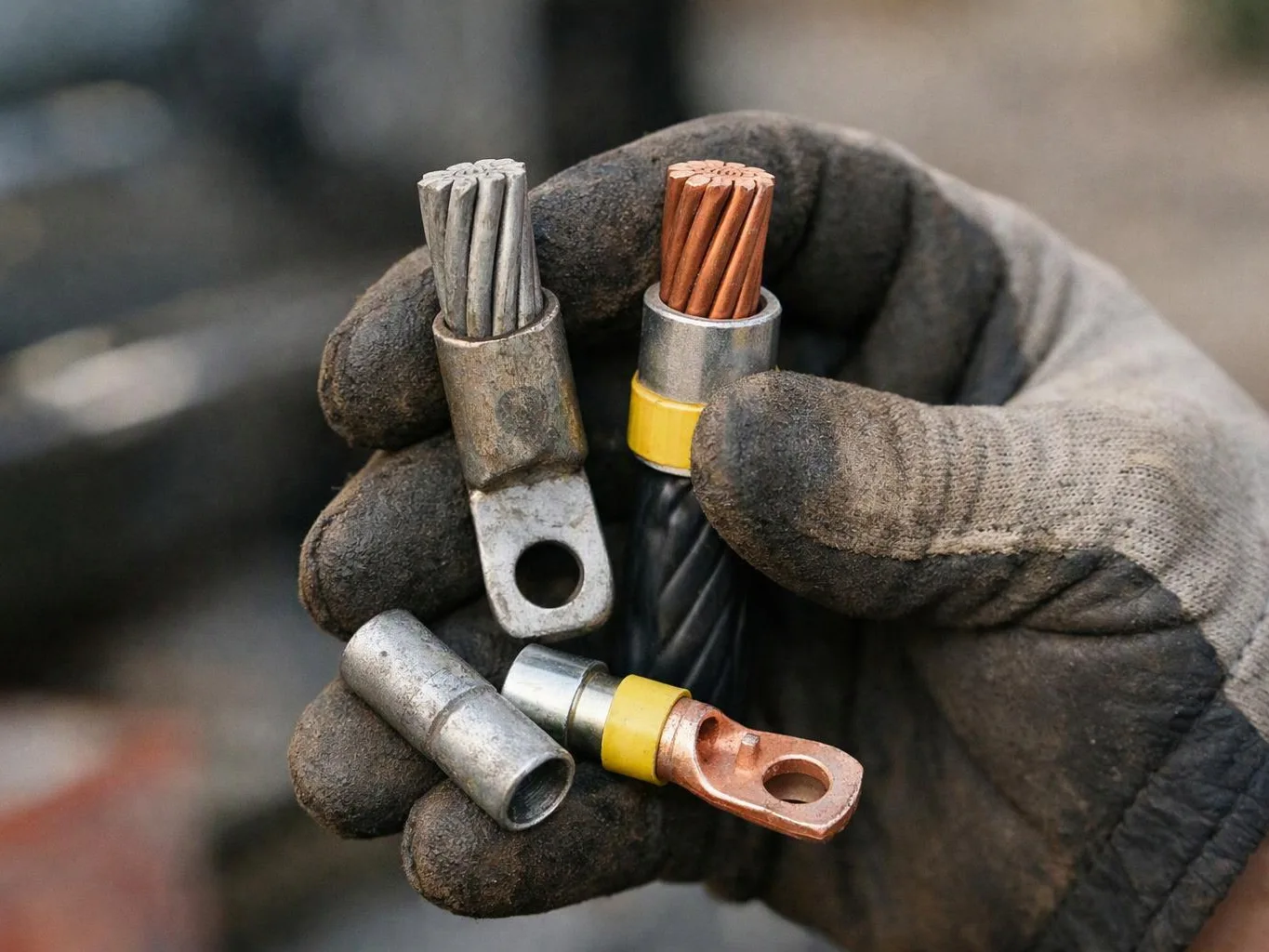
A gloved hand holds several crimped electrical cable lugs against a blurred workshop background

Bidirectional EV backup-power installation in Other Areas

(951) 577-3540