What is required for a safe commercial electrical installation?
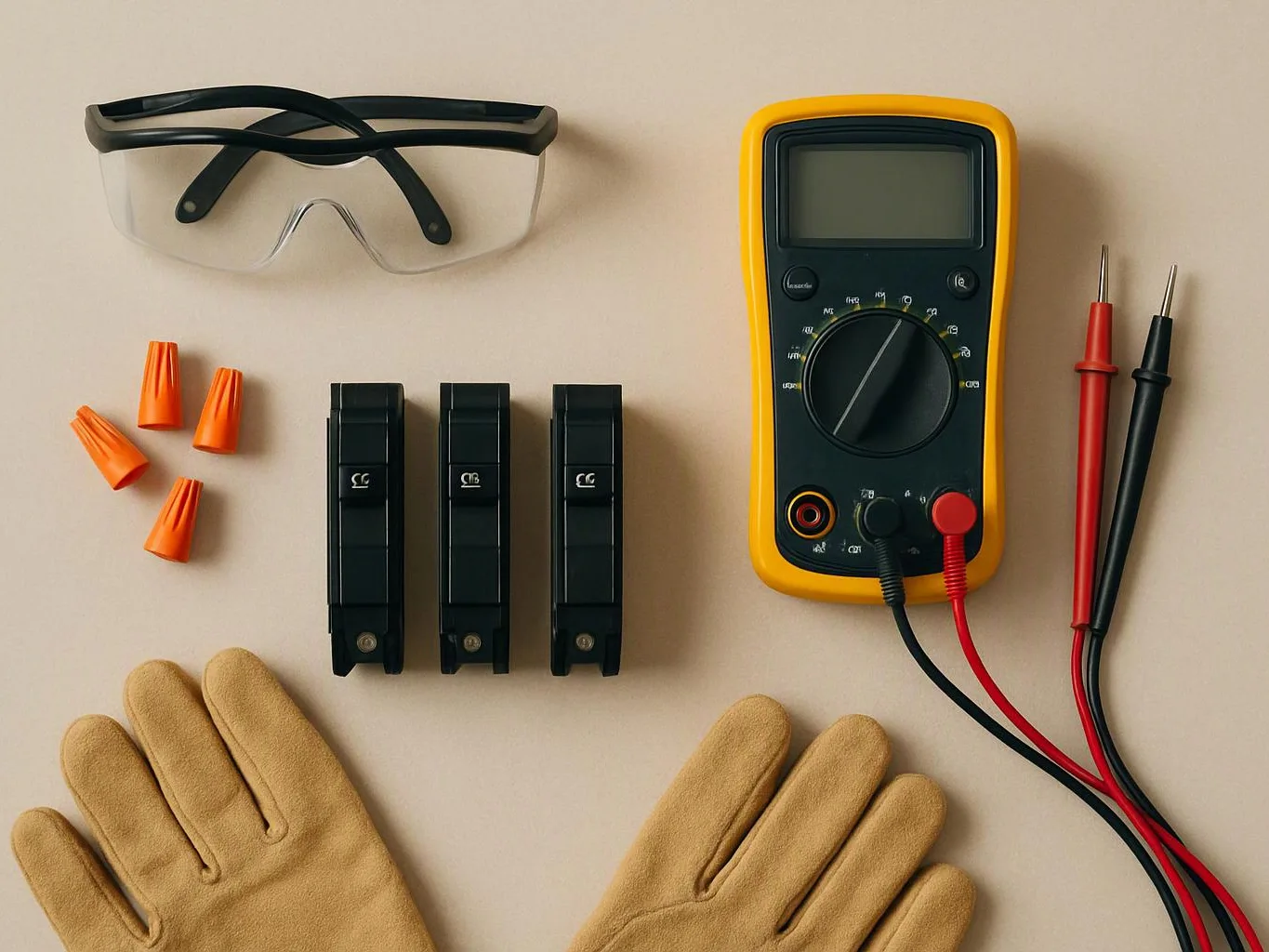
Disconnect switches help isolate equipment safely during service, and the installation also needs sound wiring, suitable panelboards, circuit protection, and tested connections. We review the planned load, trace existing circuits, and check access before work begins. Customers should identify the equipment, rooms, and operating needs that the new system must support.
Who is a good fit for commercial electrical installation, and who needs a different service?
Business owners, property managers, and builders are good fits when a property needs new wiring, circuits, lighting, or panel work. We handle planned installation projects for offices, retail spaces, and commercial properties. A single faulty outlet or switch may need a repair visit when no larger system change is involved.
What happens at each stage of the installation?
The process moves from site review to circuit tracing, scope planning, installation, and testing. We first discuss the planned equipment and rooms. Next, we inspect the panelboard and circuit paths. We then install the approved wiring or equipment and test the completed circuits before the system is used.
What does the crew look at first during installation?
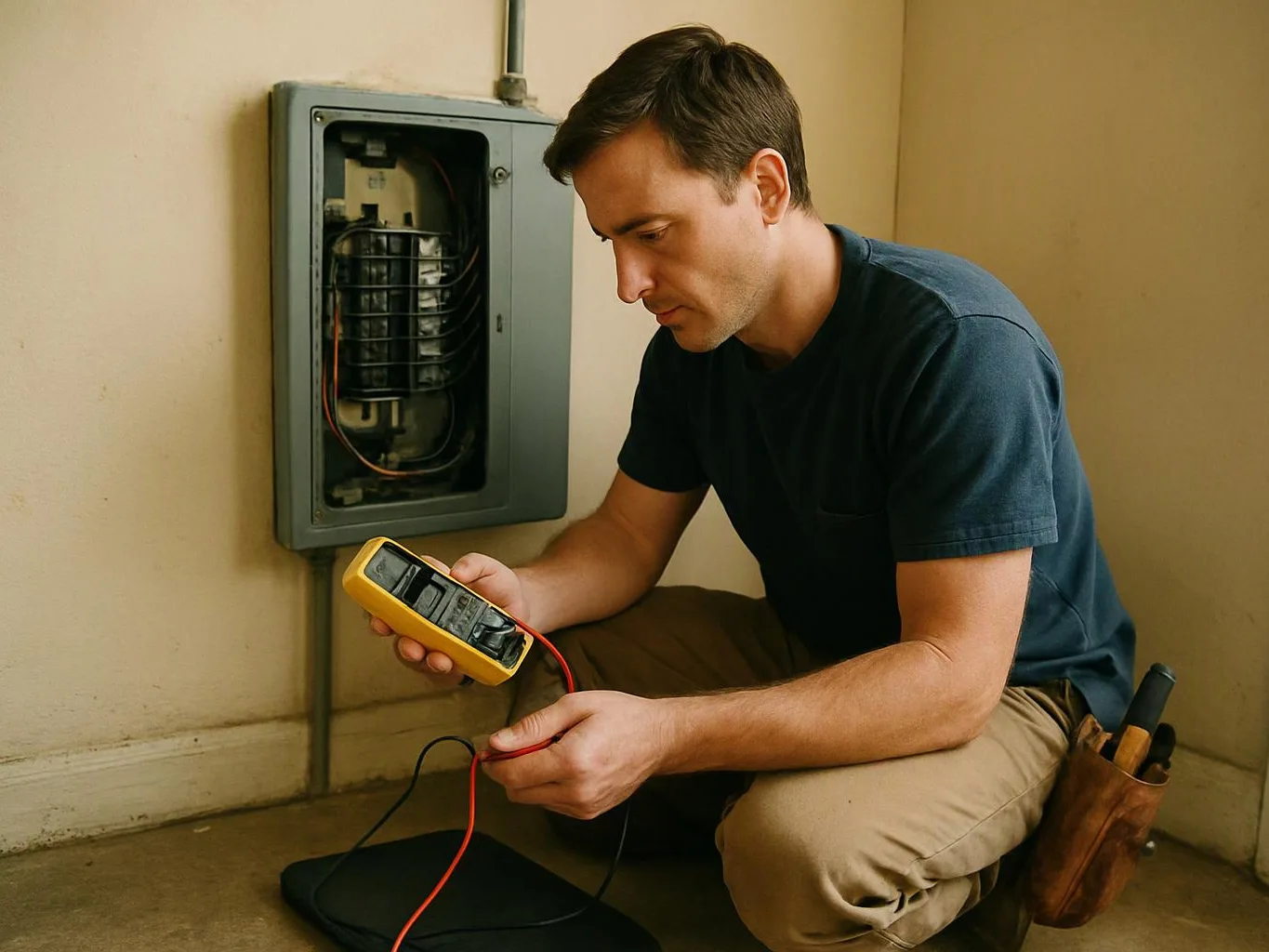
The existing panelboard and planned electrical load receive the first review. We check available capacity, circuit paths, panel condition, and access to the work areas. Customers can help by identifying equipment that will run at the same time, since that information affects circuit planning and panel decisions.
Which parts of the job change the estimate?
The estimate changes with circuit count, panel capacity, wiring access, equipment load, and lighting scope. We also review whether the property needs new wiring, a panel upgrade, dedicated circuits, or work for a remodel. A property owner can request a free estimate after sharing the project layout and electrical goals.
How do panelboards affect a commercial installation?
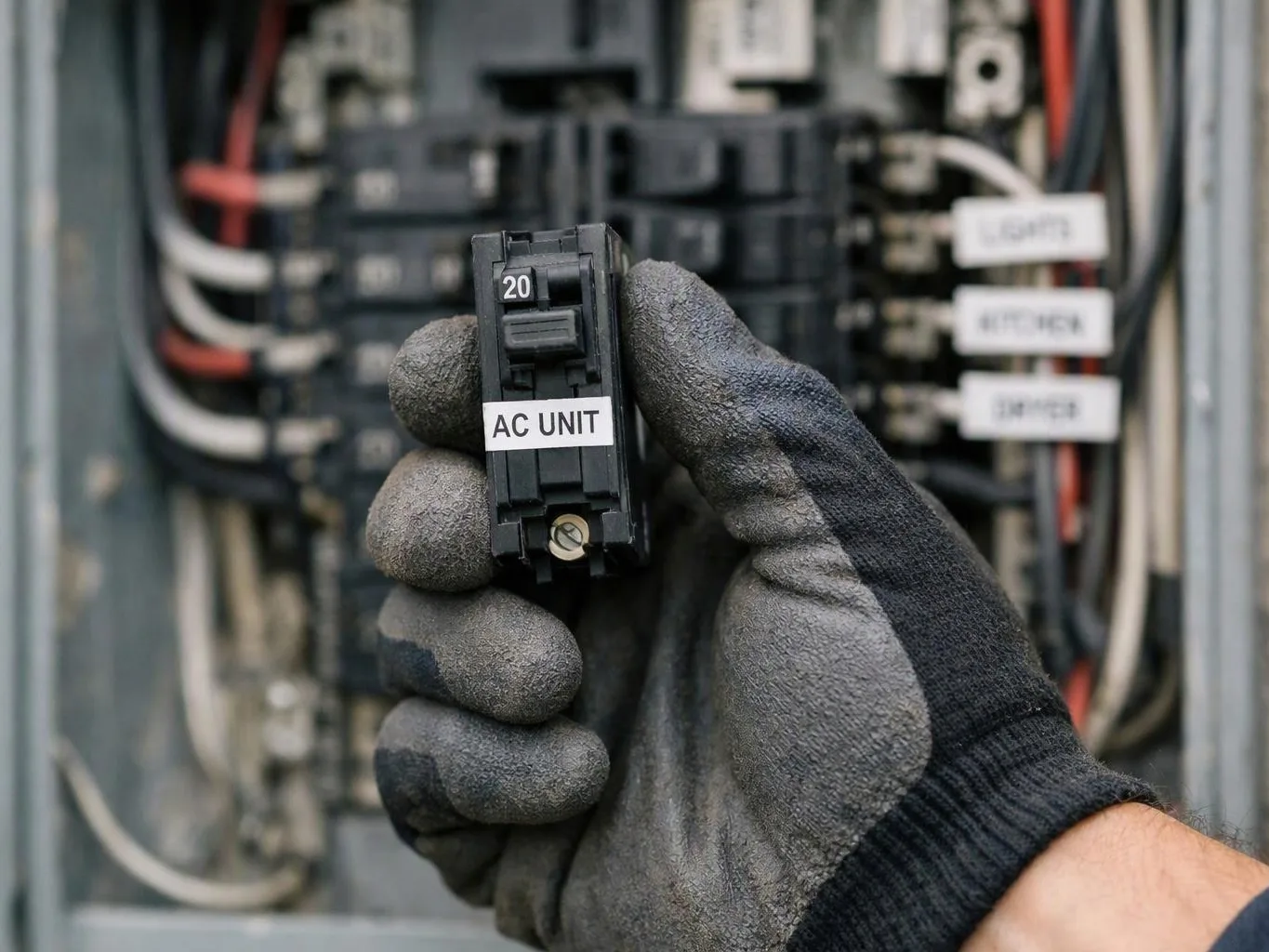
Panelboards affect the work because they distribute power and protect the connected circuits. We check available spaces, breaker arrangement, circuit labeling, connections, and capacity before adding new loads. A panel that cannot support the planned equipment may require an upgrade or a different installation scope.
Why can firestopping matter during wiring work?
Firestopping matters when wiring passes through building areas that need protected openings. We review penetrations and close them with suitable materials when the installation requires it. This step belongs to the building and wiring scope, so the needed work depends on where circuits must travel.