How are commercial electrical systems designed for business operations?
Conduit routing is planned around the business layout, equipment locations, and access needs. Center Electric Service maps the route first, then plans load demand, separates circuits, and checks equipment grounding. The layout should keep panels reachable and support circuit tracing later. Lighting, receptacles, dedicated equipment, and future service needs each receive attention before installation begins.
Which material changes how long a commercial installation takes?
Conduit material changes the installation work because each type has different routing and fitting needs. The selected material must suit the building layout, circuit path, and equipment connection. We also review bends, support points, panel access, and wall or ceiling conditions. A quote becomes clearer after those physical details are assessed.
What does a commercial electrical installation include?
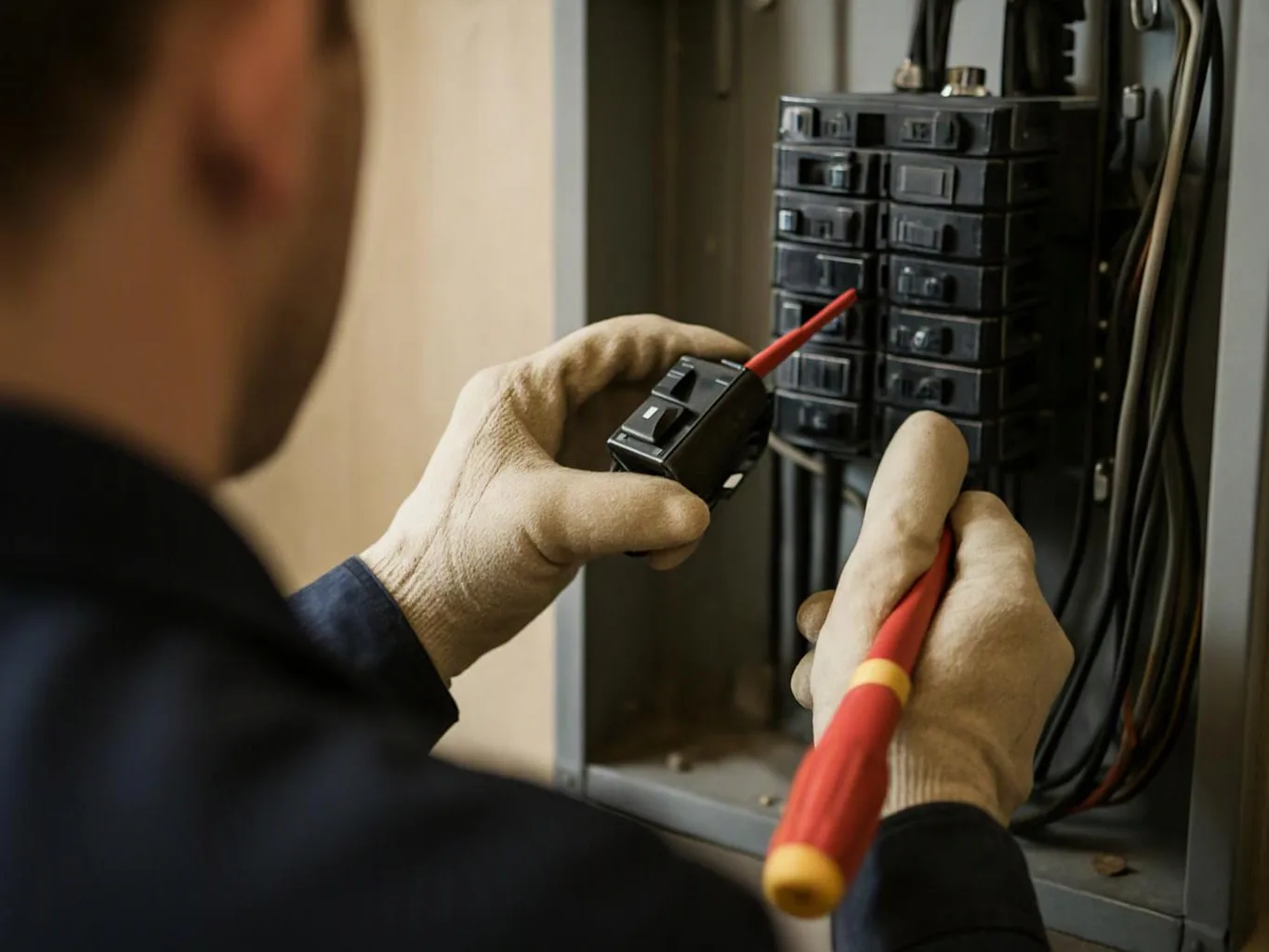
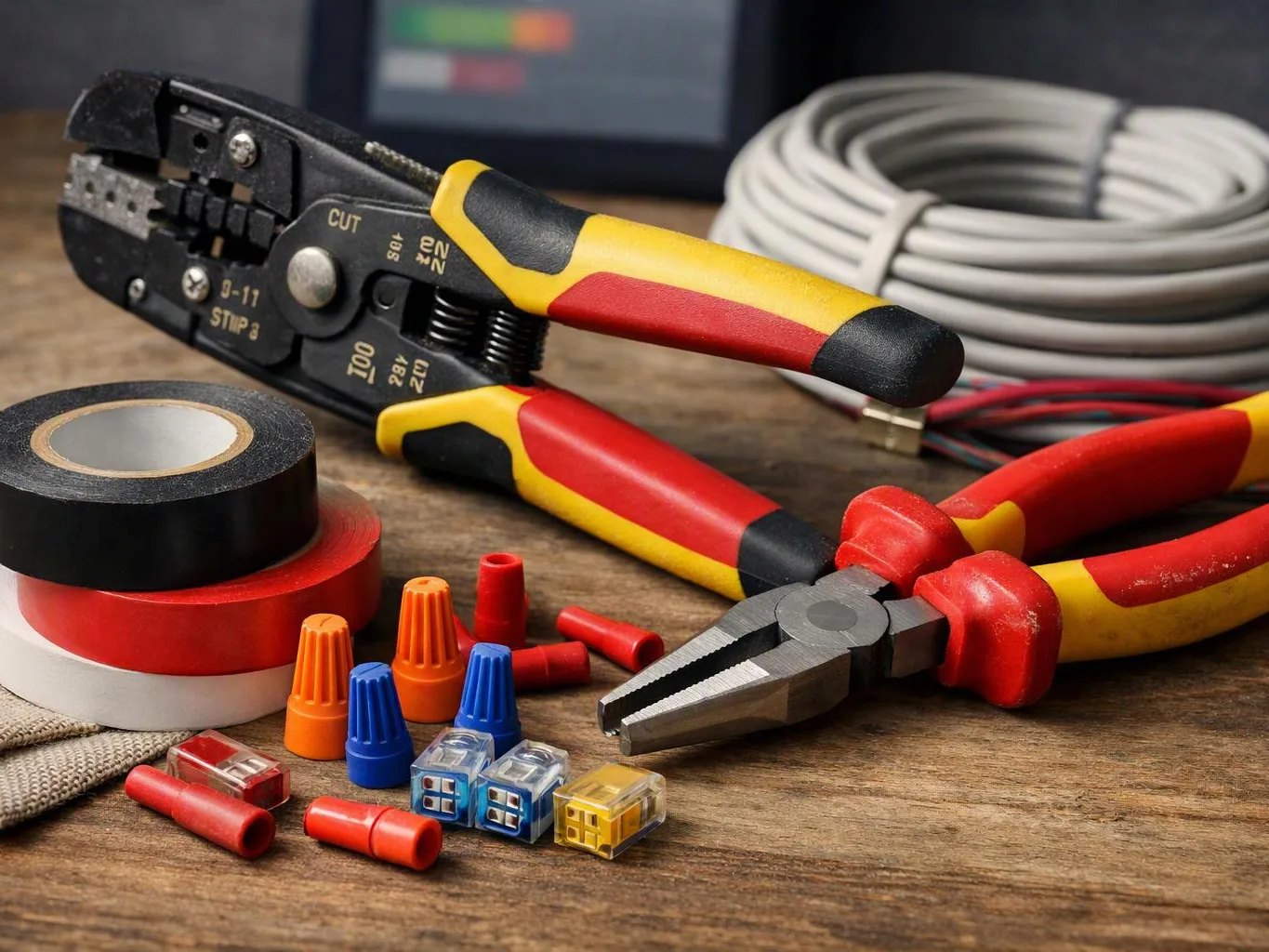
A commercial electrical installation includes planned circuits, conduit, wiring, devices, equipment connections, and testing. The work may also include a panel upgrade, subpanel installation, lighting installation, or dedicated circuits when the scope calls for them. We check each connection before the system is placed into regular business use.
When does a business need separate circuits for equipment?
Separate circuits help when equipment has its own electrical demand or must run without sharing power with general outlets. We review the equipment nameplate, circuit load, panel capacity, and operating needs. Dedicated circuits can suit items such as commercial appliances, machinery, servers, or EV charging equipment. The final plan follows the actual equipment list.
Why does equipment grounding matter in a commercial space?
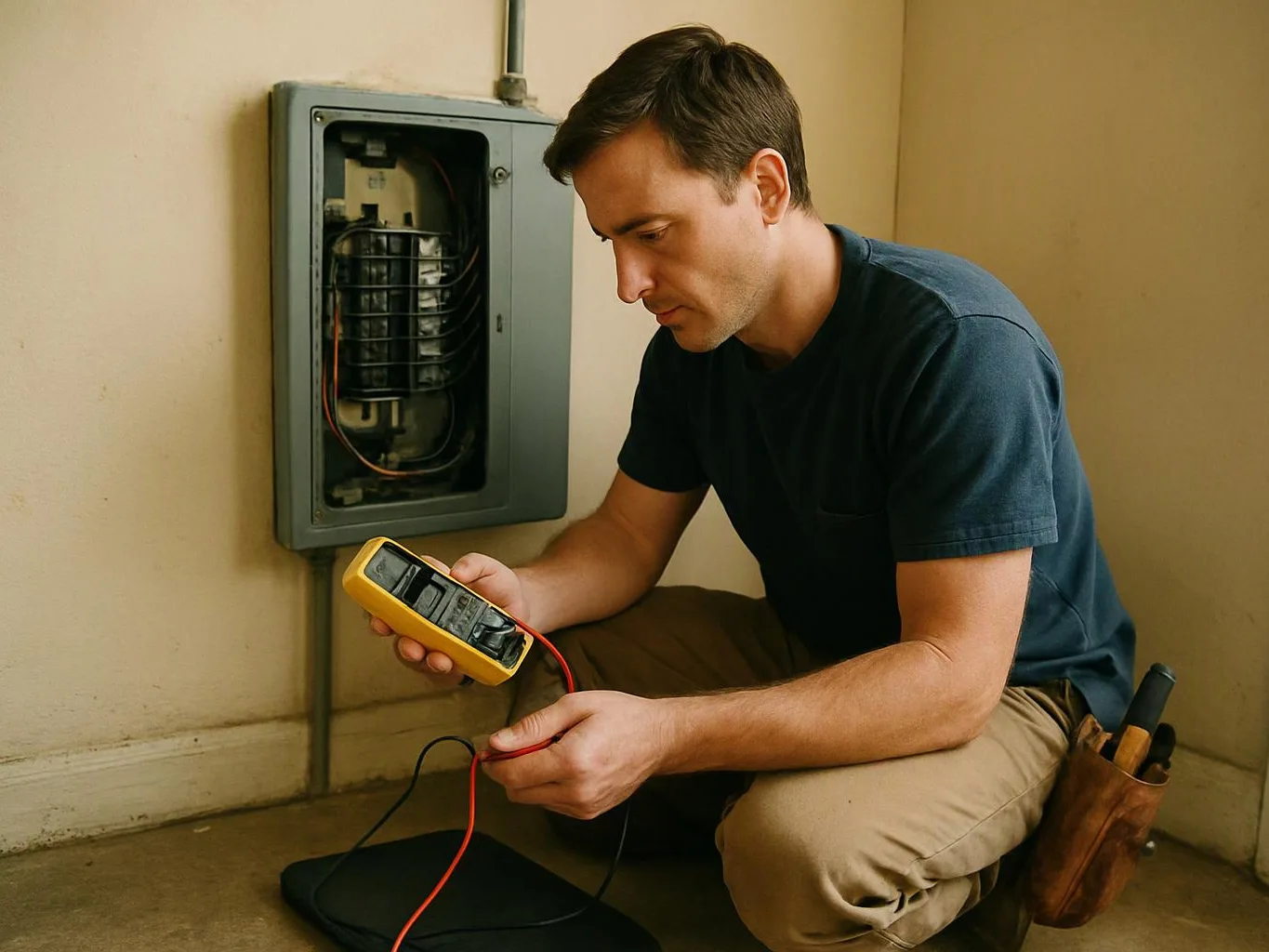
Equipment grounding gives fault current a safe path and helps protective devices operate as intended. We check grounding connections during installation and include testing and verification before the system is used. Grounding correction may be needed when an existing path is damaged, incomplete, or unsuitable for the planned equipment.
How should a business prepare for the installation visit?
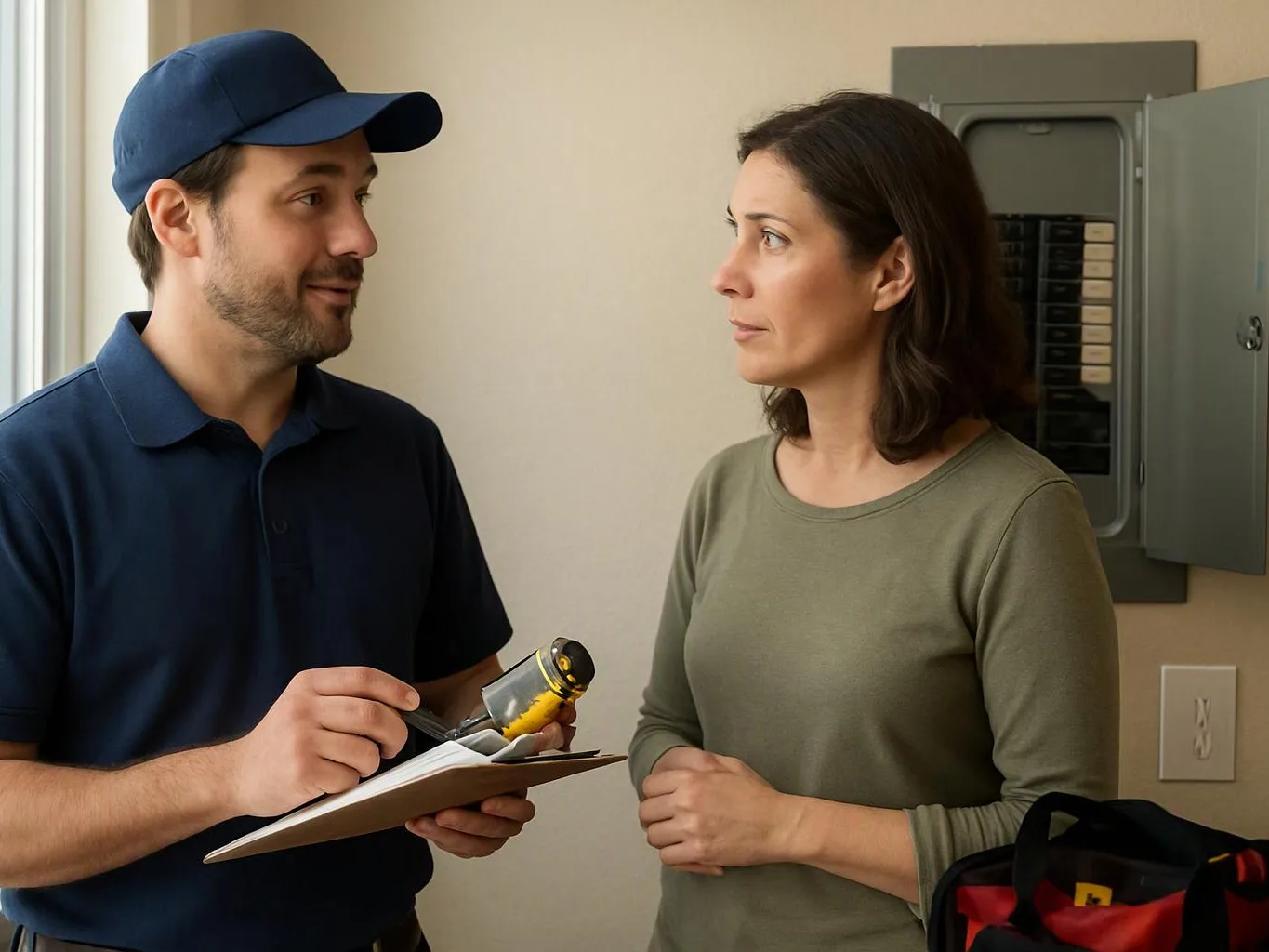
Access to the electrical panel, work areas, equipment locations, and tenant spaces helps us assess the installation scope. Keep product information available for fixed equipment and note any flickering lights, tripping breakers, or dead outlets. We use those details during circuit planning, access review, and the quote process.