What electrical installations are common in commercial buildings?
Power distribution, lighting systems, dedicated circuits, panel work, wiring, and data cabling are common commercial installations. We plan each part around the property's equipment and layout. Lighting may include indoor or outdoor fixtures, while dedicated circuits support equipment with separate power needs. Data cabling can be coordinated with electrical access, but it has a different function from power wiring.
How does a commercial installation visit move from the first call to the last step?
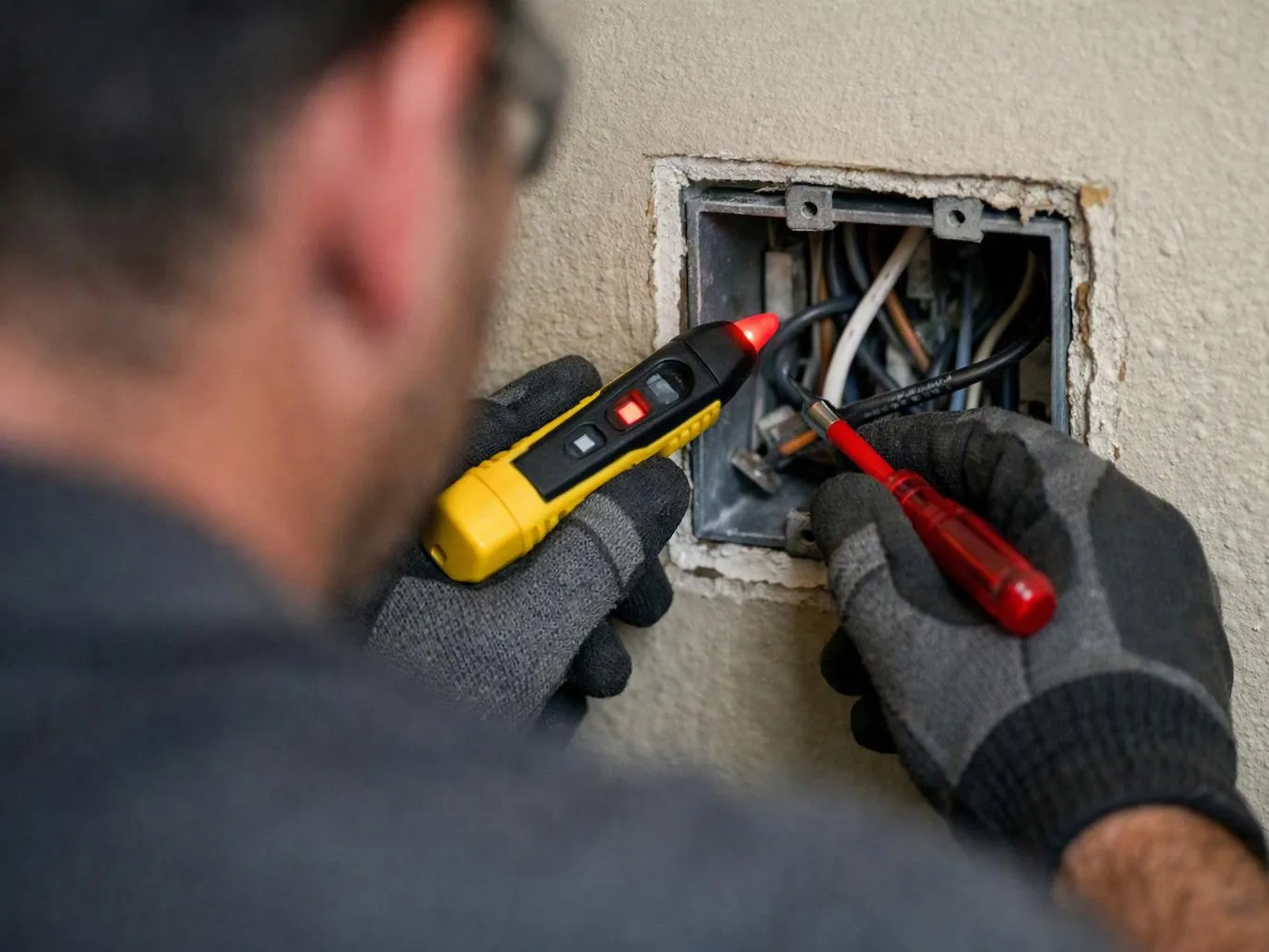
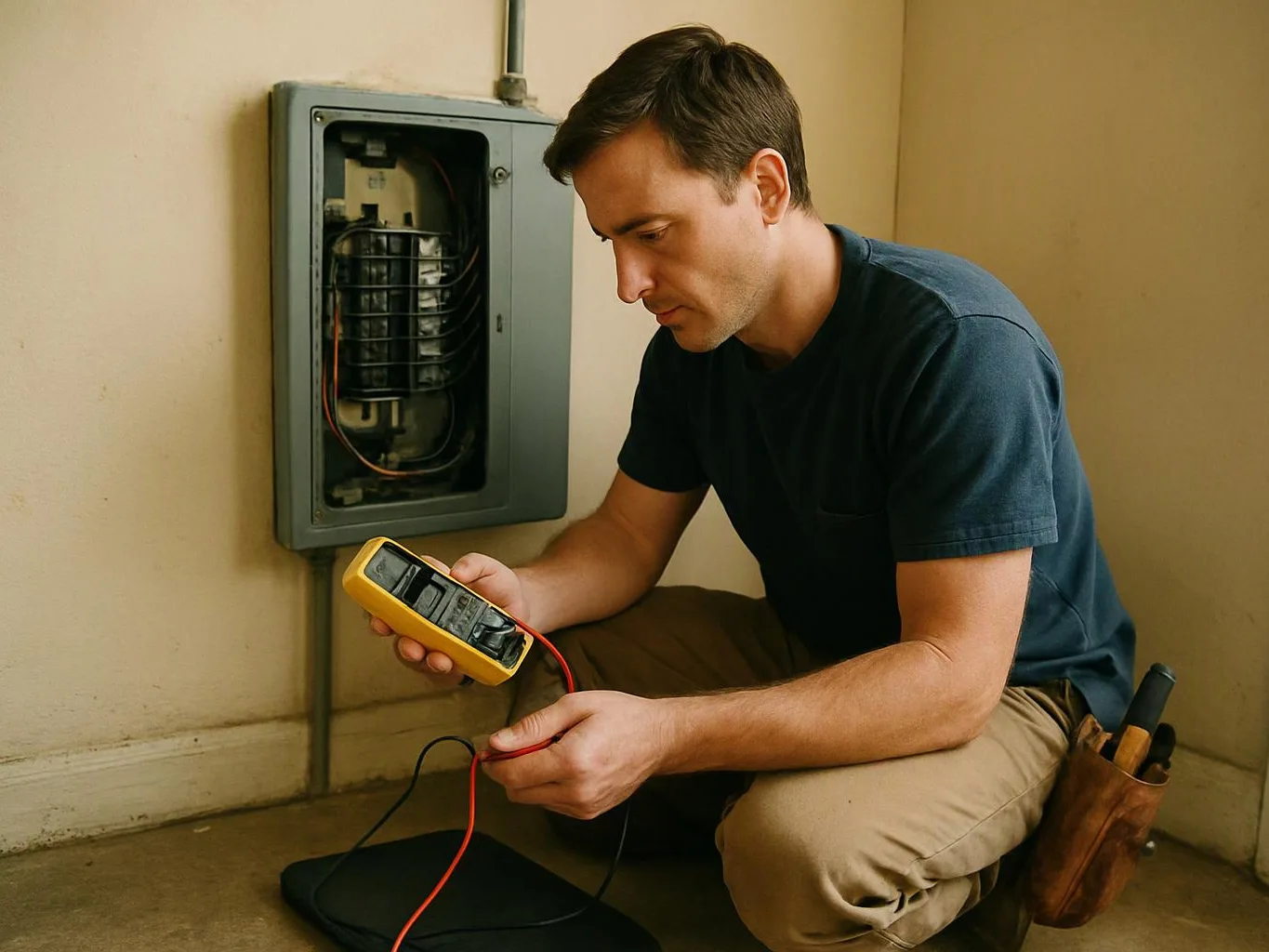
The visit moves from a property review to circuit checks, scope planning, installation, and final testing. We first discuss equipment, lighting, outlets, and access. The panel and existing wiring then guide the work plan. After installation, we test circuits, connections, lighting, and outlets before reviewing the completed scope.
Which part of the property decides the installation scope?
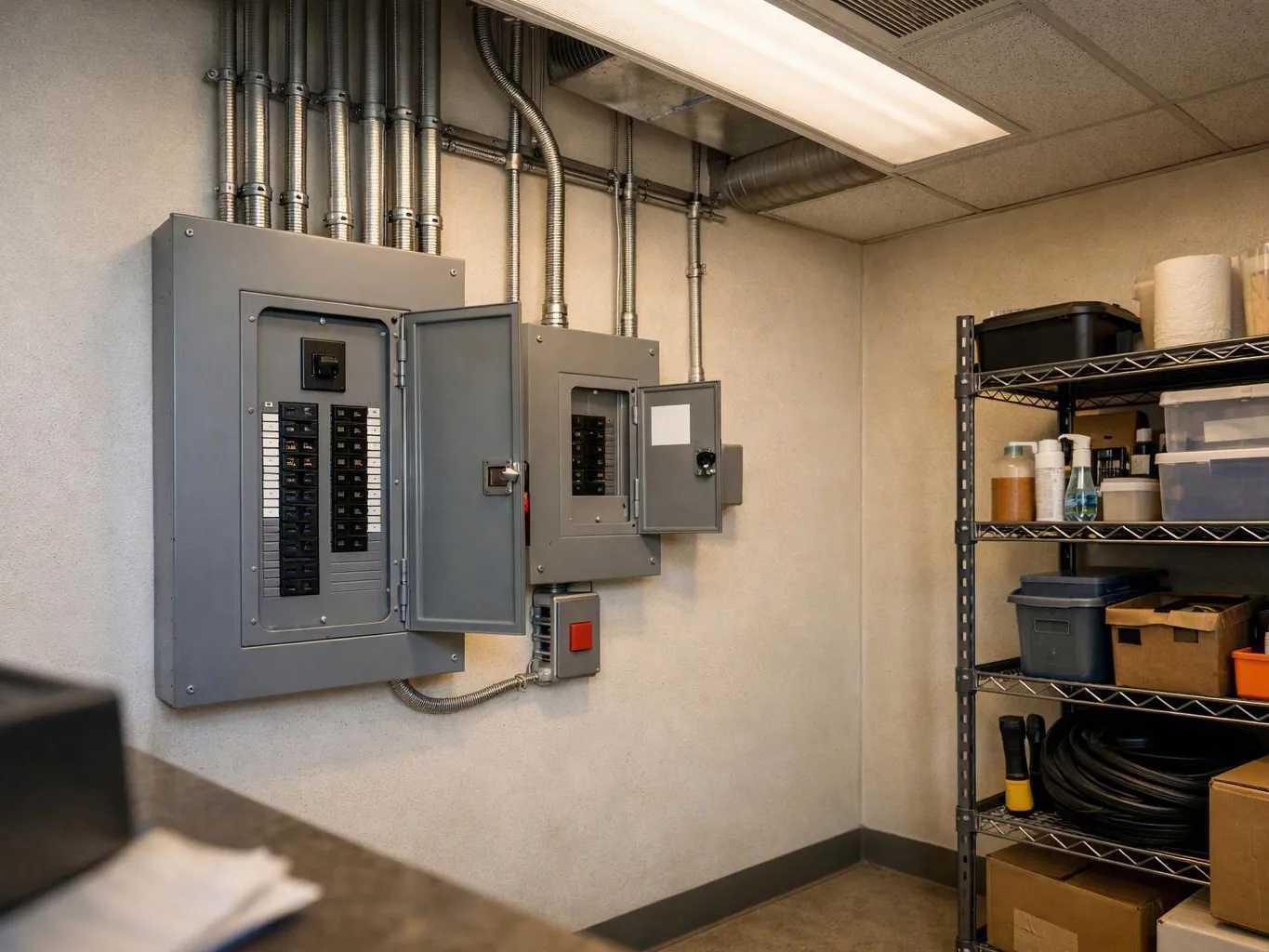
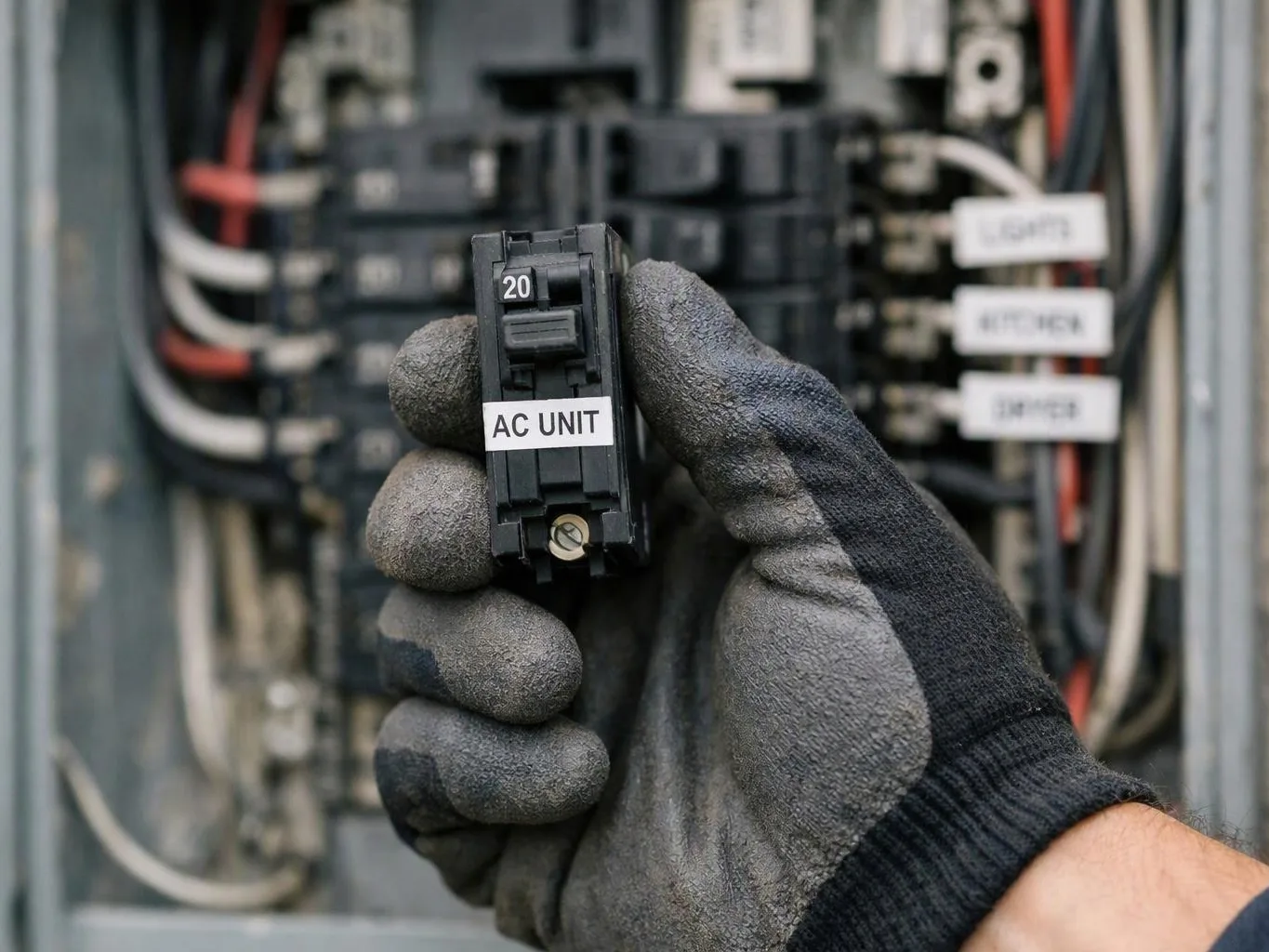
The electrical panel and existing wiring often set the installation scope. Available panel capacity, circuit paths, wall access, ceiling access, equipment location, and lighting layout all affect the work. We check these areas before recommending new circuits, panel services, or wiring changes. The planned use of each room also shapes outlet and lighting placement.
How can a customer tell whether commercial installation fits the property?
Planned changes to equipment, lighting, outlets, wiring, or building use usually fit commercial installation work. We review the property when a business is remodeling, adding equipment, or building new space. Active faults such as a sparking outlet or burning smell need immediate electrical attention before planned additions proceed.
What information helps you quote a commercial electrical installation?
The property type, room layout, equipment list, lighting plan, panel location, and known electrical problems help us prepare a quote. Photos and building access details can also clarify the scope. We use that information to identify wiring paths, dedicated circuits, panel work, and installation needs before providing a free estimate.
Why does new equipment make a breaker trip?
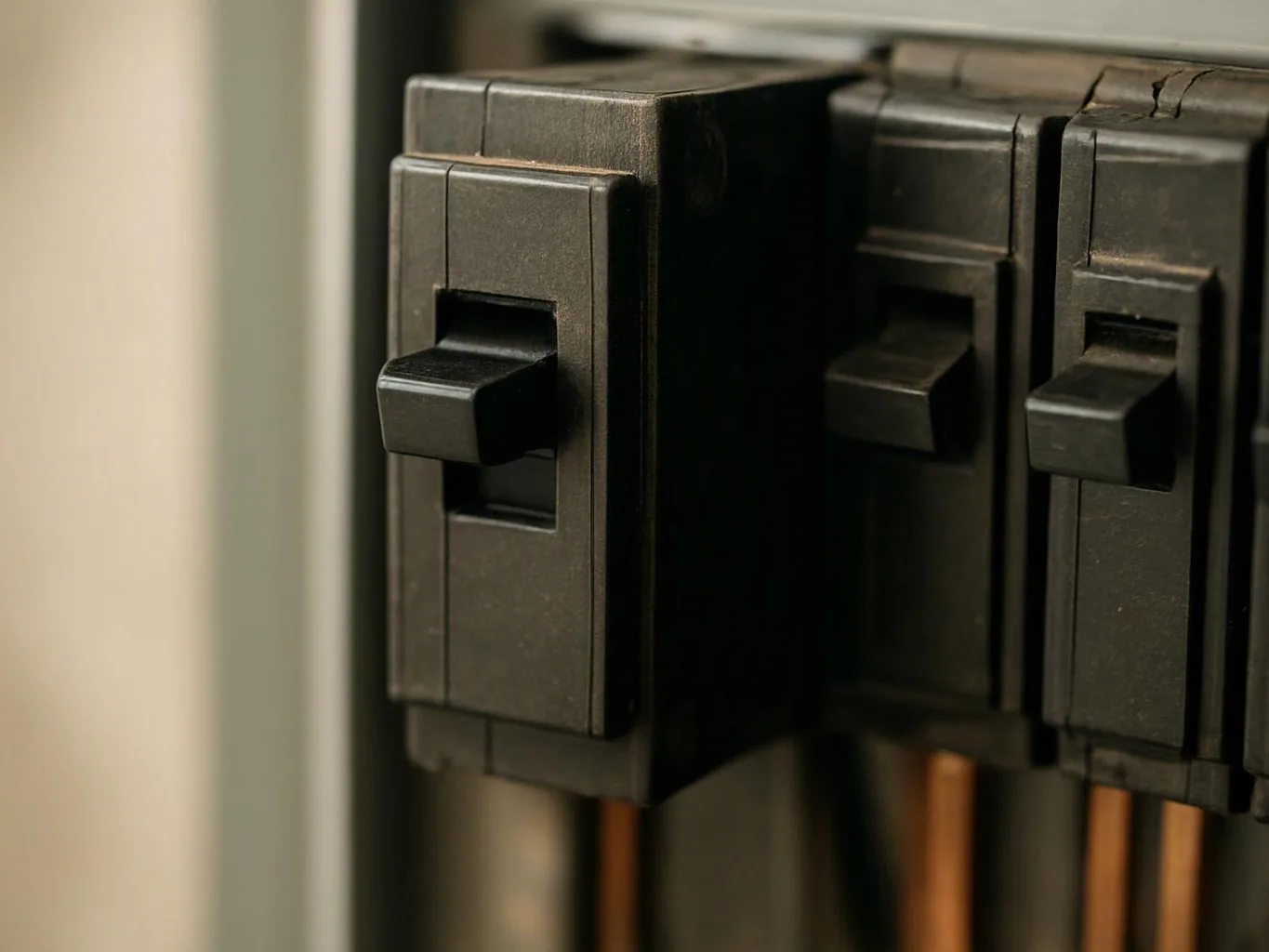
New equipment can trip a breaker when its load exceeds the circuit's capacity or when the wiring has a fault. We trace the circuit, inspect the breaker and panel, and check the equipment connection. The fix may involve a dedicated circuit, wiring work, panel service, or repair of the existing fault.