How can I identify a commercial electrical fault?
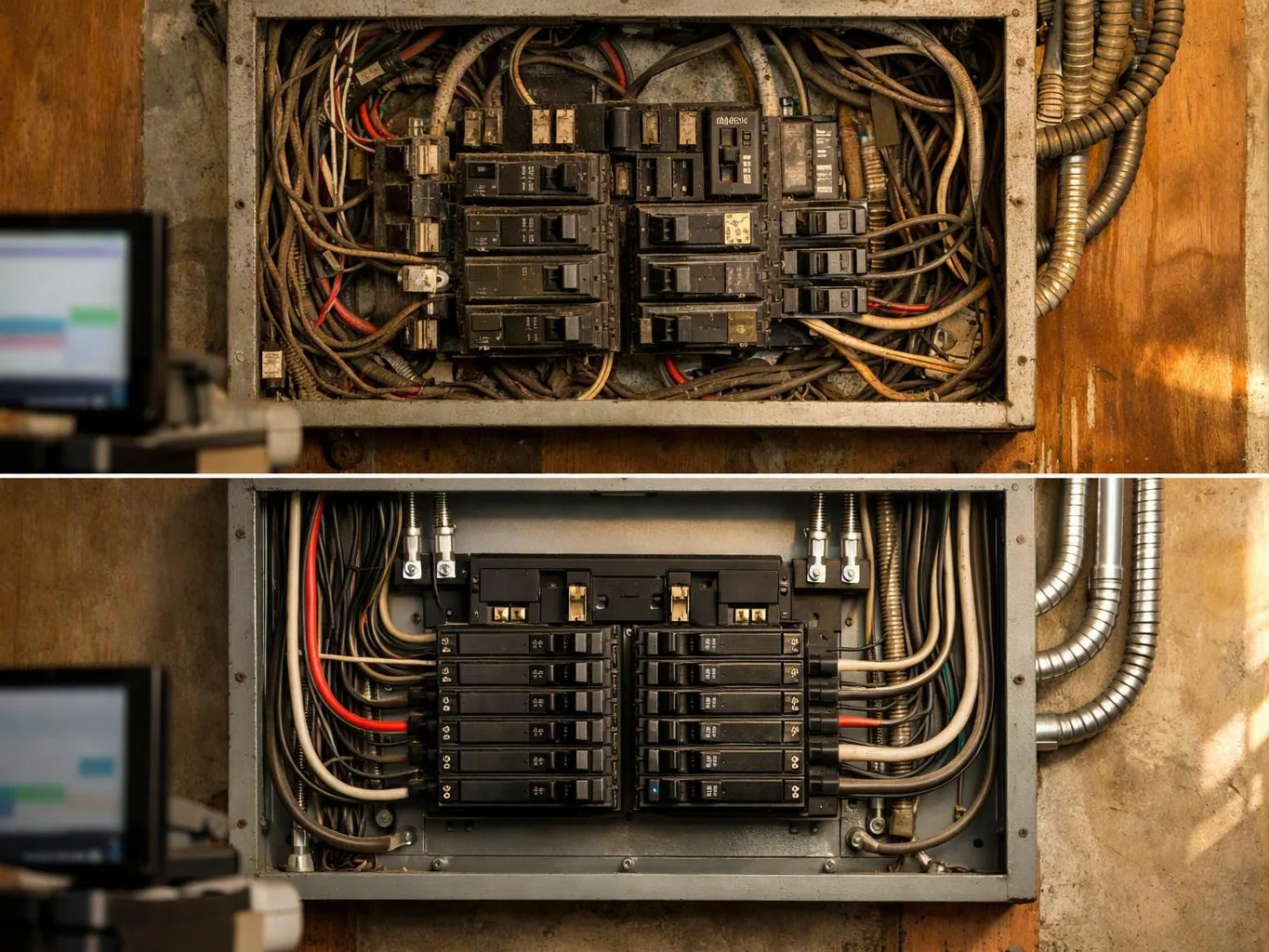
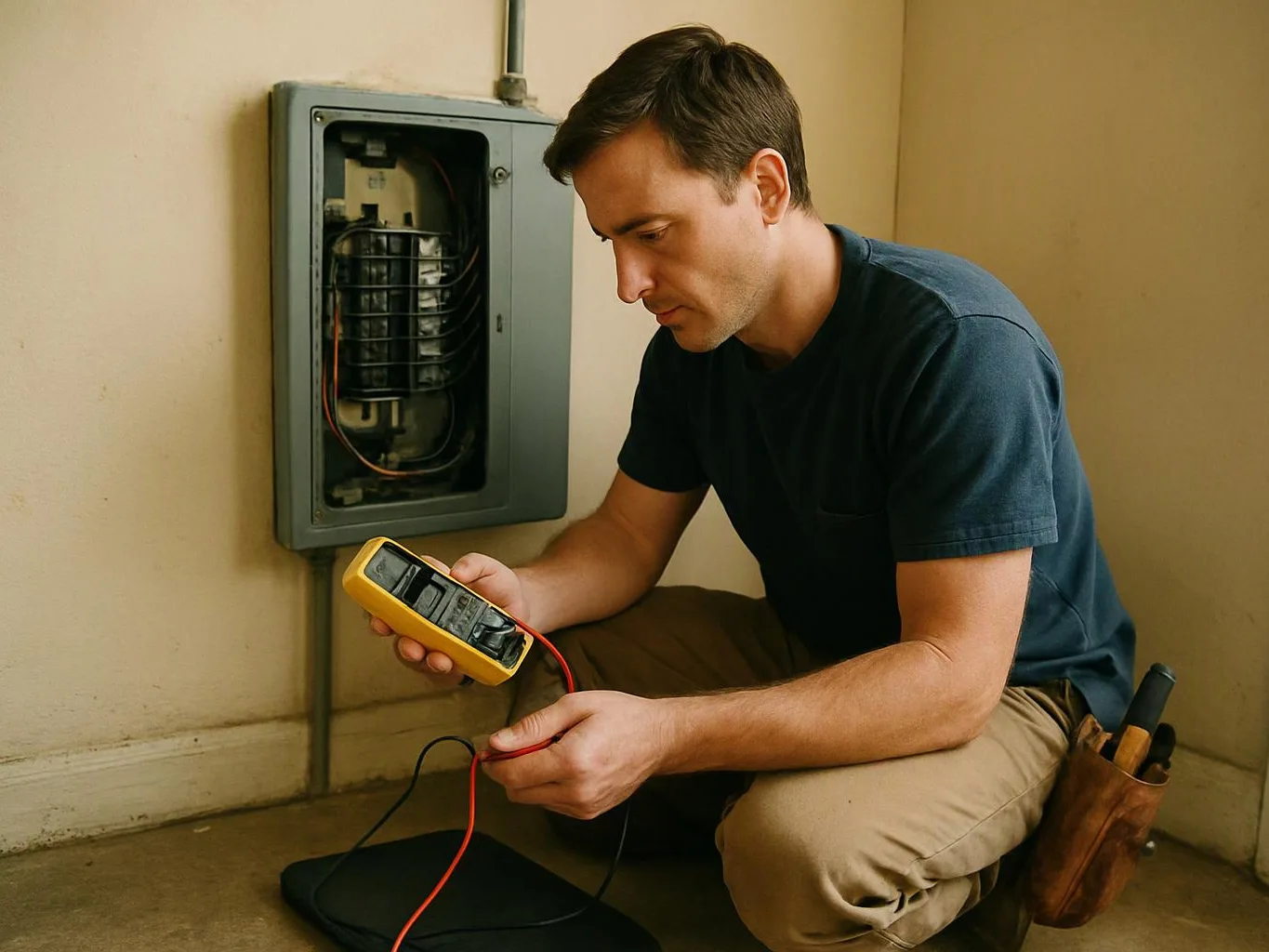
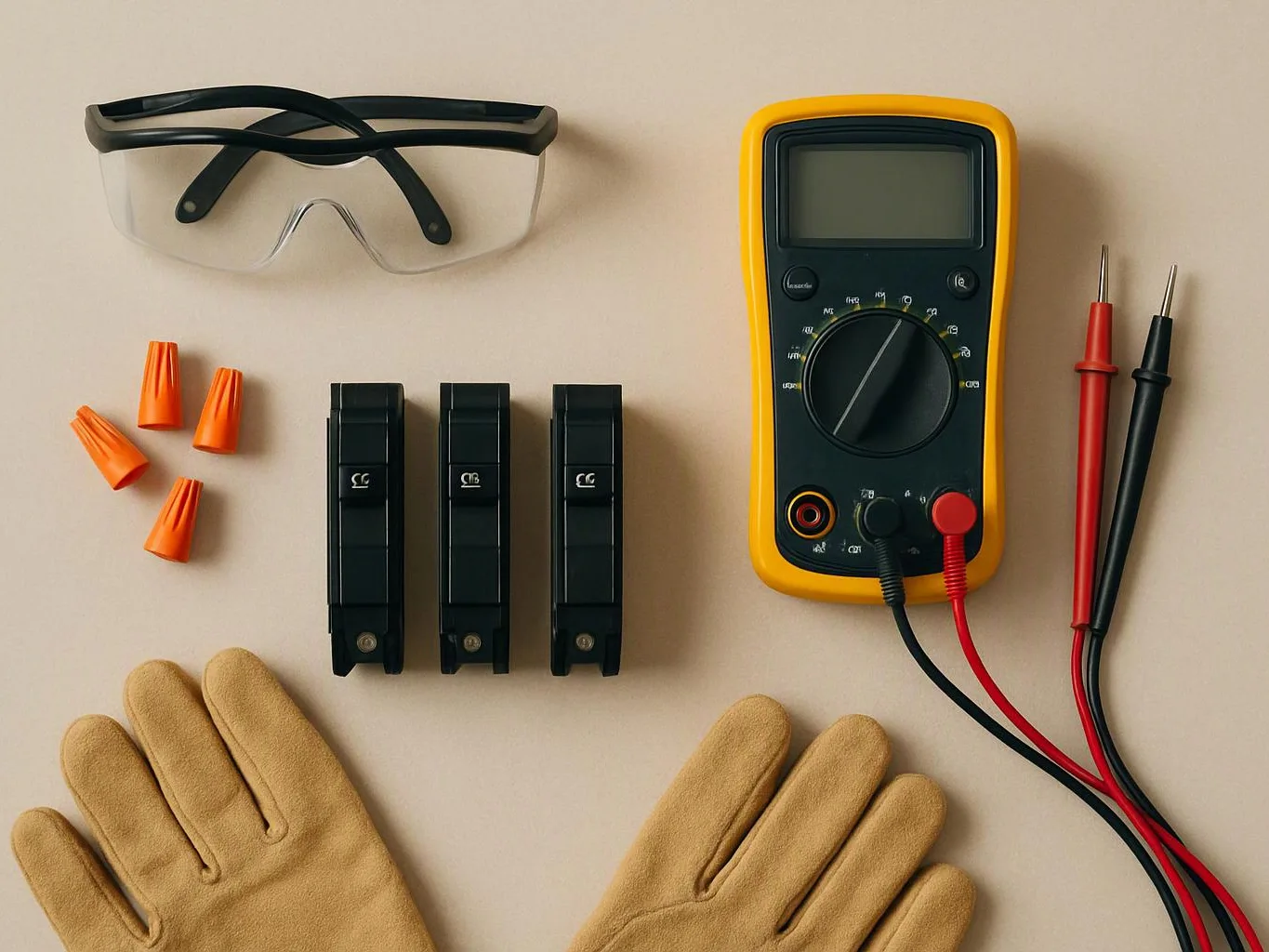
Power surges can identify a commercial electrical fault when they repeat or affect equipment. Center Electric Service checks the panel, breakers, wiring, outlets, and voltage at key points. We also look for flickering lights, dead outlets, heat, buzzing, or burning smells. These signs help us trace the affected circuit and separate a repair need from an upgrade.
Which part of the property decides the repair scope?
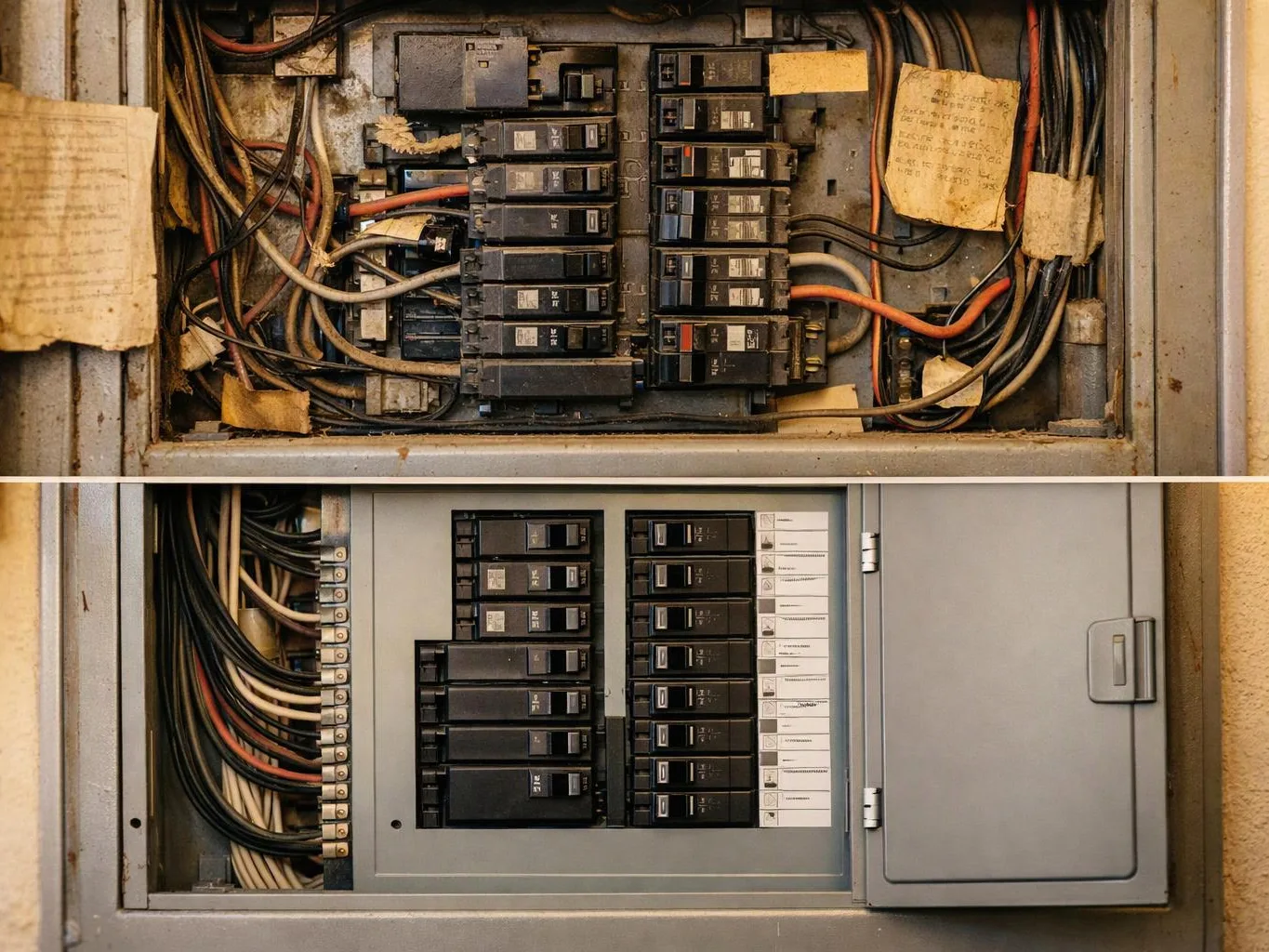
The affected circuit and its connected equipment usually decide the repair scope. We inspect the service panel, breaker, wiring path, outlets, switches, and lights tied to the symptom. Access also matters because concealed wiring can require a different work plan. We explain the parts involved before we set the estimate.
Which material changes how long the repair takes?
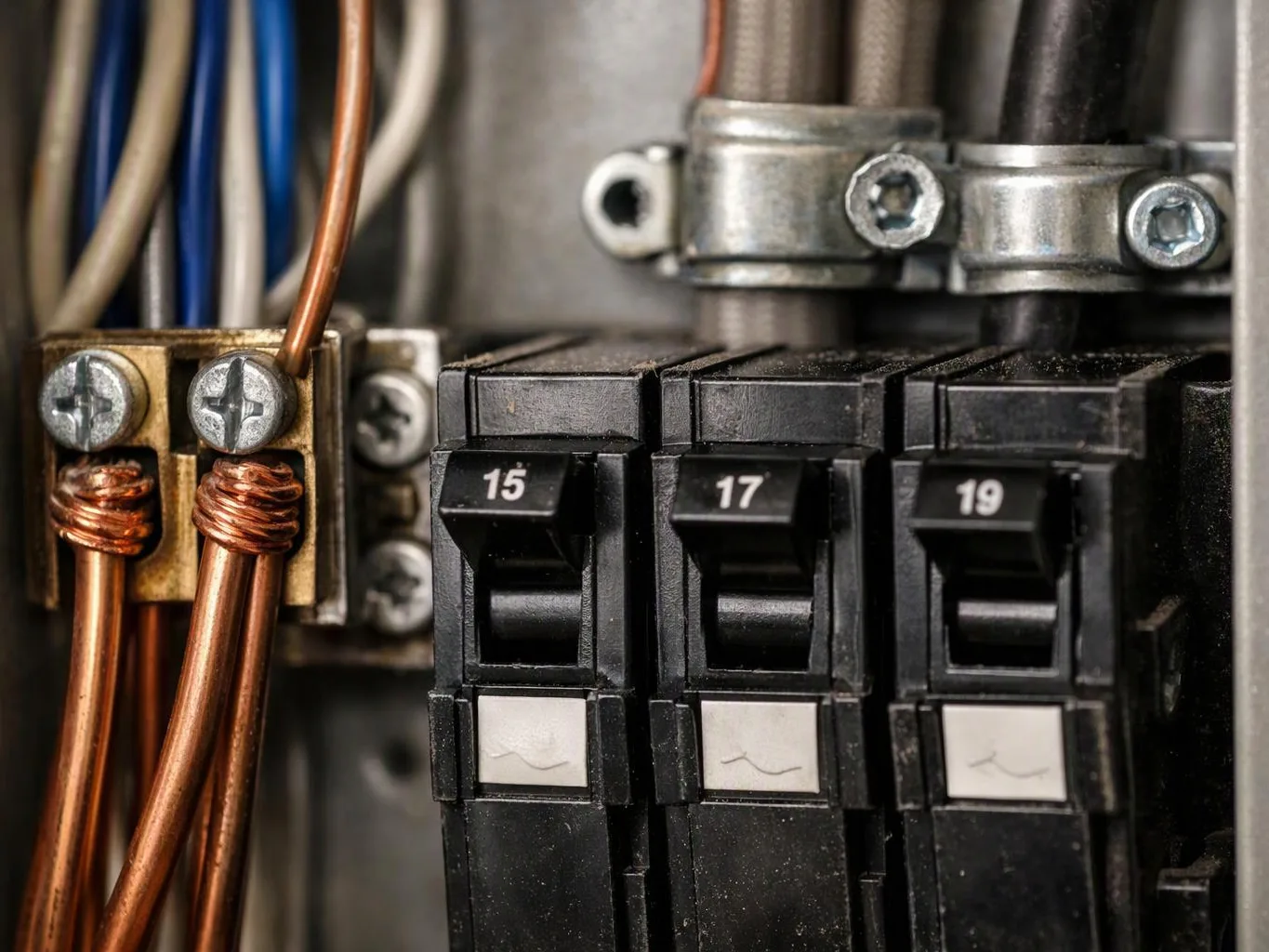
The wiring material and its condition can change the repair work. Copper conductors, aluminum wiring, damaged insulation, and older connection methods need different checks. We identify the material, inspect the terminals, and test the circuit before planning the repair. The fault location and access also shape the work plan.
How does a commercial electrical repair visit move from the first call to the last step?
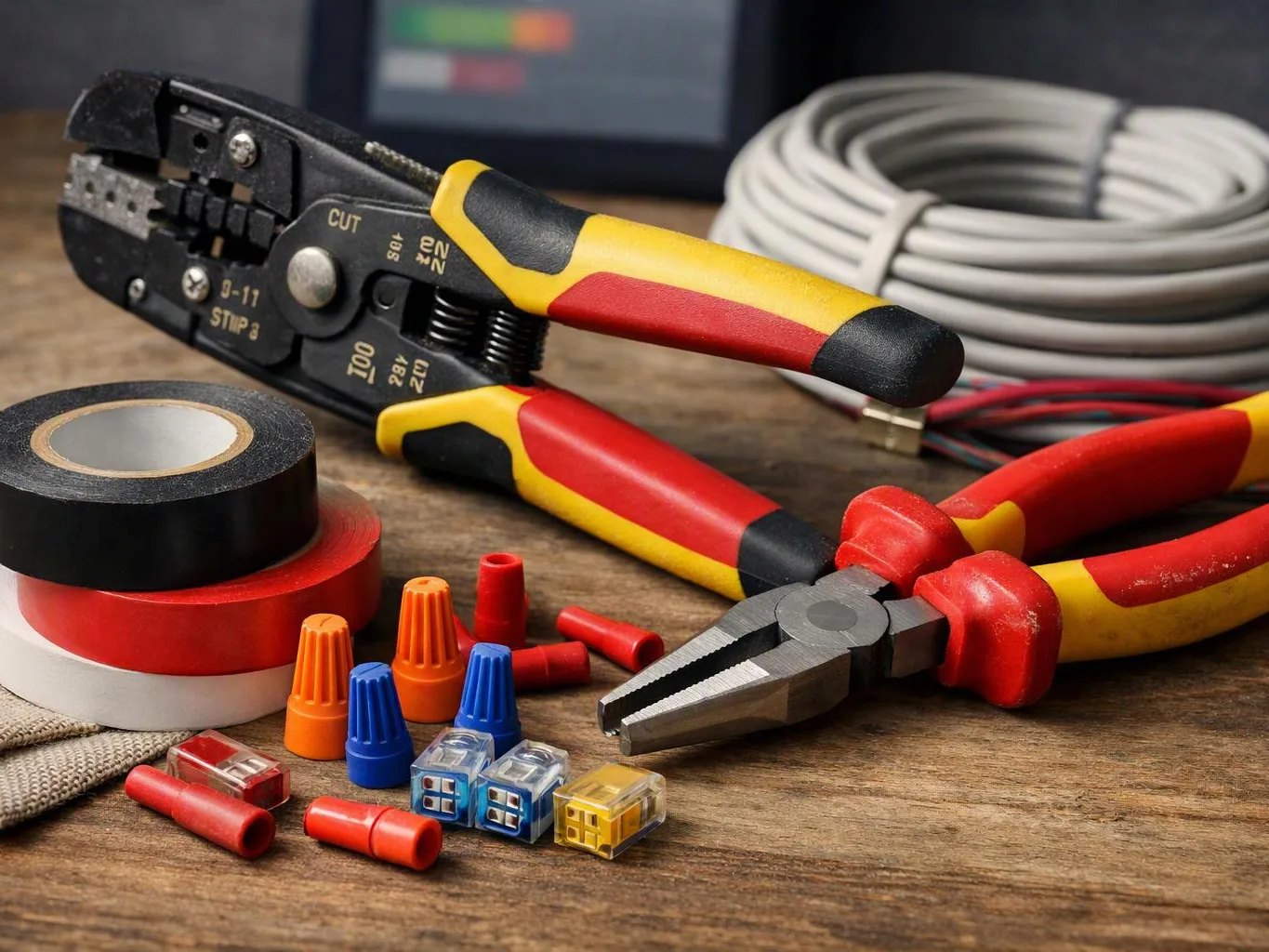
The visit moves from symptom review to circuit testing, repair planning, and estimate review. We record the affected area, isolate the circuit, test voltage, inspect connections, and explain the scope. The property owner then receives a free estimate for the planned work. We keep the discussion focused on the fault and the parts involved.
What should a business do before electrical troubleshooting begins?
The business should identify the affected area and keep clear access to the electrical panel. Note which equipment, outlets, lights, or breakers show the fault. Do not open energized panels or handle damaged wiring. Share any burning smell, buzzing, sparking, or recent power event so we can plan the inspection safely.
When does a breaker problem need more than a reset?
A breaker problem needs more than a reset when it trips again, feels hot, buzzes, or affects several connected loads. We inspect the breaker, trace the circuit, and check the wiring and connected equipment. Repeated trips can point to an overload, short, poor connection, or failed part. The repair plan follows the cause we find.
Why can one dead outlet point to a larger fault?
A dead outlet can point to an upstream connection, tripped breaker, failed receptacle, or damaged circuit. We test the outlet and follow the circuit back toward the panel. Nearby outlets, switches, and lights help show whether the fault is local or affects a wider circuit. We then explain the repair scope.