Can heat damage lead to an electrical fire?
Yes, heat damage can weaken insulation and create unsafe connections. We check the marked outlet, wire, breaker, and nearby load for the source. We also look for melting and arc marks. Center Electric Service then explains whether the area needs corrective repair, part replacement, or more testing.
What does the crew look at first?
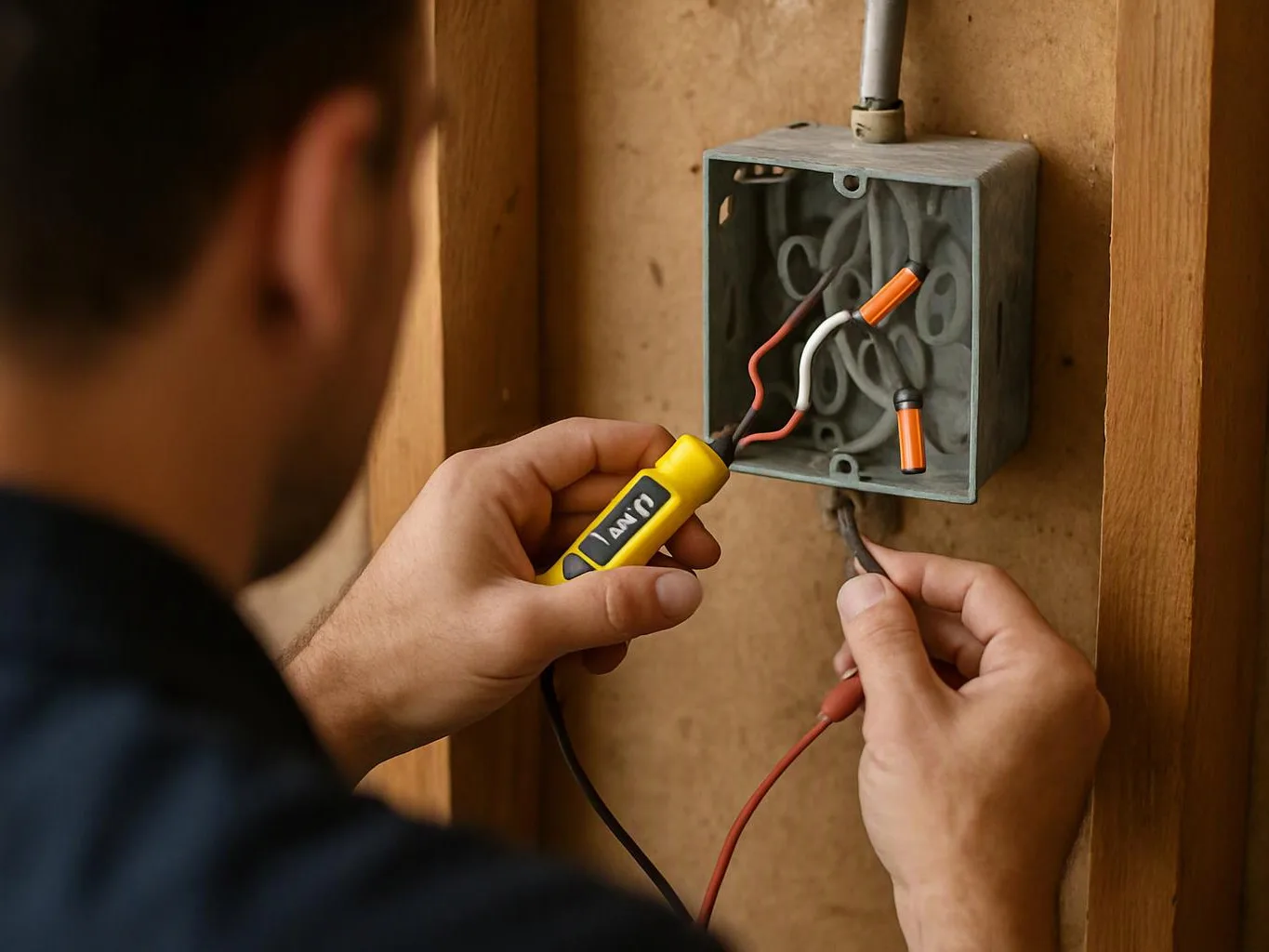
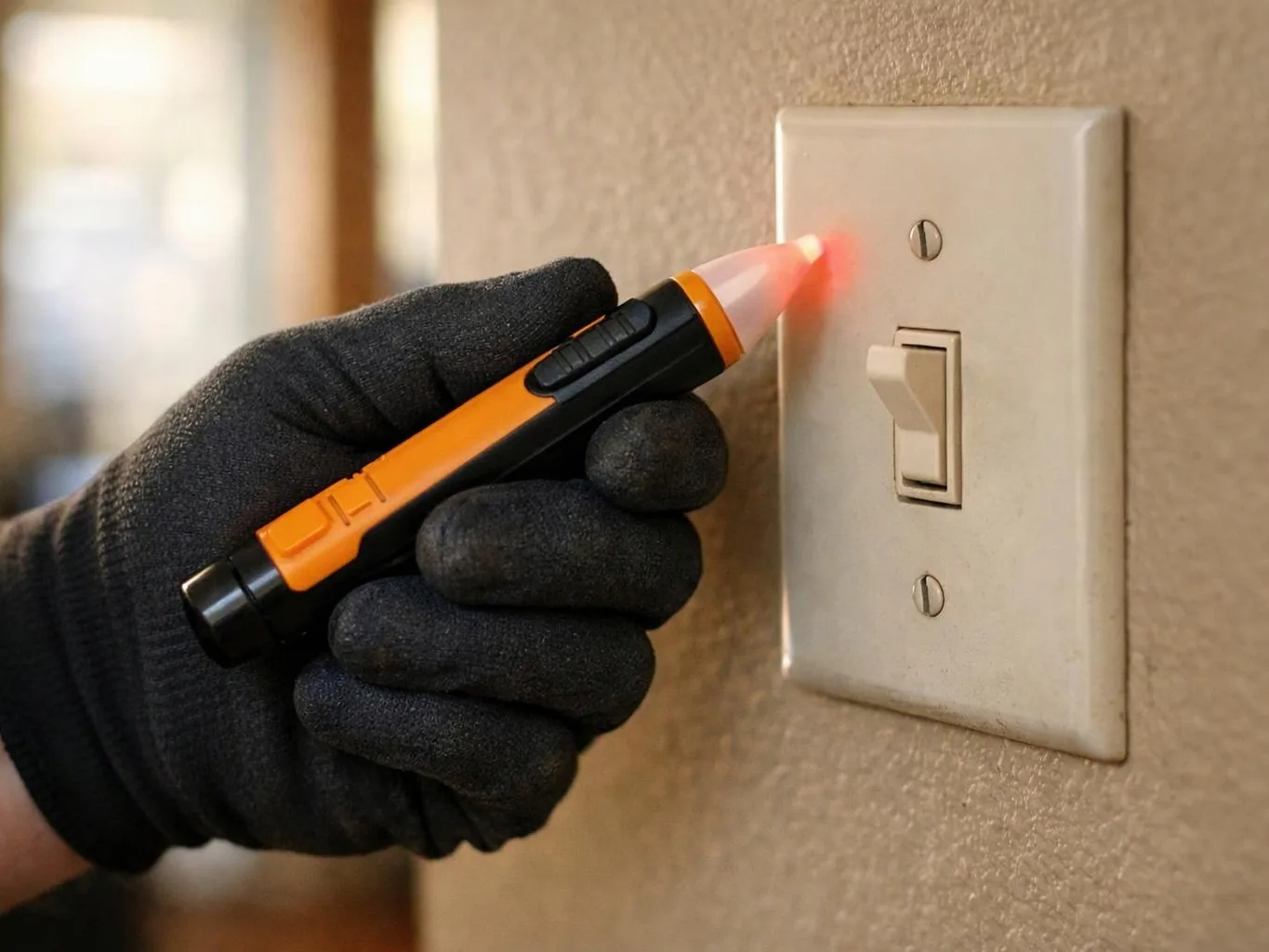
The affected outlet, switch, panel part, or wire gets the first check. We look for heat marks, loose terminals, melted covers, and damaged insulation. Customers should stop using a part that feels hot or smells burnt. We then trace the related circuit and check its breaker.
What should be checked before the inspection is scheduled?
The warning sign, affected room, circuit symptoms, and recent electrical changes should be noted first. Photos of a dark outlet or damaged cover can help explain the concern. Don't remove covers or touch damaged wiring. We use the details you share to set the inspection scope.
Who is a good fit for this service?
Homeowners, landlords, property managers, and business owners with safety concerns are good fits. The service suits heat marks, flickering lights, breaker trips, burnt smells, and wiring questions. A known failed part may need corrective repair instead of an inspection. We explain that choice before work begins.
Why can a breaker keep tripping after reset?
A breaker can keep tripping because a circuit has excess load, damaged wiring, a loose connection, or a faulty device. We check the breaker and trace the circuit before another reset. Customers should stop repeated resets when the breaker trips again, especially with heat, odor, or sound.
Which repairs may need more work after inspection?
Panel damage, hidden wiring faults, failed breakers, and damaged insulation may need corrective repairs after the check. Access to wires can affect the repair plan. We explain the part, circuit, and work area involved. Permits or added testing may apply to some repair work, based on the project.
How do smoke alarms relate to an electrical safety check?
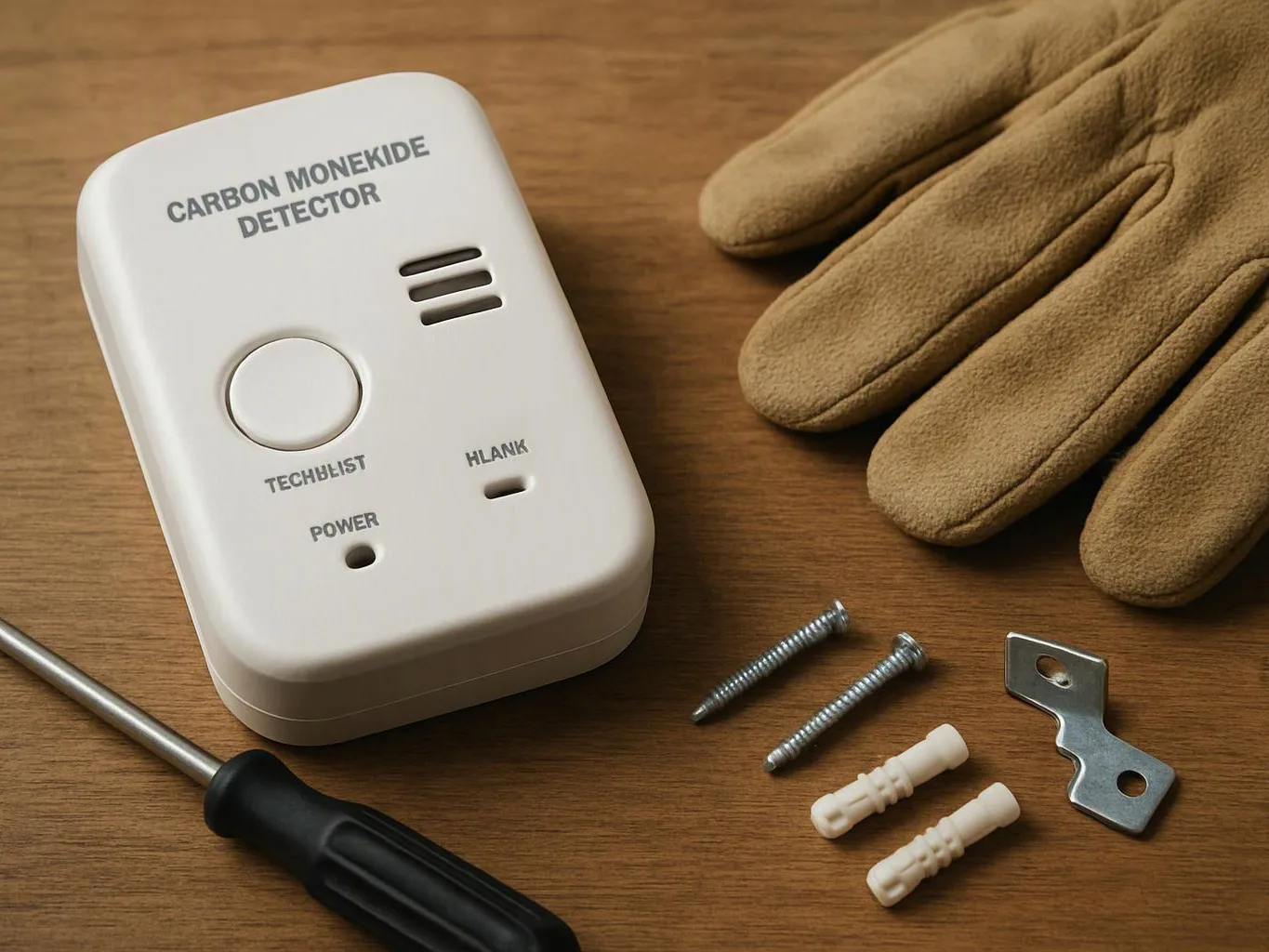
Smoke alarms warn of smoke, but they don't test wiring or stop electrical faults. We check smoke alarms when they relate to the safety concern. We also inspect the electrical parts that may create heat or sparks. A smoke alarm problem may need separate alarm service.