What does the crew look at first during an electrical safety inspection?
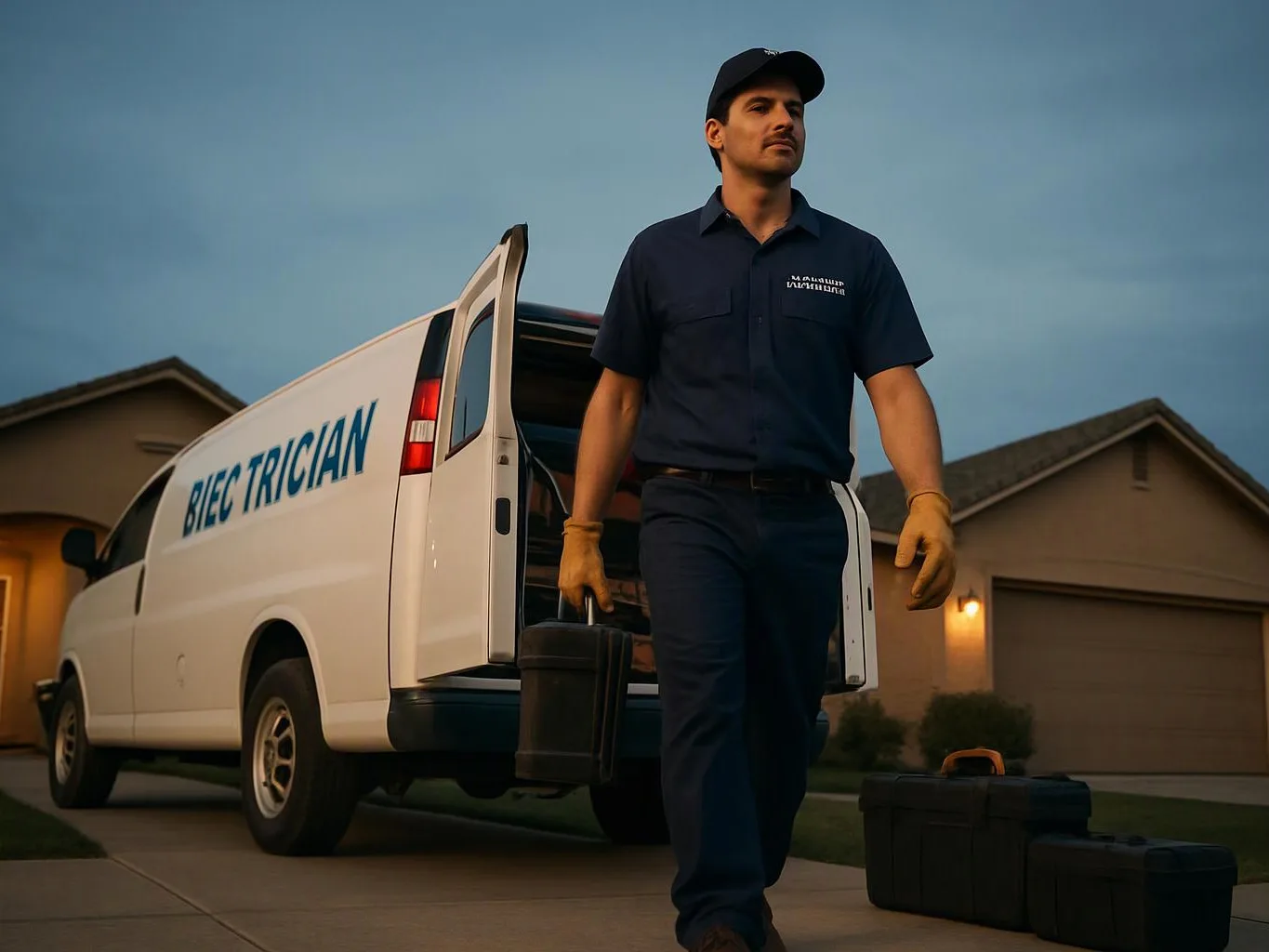
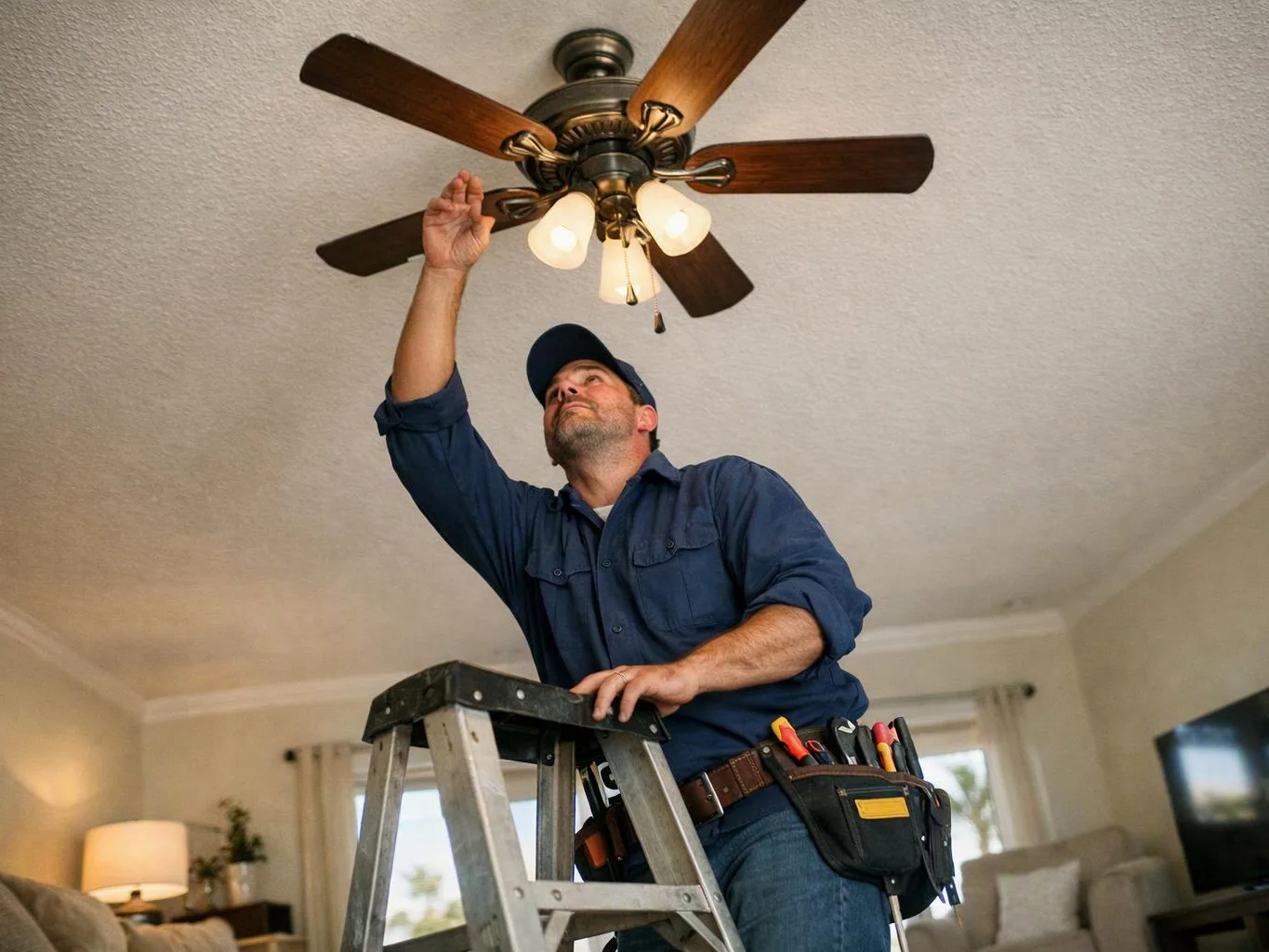
Center Electric Service checks the main panel first for heat marks, loose parts, damage, and breaker concerns. We then review the reported warning signs and affected circuits. The inspection also covers visible wiring, grounding, and accessible outlets. Findings are explained before we discuss repairs or code corrections.
What should be checked before the inspection is scheduled?
The reported symptom should be noted before scheduling the inspection. Write down tripped breakers, warm outlets, flickering lights, power surges, or areas without power. Keep access clear around the main panel and affected rooms. Photos can help explain visible damage, but don't touch exposed wires.
Who is a good fit for an electrical safety inspection?
Homeowners, landlords, property managers, and business owners are good fits for this service. The inspection suits safety concerns, planned repairs, and property reviews. Active smoke, sparks, burning smells, or exposed wires need urgent repair attention. We can explain which service fits the condition.
Which part of the job changes the estimate most?
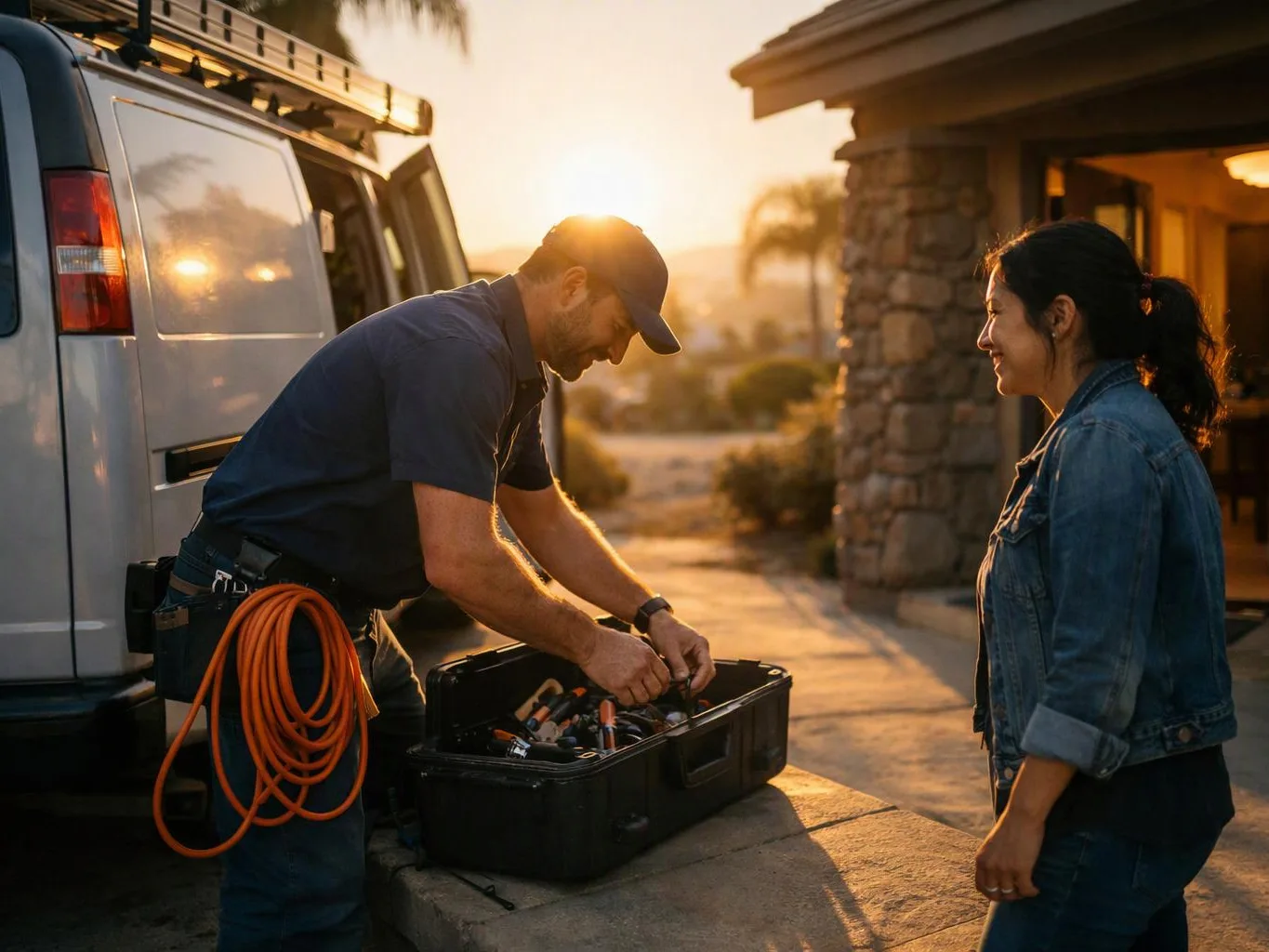
The inspection scope changes the estimate most when access is limited or several circuits need review. Panel access, outlet count, wiring visibility, and follow-up repairs also affect the work. We explain the scope first. Free estimates are available, and financing or payment plans are offered.
When should an outlet be included in the inspection?
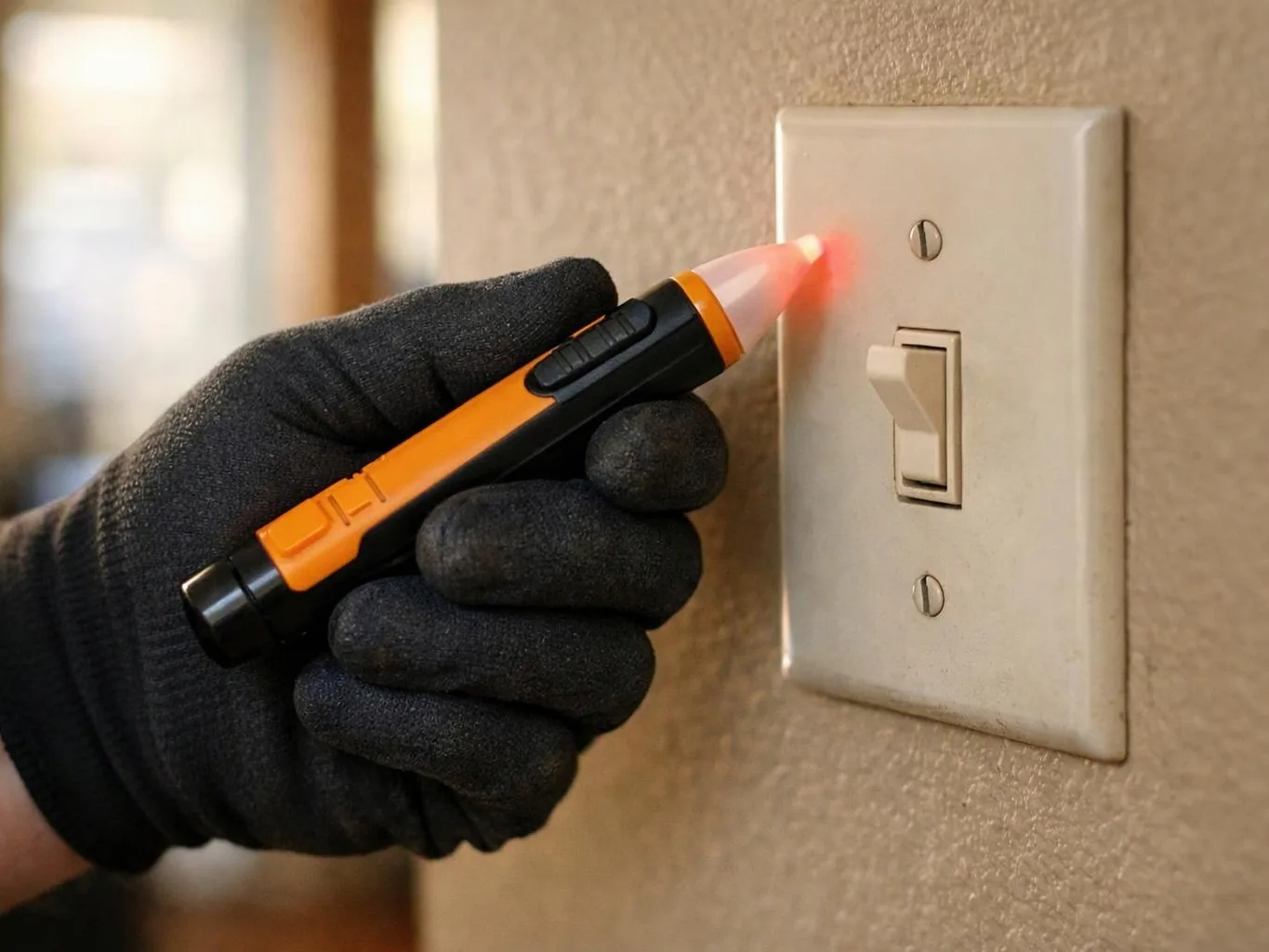
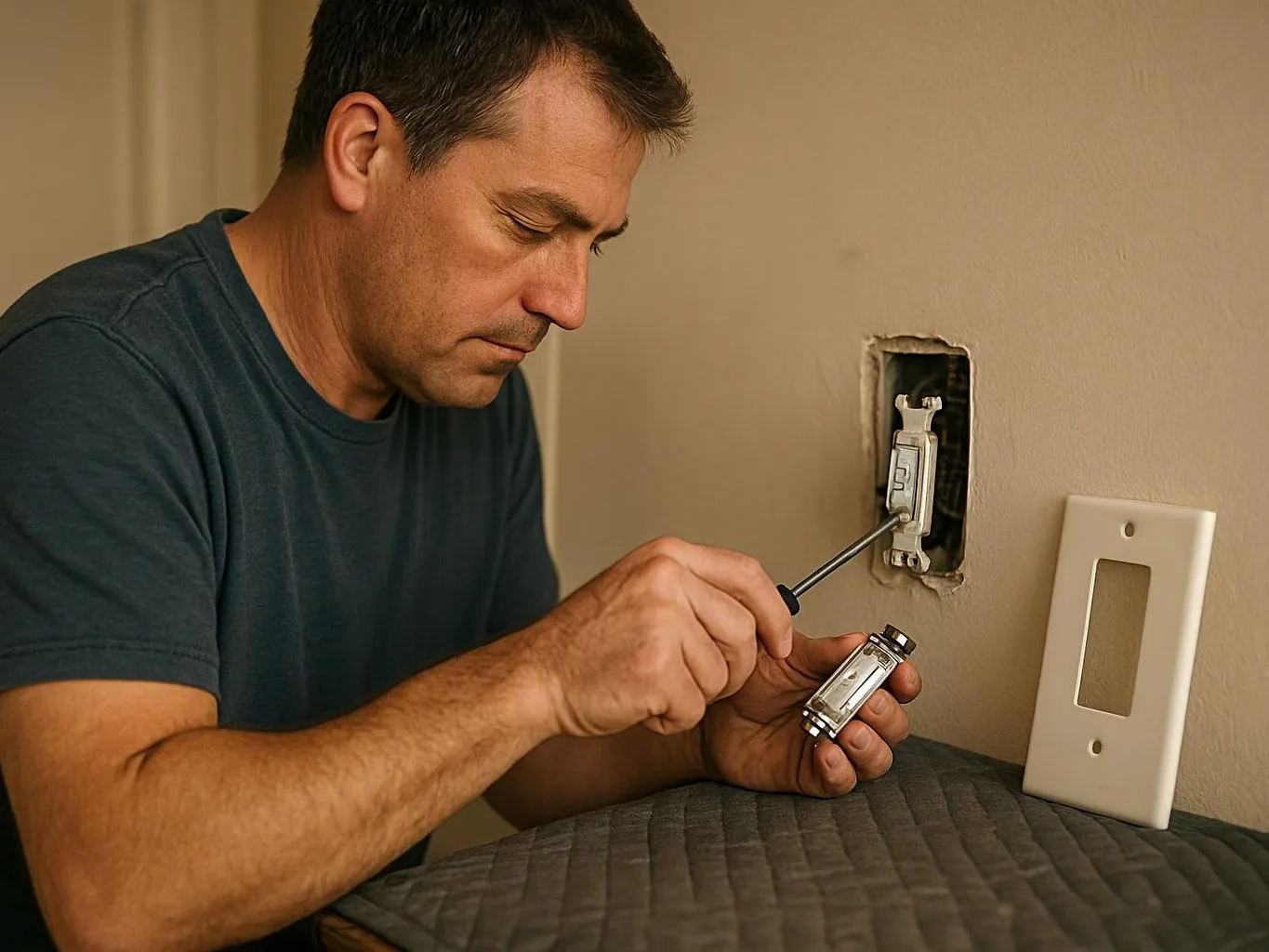
An outlet should be included when it feels warm, sparks, looks damaged, loses power, or shares a circuit with a tripping breaker. We test accessible outlets for power and polarity. We also check nearby wiring and connections when the inspection allows. Don't use a damaged outlet until it is checked.
Why does grounding matter during an electrical safety check?
Grounding matters because it gives fault current a safer path during an electrical fault. We check visible grounding and bonding parts as part of the inspection. A weak or missing path can change the repair plan. We explain what we find and what work may address it.
How does a safety inspection differ from an electrical repair?
A safety inspection reviews the system for risks, while an electrical repair fixes a known fault. The inspection may find a damaged breaker, unsafe wiring, or an outlet issue. We explain those findings before repair work starts. Some conditions may need a separate repair visit or added parts.