How can I tell if my electrical system is unsafe in Chino Hills?
Burn marks mean Center Electric Service should inspect the affected circuit and nearby components. We check for heat damage, loose connections, overloaded wiring, and breaker problems. Exposed wires, loose outlets, and overheated components also raise concern. Turn off power to the affected area if it is safe, and avoid using damaged outlets until we complete the inspection.
What should be ready before an electrical safety inspection starts?
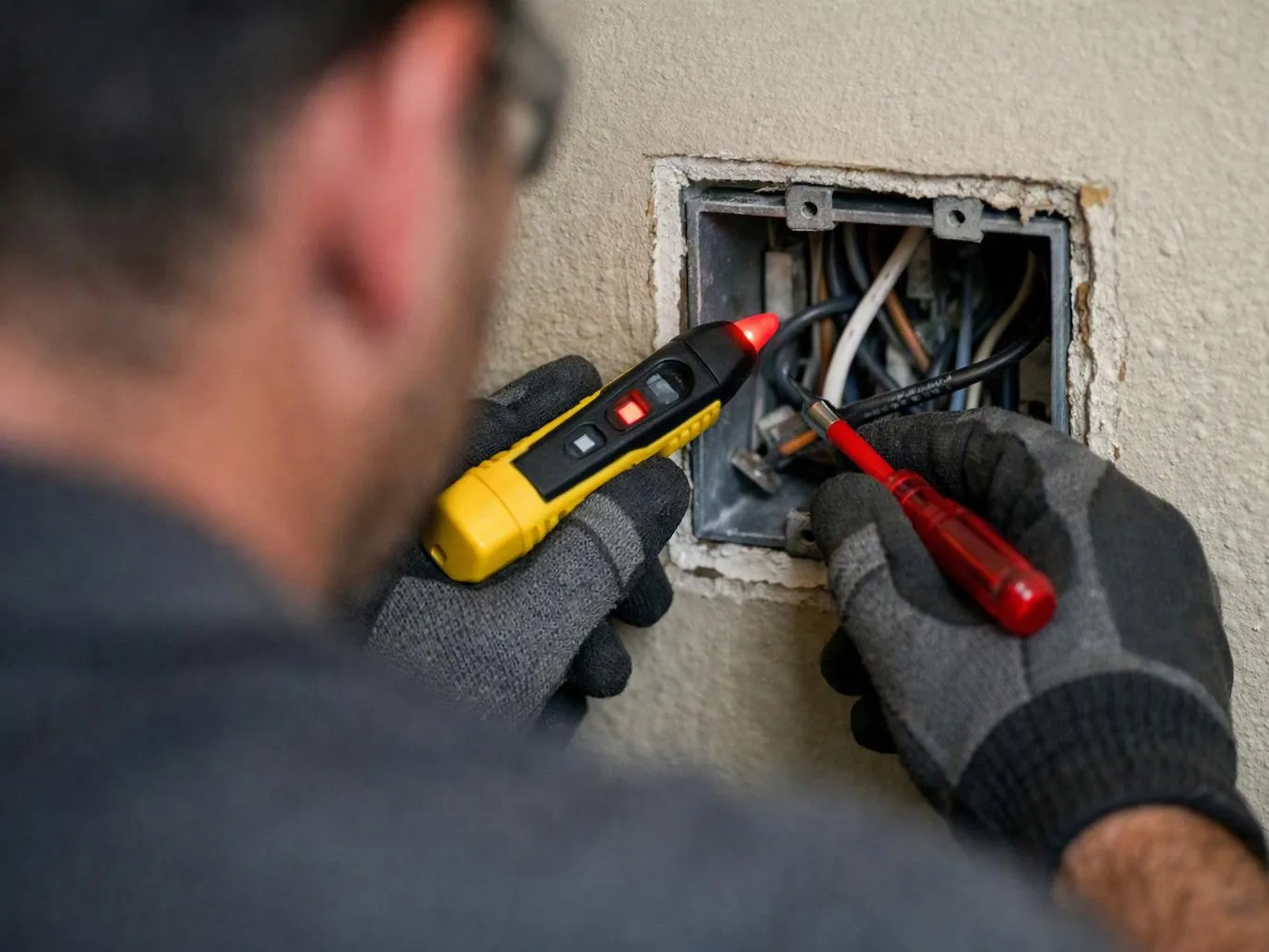
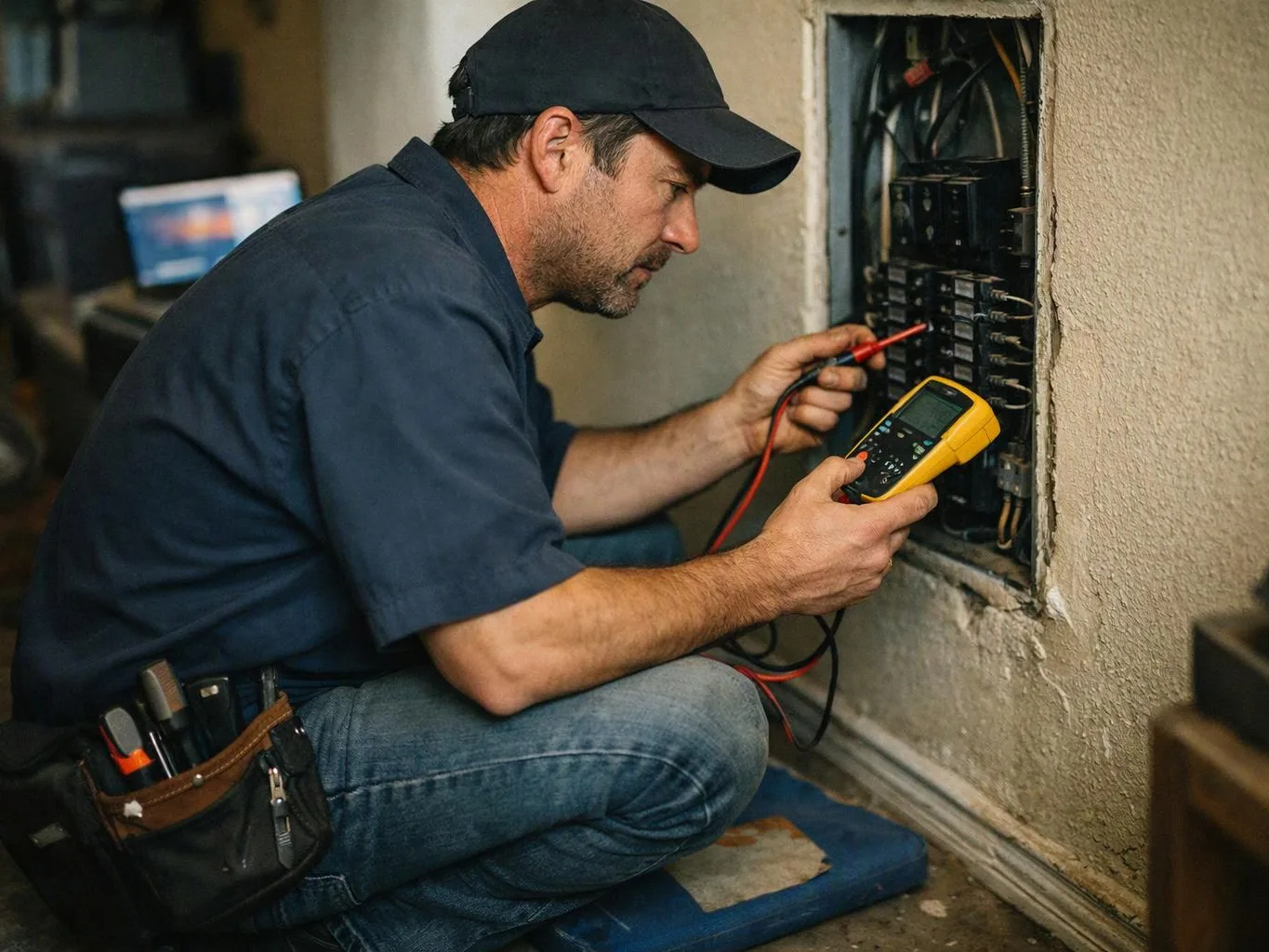
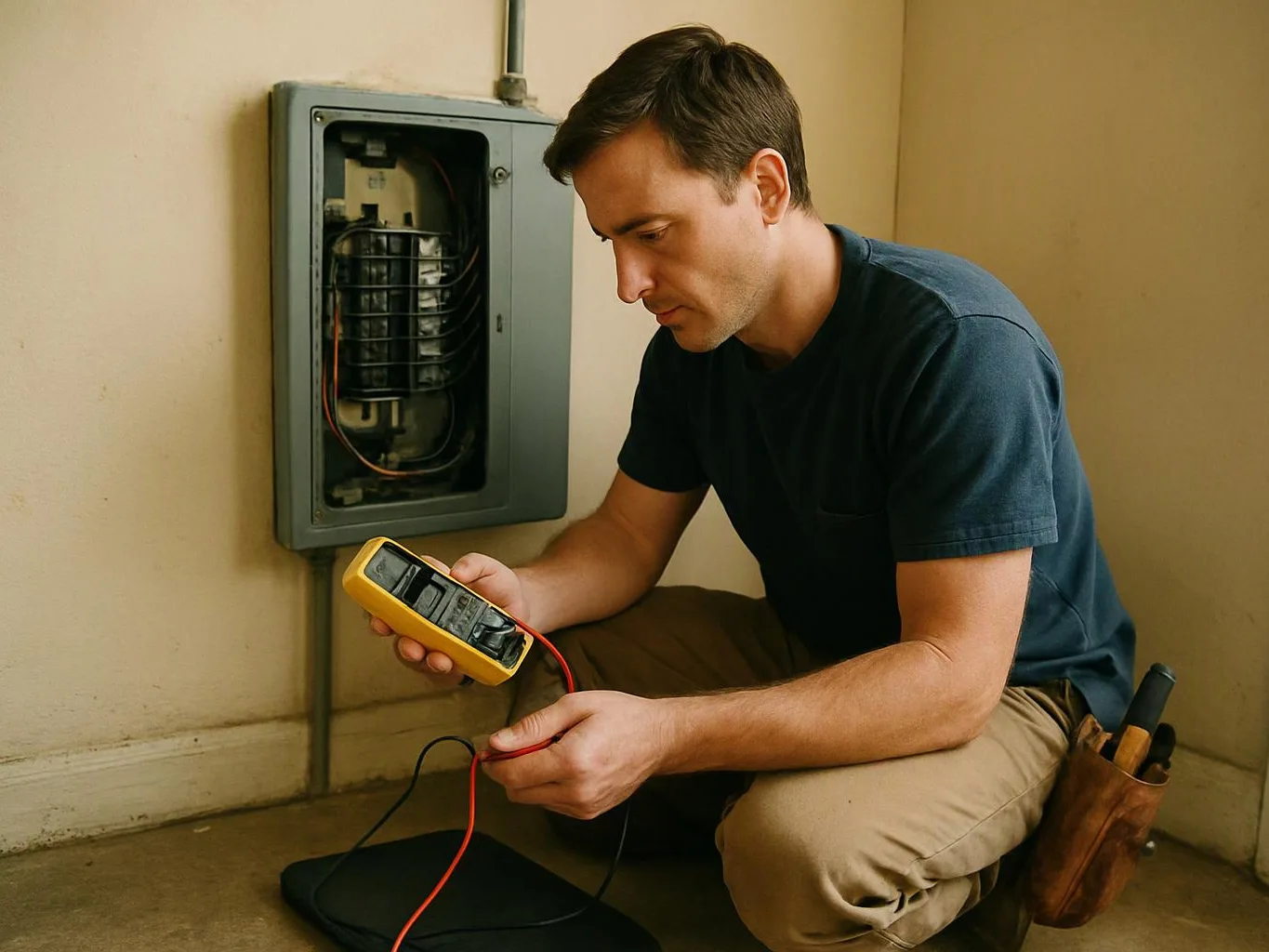
Property access and a clear path to the electrical panel help the inspection begin safely. Please identify flickering lights, dead outlets, warm switch plates, or breakers that keep tripping. Keep appliances connected if they help show the problem, but don't touch damaged wiring. Our team then checks the panel, circuits, outlets, switches, and visible connections.
Which property condition changes the inspection time?
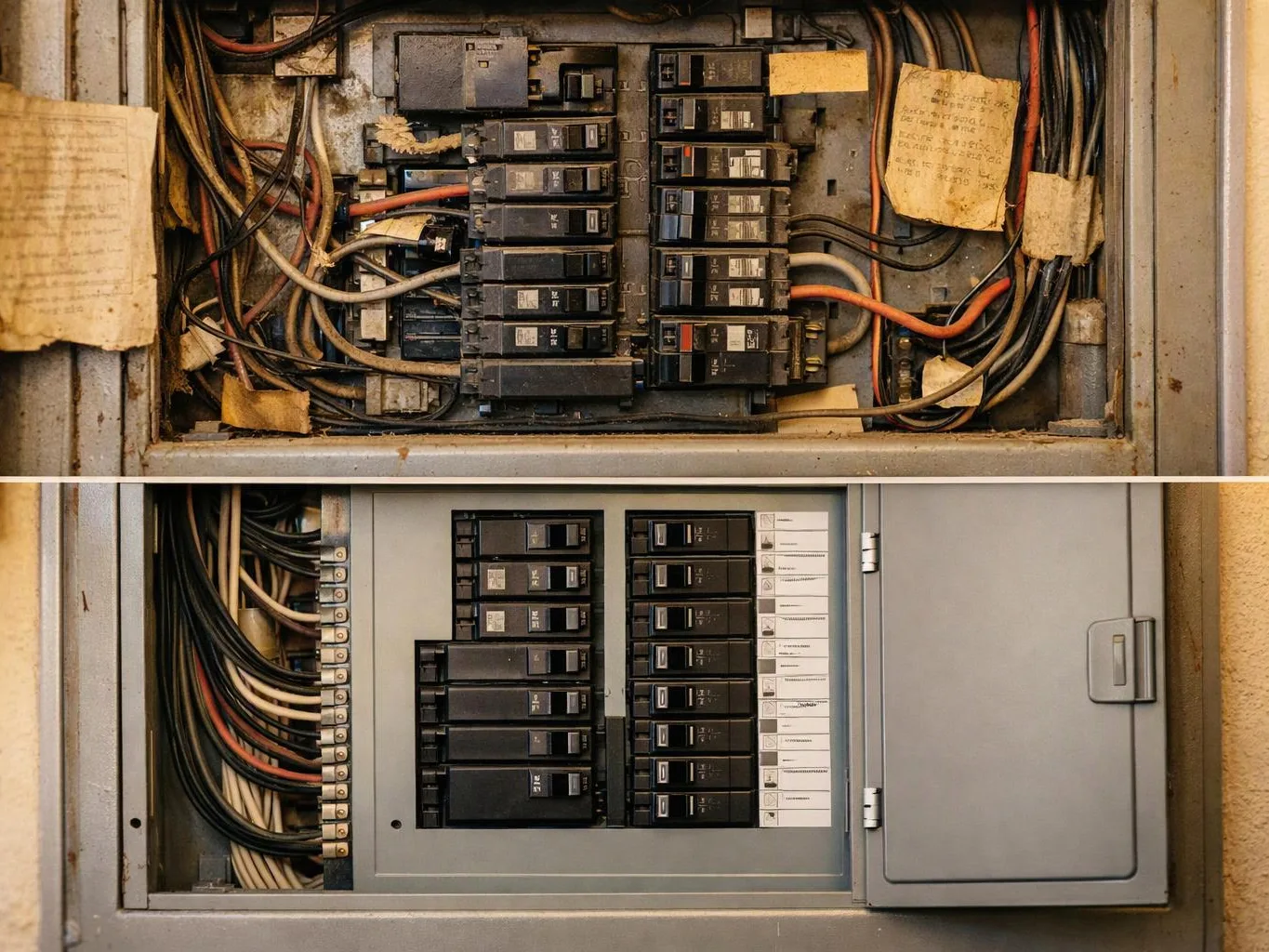
Restricted panel access, hidden wiring, and multiple affected circuits change the inspection work. A buzzing panel or repeated breaker trips can require closer circuit tracing. Rooms with locked areas, stored items, or hard-to-reach outlets also need planning. We explain the added scope before moving from inspection to repair or upgrade work.
When should I request an electrical safety inspection?
Request an inspection when you notice heat, sparking, damaged insulation, or repeated power loss. A burning smell from an outlet or a buzzing panel needs prompt attention because heat can damage wiring. We isolate the affected area when appropriate, inspect the related circuit, and explain whether repair, grounding correction, or a panel review is the next step.
Why does a breaker keep tripping after I reset it?
A breaker that keeps tripping often points to an overloaded circuit, a short, or a faulty connection. Resetting it again doesn't identify the cause. Our team traces the circuit, checks connected loads, examines receptacles and switches, and tests the breaker. The inspection helps decide whether the issue needs a repair, a dedicated circuit, or further panel work.
How is the inspection matched to my property before work starts?
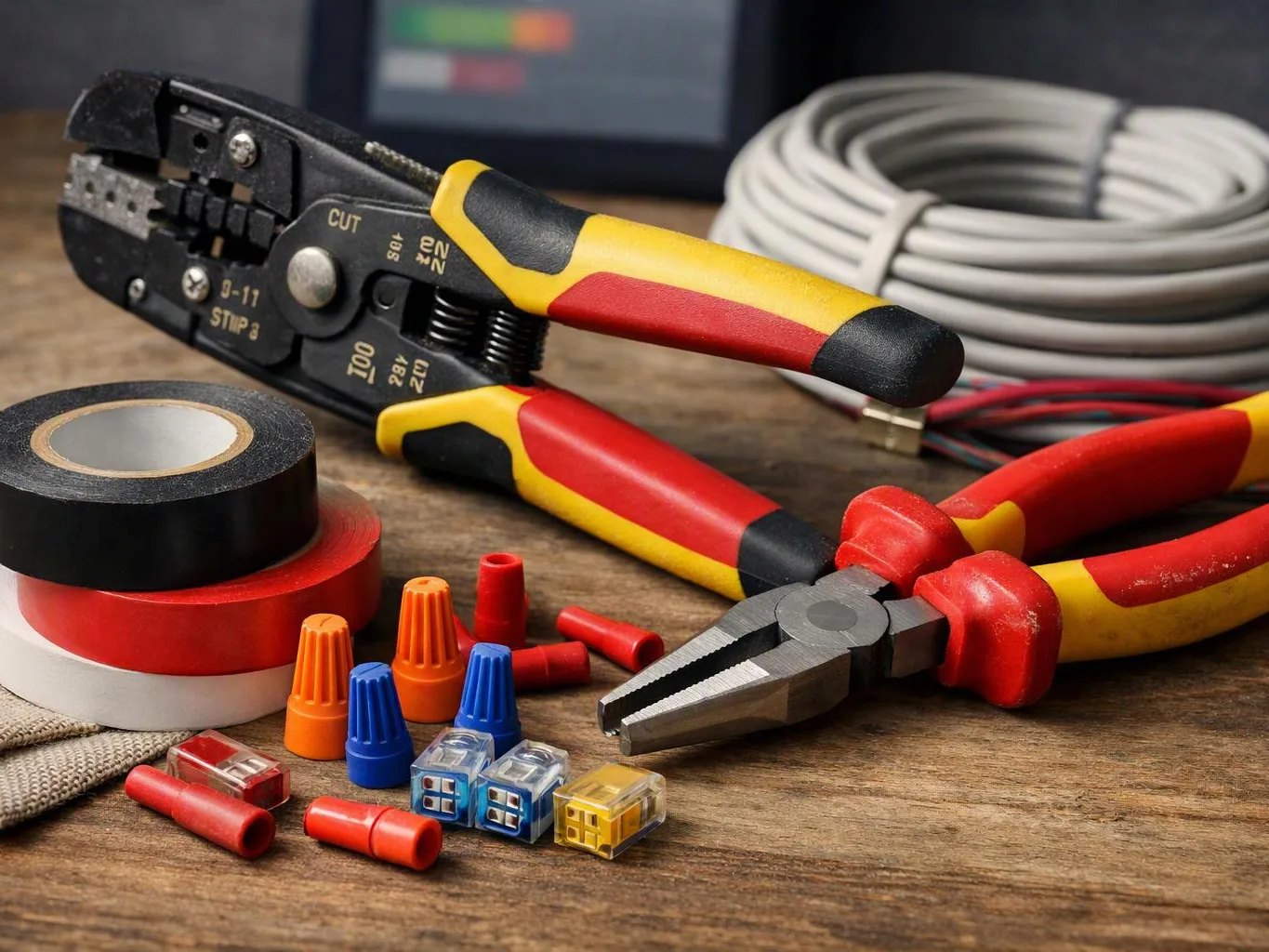
The property type, electrical layout, reported symptoms, and panel access guide the inspection plan. Homes and businesses can have different loads, circuit layouts, and operating needs. We review the concern first, then choose focused checks such as circuit mapping, outlet testing, grounding review, or load calculation. The findings guide the next work decision.