When should older wiring receive a safety inspection?
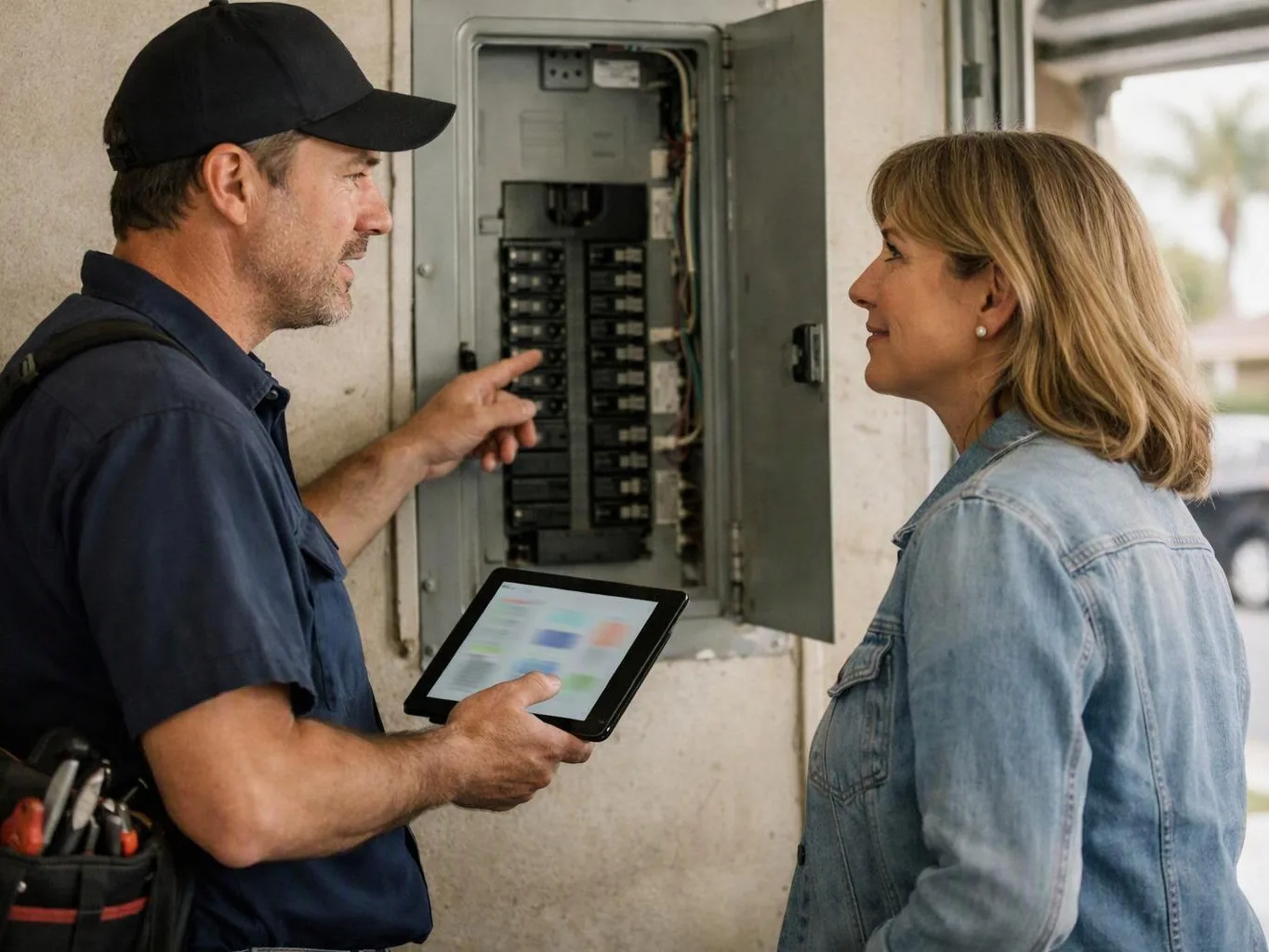
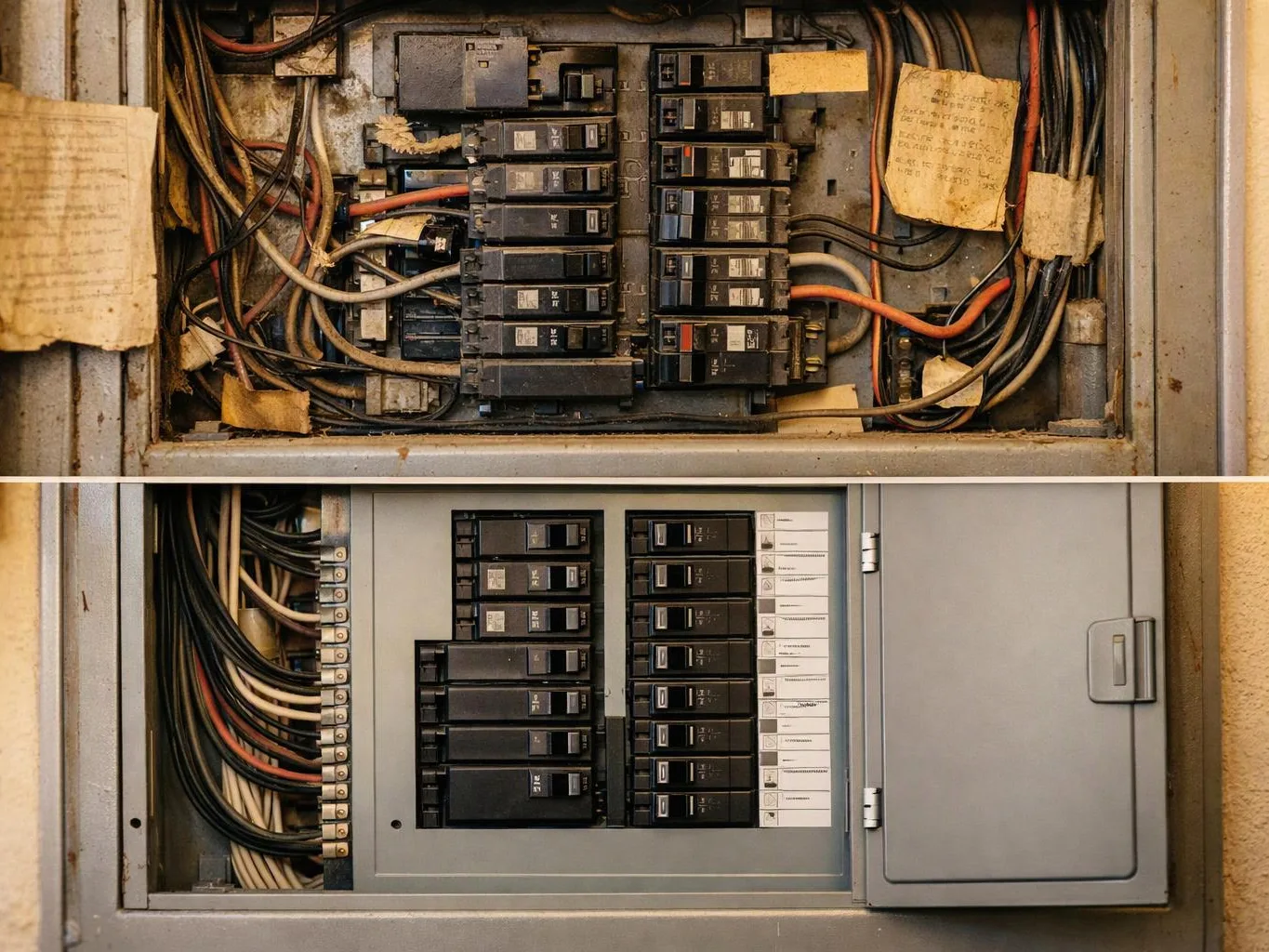
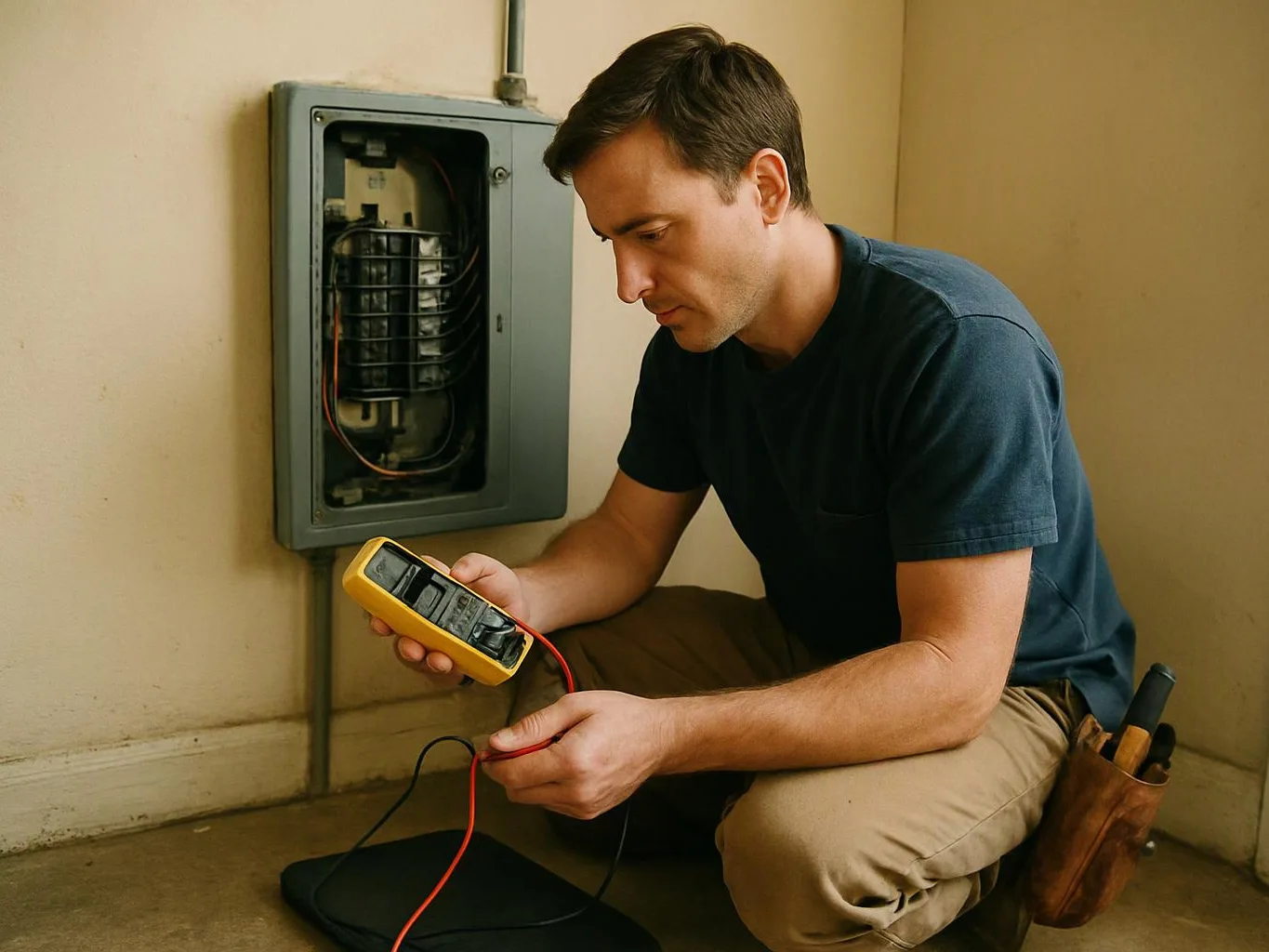
Missing grounding, faded insulation, repeated breaker trips, or planned remodeling justify a safety inspection. Center Electric Service checks accessible wiring, outlets, panels, and connections, then explains the repair decision. Older wiring can also deserve review when outlets feel warm, lights flicker, or devices lose power. The inspection helps identify whether the concern is local or tied to a wider circuit.
What should I ask before agreeing to an electrical safety inspection?
The inspection scope, access needs, testing method, and follow-up report should be clear before approval. Ask which panels, circuits, outlets, and wiring areas we’ll check. Confirm how we’ll separate inspection findings from repair work. You should also know whether limited access could leave hidden wiring unchecked, since visible inspection cannot confirm every concealed condition.
Which property condition changes the inspection work?
Limited access to panels, concealed wiring, or connected equipment changes the inspection work. We start with accessible components and note areas that need added access or testing. Heavy device loads, repeated breaker trips, and damaged insulation also guide the review. The property layout and reported symptoms shape which circuits receive closer attention.
How is the inspection matched to the property before work starts?
Property use, electrical symptoms, planned changes, and panel access guide the inspection scope. A home, office, retail space, and commercial property can present different circuit demands. We review the available information first, then focus on the parts most tied to the concern. That approach keeps the inspection connected to a real property decision.
Why do outlets lose power when the breaker looks normal?
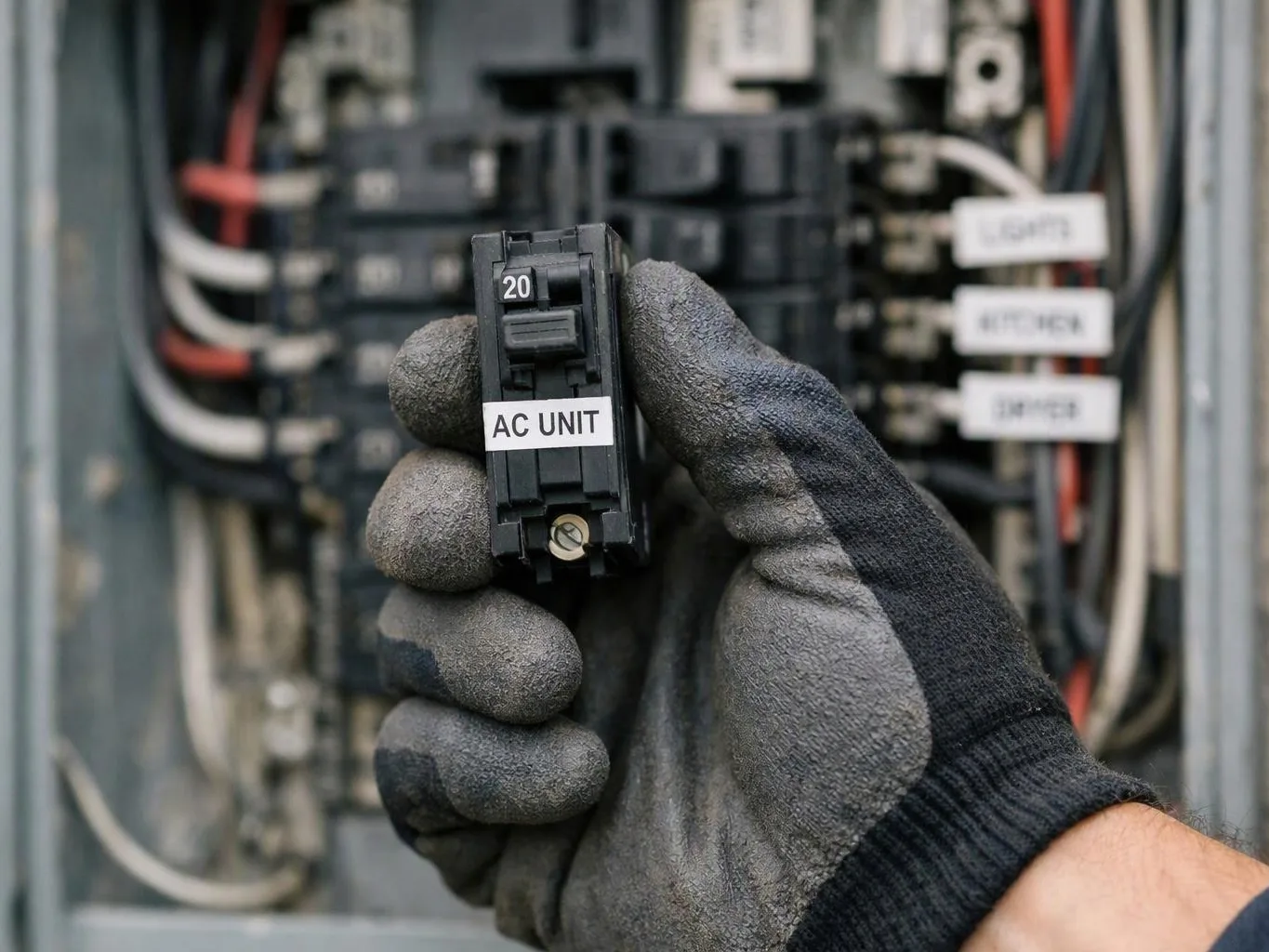
A dead outlet can result from a failed device, loose connection, tripped GFCI, or an issue farther along the circuit. We check the outlet, related devices, circuit path, and panel before selecting a repair. The visible outlet isn’t always the source of the fault. We also look for heat marks, damage, and connection problems.
What changes the time needed to inspect older wiring?
Access to panels, outlets, wiring paths, and connected equipment changes the time needed for an inspection. Concealed wiring and unclear circuit paths require more tracing. Reported symptoms also guide the order of checks. We explain any access or testing issue that affects the inspection scope before moving into repair work.