When should older wiring receive a safety inspection?
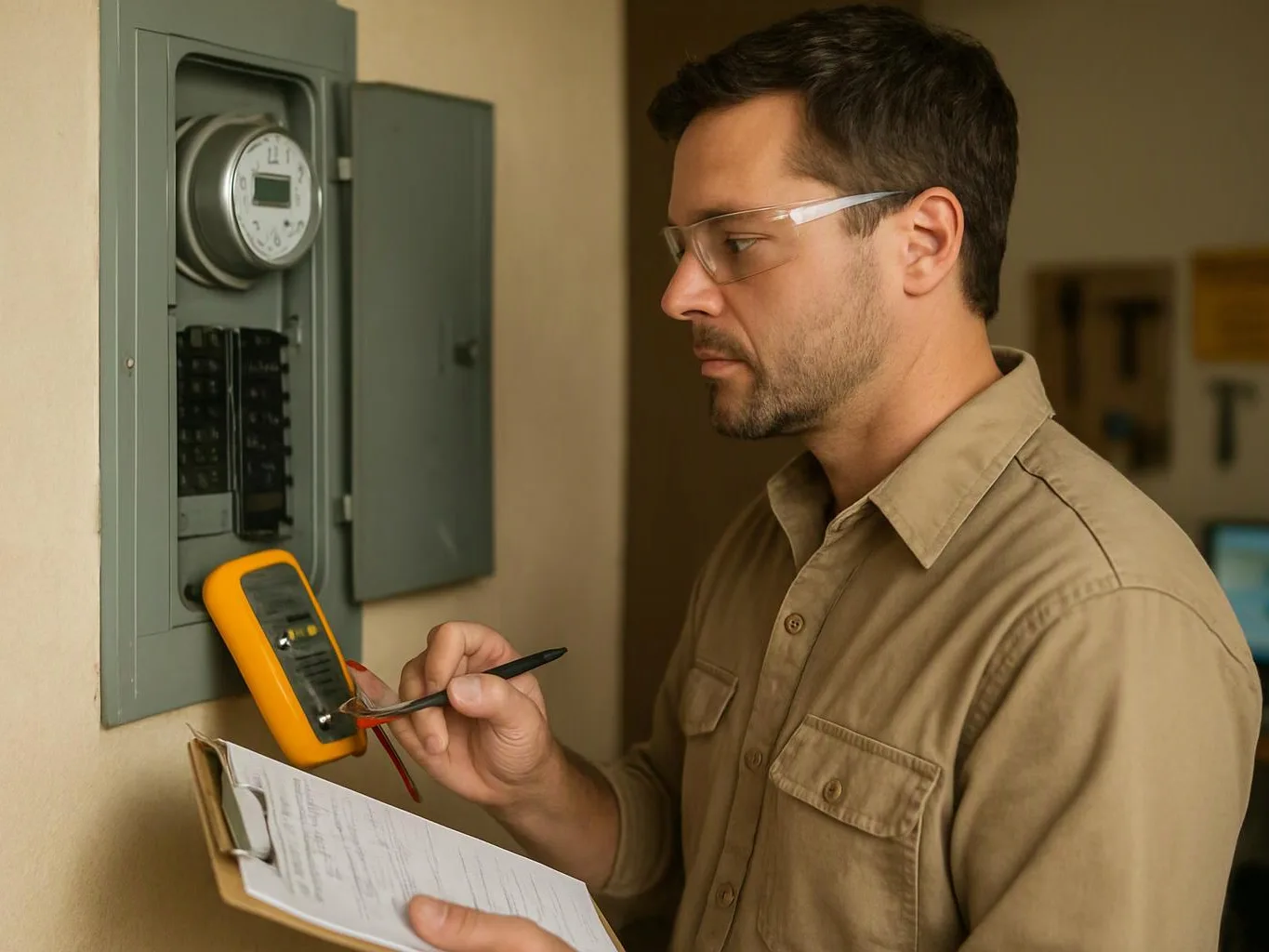
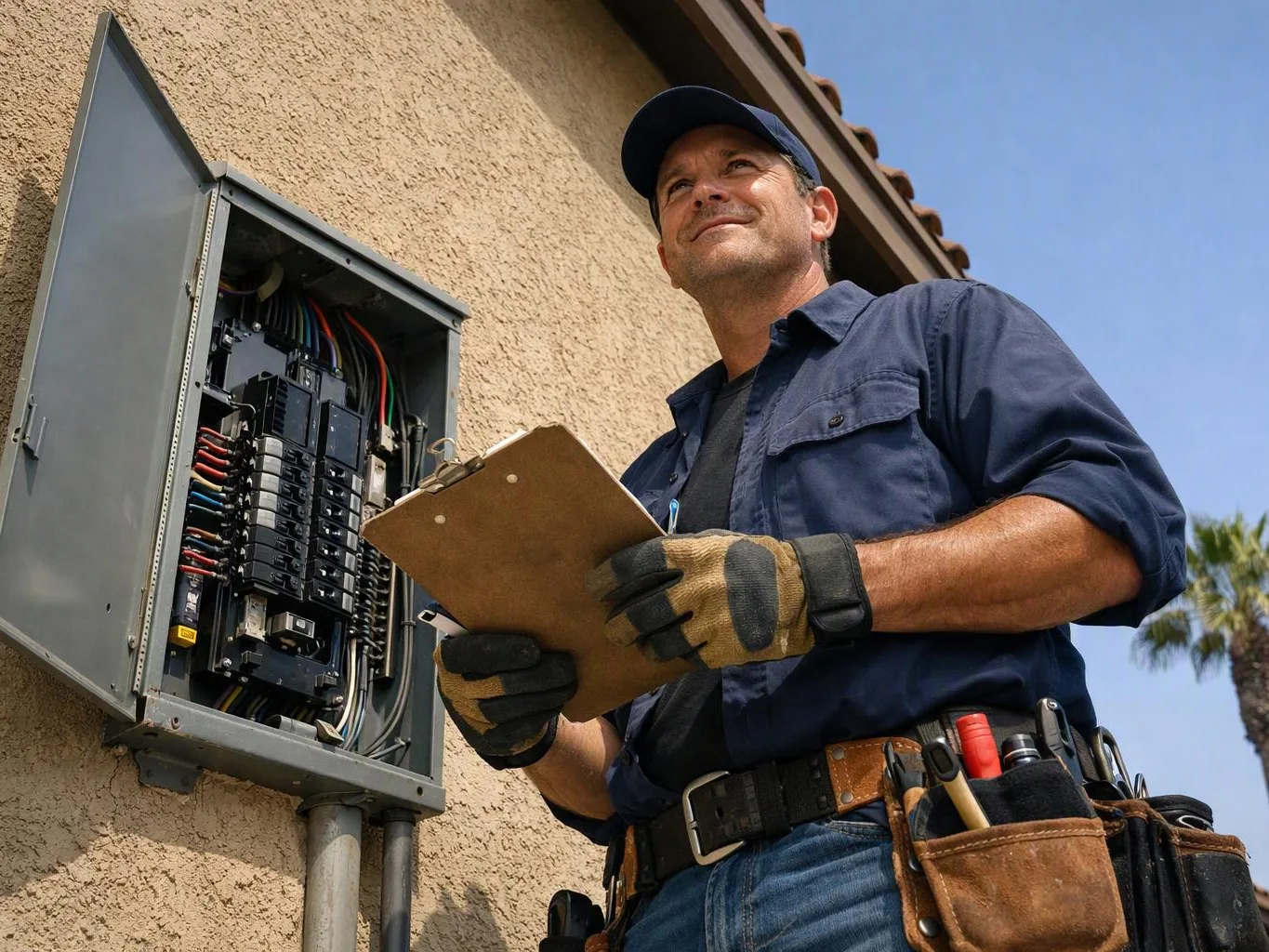
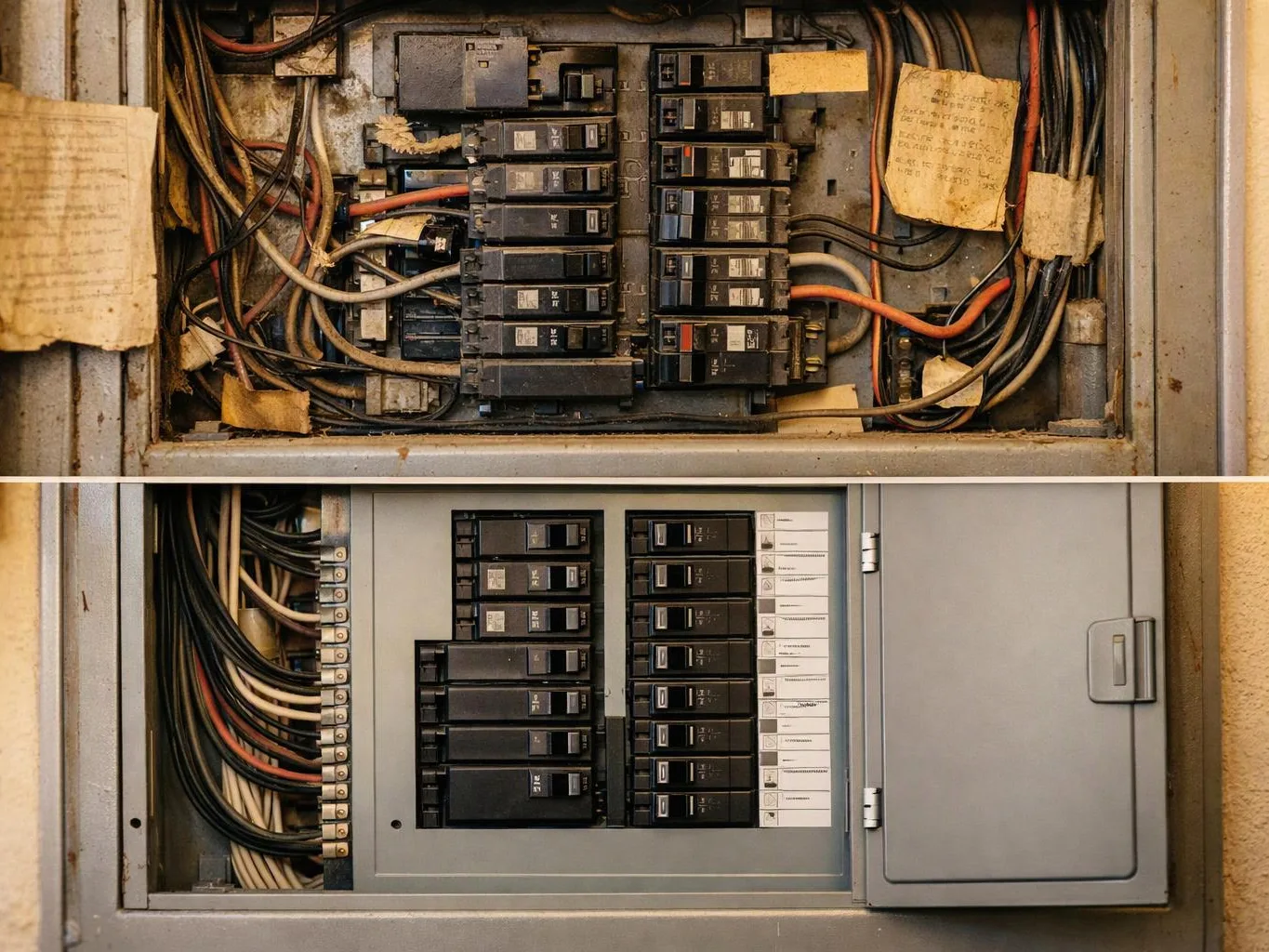
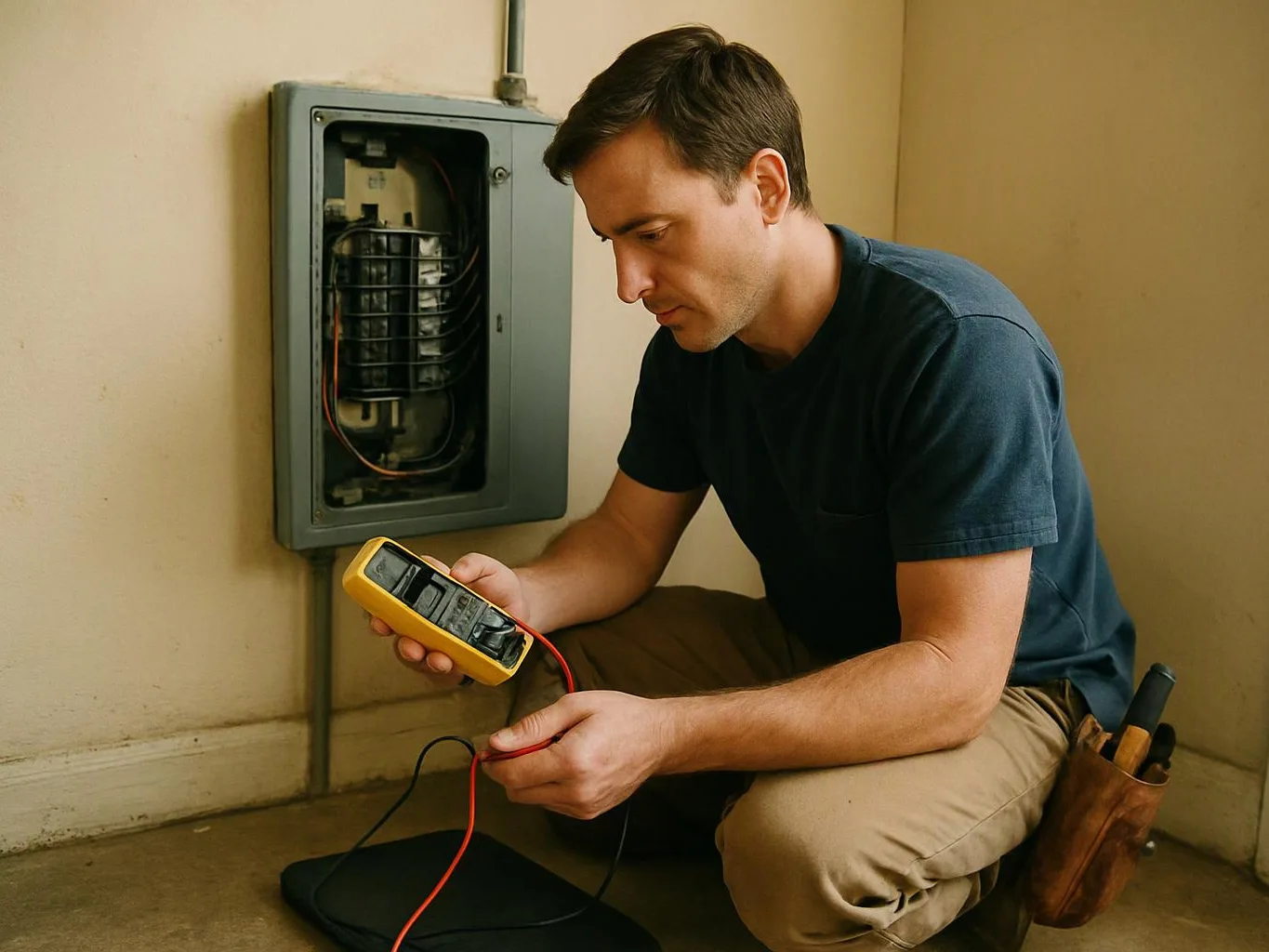
Knob-and-tube wiring should receive a safety inspection before remodeling, added circuits, property changes, or repair planning. Center Electric Service checks accessible wiring, insulation, grounding, outlets, and the panel. The inspection helps identify conditions that can affect new electrical work. It also gives the owner a clear basis for repair or replacement decisions.
How is the inspection matched to the property before work starts?
The property type, panel location, reported symptoms, and planned electrical use set the inspection scope. We review access first, then focus on the circuits and rooms tied to the concern. Homes, offices, and retail spaces can have different circuit demands. Our team keeps the assessment tied to the actual electrical parts in use.
What should be ready before the safety inspection starts?
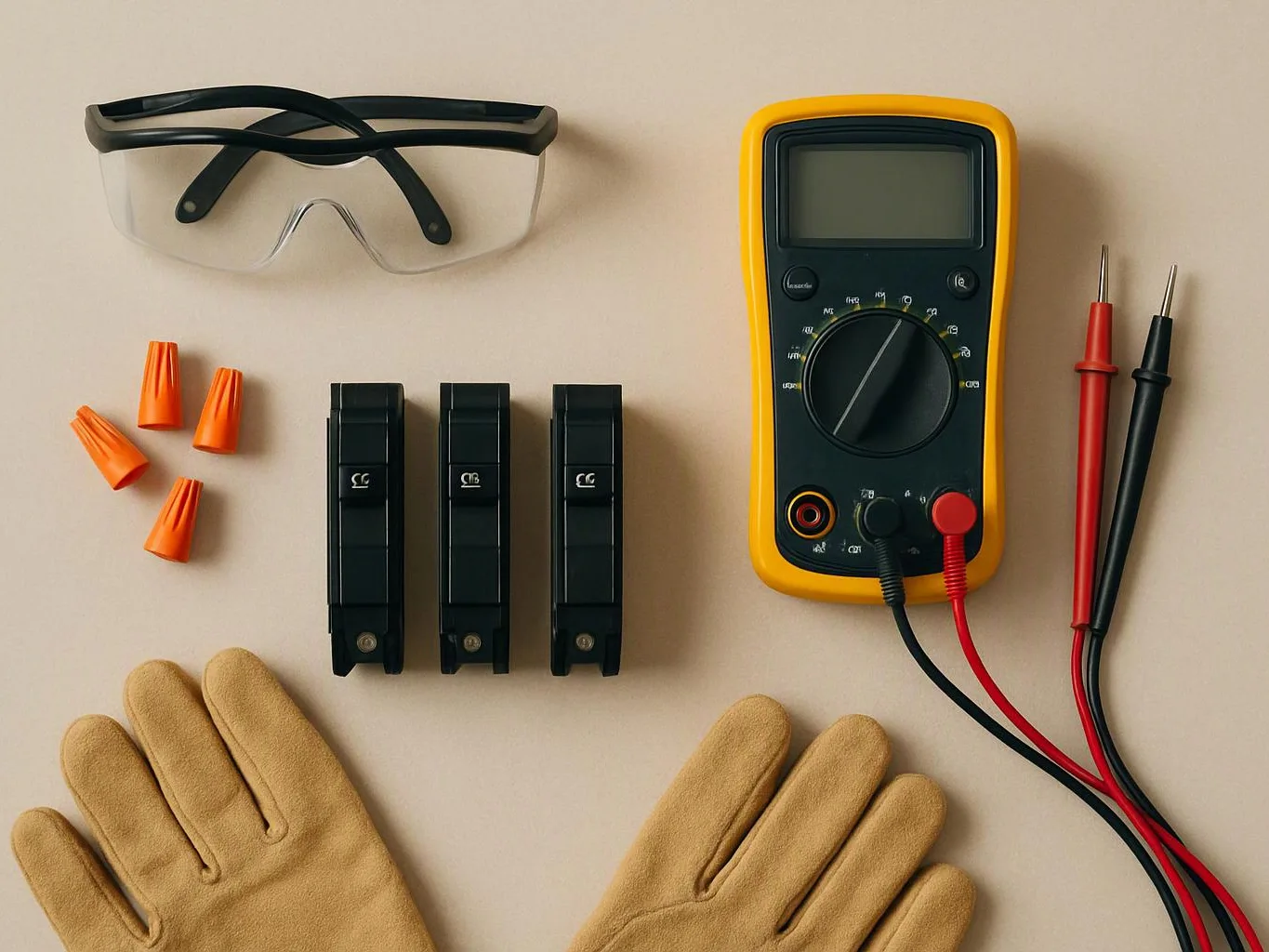
Access to the electrical panel, affected rooms, outlets, and switches should be ready before work starts. Remove items that block the panel or reported problem area. Share any history of flickering lights, warm plates, dead outlets, or breaker trips. That information helps us trace the right circuit and explain the findings.
Which condition on the property changes inspection time?
Limited access, hidden wiring, faded insulation, and unclear circuit paths can expand the inspection work. We need to locate the panel and identify the circuit tied to the reported concern. Aluminum wiring or missing grounding can also require closer review. We explain any added scope before related work proceeds.
Why does missing grounding matter before a remodel?
Missing grounding can leave a circuit without a safe path for fault current. We inspect outlets, circuit paths, and panel connections before new wiring or dedicated circuits are planned. The finding can change whether the next step is a grounding correction, circuit repair, or broader upgrade. We explain that choice from the observed condition.
What does a safety inspection tell me about aluminum wiring?
Aluminum wiring requires a closer review of accessible connections, terminations, and insulation condition. We check for heat marks, loose connections, and signs of stress at outlets, switches, and the panel. The inspection does not assume every aluminum circuit needs the same repair. The observed condition determines the next recommendation.
How does an inspection differ from electrical troubleshooting?
An inspection reviews the wider electrical condition, while troubleshooting follows a specific symptom to its source. We can inspect the panel, circuits, outlets, grounding, and visible wiring during a safety check. Troubleshooting may focus on one dead outlet or tripping breaker. The right scope depends on the owner’s concern and planned work.