Skip to content

Electrical Troubleshooting in Good Hope, CA

Center Electric Service provides 24-hour electrical help for homes and businesses in Good Hope. Our licensed, insured electricians check faults and unsafe parts.

Licensed & InsuredFree EstimatesWarranty AvailableSame-Day Service

Quick Summary: electrical troubleshooting in Good Hope, CA

Electrical troubleshooting in Good Hope is provided by Center Electric Service for homes and businesses. The work covers power loss, faulty wiring, breaker faults, surges, and lighting failures, with 24-hour electrician availability.

  • What we do: Center Electric Service provides Electrical Troubleshooting for homes and businesses in Good Hope, CA.
  • What is included: Checks outlets, breakers, GFCI devices, wiring, panels, surges, and failed lights.
  • What you get: The customer receives a clear fault finding and a defined repair path.

Why does a broken receptacle stop working unexpectedly in Good Hope, CA?

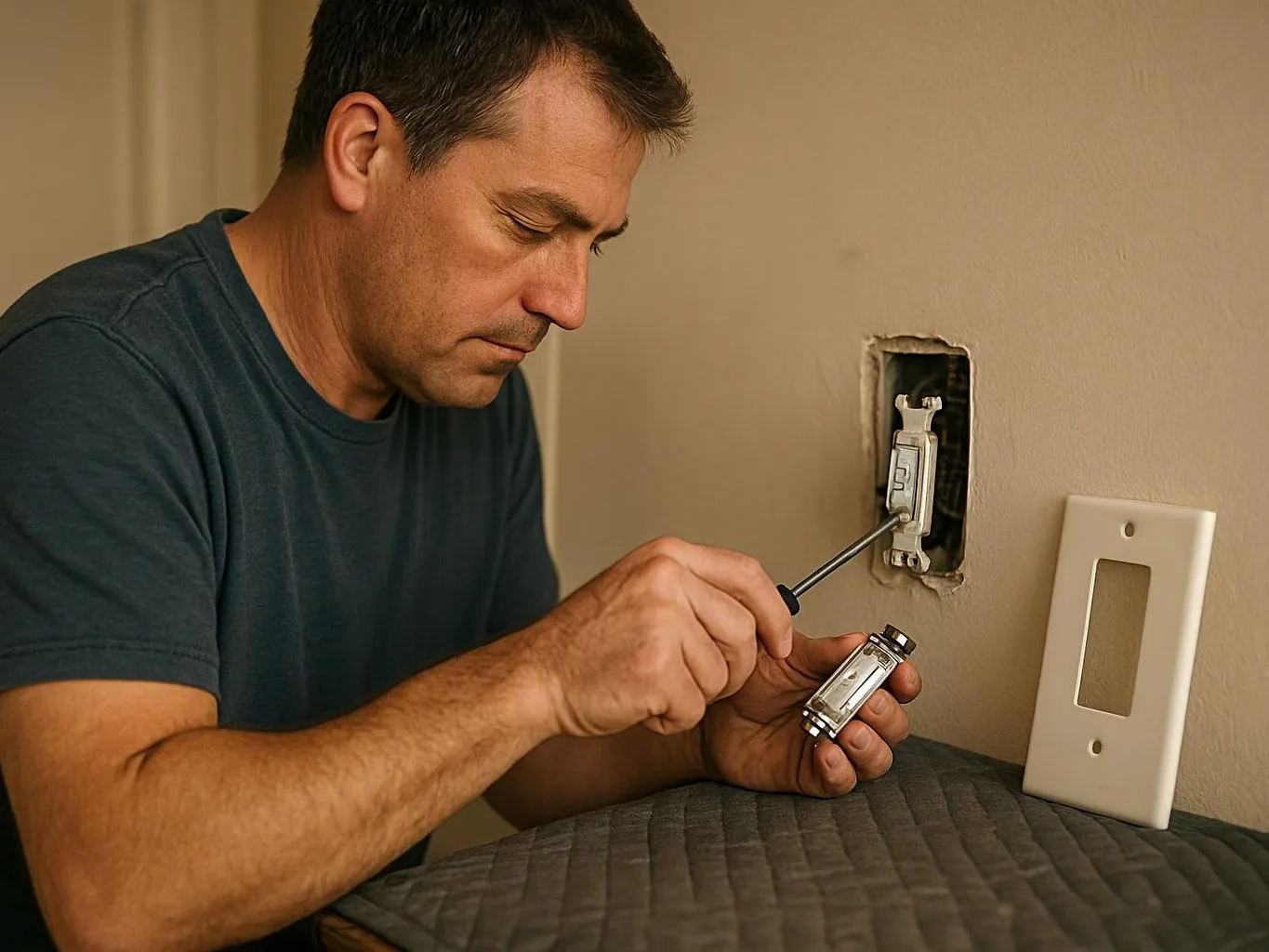
A broken receptacle often stops working because a breaker trips, a GFCI device opens, or a terminal loosens. Our team checks the outlet and upstream devices first. We then test the circuit and explain whether the fault needs a repair, part change, or wider wiring check.
Electrical Troubleshooting for Fault Finding in Good Hope, CA

Electrical troubleshooting is for a property with lost power, a dead outlet, a tripped breaker, a surge, or a failed light. The goal is to find the fault and set a safe repair plan.

The work focuses on diagnosis, not guesswork. We check the affected circuit, trace power through related parts, and look for heat, loose wires, damaged insulation, or signs of overload.

A repair may need access to an outlet, switch box, breaker panel, or light fitting. Some faults also point to a wider wiring issue. Our team explains the finding before any repair or installation begins.

  • Note which outlet, light, or circuit has lost power.
  • Check whether a breaker has tripped.
  • Tell us about buzzing, heat, sparks, or a burning smell.
  • Keep the panel and affected area clear for safe access.
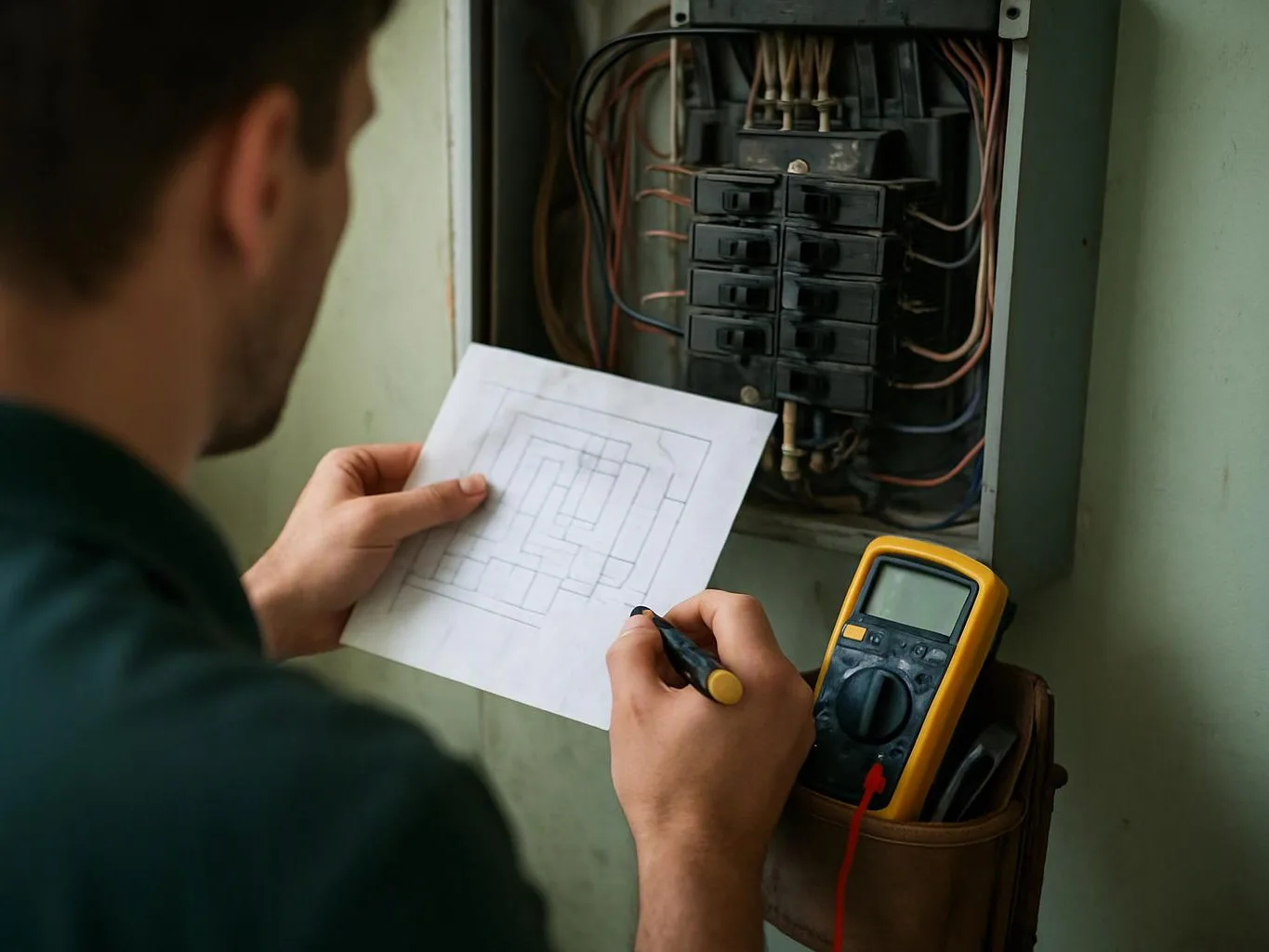
A man studies an open electrical panel while holding a wiring diagram and a multimeter in a wall-mounted pouch

Service Overview

Electrical Troubleshooting is a service that finds faults in circuits, outlets, breakers, wiring, and panels.

  • It differs from an installation because we trace a fault before we repair or replace a part.
  • Center Electric Service provides this work for homes and businesses in Good Hope.

What electrical troubleshooting includes for your property

Center Electric Service provides comprehensive Electrical Troubleshooting in Good Hope. Here's what you get:

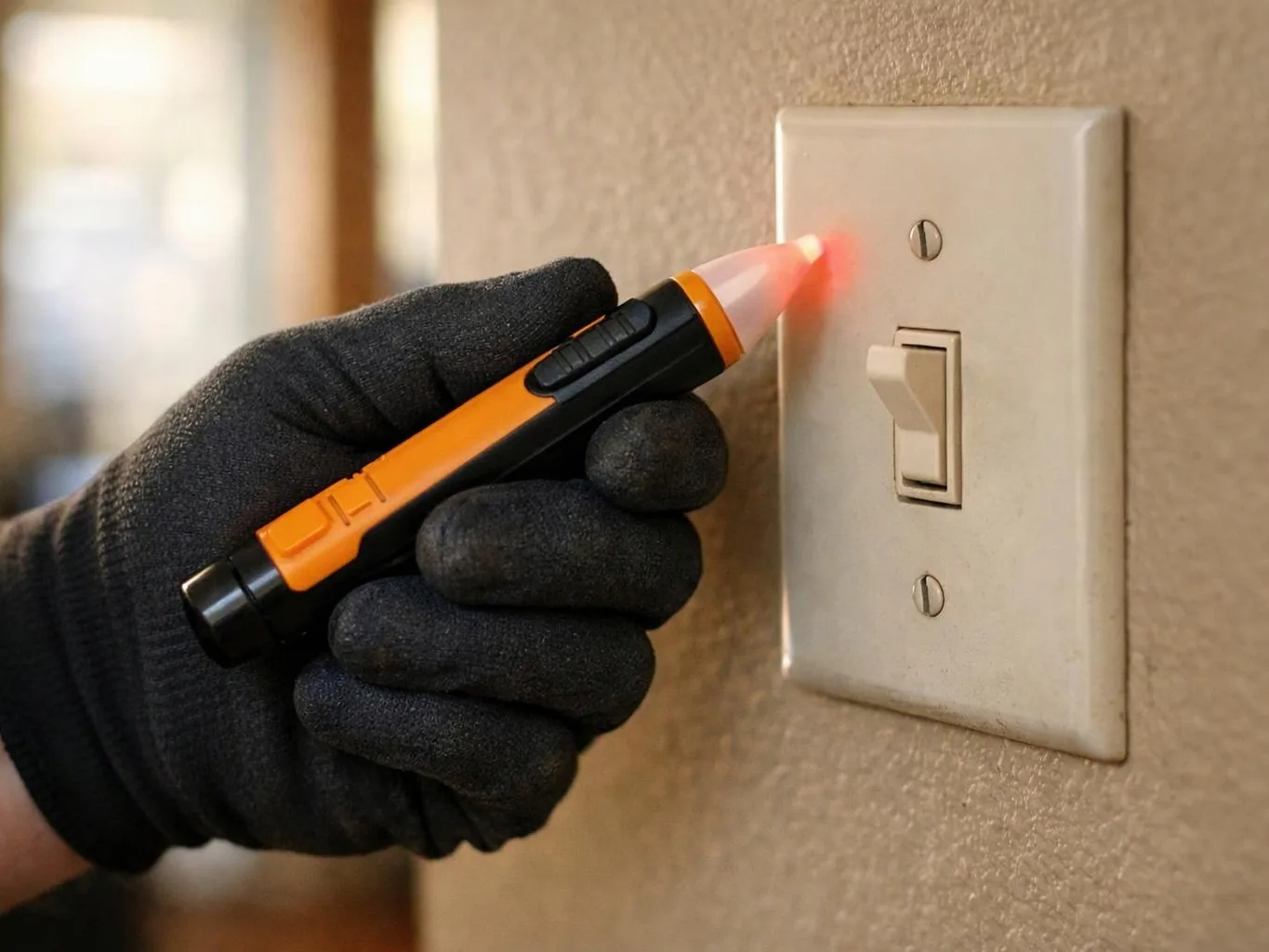
  • We inspect the affected outlet, switch, light, or circuit.
  • We check the breaker panel for trips, heat, and damaged parts.
  • We test GFCI devices that protect outlets in wet areas.
  • We trace loose terminals and faulty wiring inside accessible boxes.
  • We explain the fault and the repair work it calls.
  • We check related electrical parts when the first fault does not explain the symptom.

What fault finding changes for the customer

You get a clear reason for the power loss before repair work starts.

Testing helps separate a failed outlet from a breaker or wiring fault.

Early checks can find heat, loose wires, or damaged insulation near the fault.

A written scope helps you decide between a repair and a larger electrical job.

Our careful work supports safe repairs that meet current code needs.

What our electrical fault checks give you

A clear repair decision

The first check links the symptom to a part or circuit. We explain the finding in plain words. This service is the wrong fit when the utility owns the fault outside your property.

Checks beyond the visible part

A dead outlet does not always mean the outlet itself failed. We check the breaker, GFCI device, wire path, and nearby connections.

Licensed and insured work

Our licensed and insured electrical professionals handle residential and commercial fault checks. We keep the work focused on safe access and careful testing.

Process

How we check and repair electrical faults

1

Record the power symptom

We ask what stopped working and what changed before the fault. Signs such as heat, sparks, buzzing, or a burning smell guide the first safety check.

2

Isolate the affected circuit

We identify the breaker and separate the affected circuit from other parts. This helps us test safely and limits work to the area that needs attention.

3

Test the circuit parts

We check the outlet, GFCI device, breaker, wiring, and accessible terminals. The test shows where power stops or where a fault starts.

4

Explain the repair scope

We describe the part or connection that needs work. If the fault reaches the panel or wiring, we explain that added scope before repair.

5

Complete the agreed repair

We repair or replace the affected part when the scope is clear. We then test the circuit and check that the repaired point works safely.

Which electrical check fits the fault

These options address different signs and need different checks.

Electrical problemFirst checkLikely next step
Dead outletOutlet, GFCI device, and breakerTrace the circuit and repair the failed part
Repeated breaker tripBreaker, load, and wiringFind the overload or fault before reset
Failed lightSwitch, breaker, wiring, and fittingRepair the fault or replace the affected part

The Center Electric Service Standard

  • Residential And Commercial
  • Any Hour Service
  • Issue Diagnosis
  • Electrical System Work

Questions about electrical fault checks

Why does a broken receptacle stop working unexpectedly?

A broken receptacle often loses power because a breaker trips, a GFCI device opens, or a terminal loosens. Center Electric Service checks the outlet and upstream circuit parts first. We then test the wire path and explain whether the fault needs a repair, replacement, or wider circuit check.

What should be ready before electrical troubleshooting starts?

The affected area should be open and safe to reach before testing starts. Note which outlets, lights, or devices lost power. Share any buzzing, heat, sparks, or burning smell. Photos of the panel and affected point can also help our team plan the first check.

Which condition on the property changes the time for fault finding?

Limited access changes the time needed for fault finding. A covered panel, blocked outlet, hidden wire, or locked business area adds work before testing. Our team checks access first and explains any added scope before repair work begins.

What should a customer ask before agreeing to electrical troubleshooting?

Ask which circuit parts will be checked and what the estimate includes. The repair scope should state whether it covers testing, parts, access, and final checks. Ask what happens if testing finds a wider wiring fault. Clear answers help you approve the right work.

How do breaker and GFCI checks differ during a power fault?

A breaker protects a circuit from high current, while a GFCI device watches for an unsafe current path. We check the breaker at the panel and the GFCI reset at the affected area. A reset alone is not enough when the device opens again.

When should a power fault become an urgent call?

A power fault becomes urgent when you see sparks, smell burning, feel heat, or hear buzzing from a panel or outlet. Turn off power only if it is safe to do so. Keep away from damaged parts and request urgent electrical service.

Can electrical troubleshooting lead to a panel repair?

Yes, testing can show that a panel breaker, bus connection, or panel wiring needs repair. Our team explains that finding before adding panel work to the scope. Panel upgrades and code corrections are separate jobs when the existing equipment cannot support the needed repair.
Contact

Get a Free Estimate for Electrical Troubleshooting in Good Hope

Center Electric Service will review the fault and prepare a clear estimate; urgent requests get priority scheduling.

A beige living room with a ceiling fan, window, floor lamp, and a sofa in soft sunlight
(951) 577-3540