Skip to content

Electrical Troubleshooting in Home Gardens, California

We trace outlet faults, check breakers, and inspect wiring for homes and businesses in Home Gardens. You'll get clear findings and practical repair options.

Quick Summary: electrical troubleshooting in Home Gardens, California

Electrical Troubleshooting in Home Gardens is provided by Center Electric Service for dead outlets, tripped breakers, faulty connections, and related wiring concerns. We serve Riverside and surrounding Inland Empire communities with residential and commercial electrical work.

  • What we do: Center Electric Service provides Electrical Troubleshooting for homes and businesses in Home Gardens, California.
  • What is included: Circuit tracing, outlet testing, breaker checks, wiring inspection, and fault isolation.
  • What you get: The customer receives a clear fault location and a practical repair or replacement decision.

Why does a GFCI outlet keep stopping power in Home Gardens, California?

A GFCI outlet can stop power after sensing a fault, moisture, or a downstream wiring problem. Testing shows whether the outlet, connected circuit, or breaker needs attention.
Electrical Troubleshooting for Outlet Faults in Home Gardens

Outlet troubleshooting focuses on the reason power stopped, not just the visible outlet. We check the breaker, test for voltage, trace the circuit, and inspect connections that might feed other outlets.

This work suits homeowners, offices, retail spaces, and other commercial properties with dead outlets, repeated trips, buzzing panels, or signs of heat. The key decision is whether the fault needs a small repair, a new device, or wider wiring work.

A single dead outlet can point to a tripped upstream device or a loose connection. We isolate the circuit before setting the repair scope, so the recommended work matches the fault.

  • Check whether the breaker has tripped or will not reset.
  • Test the outlet and nearby devices for power.
  • Trace the circuit to find upstream connections.
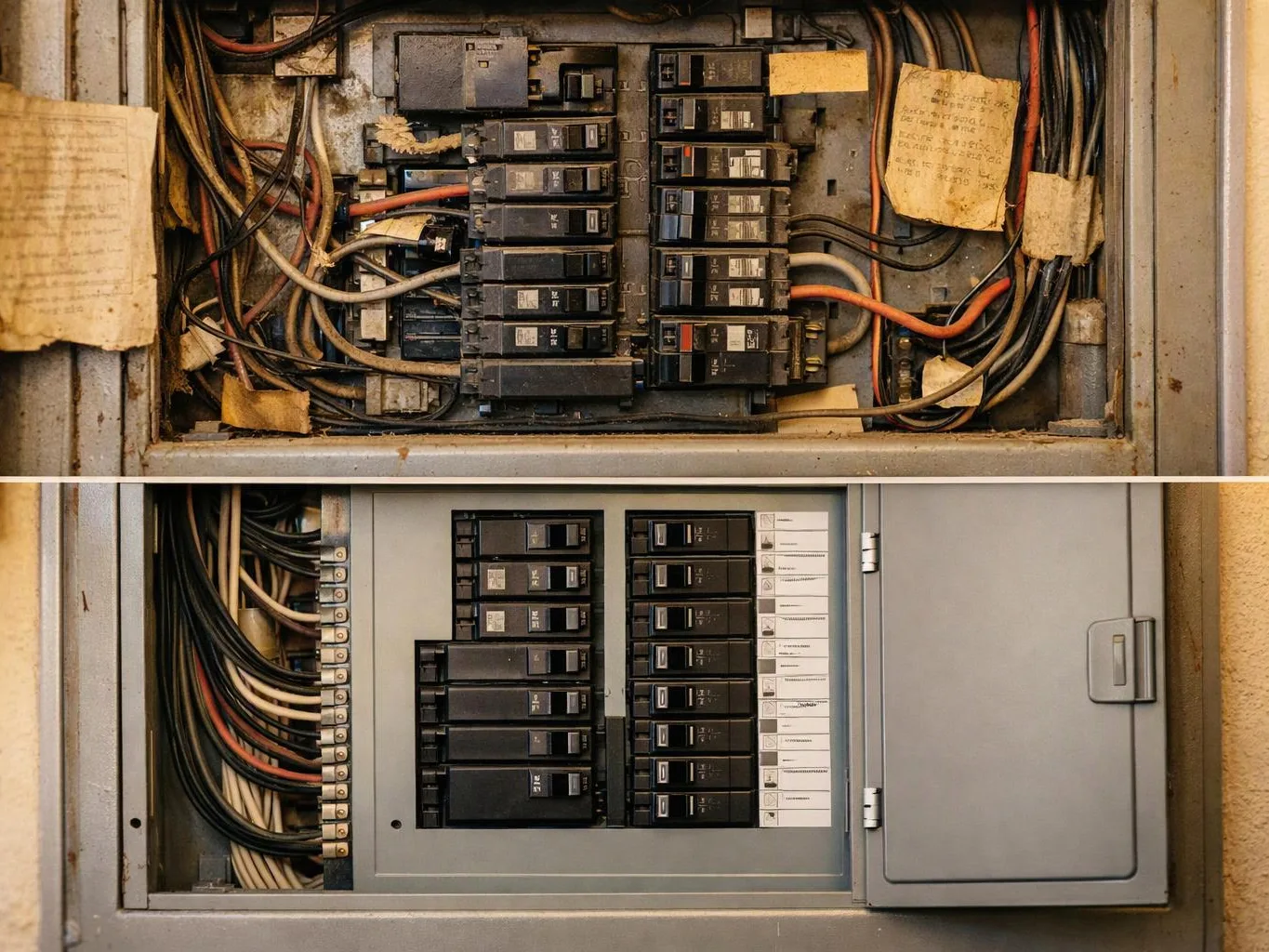
  • Inspect for loose wiring, burned contacts, or heat damage.
  • Explain whether repair, replacement, or further testing fits the fault.
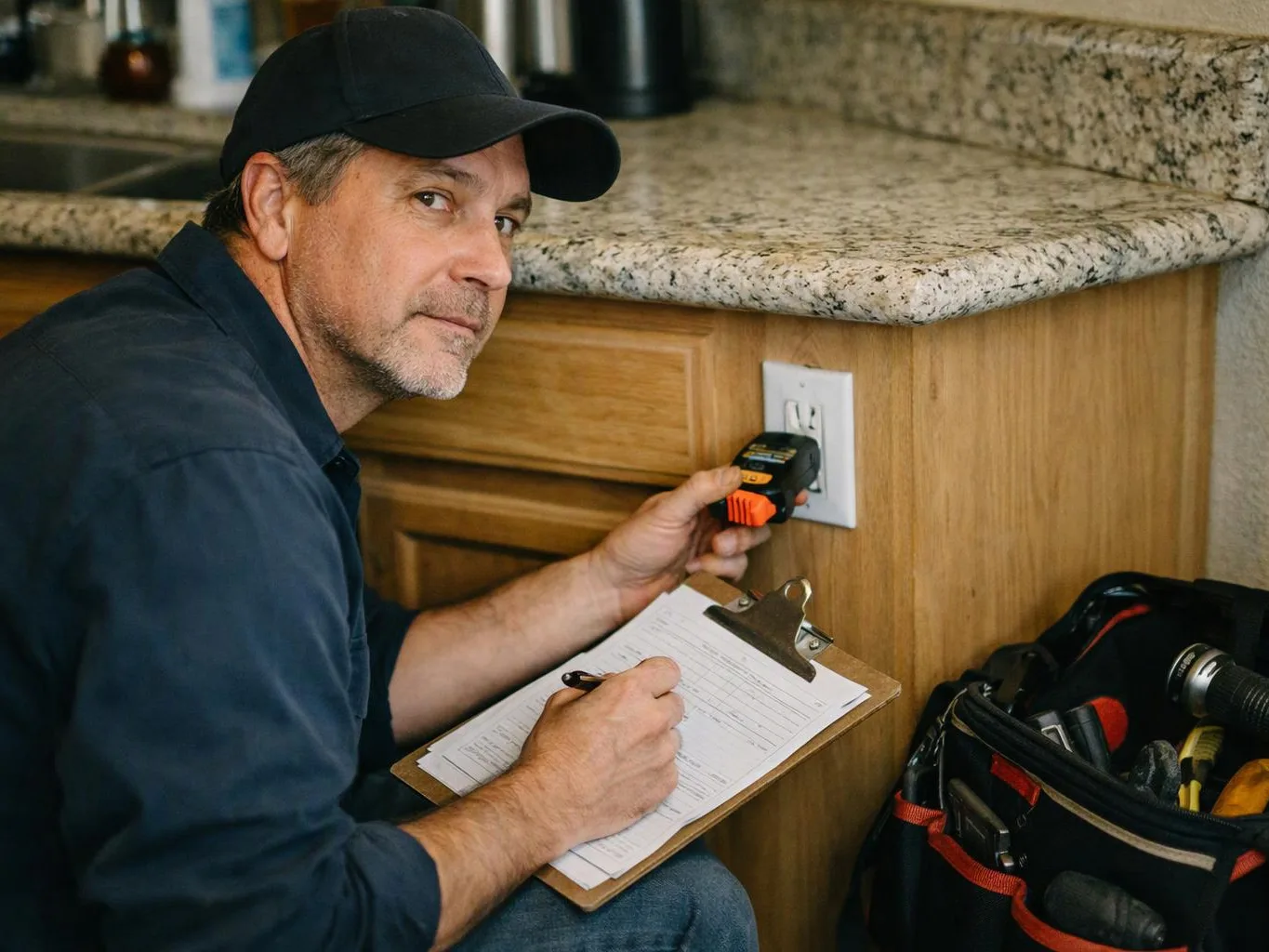
A handyman kneels by a kitchen cabinet, testing an outlet while holding a clipboard and tool bag nearby

Service Overview

Electrical Troubleshooting is a diagnostic service that finds faults in circuits, outlets, breakers, panels, and wiring.

  • Repair work restores or replaces the failed part, while troubleshooting first identifies why the failure occurred.
  • Center Electric Service provides this service for homes and businesses in Home Gardens.
Process

How we find the cause of a dead outlet

1

Document the outlet symptom

We note which outlet failed, what other devices lost power, and whether the breaker tripped or the outlet showed heat.

2

Test the device and breaker

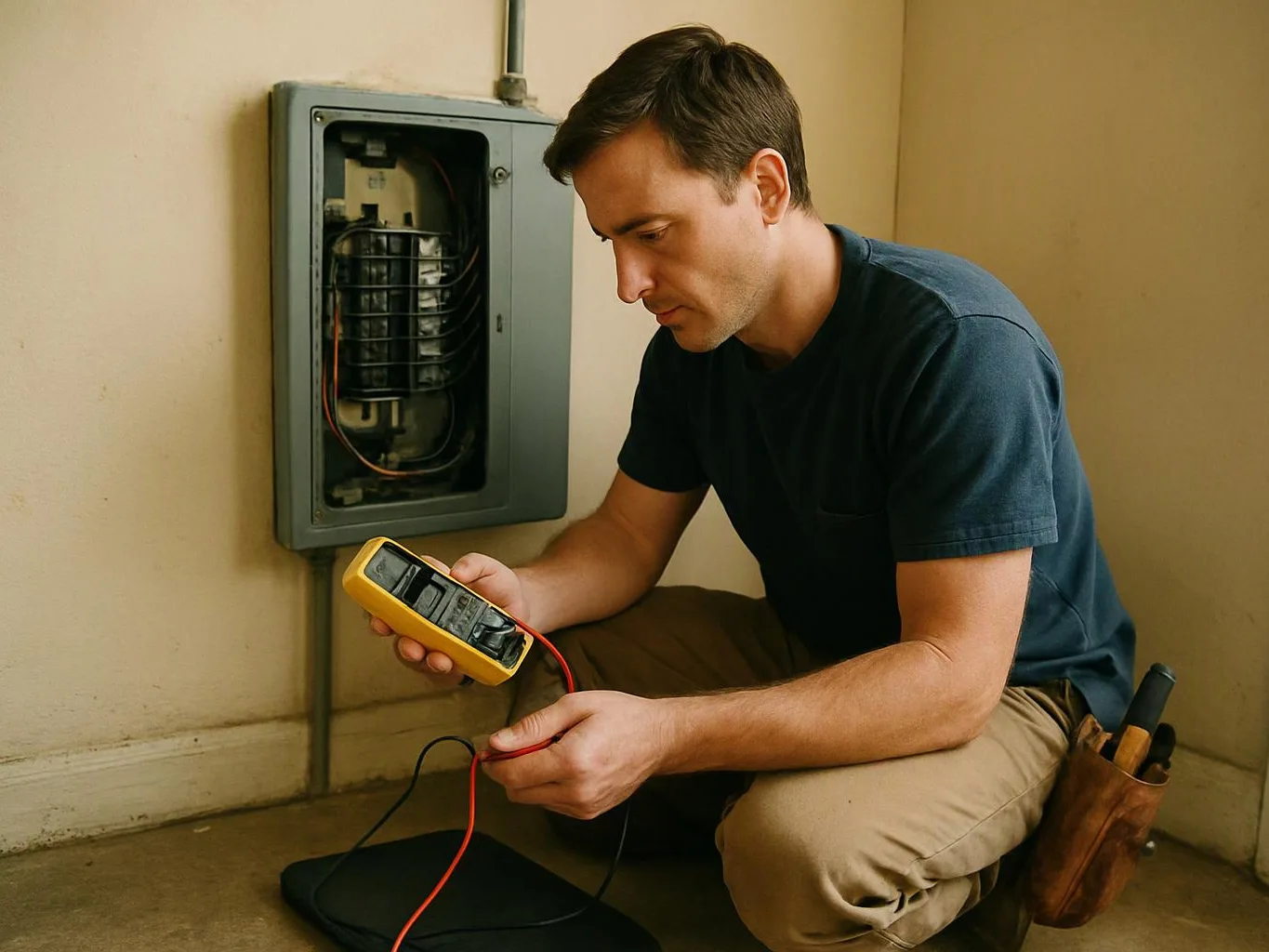
We isolate the circuit, test the outlet, and check the related breaker for power and proper operation.

3

Trace connected wiring

We follow the circuit to nearby outlets, switches, and accessible connections when the first device does not explain the failure.

4

Inspect the failed connection

We check for loose wiring, burned contacts, damaged terminals, or a failed device that needs repair or replacement.

5

Explain the repair scope

We review the findings and identify the work needed to restore safe, reliable power.

How we approach outlet faults

Test before setting the repair scope

We start with voltage checks and circuit tracing, then connect the findings to the visible symptom. A service upgrade is the wrong fit when one failed device explains the outage.

Follow the fault through the circuit

Power can pass through several devices before reaching a dead outlet. We check upstream connections and related outlets when the first device does not explain the failure.

Separate repair from replacement

Burned contacts, damaged devices, and loose wiring call for different work. We explain which part needs attention and whether further circuit checks are needed.

What outlet troubleshooting includes

Center Electric Service provides comprehensive Electrical Troubleshooting in Home Gardens. Here's what you get:

  • We inspect the dead outlet and test for power at the device.
  • We check the related breaker and trace the circuit when power is missing.
  • We inspect accessible terminals for loose wiring or burned contacts.
  • We test connected outlets and switches when the fault may extend downstream.
  • We explain the repair scope and identify parts that need replacement.

What this diagnosis changes for your property

Testing identifies the failed point before repair work begins.

Circuit tracing helps separate an outlet problem from a wider wiring fault.

Checking upstream devices helps explain why several outlets lost power.

Early inspection can identify heat damage, loose connections, or unsafe parts.

Clear findings help you decide between a focused repair and broader electrical work.

Outlet fault types and likely checks

Different symptoms point to different parts of the circuit, so the checks should match the failure.

Fault typeWhat we checkLikely service decision
Tripped breakerBreaker position, circuit load, and connected devicesReset, repair, or further circuit diagnosis
Loose wiringTerminals, accessible connections, and voltage pathConnection repair or related wiring work
Burned contactsHeat damage, device condition, and nearby wiringDevice replacement and circuit safety checks

The Center Electric Service Standard

  • System Assessment
  • Fault Identification
  • Component Care
  • Orderly Workmanship

Questions customers ask about outlet faults

What causes an outlet to stop working?

A GFCI outlet can stop power after sensing a fault, but a tripped breaker, loose wiring, or burned contacts can also cause failure. We test the outlet and trace its circuit to find the cause. Nearby devices can share the same feed, so one failed connection may affect several outlets.

How should I prepare before outlet troubleshooting starts?

Access to the affected outlet and electrical panel helps troubleshooting start with useful information. Keep furniture clear of the device, note which outlets lost power, and identify any recent appliance or lighting changes. Do not remove the cover or handle exposed wiring before testing.

Which property condition changes the time needed for outlet troubleshooting?

Hidden or hard-to-trace wiring can extend the diagnostic work because the circuit path is not immediately visible. We may need to check more outlets, switches, junctions, or panel connections when one device does not explain the fault. Burned contacts also require careful inspection before repair.

What should I ask before agreeing to outlet troubleshooting?

Ask which circuit will be tested, what symptoms were found, and whether the proposed work covers diagnosis only or repair as well. We explain the fault location, affected parts, and recommended scope before work proceeds. You can also ask whether the issue may affect other outlets.

When should a dead outlet be treated as urgent?

A dead outlet needs prompt attention when it has a burning smell, visible scorching, buzzing, sparking, or a warm faceplate. Stop using the device and keep the circuit off if it trips repeatedly. We inspect the outlet, wiring, and breaker to identify the safety concern.

Can the same electrical company repair the outlet after finding the fault?

Center Electric Service can troubleshoot the outlet and complete related electrical repairs within our service scope. The next step depends on whether the fault is a device, connection, breaker, or wider circuit issue. We explain the parts and work needed after testing.
Contact

Get a Free Estimate for Outlet Troubleshooting in Home Gardens

Tell Center Electric Service which outlet failed and what the breaker is doing, then request a free estimate for the needed electrical troubleshooting.

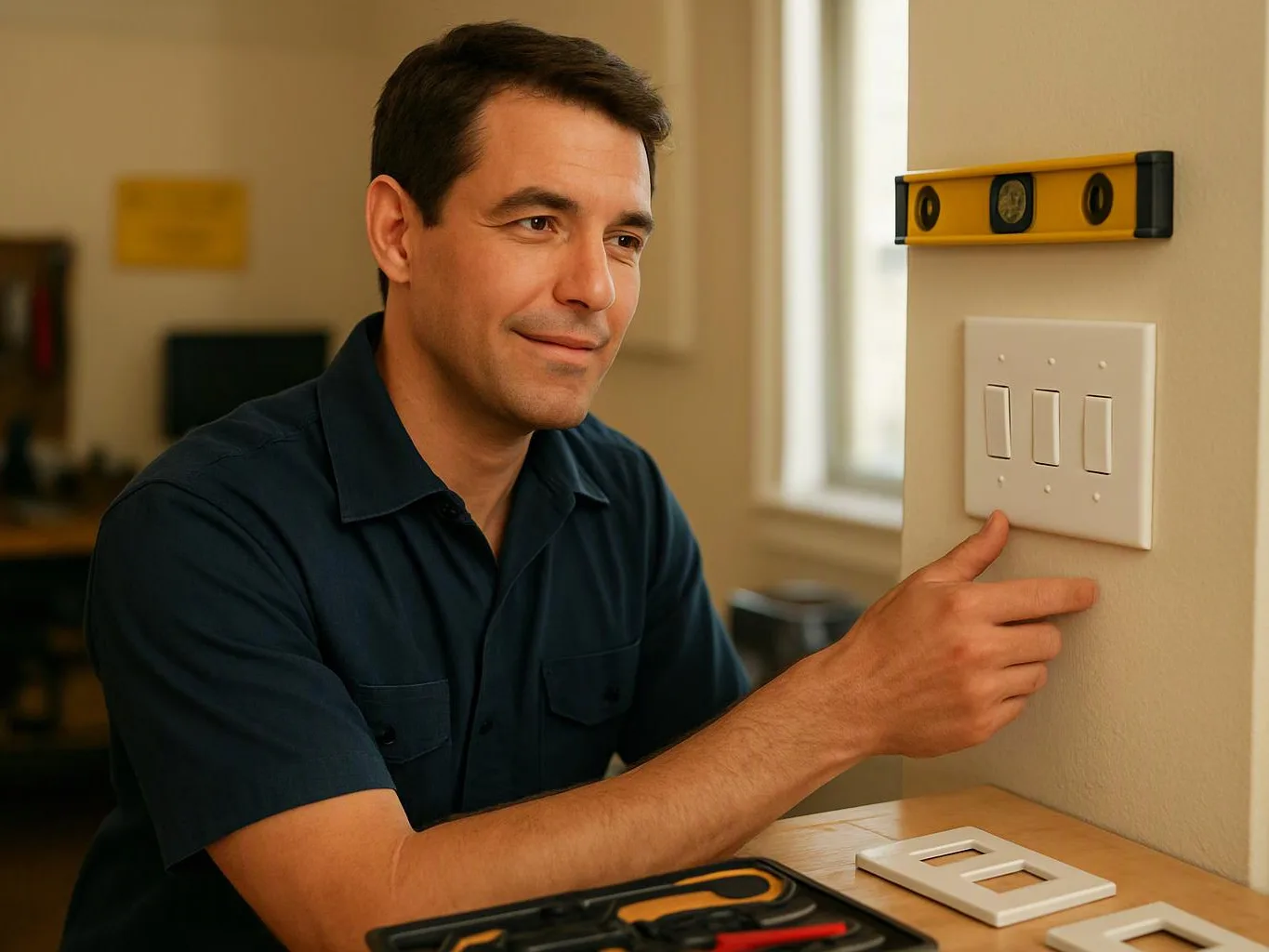
A man installs a white three-switch plate beside a wall level in a bright room

Electrical Troubleshooting in Other Areas

(951) 577-3540