What causes an outlet to stop working?
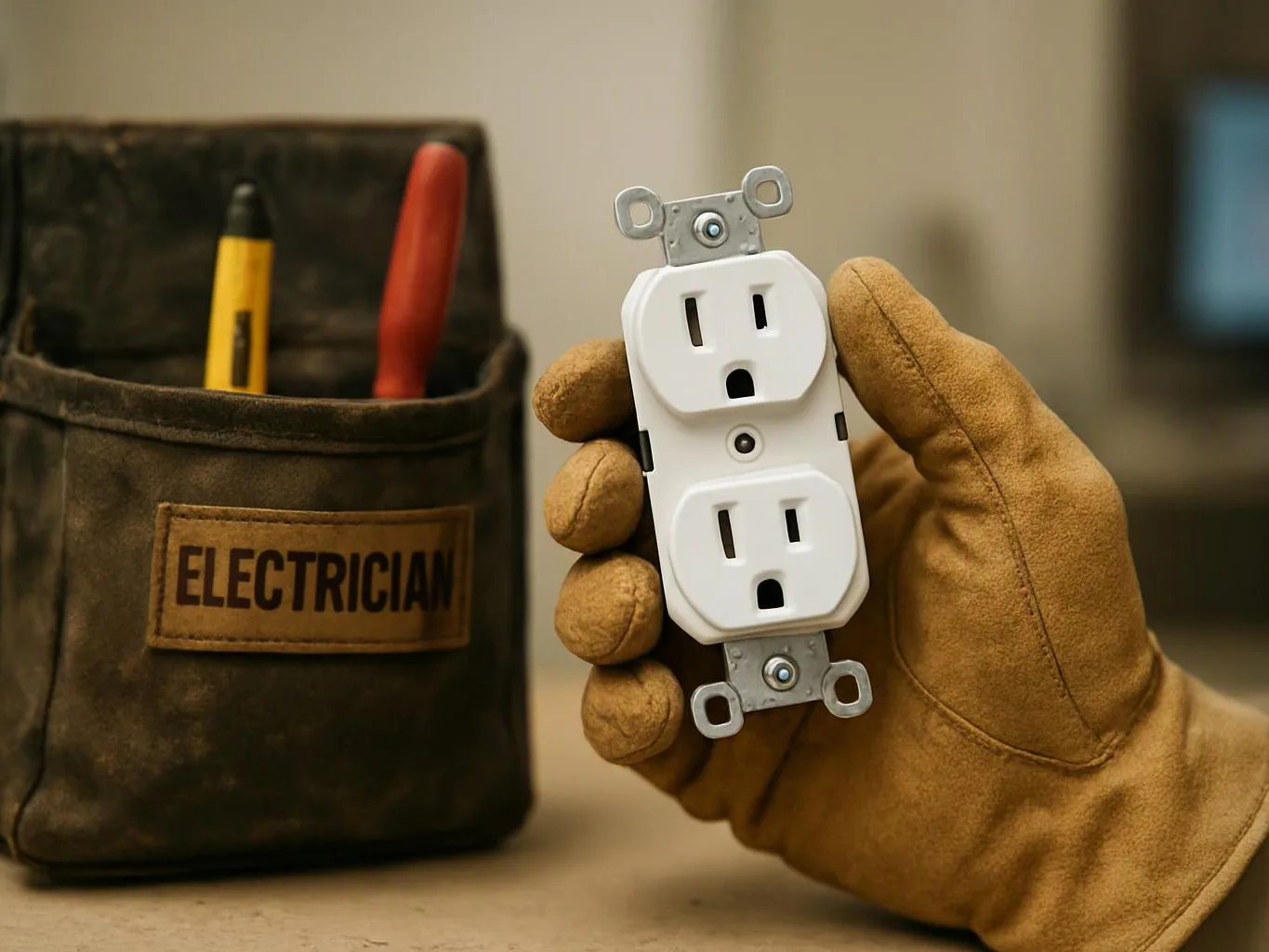
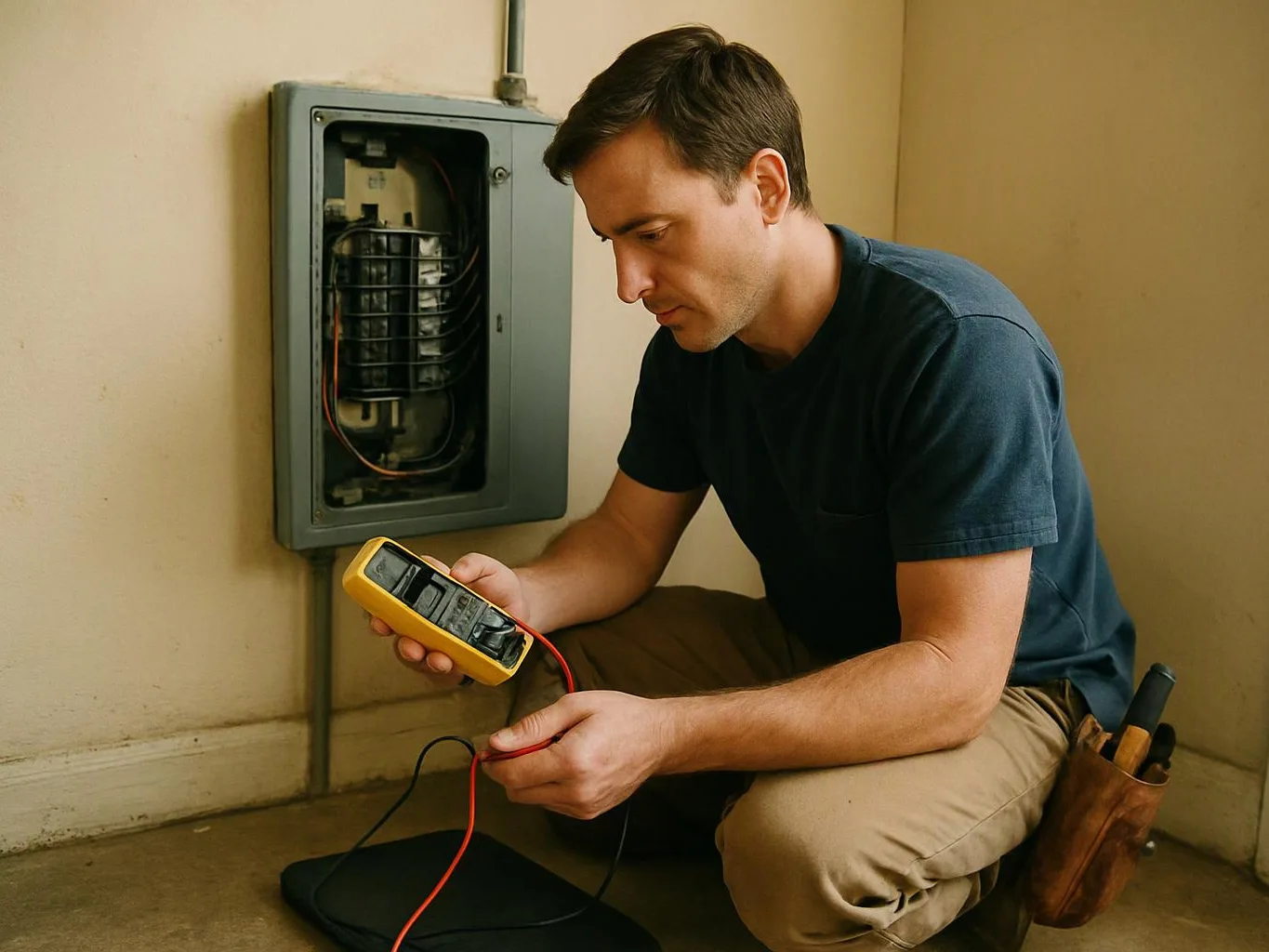
Loose wiring can stop an outlet from working, even when the breaker remains on. Center Electric Service checks the receptacle, nearby GFCI outlet, circuit connections, and panel breaker.
A burned contact or open connection can also interrupt power. We trace the circuit before explaining whether the outlet needs replacement, the wiring needs repair, or the fault sits elsewhere.
How does a troubleshooting visit move from the first call to the last step?
The visit moves from symptom review to inspection, circuit tracing, repair planning, and testing. We first identify the affected device and the conditions around the failure.
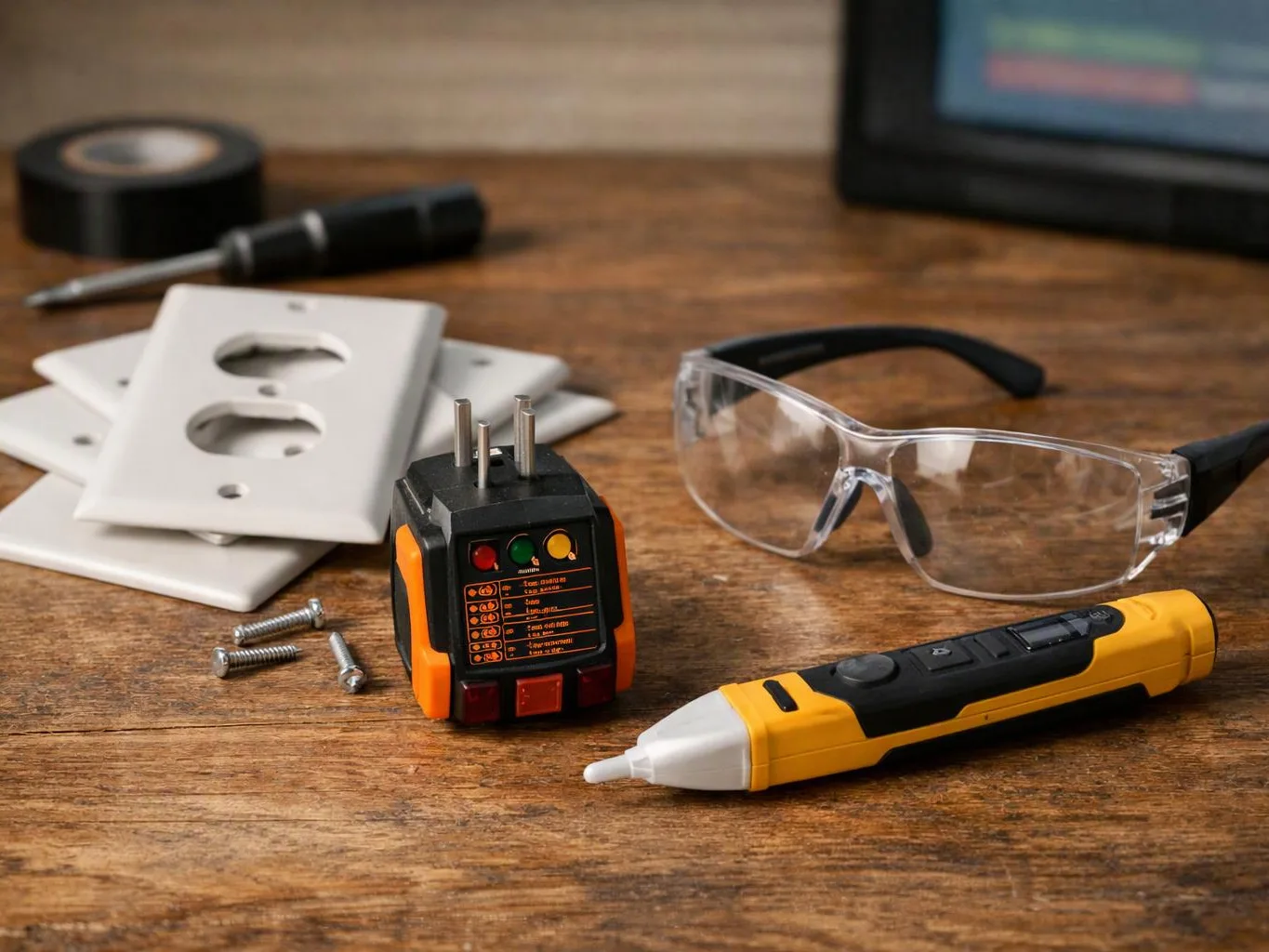
The inspection then checks the outlet, breaker, GFCI protection, connections, and wiring. After we explain the scope, we test the repaired circuit when repair work proceeds.
What part of the property decides the scope of this work?
The affected circuit decides the scope because its route and connected devices show where the fault may sit. A single receptacle can need a device repair, while several dead outlets can point to an upstream connection or GFCI device.
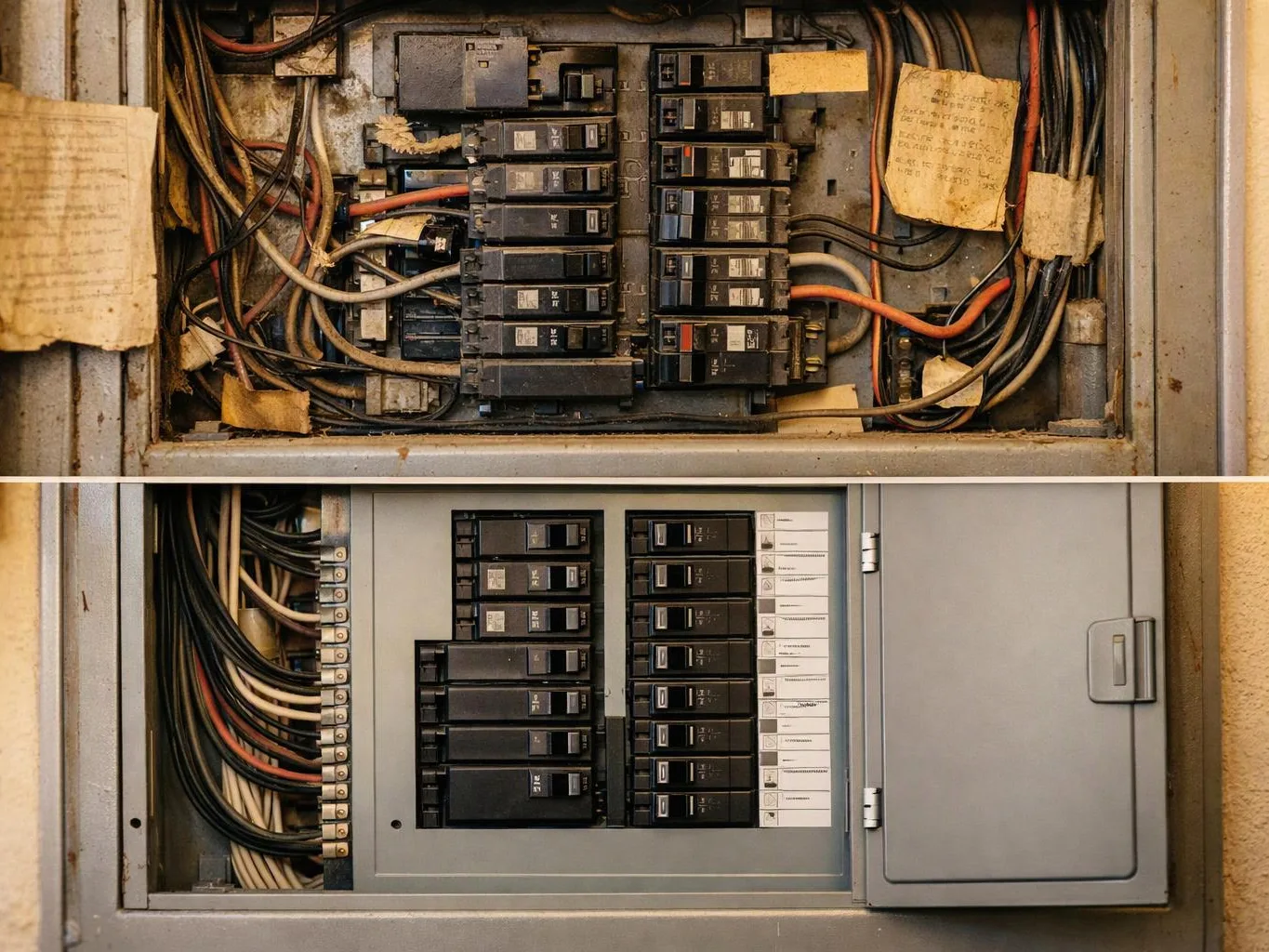
Panel access and visible wiring also guide the inspection. We explain added work when the circuit requires rewiring or a larger upgrade.
How can I tell whether troubleshooting fits my property?
Troubleshooting fits when a home or business has a power failure, tripped breaker, dead outlet, flickering light, buzzing panel, or unexplained circuit issue. It helps identify the cause before repair or replacement decisions.
Planned work such as new lighting, an EV charging installation, or a dedicated circuit needs an installation assessment. We can separate that scope from fault diagnosis.
Which checks help before someone works on a dead outlet?
A customer can note the failed outlet, check for a tripped nearby GFCI outlet, and keep away from heat, sparks, smoke, or a burning smell. Do not remove the cover or handle exposed wiring.
We need access to the affected device and panel so we can inspect the circuit. These details help us focus the diagnosis without turning a simple check into an unsafe repair.
Why does a breaker keep tripping after it is reset?
A breaker can keep tripping because the circuit has an overload, short, damaged wiring, or a faulty connected device. Repeated resets can leave the cause unresolved.
We inspect the breaker, connected outlets, wiring, and circuit load to locate the fault. A buzzing panel, burning odor, or warm plate calls for prompt attention and should not be ignored.
What makes the cost of outlet troubleshooting change?
The fault location, circuit access, damaged parts, and repair type change the cost of outlet troubleshooting. A failed receptacle differs from a wiring fault that requires access beyond the outlet box.
We explain the work scope after inspection and provide a free estimate when the needed work is clear. The estimate reflects the property and the parts involved, not a generic service tier.