Skip to content

EV Charger Load-Management Installation in Diamond Bar, CA

We set charging controls for homes and businesses. The right settings help protect household circuits during EV charging.

Licensed & InsuredFree EstimatesWarranty AvailableSame-Day Service

Quick Summary: EV Charger Load Controls in Diamond Bar, CA

EV charger load-management installation in Diamond Bar is provided by Center Electric Service for homes and businesses. The work sets charging controls, checks circuit use, and includes free estimates.

  • What we do: Center Electric Service installs EV charger load controls for homes and businesses in Diamond Bar, CA.
  • What is included: We check charging limits, circuit priority, demand response, and automatic adjustment.
  • What you get: The customer receives charging settings that manage EV power use beside other household circuits.

Why does my EV charger stop when other home circuits run?

The load threshold may be set too low for the home's active circuits. We check the panel load, charging limit, and circuit priority. We then set controls that adjust charging as demand changes. A repeated stop can also point to a wiring or breaker issue, so we inspect those parts before changing settings.
EV charger load-management installation Services in Diamond Bar

This service focuses on the control settings that share power between an EV charger and other circuits. We check the panel, charger circuit, load threshold, and charging limit before setting the controls.

Customers choose this work when an EV charger affects other household loads or stops during use. The main decision is whether control changes fit the existing electrical setup or whether a separate repair is needed.

Our team also checks circuit priority and automatic adjustment. These settings help decide which loads stay active when demand rises. Center Electric Service explains the findings before work moves ahead.

  • Check the home's main panel and available electrical capacity.
  • Review the EV charger's charging limit and circuit needs.
  • Set which household loads get priority during charging.
  • Test automatic adjustment when home power use changes.
  • Explain the work scope and estimate before installation.
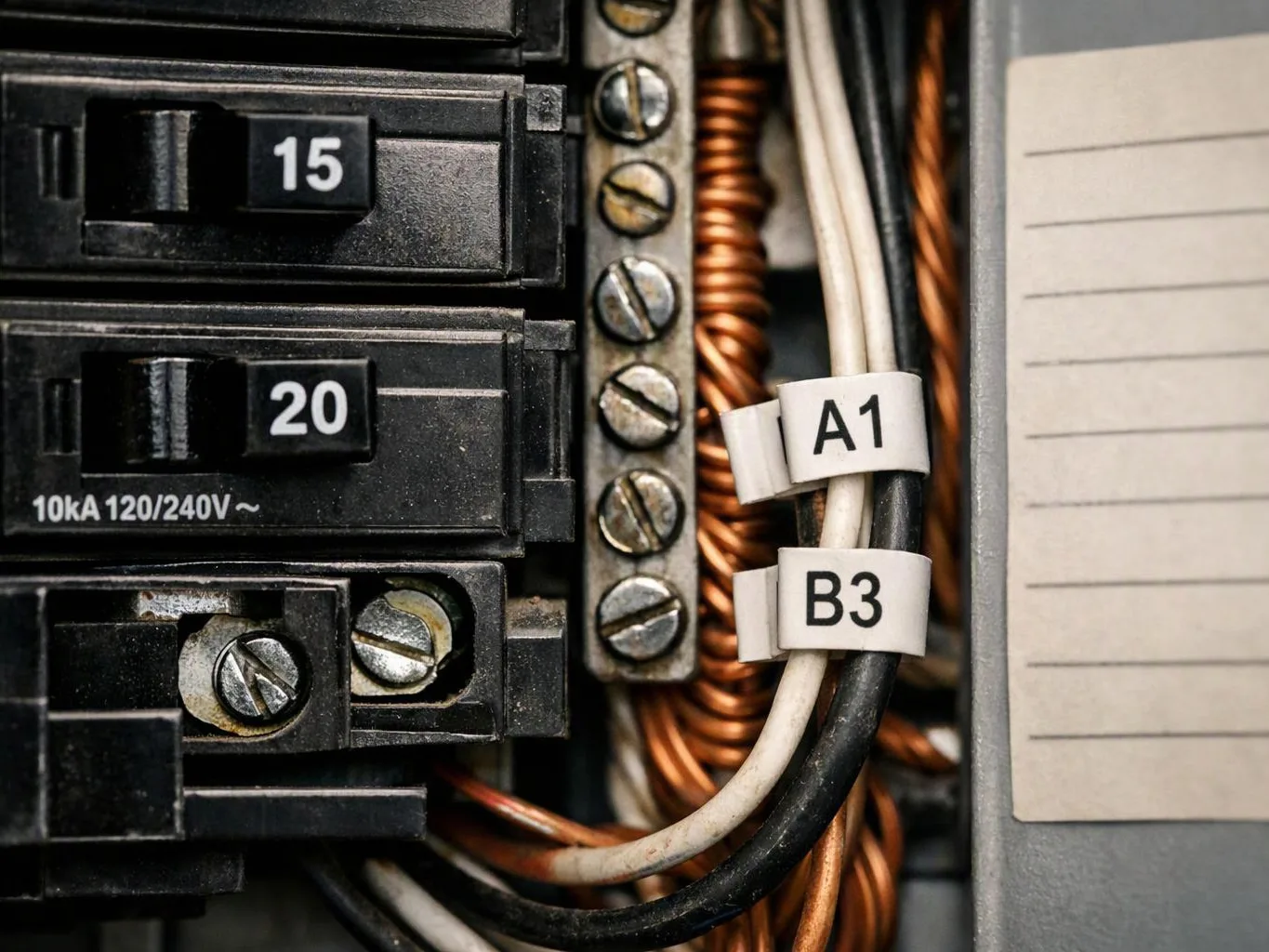
Close-up of an electrical breaker panel with labeled wires, screws, and black switches inside a cabinet

Service Overview

EV charger load-management installation is electrical work that controls charger power as household demand changes.

  • It differs from a basic charger installation because it manages shared circuit demand after the charger is set up.
  • We provide this work for homes and businesses in Diamond Bar.

What Our EV charger load-management installation in Diamond Bar Includes

Center Electric Service provides comprehensive EV charger load-management installation in Diamond Bar. Here's what you get:

  • We inspect the main panel, feeder, breaker, and EV charger circuit.
  • We check the load threshold against household power use in Diamond Bar.
  • We set the charging limit for the planned EV charger.
  • We set circuit priority for key household loads.
  • We test automatic adjustment as demand changes.
  • We explain the finished setup and next service steps.

Benefits of Professional EV charger load-management installation in Diamond Bar

Load controls help balance EV charging with other home circuits.

Automatic adjustment lowers the chance of charging placing excess demand on the system.

Circuit priority keeps key household loads ahead of vehicle charging.

A clear setup helps you understand when charging power changes.

We offer Free Estimates Available before work begins.

We offer financing or payment plans when payment support is needed.

Why Diamond Bar Chooses Center Electric Service for EV charger load-management installation

The settings match your home use

We review the panel, charger circuit, and main household loads before setting controls. Customers get a setup based on the property's electrical needs, not a guessed setting.

The charging limit gets checked

Our process considers the charger's limit and the power used by other circuits. We test the settings so the system can adjust charging when demand shifts.

Know when this work is not enough

Load management is not the right fix for damaged wiring, a failing panel, or a separate electrical fault. We inspect those issues first and explain when another repair is needed.

Process

How EV charger load-management installation Works in Diamond Bar

1

Check the load threshold

Load threshold is checked against the home panel in Diamond Bar. We review the panel rating, main breaker, and large household loads before setting the charger controls.

2

Set the charging limit

Charging limit is set for the available electrical capacity. We account for other loads, such as heating, cooling, laundry, and cooking equipment.

3

Set circuit priority

Circuit priority is assigned so key home circuits keep power first. We then set the charger to pause or reduce demand when the home reaches its limit.

4

Test automatic adjustment

Automatic adjustment is tested while the charger controls respond to changing home demand. We check the settings and explain how the system manages charging use.

The Center Electric Service Standard

  • Residential And Commercial
  • Any Hour Service
  • Issue Diagnosis
  • Electrical System Work

EV charger load-management installation in Diamond Bar — FAQ

What settings help prevent an EV charger from overloading household circuits?

Load threshold settings help prevent overload by limiting charger demand when household use rises. Center Electric Service checks the panel load, charging limit, circuit priority, and automatic adjustment. These settings help the charger share available power with other home loads. We also review the charger controls and explain the settings before the work is complete.

What should be ready before load management work starts?

The charger location, main panel, and known high-use circuits should be ready for review. We check the panel rating, circuit labels, breaker layout, and space around the equipment. Customers should share the charger model when available. Photos of the panel can help us understand access needs before scheduling.

Which property condition changes the work time?

Limited panel access changes the work time because we need room to inspect wiring and controls safely. We also check unclear circuit labels, crowded breakers, damaged parts, and long cable paths. Our team explains any added work before proceeding. The final scope depends on what the inspection finds.

How does demand response help an EV charger?

Demand response lowers charger power when other household loads use more electricity. We set the control so the charger responds to changing demand without removing power from higher-priority circuits. This approach helps manage shared panel capacity. Customers receive a clear explanation of the control settings and their intended use.

What should a customer ask before agreeing to the installation?

Customers should ask which loads the controls monitor and how the charger reacts to high demand. We explain the charging limit, circuit priority, control location, and inspection findings. Ask what work the estimate includes and whether access or damaged wiring could change the scope. We also offer financing or payment plans.

Why might a charger reduce its power during normal use?

Automatic adjustment may reduce charging power when household demand reaches the set limit. We check the load reading, control settings, breaker condition, and other large loads before changing the setup. A reduced charge rate can show that the system is managing available capacity as designed.
Contact

Get a Free Estimate for EV Charger Load Management

Want safer charging controls for your home? Request a free estimate from Center Electric Service, and urgent requests get priority scheduling.

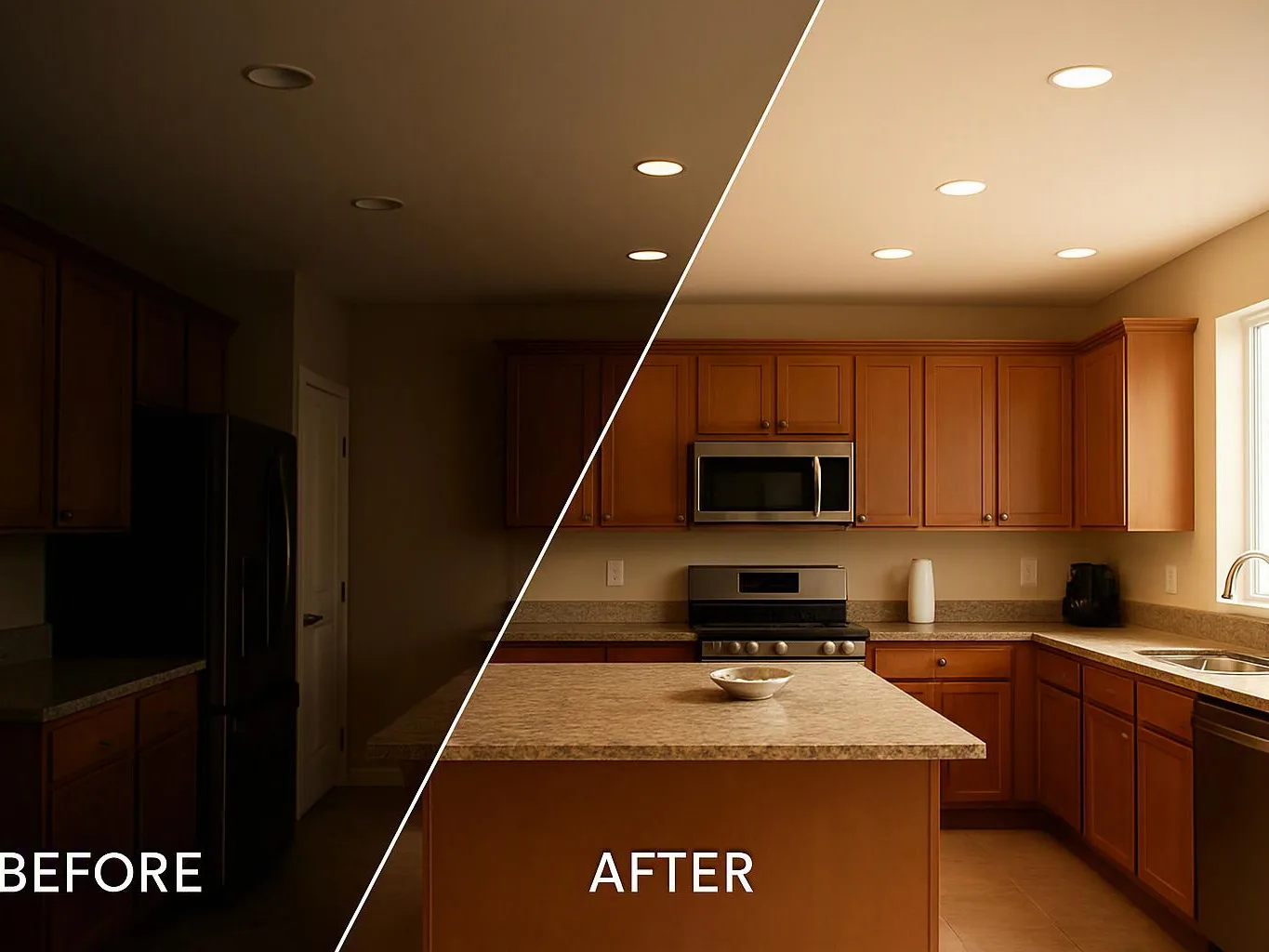
Split-screen kitchen before and after, with a dark side on the left and a bright remodeled kitchen on the right

ZIP Codes We Serve in Diamond Bar, CA

91765

EV charger load-management installation in Other Areas

(951) 577-3540