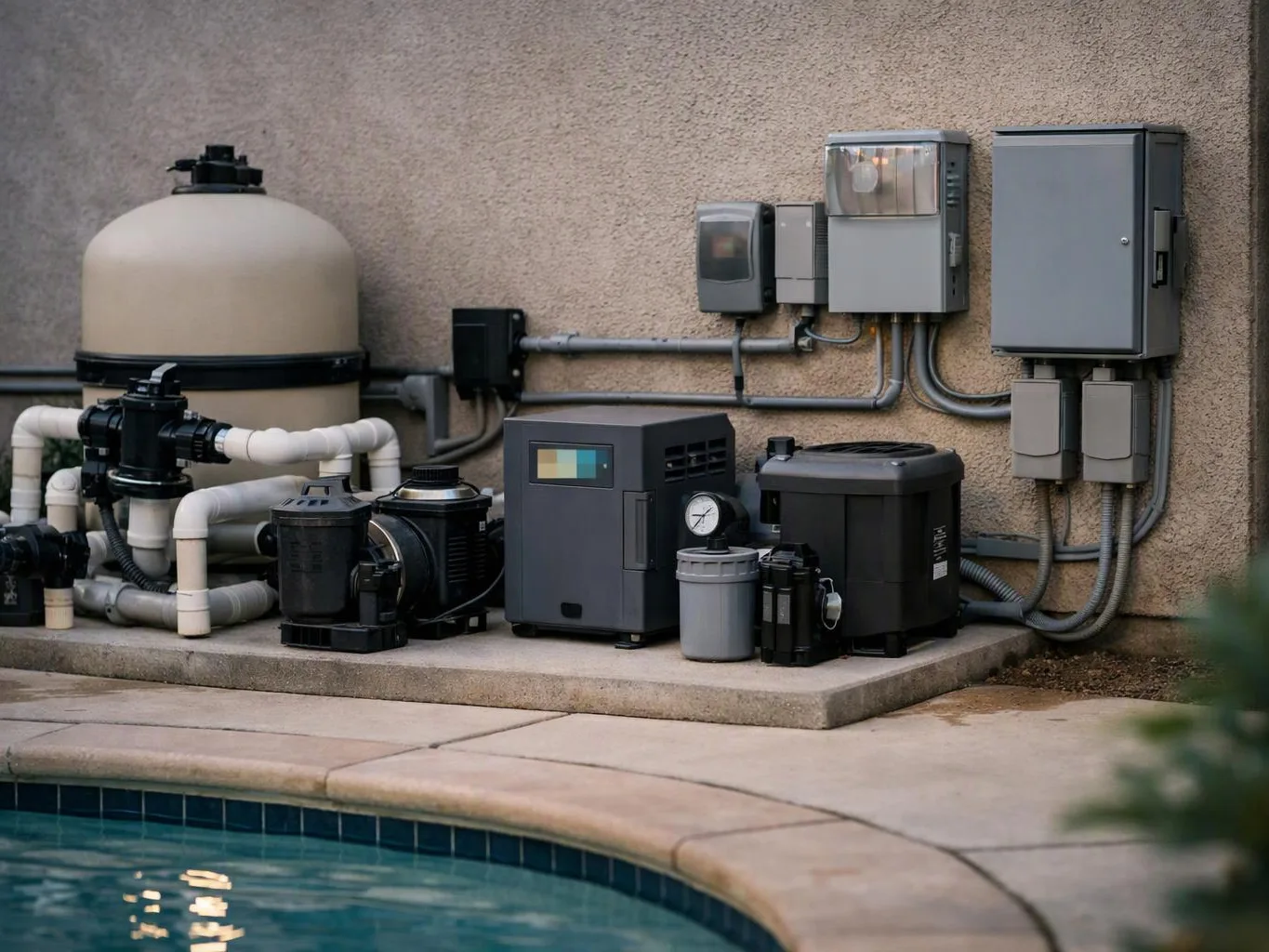
Review the panel and charger circuit
We inspect the main panel, circuit path, wiring, breakers, and available capacity. This shows what the property can support.
We set up EV charger load control for homes and businesses in Riverside. The system helps balance charger demand with the property's power use.
Load control helps balance EV charging with other large electrical loads.
A panel review shows whether the planned charger circuit fits the existing system.
Early diagnosis helps reduce wasted work on parts that the property does not need.
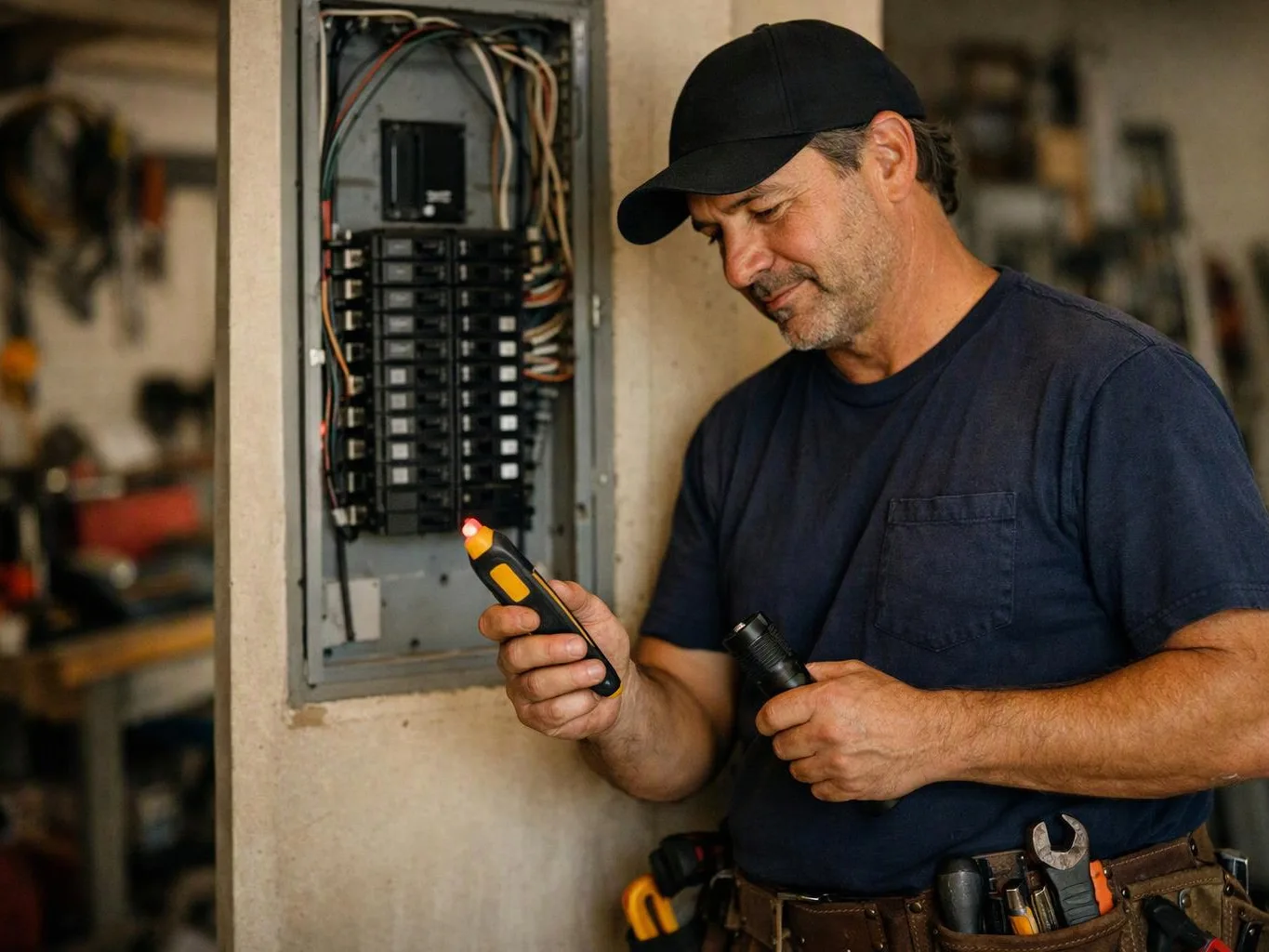
Load-management installation adds a control step between the charger and the property's electrical demand. The control system watches available power and adjusts charging when other large loads run. Our electricians review the main panel, charger circuit, wiring, breakers, and major loads. We diagnose faults before recommending work. The right choice depends on the panel condition, charger demand, and the property's existing electrical use. The biggest cost mistake is planning from the charger alone. A charger may look simple, but the panel and other loads decide what work is safe. We check those items first, then explain what can be kept, changed, or left out. Load management also differs from a panel upgrade. A panel upgrade changes the service equipment. Load management controls demand within the planned electrical setup. Some properties may need one service, while others may need both after inspection.
EV charger load-management installation is an electrical service that controls charger demand when other property loads use power.
A few details help us review the charging plan before the estimate.
We inspect the main panel, circuit path, wiring, breakers, and available capacity. This shows what the property can support.
We identify major loads that may run while the vehicle charges. These loads guide the control plan.
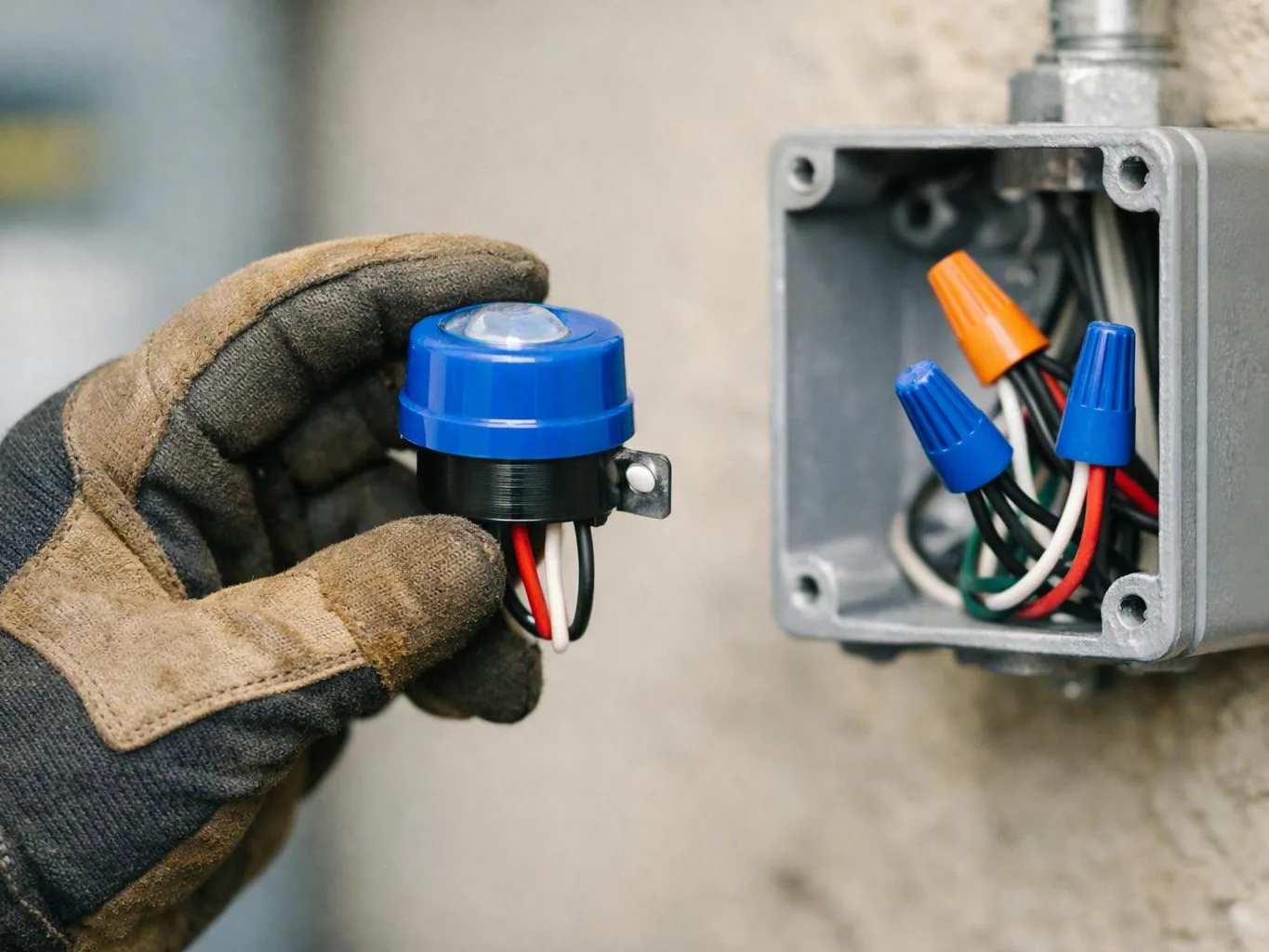
We choose the connection path and control points based on the panel and charger setup. We explain any needed repair or added electrical work.
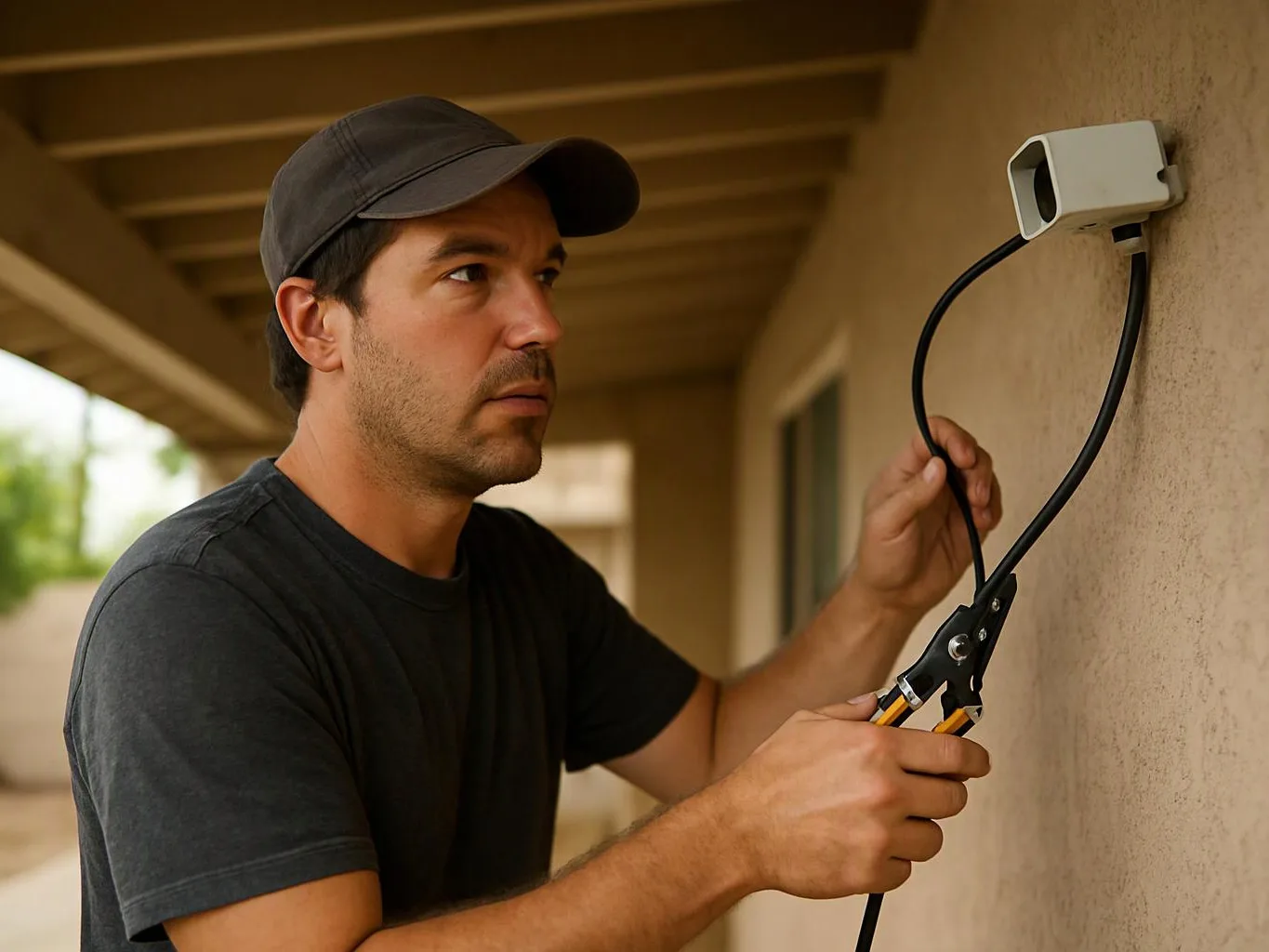
We install the planned equipment and wiring, then test charger operation with other property loads in mind.
We explain the system response, warning signs, and any follow-up work shown by the final checks.
We diagnose the panel, charger circuit, wiring, and active loads before recommending load-management installation.
We connect the planned controls, wiring, and charger circuit as part of the property's electrical system work.
We inspect the completed load-control setup for safe operation and code compliance before reviewing it with you.
Ask Center Electric Service for a free estimate on your charging setup, and urgent requests get priority scheduling.
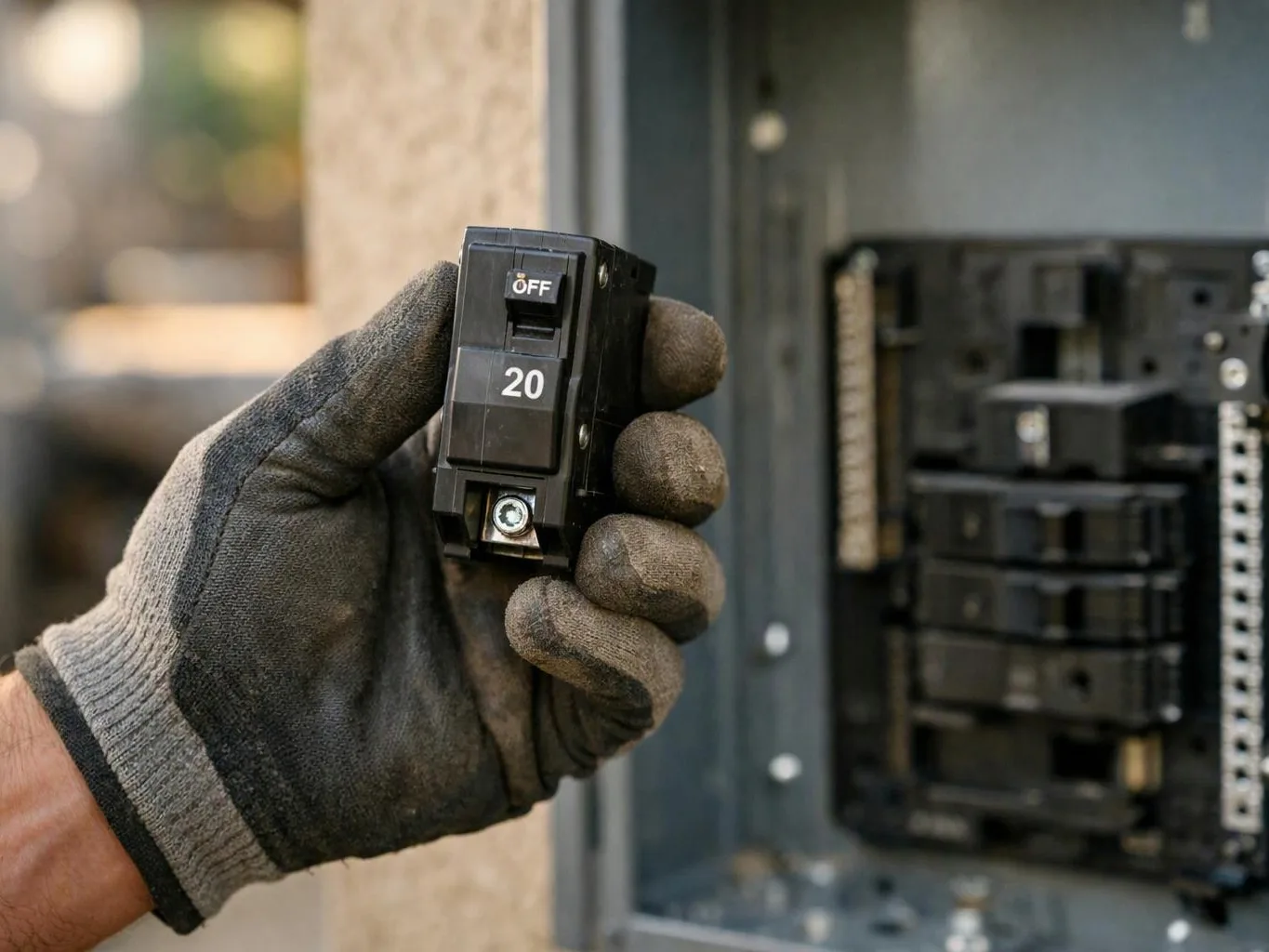
An EV charger that trips the main breaker can indicate that charging demand exceeds the available electrical capacity. Stop using the charger until an electrician checks the panel, feeder, and other major loads. We diagnose the load pattern, isolate unsafe conditions, and determine whether load management, circuit changes, or a panel upgrade fits the property.
Repeated charging slowdowns during peak household use may point to limited service capacity or competing electrical loads. Our electricians inspect the charger circuit, panel configuration, and connected equipment to identify the cause. We explain the practical installation path and address code and safety requirements before work begins.
Planning EV charging for an older Riverside, CA home calls for more than choosing a charger location. Older panels, remodeled garages, and existing appliances can affect how load-management equipment should be installed. We assess the service, map the important circuits, and document the recommended approach so the installation supports safe charging and future electrical use.