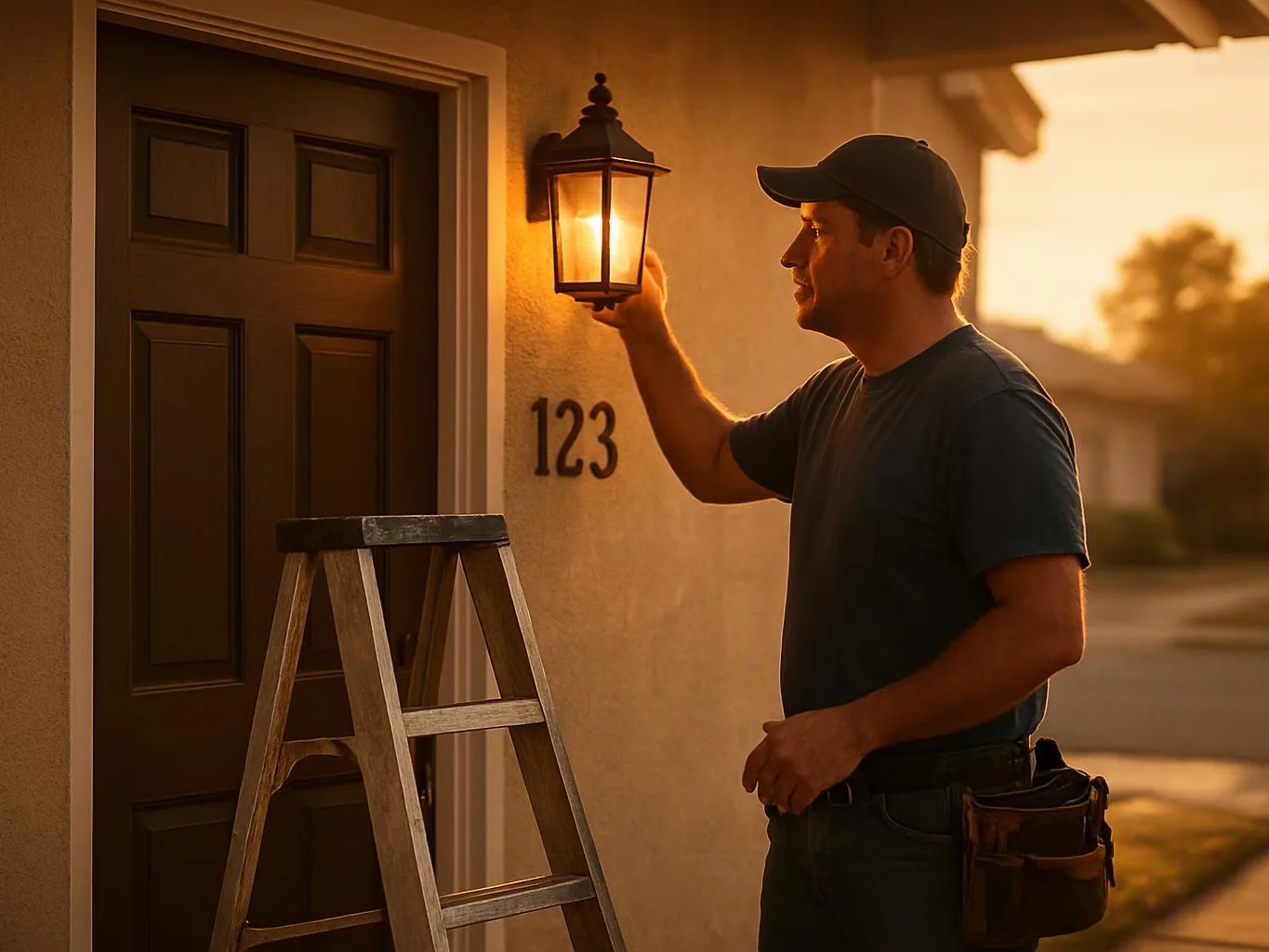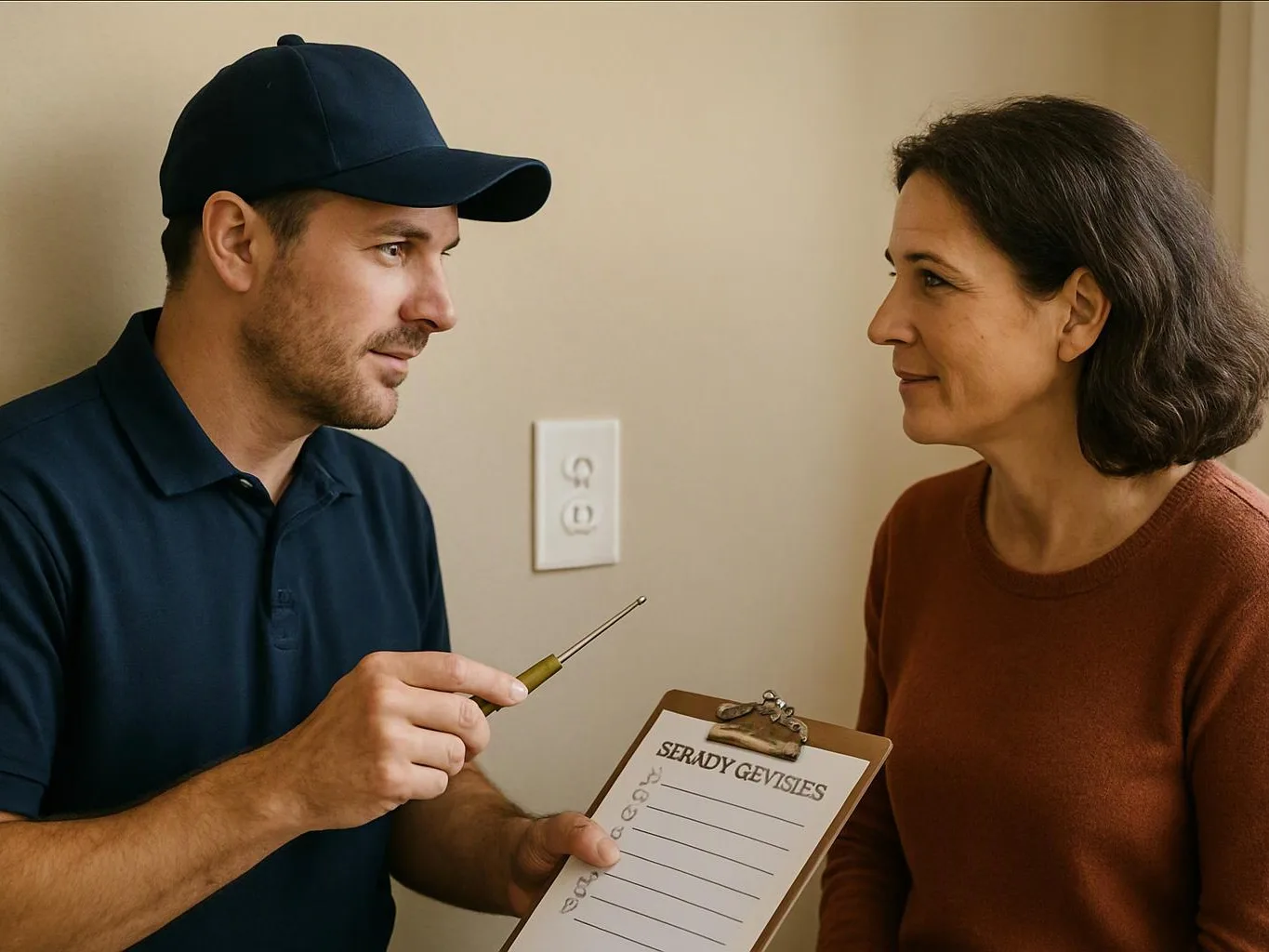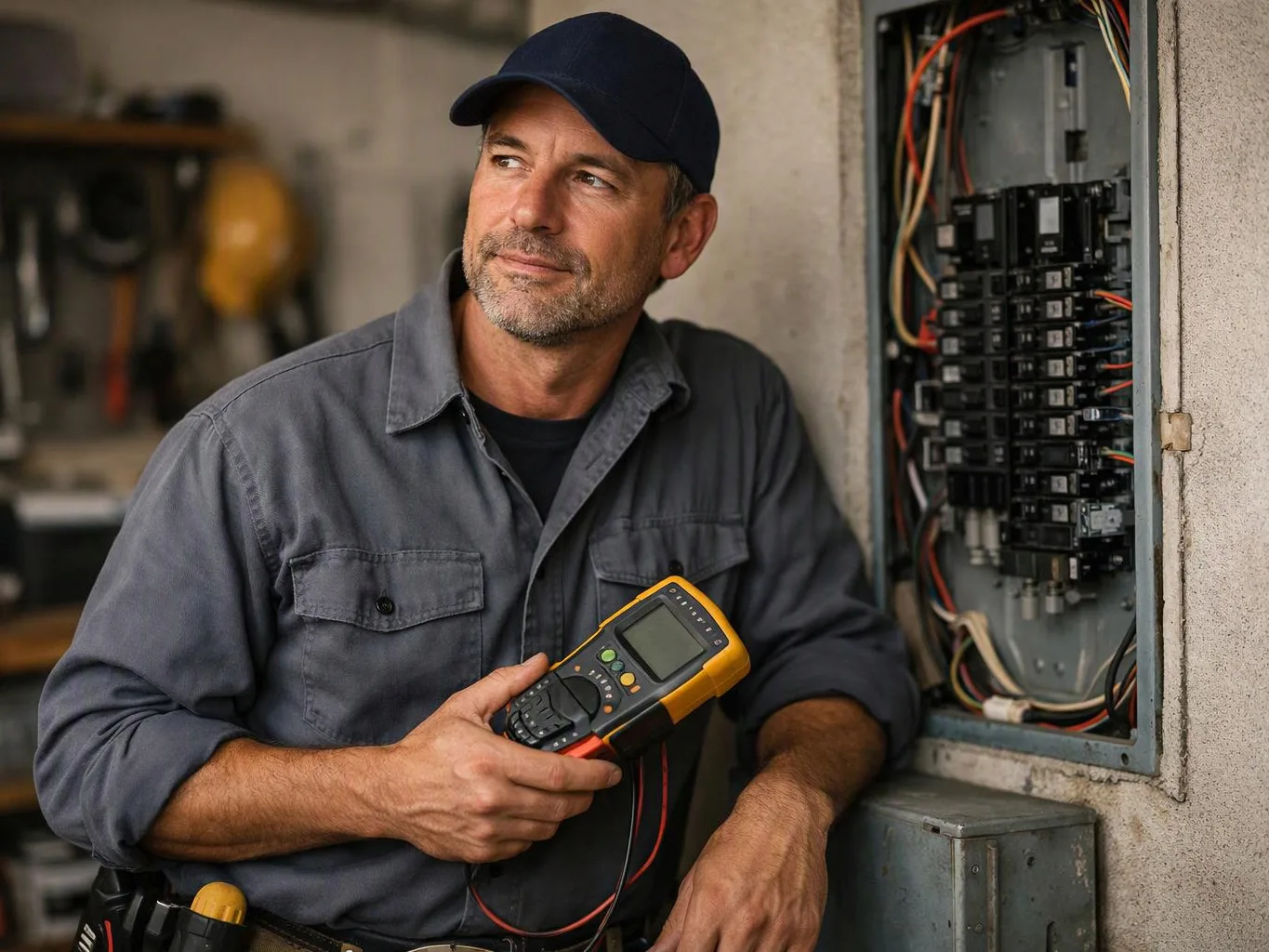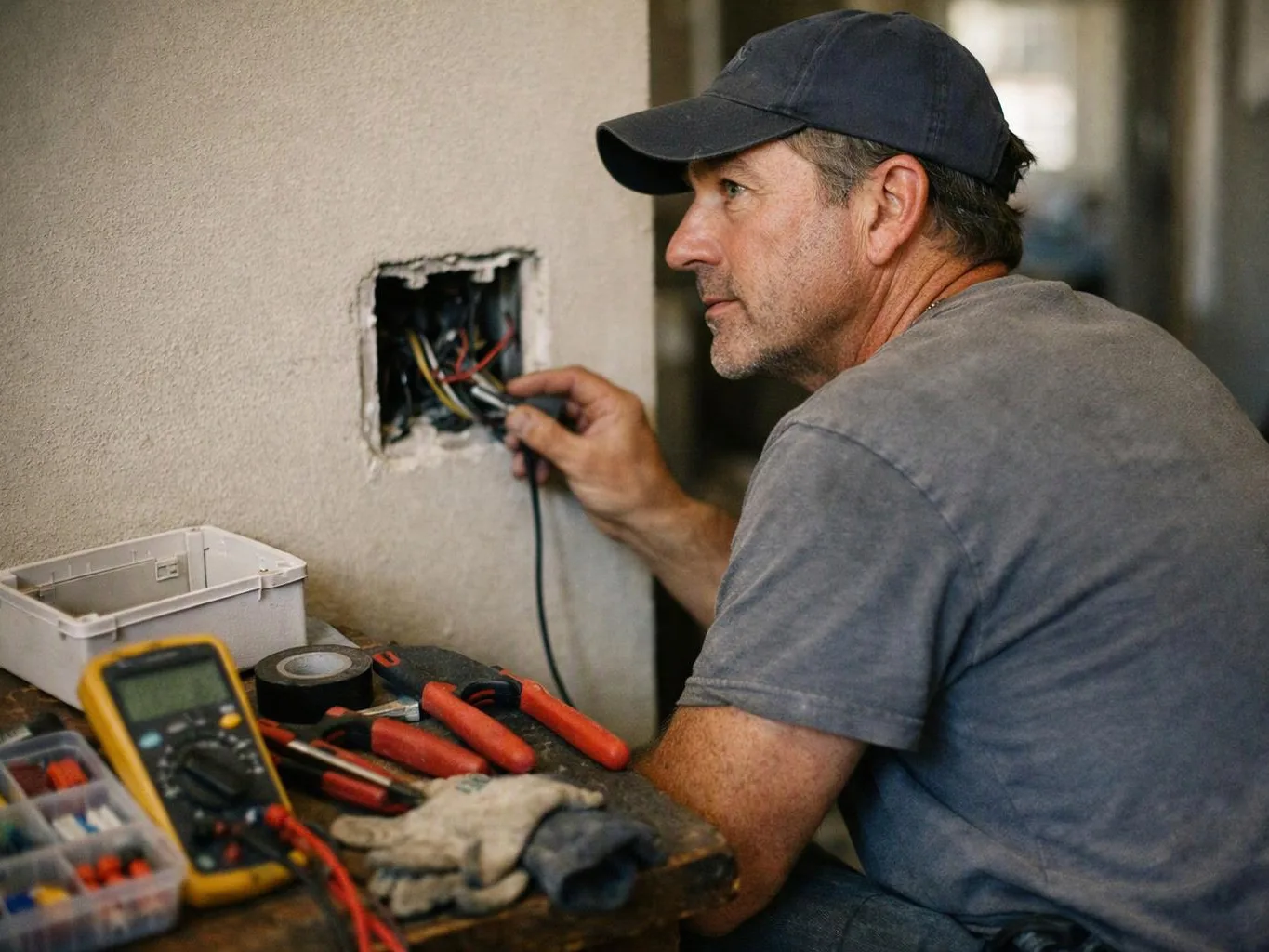
Flickering Lights in the House: Causes and Warning Signs
Flickering lights in the house can come from a bulb, a switch, or an electrical fault. Center Electric Service can trace the cause, especially when flickering affects several rooms or comes with signs of heat.
Get a Free EstimateWhat causes lights to flicker in a house?
Flickering lights can stem from a bulb, a dimmer, or an electrical fault. We check the cause before we suggest a repair.
What does the pattern of flickering mean?
The pattern of flickering can help narrow down where the fault may be. Flicker at a single fixture may point to its bulb, switch, or fixture. We check those parts for the cause.
Lights flickering in several rooms may point to a wider electrical problem. Lights can also dim when an appliance starts. We check the circuits and supply to find out why.
The utility power supply may also play a part. We check the home’s supply and help identify when the utility may need to investigate.
What warning signs can come with flickering lights?
Flickering lights with heat, smells, or unusual sounds can signal a serious fault. Don't ignore these signs or keep using a suspect fitting.
When are flickering lights an emergency?
Flickering lights with smoke, fire, or signs of heat need urgent attention. Leave the home and call the fire department if you see smoke or fire.
A burning smell or hot electrical fitting can also signal danger. Stay away from the fitting and contact us through Emergency Electrician for urgent electrical faults.
What can you safely check when lights flicker?
You can note where lights flicker and whether appliance use affects them. Check the bulb and dimmer labels for compatibility, which means whether they work together.
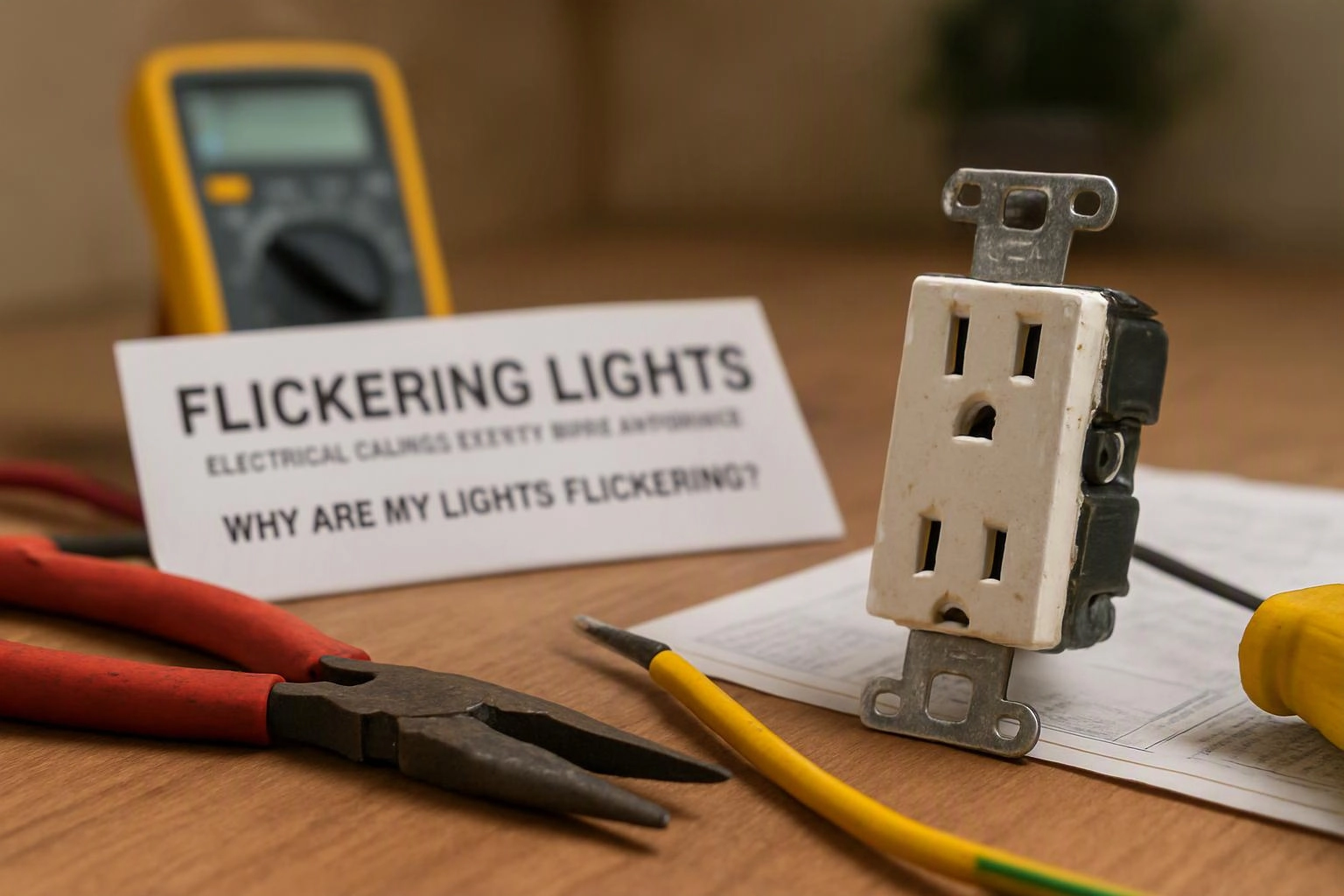
Don't open switches, outlets, or the electrical panel (the box that holds your breakers). Don't touch a hot fitting or reset a breaker that keeps tripping. Tell us what you've noticed so we can check the fault.
How do we trace and repair flickering lights?
We trace flickering lights by checking the affected fixtures and electrical supply. We explain the fault and the repair options before work begins.
Our Electrical Troubleshooting checks can cover switches and fixtures. We also check the circuit and supply as needed. Our Lighting Repair work addresses the fault we find.
The repair scope depends on the cause and the parts involved. Our quote explains the proposed work. Ask us for an estimate after sharing what you've noticed.
How can you help prevent flickering lights?
Matching bulbs to fixtures and reporting faults can help prevent flickering lights. These habits also help us spot a problem before it goes unchecked.
Contact Center Electric Service if your lights keep flickering. We'll help trace the cause and explain the next steps.
Get a Free EstimateWhat Are the Key Specifications to Know?
- Topic Focus
- Flickering Lights in the House: Causes and Warning Signs
- Related Core Service
- Electrical Troubleshooting
- Evaluation Method
- On-Site Inspection & Written Scope
- Compliance Standard
- Local Building Code & Manufacturer Specs
How Does the Evaluation & Execution Process Compare?
| Evaluation Stage | Technical & Quality Criteria | Timeline Checkpoint |
|---|---|---|
| Initial Diagnostic & Assessment | Identify root cause, site constraints & code requirements | Before any work begins |
| Written Scope & Option Comparison | Compare repair vs. replacement tiers & material grades | Prior to project approval |
| Code-Compliant Execution | Follow manufacturer specs & local permitting standards | During active service |
| Final Verification & Walkthrough | Verify installation alignment, performance & clean site handoff | Upon project completion |