Signs You Need Electrical Panel Repair
Signs You Need Electrical Panel Repair include overheating, burning odors, buzzing, repeated breaker trips, and visible panel damage; Center Electric Service checks the panel, identifies the fault, and explains the repair needed.
Which Signs Mean Your Electrical Panel Needs Repair?
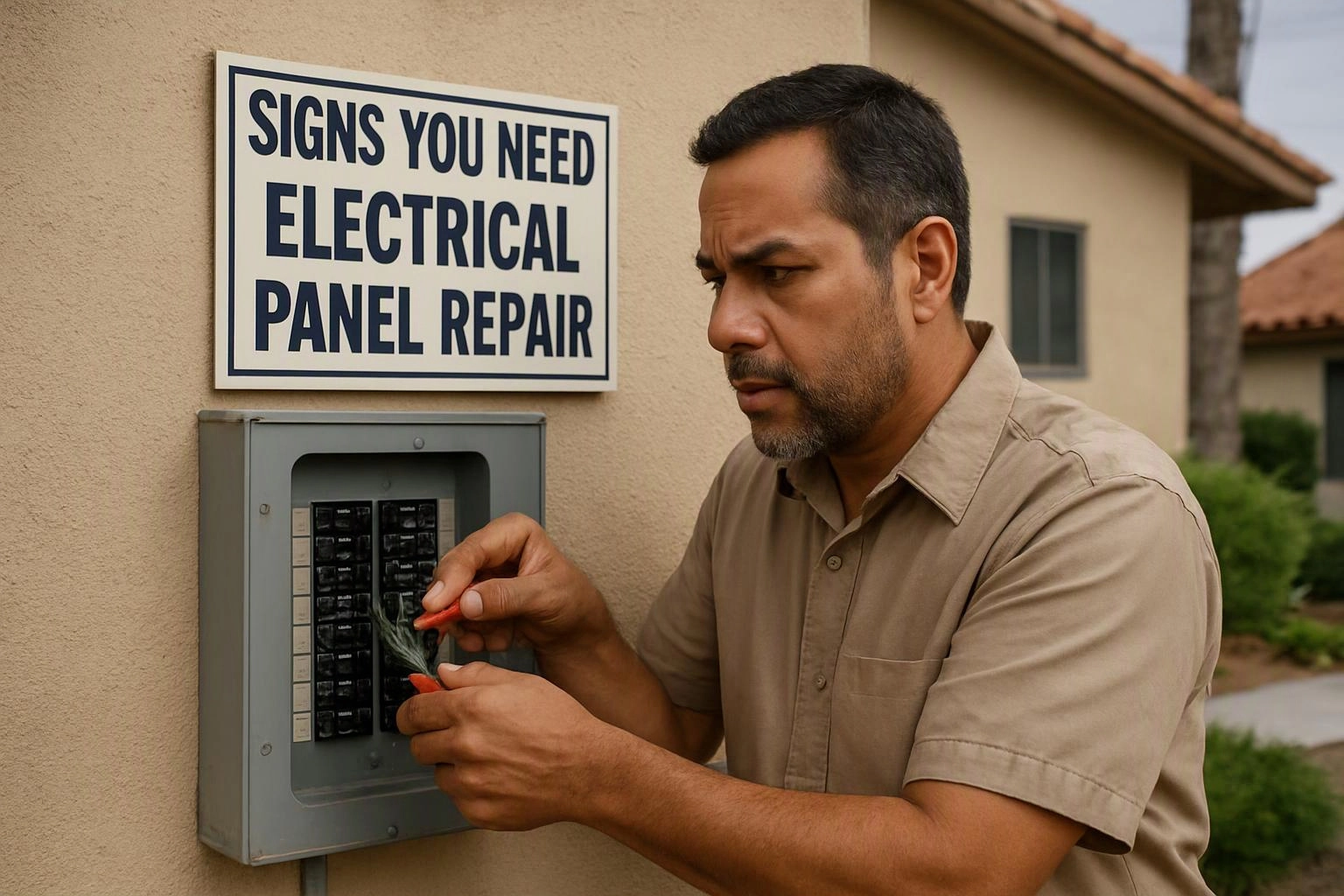
Electrical panel repair is warranted when the panel shows heat, burning odors, unusual sounds, recurring breaker trips, or visible damage. Center Electric Service checks these signs to identify whether the fault involves the panel, a circuit breaker, or connected electrical wiring.
Warning signs can appear at the breaker box or at fixtures supplied by the panel. Record what you notice without removing the panel cover or touching damaged parts.
Why These Electrical Panel Problems Should Not Be Ignored
Electrical panel warning signs can indicate faults that affect safe power distribution, so Center Electric Service identifies the source before the condition worsens. A panel problem can affect electrical safety throughout the electrical system.
A loose connection can create heat at a terminal. An overloaded circuit can place more demand on electrical wiring than the circuit should carry. A faulty breaker may fail to protect the circuit as intended.
Flickering lights, power loss, and a tripped breaker can also point to an issue outside the panel. We trace the symptoms to the affected circuit and check the related connections before recommending panel repair.
What We Check During Electrical Panel Troubleshooting
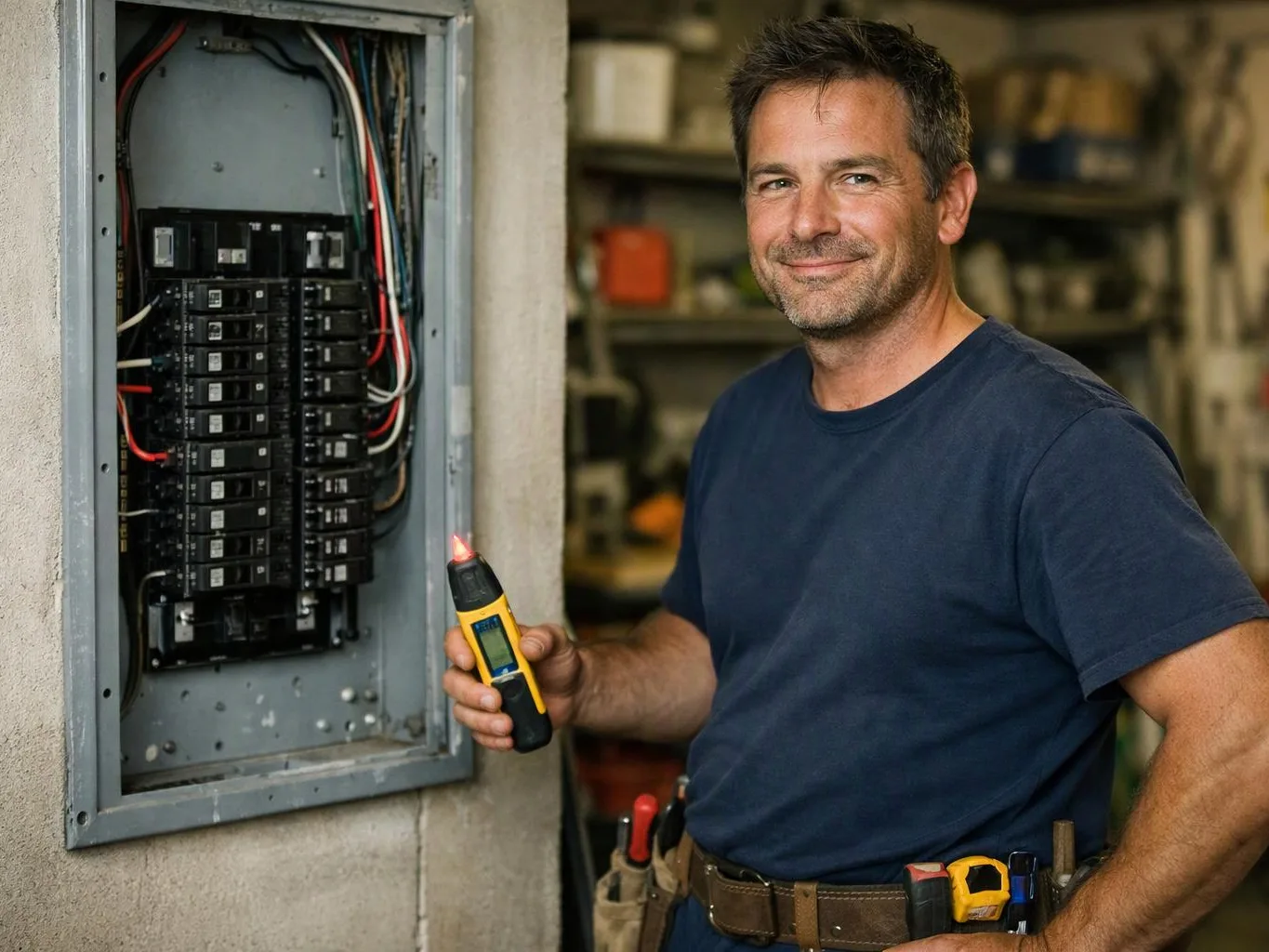
Electrical troubleshooting starts with Center Electric Service examining the panel, breakers, connections, enclosure, and affected circuits to locate the fault. Our team uses the visible symptoms to guide a careful panel inspection.
We inspect the service panel for damaged circuit breakers, loose wire connections, heat marks, and signs of circuit overload. We also examine the bus bar, neutral bar, ground bar, wire terminals, and panel enclosure for conditions that may affect safe operation.
Diagnostic testing helps us compare the circuit load with the condition of the branch circuit. We check whether the problem involves a main breaker, a branch circuit breaker, an arc-fault circuit interrupter, or a ground-fault circuit interrupter.
Can You Check an Electrical Panel Yourself?
Yes, you can note visible warning signs and identify which breaker has tripped, but Center Electric Service should handle panel access, testing, repairs, and damaged wiring. Homeowner safety comes first because the panel may contain energized parts even when a breaker is off.
You can look for unusual sounds, odors, heat, flickering lights, or visible damage from a safe position. You can also report when power loss began and which appliances or rooms were affected.
Do not remove the electrical panel cover, probe wiring, tighten terminals, or replace a breaker yourself. A breaker reset is limited to moving the handle fully off and back on when there is no smell, smoke, heat, sparking, or visible damage; stop if the breaker trips again.
DIY Checks vs Calling Center Electric Service
Electrical panel inspection can include safe observations and symptom reporting, while Center Electric Service performs testing and electrical panel repair. The table separates actions that do not require opening the panel from work our crew handles.
Simple observations can help us understand the problem. Repair work requires controlled testing and care around electrical hazards.
| Factor | What you can do yourself | What we do |
|---|---|---|
| Visual inspection | Look for heat, odors, sounds, or visible damage without touching the panel. | Inspect the panel enclosure, breakers, terminals, and connected circuits. |
| Breaker reset | Reset a tripped breaker only when there are no dangerous warning signs. | Test the circuit when the breaker trips again or will not remain engaged. |
| Electrical testing | Report when the symptoms occur and what equipment is affected. | Perform diagnostic testing to locate the electrical fault. |
| Breaker replacement | Do not remove or replace a breaker. | Assess the breaker and complete replacement when the repair requires it. |
| Wiring repair | Do not handle loose, burned, or damaged wiring. | Repair affected wire connections and address the underlying cause. |
Call Center Electric Service when symptoms continue or when the panel shows heat, smoke, sparks, or damage. We keep the inspection focused on the source of the problem and the safe operation of the affected circuit.
What Determines the Electrical Panel Repair Needed?
The required electrical panel repair depends on the fault location, the condition of the breaker and wiring, and whether the panel can safely support the affected circuit. Our team uses those findings to define the repair scope.
A damaged breaker may call for breaker replacement, while a loose connection may require work at a wire terminal or bus bar. Burned wiring, a damaged panel enclosure, or a circuit overload can require broader corrective work.
Panel capacity and circuit demand also matter. We check whether the existing service panel can support the affected load safely before recommending a repair or discussing a larger electrical service upgrade.
How Center Electric Service Explains the Repair
Center Electric Service explains the diagnosed panel problem, the repair scope, and the quote before proceeding, with Free Estimates Available. We connect the findings from the electrical inspection to the work we recommend.
The repair estimate reflects the fault location, breaker condition, wire condition, panel capacity, and required access. Our team answers questions about the recommended work before starting.
When Should You Stop Using the Electrical Panel?
Stop using an electrical panel when it smells burned, produces smoke or sparks, feels unusually hot, or shows visible damage, and contact Center Electric Service for assessment. These conditions can create an electrical shock hazard or signal a serious fault.
Do not touch the panel when smoke, sparking, or a strong burning odor is present. Move away from the area and contact emergency services if there is an active fire or immediate danger.
When the problem is limited to power interruption or repeated breaker trips without heat or smoke, avoid repeatedly resetting the breaker. We can inspect the circuit and determine whether the cause is an overload, faulty breaker, loose connection, or damaged electrical wiring.
Contact Center Electric Service when your panel shows warning signs or when a breaker will not operate normally. We will assess the condition, explain the repair needed, and provide a clear estimate before proceeding.
Request an Electrical Panel Repair AssessmentRelated Resources
Electrical Troubleshooting Process: How Electricians Find and Fix Electrical Problems
Compared ToElectrical Panel Repair vs. Replacement: Which Option Fits the Problem?
Compared ToDIY Electrical Repair vs. Hiring an Electrician: Which Jobs Should You Compare?
How to HireHow to Choose an Electrician for Home Electrical Repairs and Upgrades