Electrical Troubleshooting Process: How Electricians Find and Fix Electrical Problems
Electrical troubleshooting is a systematic process of identifying symptoms, inspecting electrical components, testing circuits, locating the fault, and verifying the repair; Center Electric Service uses this process to diagnose and fix electrical problems safely.
What Does Electrical Troubleshooting Involve?
Electrical troubleshooting involves tracing an electrical symptom to its source through visual inspection, safe testing, circuit analysis, repair, and verification.
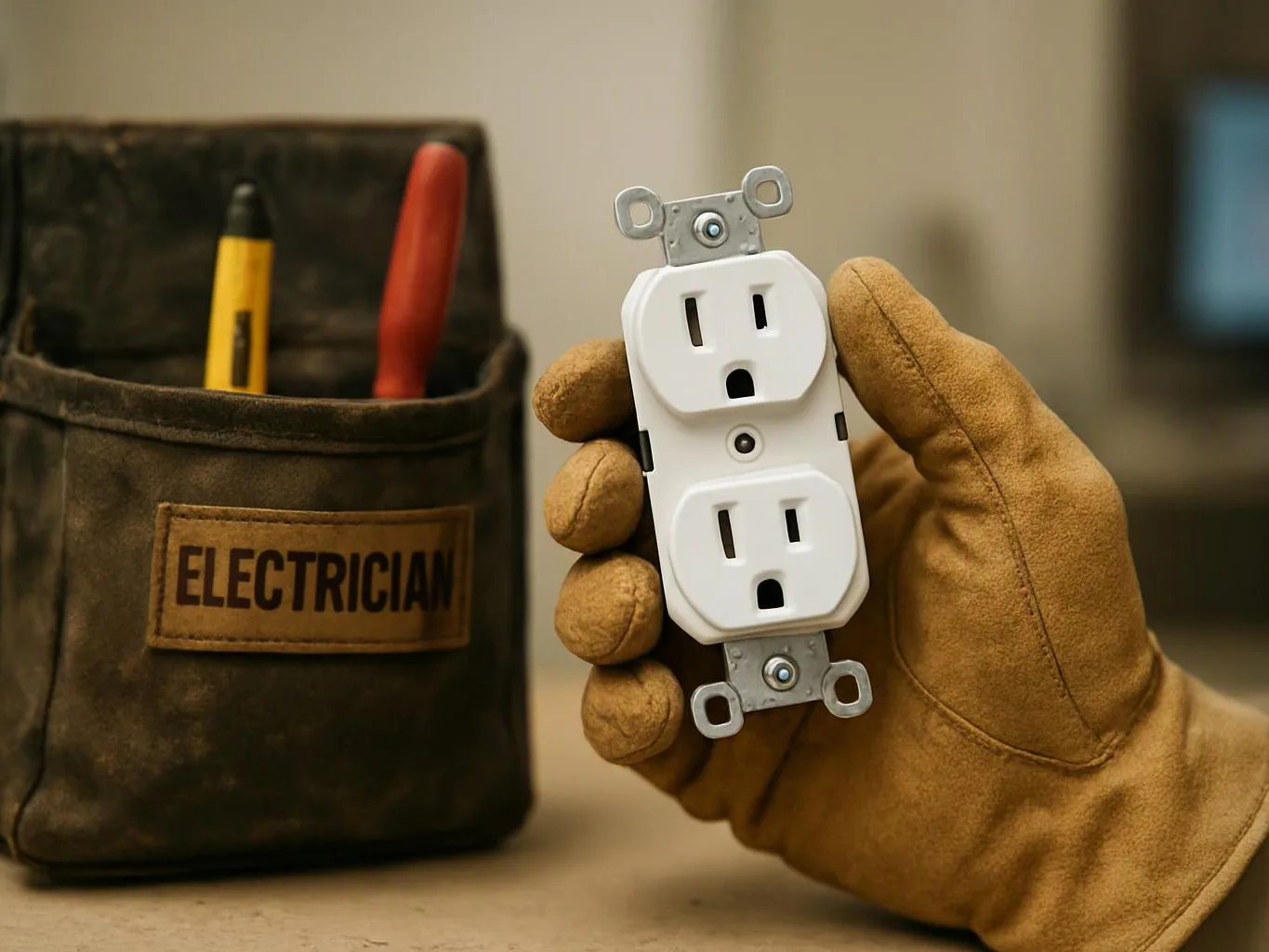
An electrical fault can affect an outlet, switch, appliance, circuit breaker, or section of electrical wiring. We connect the reported symptom to the electrical circuit that supplies the affected equipment.
Our team follows electrical safety practices throughout the process. We use safe de-energization when needed, control access to the electrical panel, and avoid guessing based only on what a component looks like.
How We Find and Fix an Electrical Problem
Our electrical diagnosis follows a structured sequence so each test helps narrow the possible fault. The process can cover outlet troubleshooting, circuit breaker troubleshooting, flickering light diagnosis, short circuit diagnosis, ground fault diagnosis, or wiring fault diagnosis.
What Information Helps Us Diagnose the Fault?
The symptom, affected equipment, circuit behavior, and conditions when the problem occurs help us narrow the possible fault.
Details about the event can show whether the issue follows a particular load, outlet, circuit breaker, or time of use. We use that information to choose the safest next test.
| Information | Why it helps |
|---|---|
| Electrical symptom | Shows whether the issue involves power loss, heat, noise, flickering, or an operating failure. |
| Affected outlet or equipment | Helps us identify the likely load and the part of the circuit to inspect first. |
| Circuit breaker behavior | Shows whether the circuit is tripping because of a load, fault, or connection issue. |
| Flickering lights | May point to a loose connection, unstable supply, or circuit load problem. |
| Burning smell | Signals possible overheating and requires prompt attention. |
| Power interruption | Helps us compare the affected circuit with other circuits that remain energized. |
| Recent electrical work | Shows where a changed connection, device, or wiring path may need review. |
How We Test an Electrical Circuit Safely
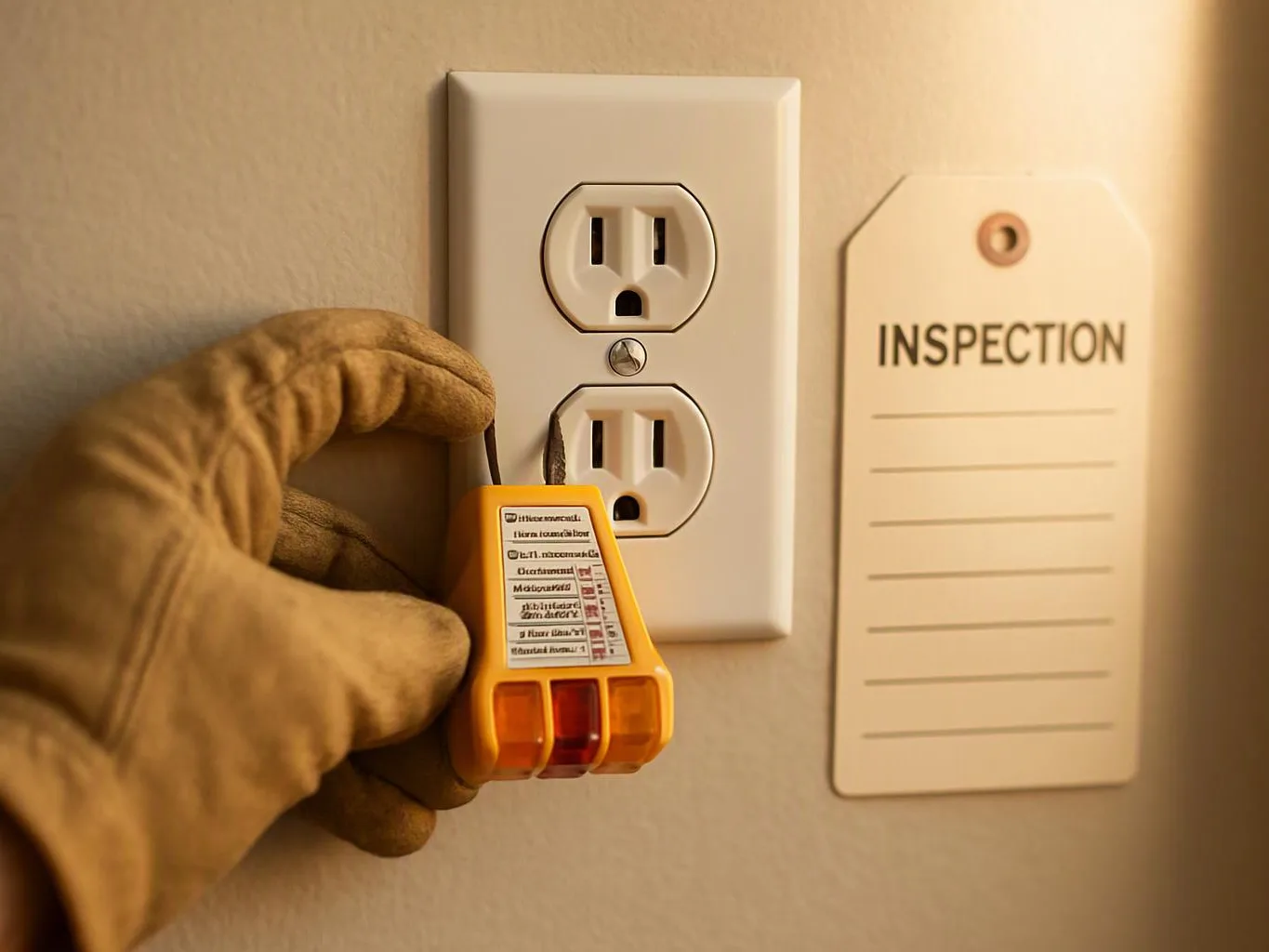
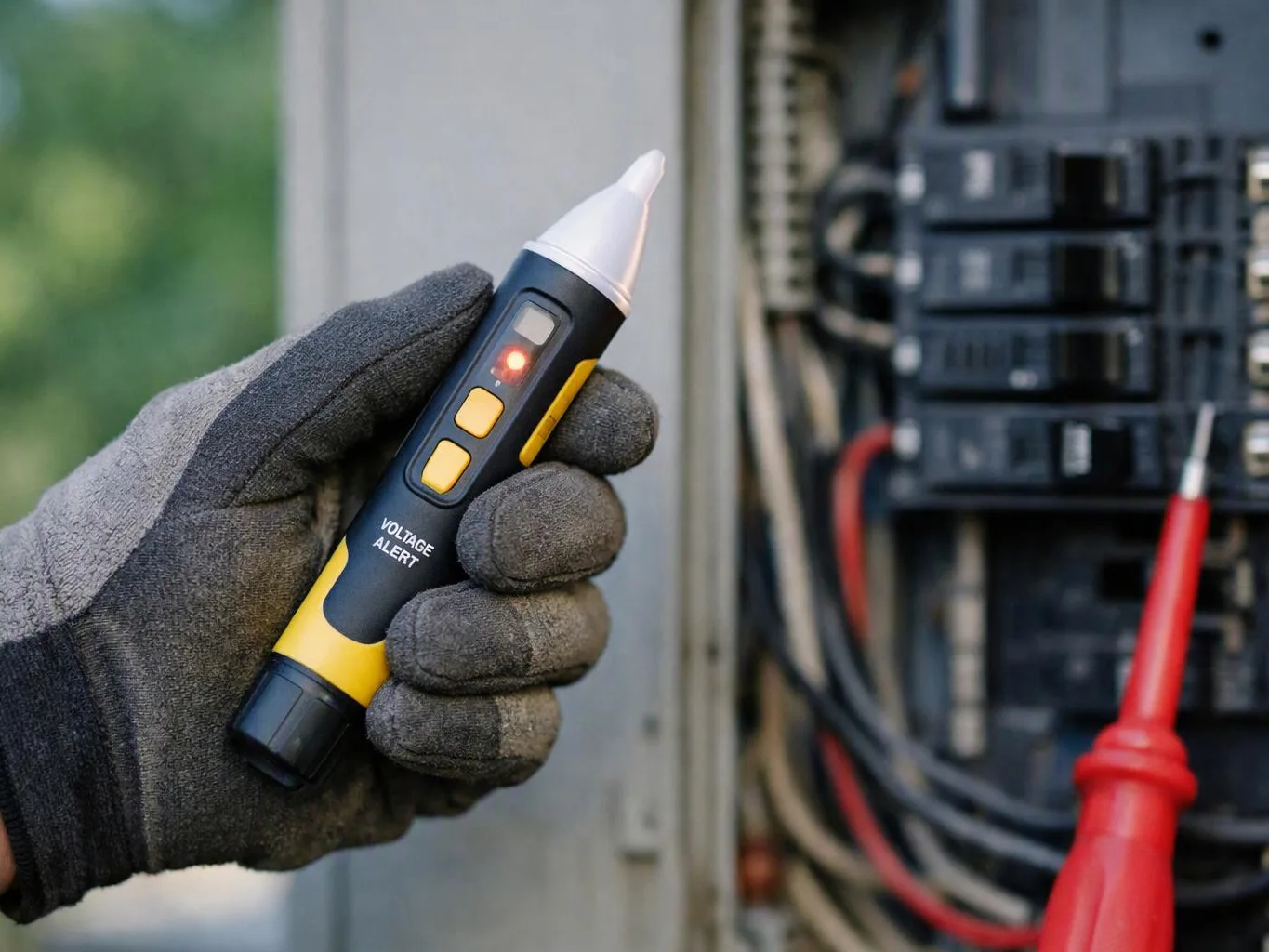
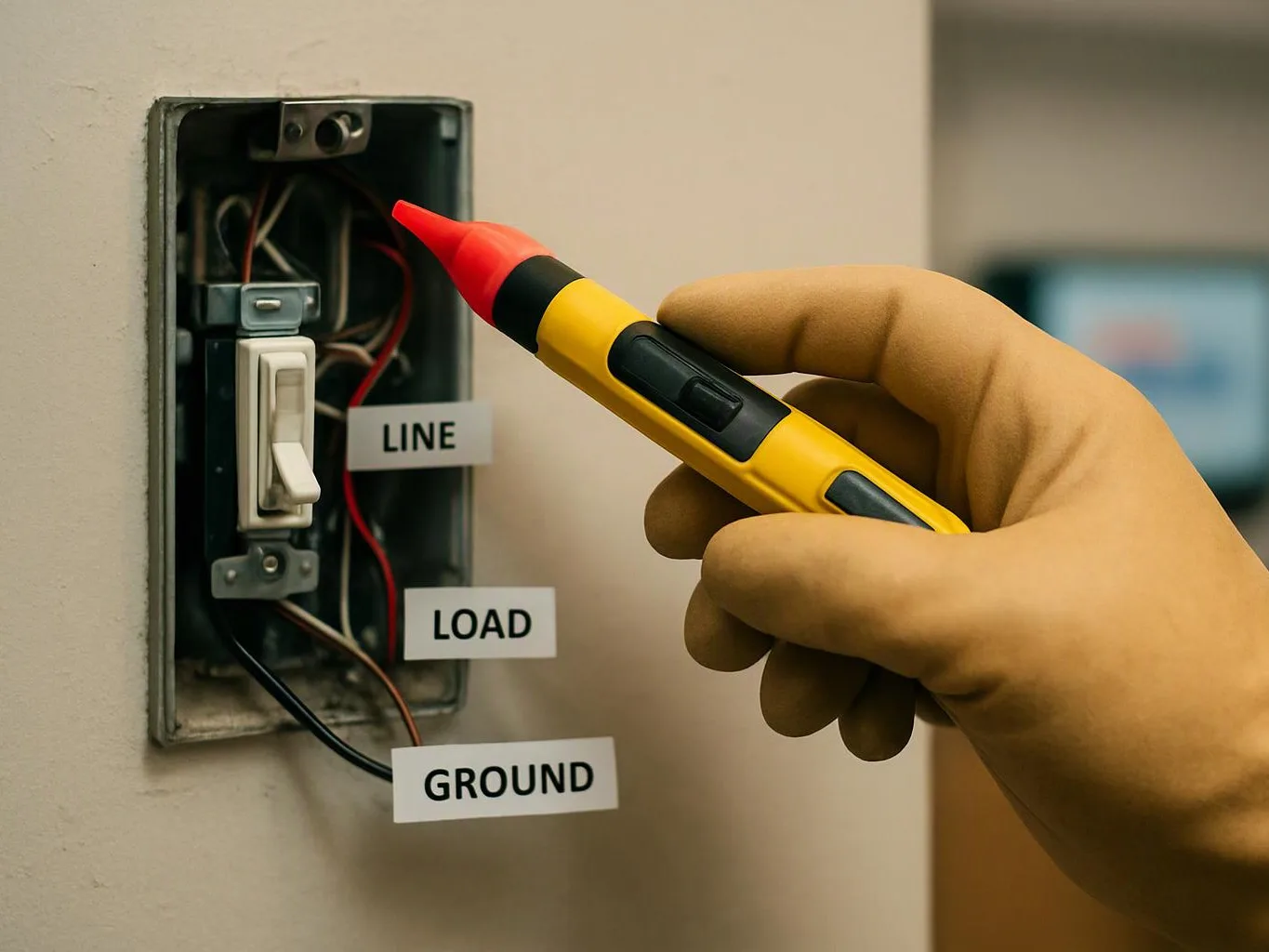
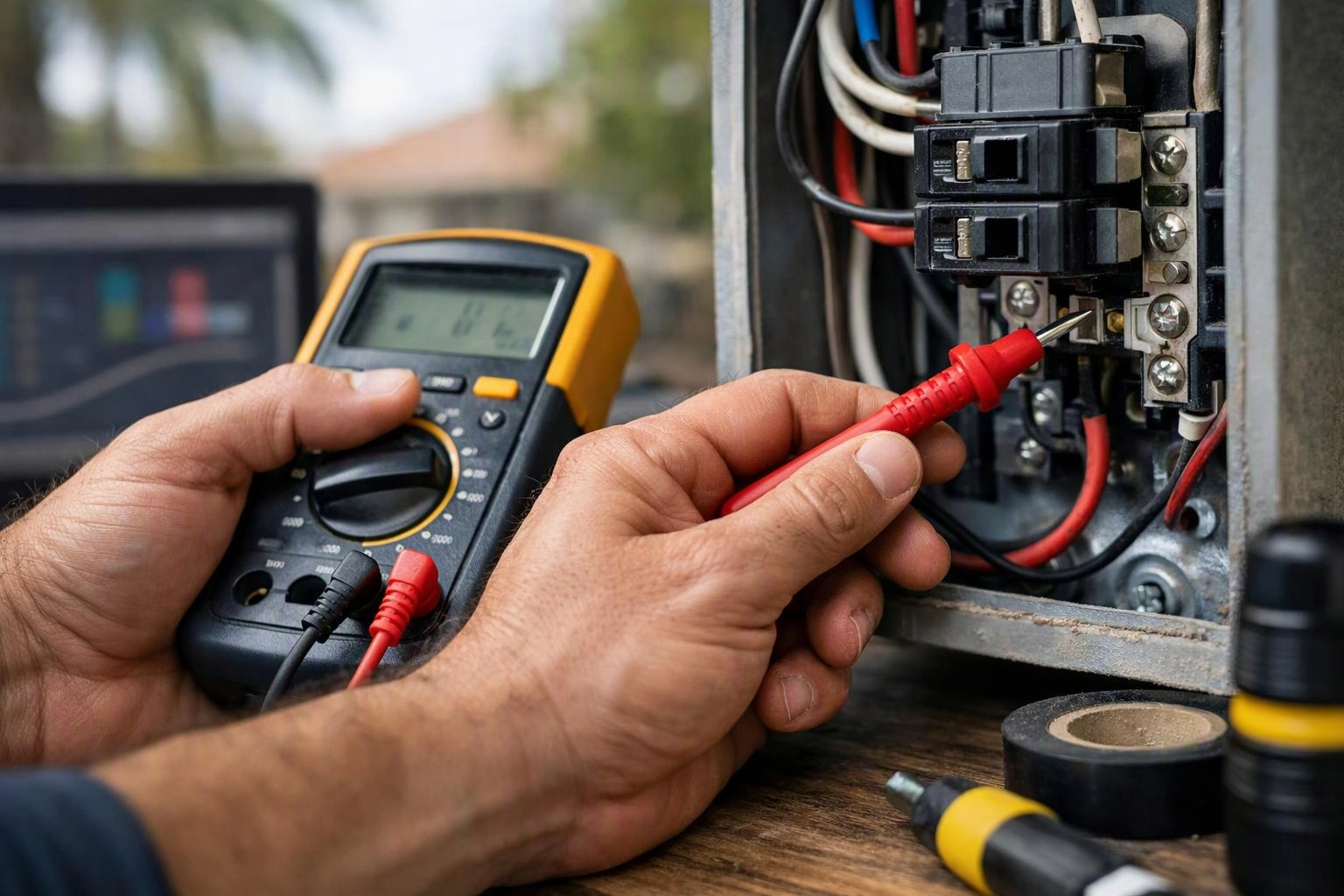
Voltage testing shows whether electrical energy is present at a point in the circuit. We use a voltage tester or multimeter at selected test points and compare the results with the circuit layout.
Continuity testing checks whether a de-energized path is complete. We use circuit breaker testing and outlet testing to evaluate the supply, device, and connections that serve the reported problem.
Grounding provides a safe path for fault current when the system is designed correctly. Our crew confirms safe de-energization before working on conductors and uses personal protective equipment suited to the task.
What Should You Do Before the Troubleshooting Visit?
Safe customer preparation gives our team useful information without exposing you to energized parts. Do not remove outlet covers, open the electrical panel, or handle exposed conductors.
Use the checklist below to prepare the work area and document the symptom. Stop preparation if you notice smoke, sparking, a strong burning odor, or signs of heat.
When Is an Electrical Safety Inspection the Right Next Step?
An electrical safety inspection is appropriate when a problem is recurring, multiple electrical hazards are suspected, or the condition of the wiring is uncertain.
Older wiring, an overloaded circuit, repeated circuit breaker trips, or a loose connection can indicate a wider condition. We inspect the related electrical panel, wiring, outlets, switches, and grounding paths to determine whether the issue is isolated.
Exposed wiring, heat damage, or signs of arcing can create a fire hazard. Our team identifies unsafe conditions and explains the electrical repair or corrective work needed.
How Does the Estimate Fit Into the Troubleshooting Process?
An electrical troubleshooting estimate reflects the diagnosed fault, required repair or replacement work, materials, access conditions, and related safety corrections.
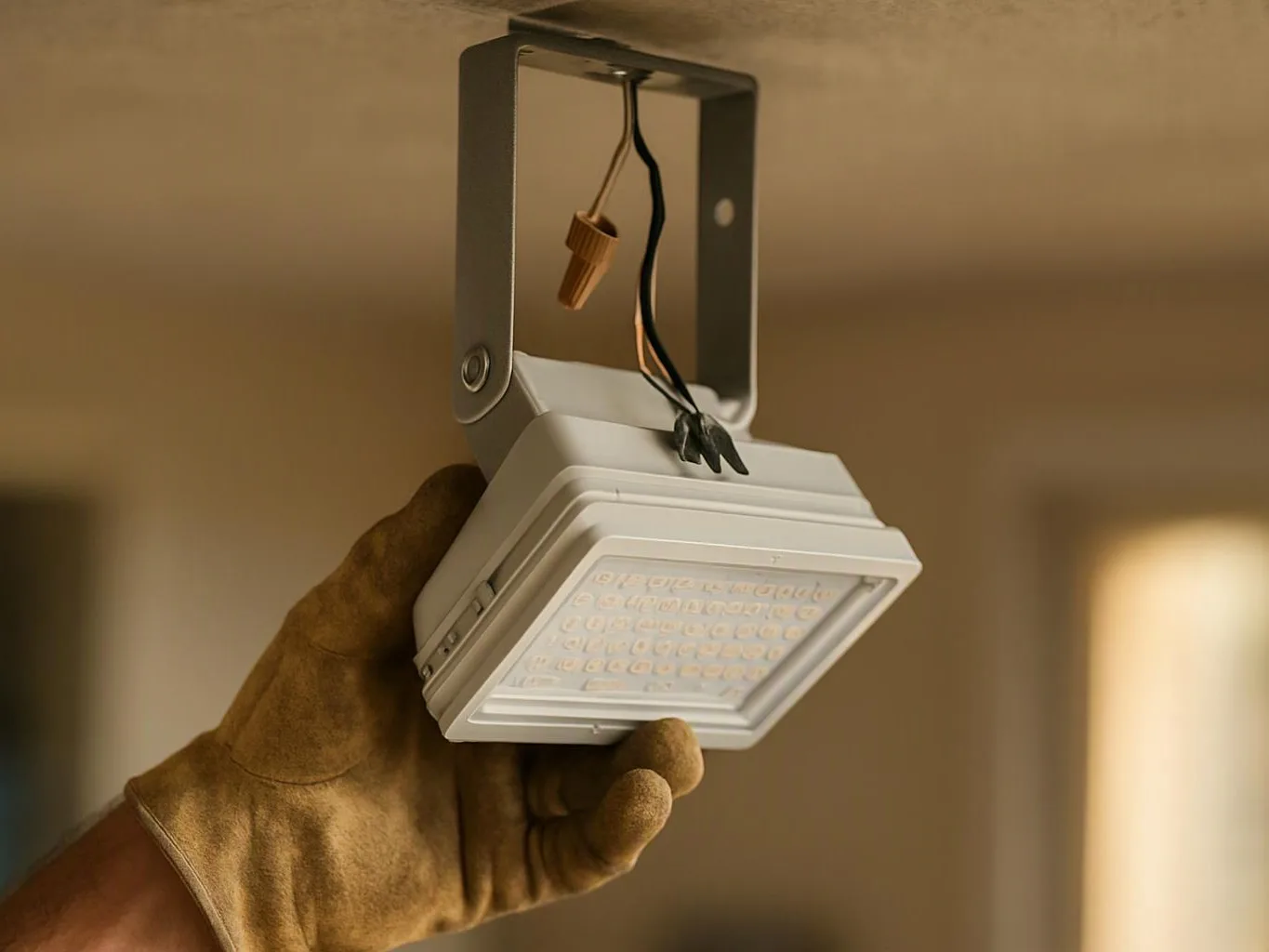
We connect the estimate to our diagnostic findings and explain the repair scope before work begins. The final work may include replacement parts, labor, circuit corrections, or additional wiring access.
Free Estimates Available. Contact us through Electrical Troubleshooting to provide the symptom details and arrange the next step.
What Electrical Problems Require Immediate Attention?
A burning odor, sparking outlet, smoke, electric shock, hot electrical panel, exposed conductor, or repeated breaker trip requires immediate attention.
Move away from smoke, sparks, or exposed wiring and avoid touching the affected equipment. If there is an active fire or immediate danger, leave the area and contact emergency services.
For non-emergency electrical fault finding, we identify the source, make the area safe, and verify the repair before returning the circuit to normal use.
Questions About Electrical Troubleshooting
Why does a circuit breaker keep tripping?
Center Electric Service checks a repeatedly tripping circuit breaker for an overloaded circuit, short circuit, ground fault, damaged device, or loose connection. We test the circuit and identify the cause before recommending a repair.
What should I do if an outlet is warm or smells burned?
A warm outlet or burning smell requires prompt electrical attention because the condition may involve overheating or a failing connection. Stop using the outlet, avoid touching damaged parts, and contact us for safe testing.
Can electrical troubleshooting identify a hidden wiring problem?
Yes, electrical troubleshooting can identify many hidden wiring problems through circuit tracing, voltage testing, continuity testing, and connection checks. We use the symptom and test results to narrow the fault without relying only on visible wiring.
What is the difference between electrical troubleshooting and an electrical safety inspection?
Electrical troubleshooting focuses on finding the source of a reported symptom, while an electrical safety inspection reviews the condition and safety of related electrical components. We may recommend an inspection when the fault suggests wider wiring or panel concerns.
Should I reset a breaker that keeps tripping?
No, you should not keep resetting a breaker that repeatedly trips. Leave the breaker in its current position, stop using the affected equipment, and contact us to test the circuit and identify the fault.
Center Electric Service uses careful inspection, circuit testing, targeted electrical repair, and repair verification to address electrical faults safely. Contact us to discuss the symptoms and arrange troubleshooting for the affected circuit.
Get a Free Estimate