DIY Electrical Repair vs. Hiring an Electrician: Which Jobs Should You Compare? Riverside, California
DIY electrical repair depends on the hazard, circuit access, diagnosis, and code implications; Center Electric Service handles troubleshooting, safety inspections, and code correction when the work exceeds safe homeowner checks. Compare the task, the fault condition, the need for power isolation, and whether hidden wiring or an energized circuit is involved.
Which Electrical Jobs Are Safe to Compare as DIY Work?
DIY electrical repair is limited to low-risk observation and simple user-level tasks, while energized circuits, hidden wiring, repeated faults, and uncertain conditions require Center Electric Service.
Homeowner safety starts with power isolation and clear access. You can observe a problem, record what happened, and follow an owner's manual without opening an electrical panel or disturbing electrical wiring.
Center Electric Service handles the next step when the electrical hazard cannot be identified safely from outside the equipment. Our team uses Electrical Troubleshooting to identify the fault and determine a suitable repair scope.
DIY Electrical Repair vs. Hiring an Electrician: Quick Comparison
DIY work may involve less direct spending but carries greater risk when the fault or wiring condition is uncertain. Hiring Center Electric Service is better suited to diagnosis, safety assessment, and code-related work.
Use the comparison to decide whether the task is a simple user action or a job that needs safe access to the circuit, breaker, outlet, switch, or electrical panel.
| Factor | DIY electrical repair | Center Electric Service | Decision point |
|---|---|---|---|
| Cost drivers | Usually limited to user-level replacement or reset actions. | Depends on diagnosis, access, parts, repair scope, and code correction. | Uncertain faults need a quote based on site conditions. |
| Timeline | Can be immediate for a simple, safe action. | Depends on access, fault finding, parts, and the work required. | Hidden faults need assessment before repair. |
| Maintenance | Observation and following equipment instructions. | Inspection findings and repair recommendations. | Recurring symptoms need more than a reset. |
| Best for | Clearly low-risk user-level tasks. | Diagnosis, safety inspection, wiring faults, and code correction. | Choose based on risk and system access. |
DIY electrical repair is best for safe observation and basic user actions. Center Electric Service is best for electrical troubleshooting, safety assessment, and work involving code compliance.
What DIY Electrical Repair Can Handle
DIY electrical repair can cover observation, documentation, and simple user-level actions that do not require opening electrical equipment or disturbing wiring.
These actions do not identify hidden electrical faults. Stop and contact us when the same symptom returns or the safe access point is unclear.
When DIY Electrical Repair Should Stop
DIY electrical repair should stop when a fault involves heat, sparks, exposed conductors, repeated tripping, water exposure, or uncertainty about the circuit.
Electrical safety becomes a concern when you see burn marks, sparking, a warm outlet, exposed wiring, or signs of an electrical shock risk. Do not touch damaged equipment or keep resetting a circuit breaker to restore power.
Center Electric Service assesses the fault condition and isolates the work area when the cause is not clear. Seasonal rain and wind in Riverside, California can introduce moisture and physical exposure risks to outdoor electrical systems, so weather-related symptoms call for careful outdoor troubleshooting and safety inspection.
What Hiring an Electrician Adds to the Job
Hiring Center Electric Service adds structured diagnosis, safety inspection, and code correction for problems that cannot be resolved through safe visual checks.
Professional electrical service is useful when the problem involves access, testing, wiring changes, or a fault that returns after a basic reset.
Which Electrical Problems Need Center Electric Service?
Electrical troubleshooting, Electrical Safety Inspection, and Electrical Code Correction need Center Electric Service when the cause is hidden, the system is unsafe, or the work must align with applicable electrical requirements.
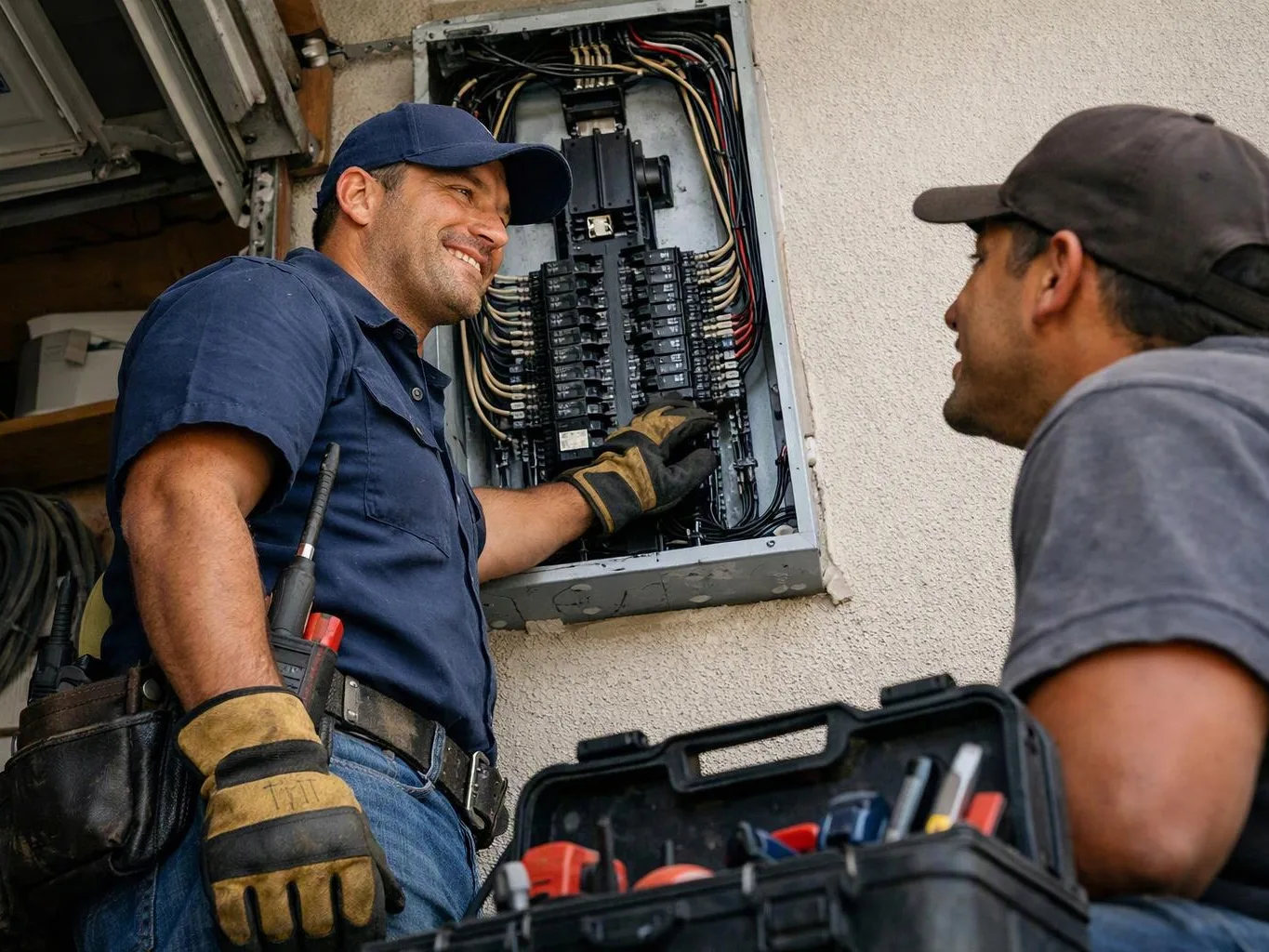
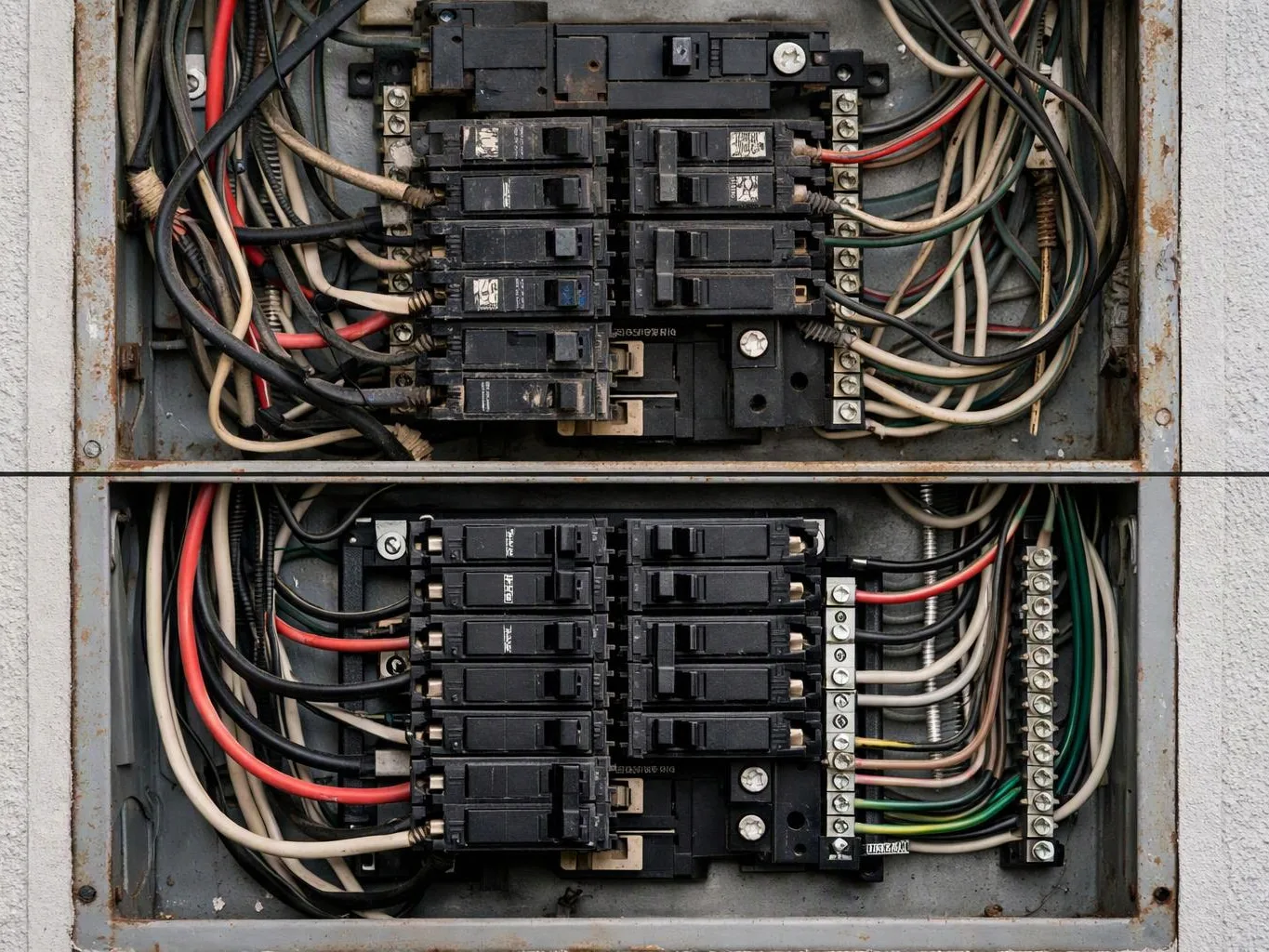
We assess repeated breaker trips, outlet faults, exposed wiring, damaged electrical panels, and symptoms that continue after a safe user-level check. Our team also considers outdoor electrical equipment when moisture exposure or physical damage may affect the circuit.
For service scope or a request for a quote, use Electrical Troubleshooting. We use the reported symptoms and site conditions to define the next safe step.
How We Assess the Work and Prepare a Quote
Center Electric Service prepares a quote after we understand the electrical diagnosis, site conditions, and repair scope.
The cost depends on access, fault location, parts, wiring condition, and the correction required. Request a quote through our contact page with the symptoms and any safe observations you have recorded.
How Should You Choose Between DIY and Hiring an Electrician?
Choose DIY only for a clearly low-risk user-level task; choose Center Electric Service when the job involves diagnosis, wiring, safety concerns, outdoor exposure, or code correction.
Use risk assessment first. Consider whether you can isolate power safely, whether the electrical system is visible without opening equipment, and whether the repair complexity is clear.
Code implications also matter. We handle electrical wiring concerns, inspection findings, and electrical code correction when the work goes beyond observation or a simple owner's manual action.
For work in Riverside, California, weather-related symptoms deserve extra care when seasonal rain or wind may have exposed outdoor equipment to moisture or physical stress.
Questions About DIY Electrical Repair and Hiring an Electrician
Can I troubleshoot an electrical problem without opening the panel?
Yes, you can observe the symptom, isolate power when safe, and follow the owner's manual without opening the panel. Center Electric Service handles the diagnosis when the cause is hidden or the circuit remains unsafe.
What should I do if a breaker keeps tripping?
Stop resetting the breaker when it keeps tripping, especially if you notice heat, sparking, burning odors, or moisture. Turn off affected equipment if you can do so safely, and contact Center Electric Service for Electrical Troubleshooting.
When does an electrical repair become an electrical code correction?
An electrical repair becomes an electrical code correction when existing wiring, equipment, access, or installation conditions need changes to align with applicable electrical requirements. We identify those conditions during the safety assessment and explain the repair scope.
What information should I provide when requesting an electrical troubleshooting quote?
Provide the affected outlet, switch, appliance, or circuit; what happened before the fault; whether the breaker trips again; and whether you see burn marks, sparking, exposed wiring, or moisture. Safe observations help us understand the possible repair scope.
Electrical troubleshooting, safety inspection, and code correction are the right next steps when a DIY check cannot explain the fault safely. Contact Center Electric Service for a quote based on your symptoms and site conditions.
Related Resources
Signs You Need Electrical Panel Repair
When You Need ItWhen to Replace a Circuit Breaker: Warning Signs of Failure
How It WorksElectrical Troubleshooting Process: How Electricians Find and Fix Electrical Problems
How It WorksElectrical Panel Upgrade Process: Steps, Inspection Points, and What to Expect