What electrical hazards should homeowners look for?
Arc faults deserve prompt attention because damaged wiring or loose connections can create heat. We check the related circuit, panel, outlets, and switches for damage or poor contact. Shock hazards can involve damaged insulation or grounding problems. Overloaded outlets and damaged cords also need review. Turn off a visibly damaged circuit and request an inspection before using it.
What does the crew look at first during an inspection?
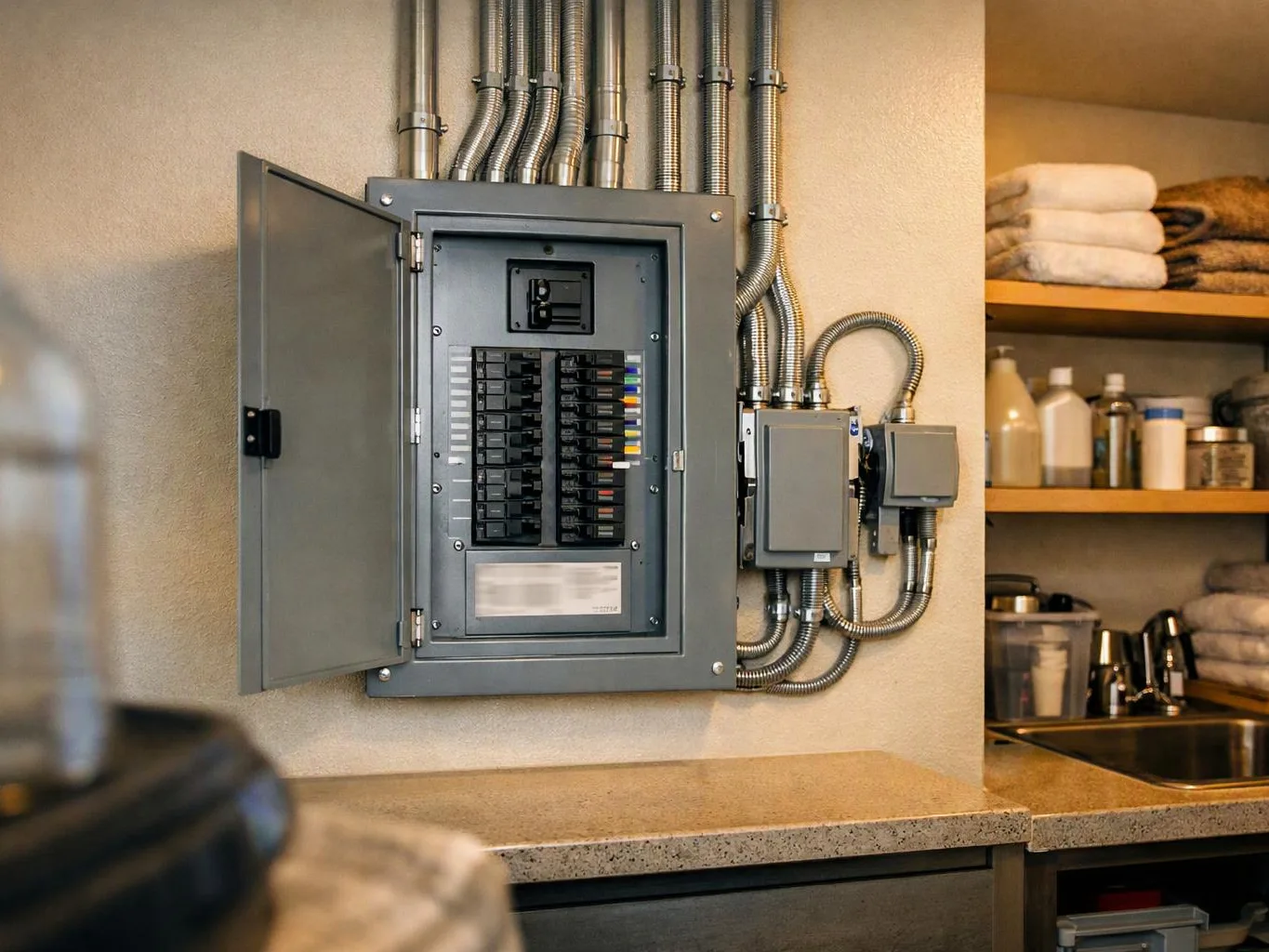
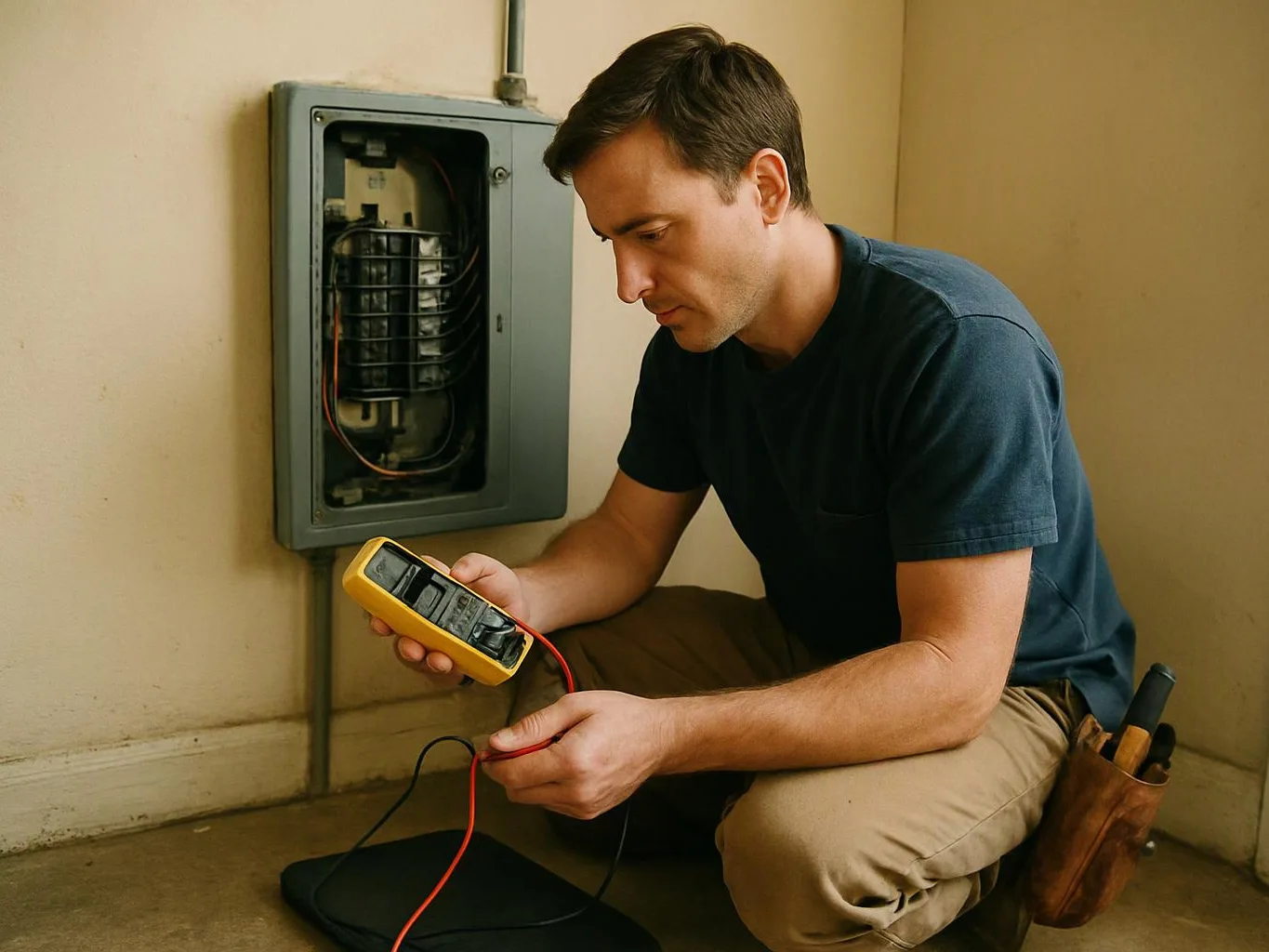
The reported symptom guides the first check. We review the panel and the circuit linked to flickering lights, dead outlets, or repeated trips. Heat marks, buzzing, loose connections, and damaged wiring receive close attention. This approach helps us connect the visible problem with the electrical part that needs further testing or repair.
How does circuit tracing help find a hazard?
Circuit tracing follows a problem from the panel through connected outlets, switches, and fixtures. We use it when one part of a circuit fails or behaves oddly. The method helps identify shared loads, loose connections, and devices that need repair. It also helps define the work when a single symptom affects several locations.
Which warning signs should make a homeowner stop using an outlet?
A burning smell, sparking outlet, warm plate, or buzzing sound calls for immediate caution. Turn off the affected circuit if you can do so safely, and don't use the outlet until we inspect it. We check the device, box, wiring, and circuit load to identify the hazard and recommend the proper repair.
When should I request an inspection before a remodel?
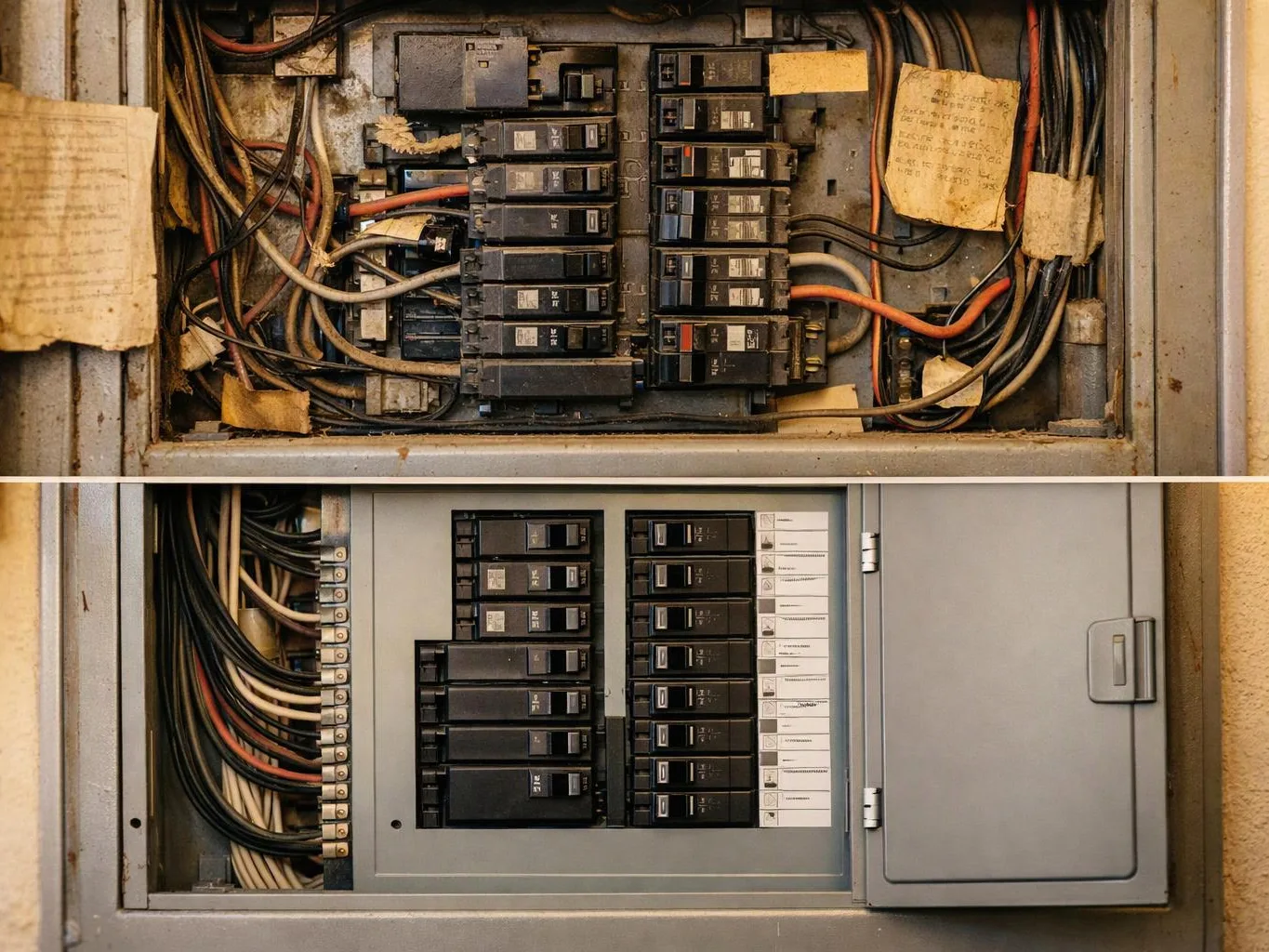
Request an inspection before finalizing electrical changes when the remodel adds outlets, lighting, appliances, or dedicated circuits. We review the existing panel, available circuits, wiring condition, and grounding. Early findings help shape the repair or upgrade scope. They also give you clearer information before installation work begins.
Why can several outlets lose power at once?
Several dead outlets can share one tripped breaker, failed device, loose connection, or damaged circuit. We trace the affected circuit and inspect the panel, upstream outlets, switches, and accessible wiring. Don't keep resetting a breaker that trips again. Repeated trips need inspection because the fault can involve more than the last outlet used.
What should be checked before an inspection is scheduled?
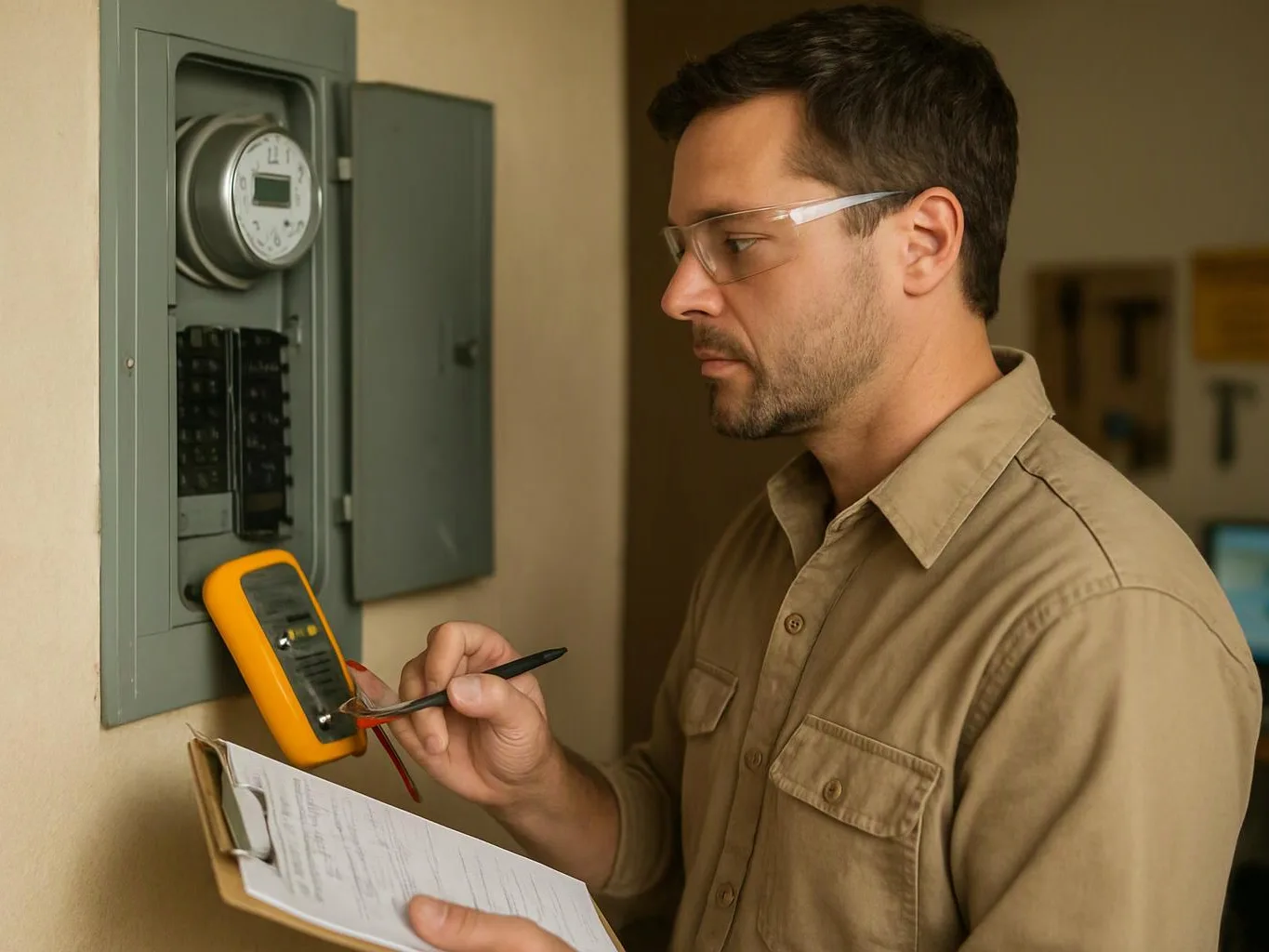
Access to the electrical panel and affected rooms should be available before scheduling. Note which outlets, lights, or appliances show trouble, and record any buzzing, heat, odor, or breaker activity. We use those details to define the inspection scope. Avoid removing covers or opening electrical boxes yourself.