What hazards should homeowners look for with overloaded outlets in Perris?
Overloaded outlets need prompt inspection because excess demand can heat wiring and raise fire risk. Center Electric Service checks outlet condition, connected loads, warm switch plates, breaker behavior, and nearby wiring. We also look for damaged cords, arc-fault signs, and shock hazards. Stop using an outlet that smells burnt, sparks, or feels hot, and keep the area clear until we assess it.
How does a safety inspection move from the first call to the last step?
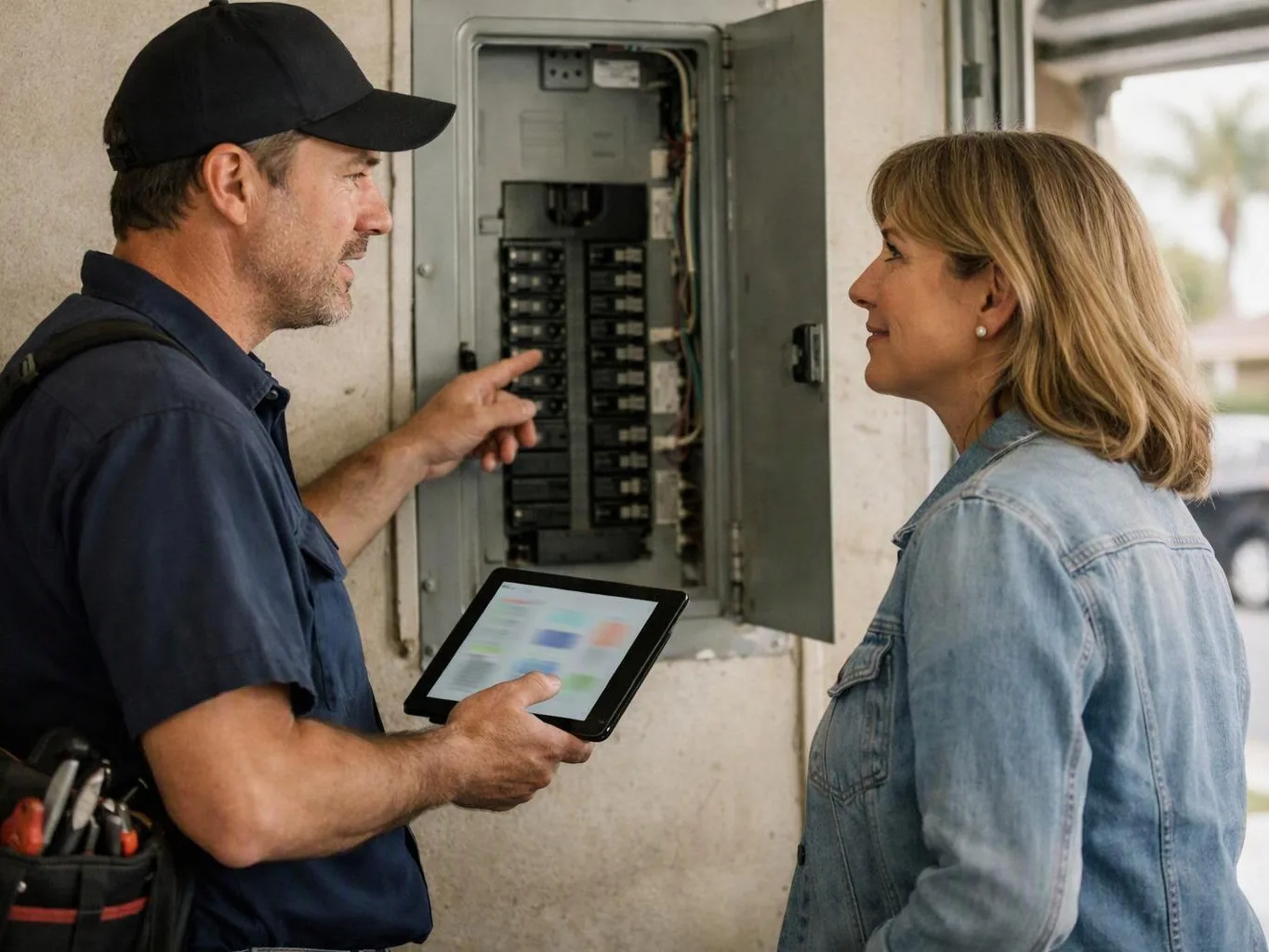
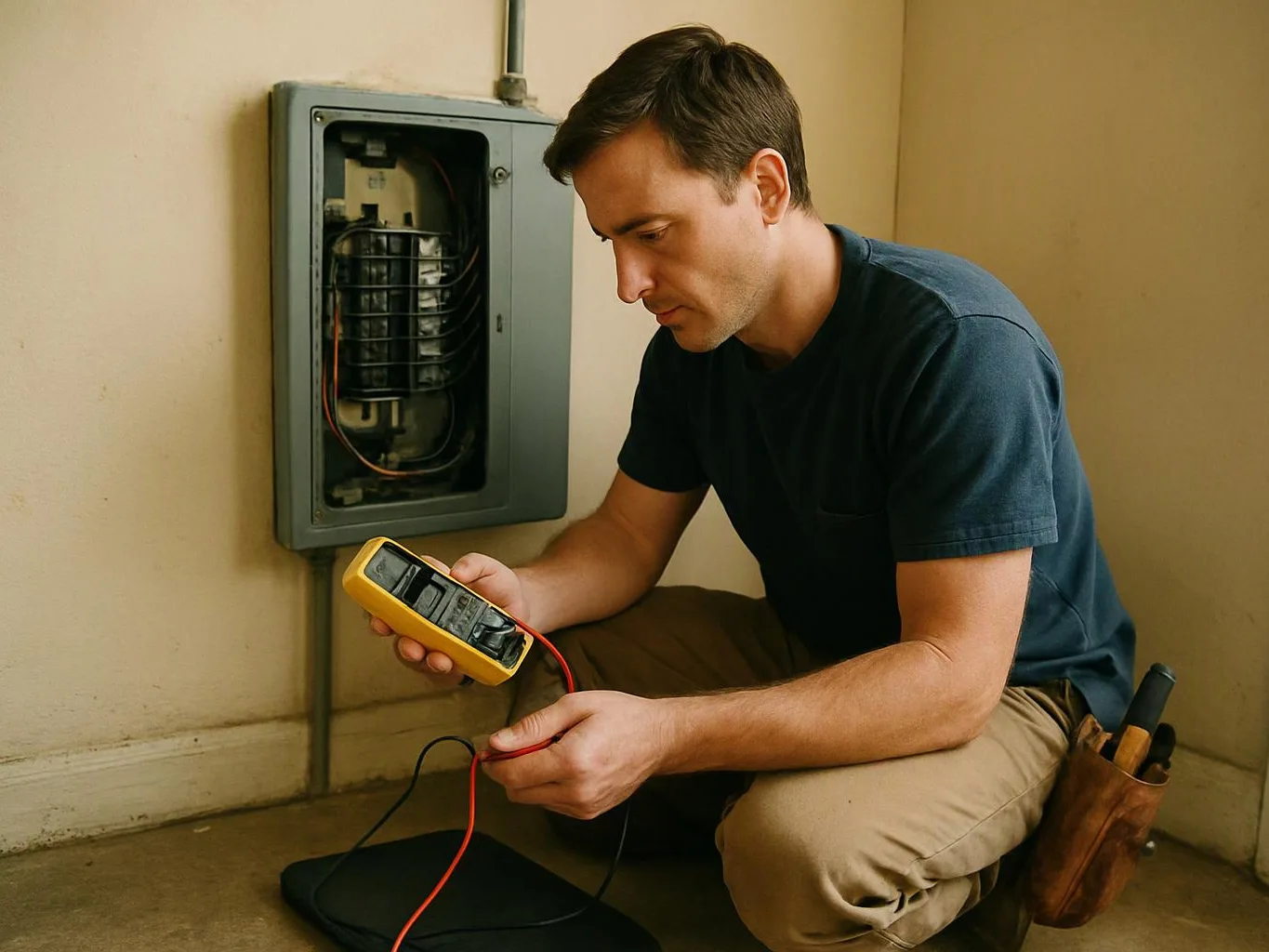
The inspection starts with your concerns and a review of visible symptoms. We then inspect accessible outlets, switches, panels, cords, grounding paths, and circuit connections. Circuit tracing helps link a problem to the right branch circuit. We explain the findings, separate urgent hazards from planned repairs, and outline the next work needed.
Which part of the property decides the inspection scope?
The electrical layout decides the inspection scope, especially the panel, branch circuits, outlets, and areas showing heat or damage. A home with dead outlets needs a different check from a business with equipment loads and shared circuits. We adjust access points and testing to match the property, its symptoms, and the safety concern.
When does a damaged cord become an electrical safety concern?
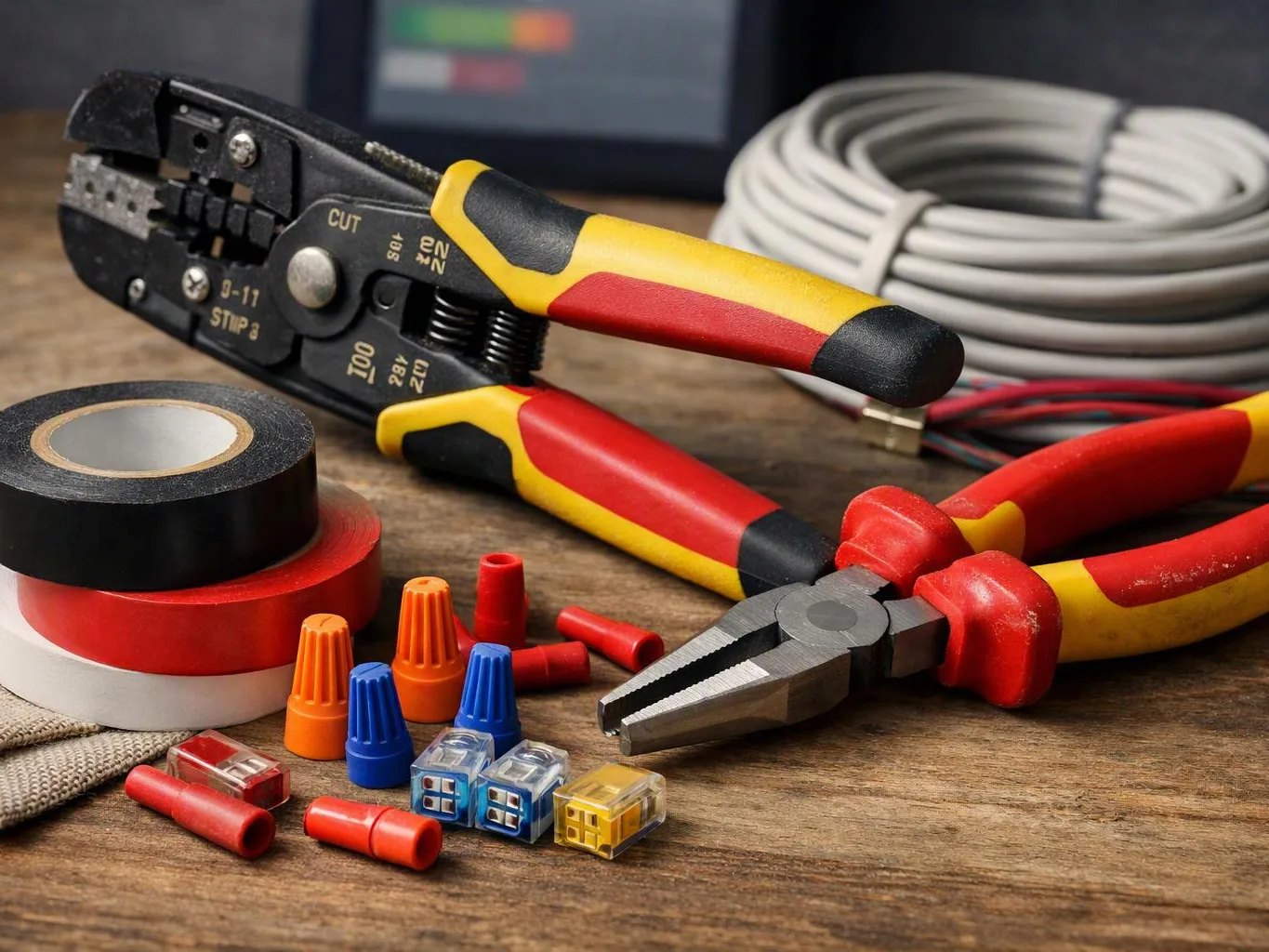
A damaged cord becomes a safety concern when its insulation is split, crushed, hot, or exposing conductors. We check the cord, plug, outlet, and connected load for heat, arcing, or poor contact. Do not tape over serious damage or keep using the item. We can identify whether the concern belongs to the cord, receptacle, or circuit.
Why do arc faults and shock hazards need separate checks?
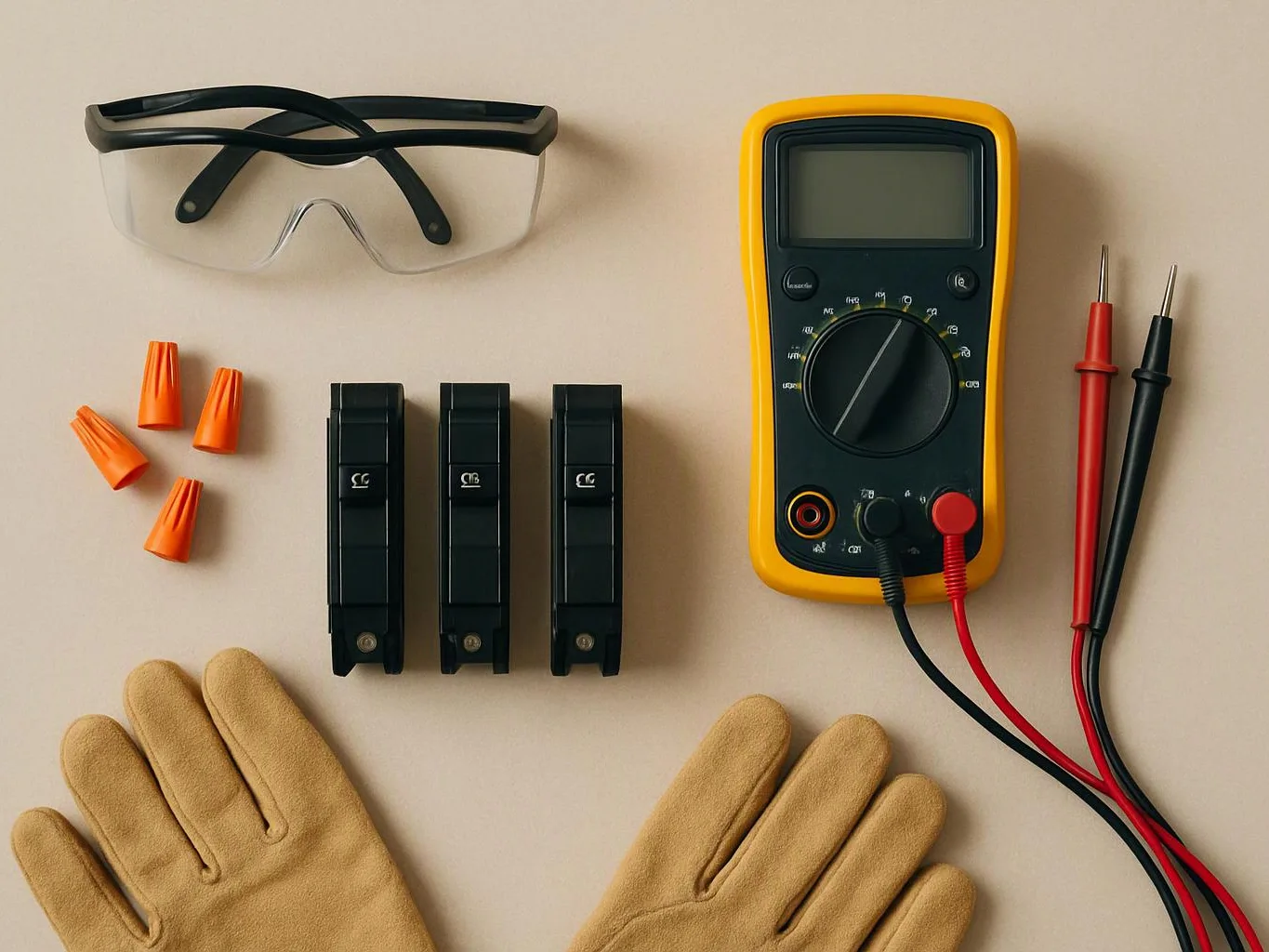
Arc faults and shock hazards involve different failure paths, so each needs its own check. Arc faults involve unwanted electrical discharge around damaged wiring or loose connections. Shock hazards involve current reaching a person through faulty grounding or exposed parts. We inspect connections, grounding, outlet condition, and breaker behavior before recommending repair or further testing.
What should a homeowner do before the inspection?
Homeowners should stop using hot, sparking, or burning-smelling outlets before the inspection. Keep access clear around the electrical panel and affected rooms, and note which lights, outlets, or breakers show trouble. Do not remove panel covers or handle damaged wiring. Those steps give our team safer access and useful details for circuit tracing.