Skip to content

EV Charger Load-Management Installation in La Verne, CA

We install load controls for home and business EV chargers in La Verne. Our licensed, insured electricians offer 24-hour emergency availability and clear, upfront estimates.

Licensed & InsuredFree EstimatesWarranty AvailableSame-Day Service

Quick Summary: EV charger load controls in La Verne, CA

EV charger load-management installation in La Verne is provided by Center Electric Service for homes and businesses. The service covers load checks, sensor checks, charger controls, and related electrical repairs from a 24-hour electrician.

  • What we do: Center Electric Service installs and checks EV charger load-management systems for homes and businesses in La Verne, CA.
  • What is included: panel checks, load sensors, charger controls, fault checks, breaker checks, and electrical repairs.
  • What you get: The charger load system works with the property’s electrical setup and gives the owner a clear repair decision.

Why can EV charging stop when the load system has no clear fault?

Incorrect settings can stop managed EV charging even when the charger has power. A load check can find a setting fault, sensor failure, communication loss, breaker trip, or voltage fluctuation.
EV Charger Load-Management Installation in La Verne

EV charger load management helps a property use a charger without placing extra strain on the electrical system. The work fits homes, shops, offices, and other properties with an EV charger and a panel that needs load control.

The key buyer decision is whether the fault sits in the charger, the load sensor, the control link, or the electrical panel. We test each part in order. A charger replacement alone won't fix a failed sensor or a tripped breaker.

This service has a clear limit. It doesn't replace a full panel upgrade when the panel lacks the needed capacity or has a separate safety fault. We explain that choice after checking the panel, feeder, breaker, and charger circuit.

  • Check the charger circuit and panel connections.
  • Review load-control settings and sensor placement.
  • Test the link between the charger and load-control device.
  • Check for a tripped breaker or voltage problem.
  • Explain repair, replacement, or panel work options.
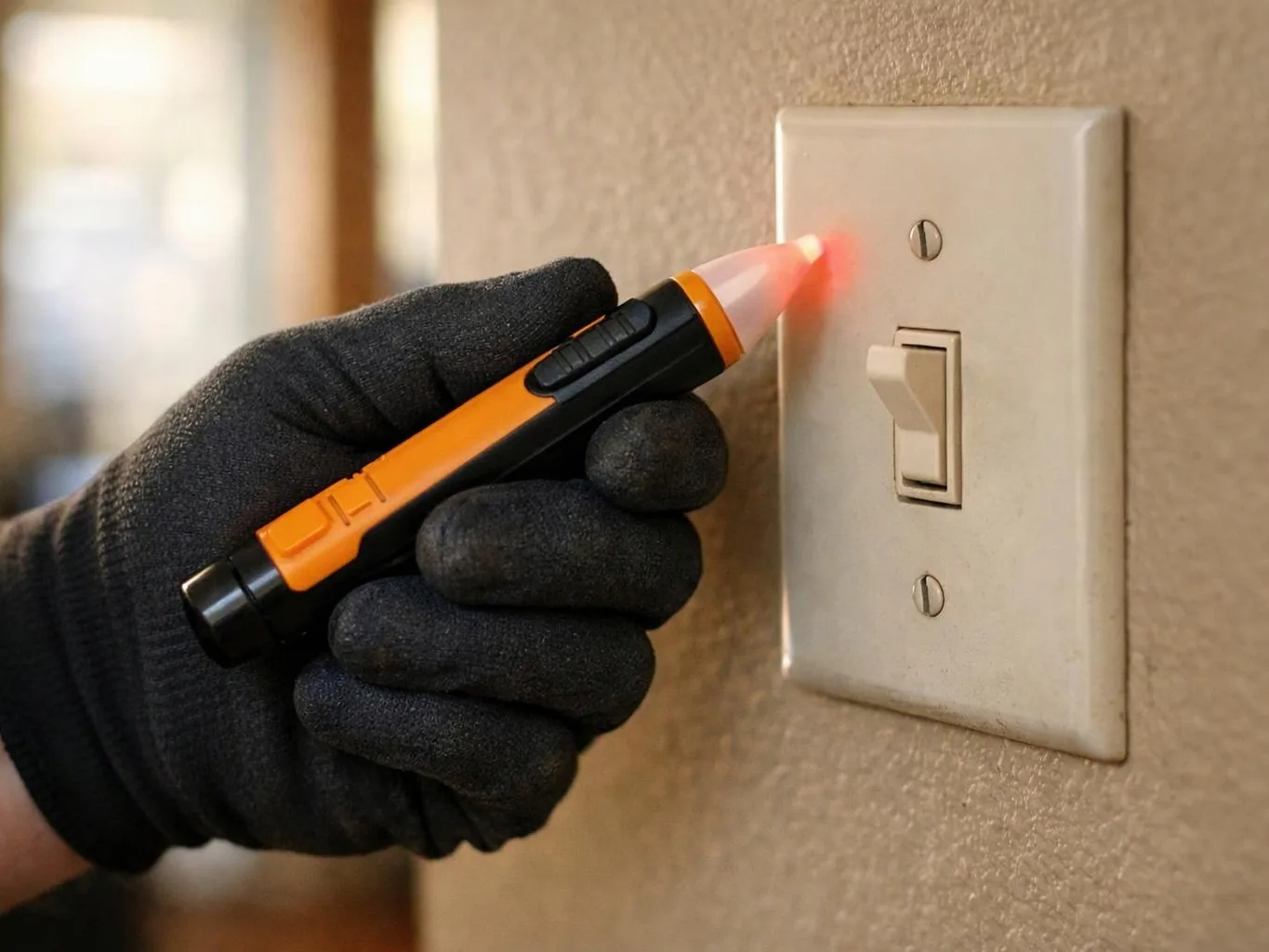
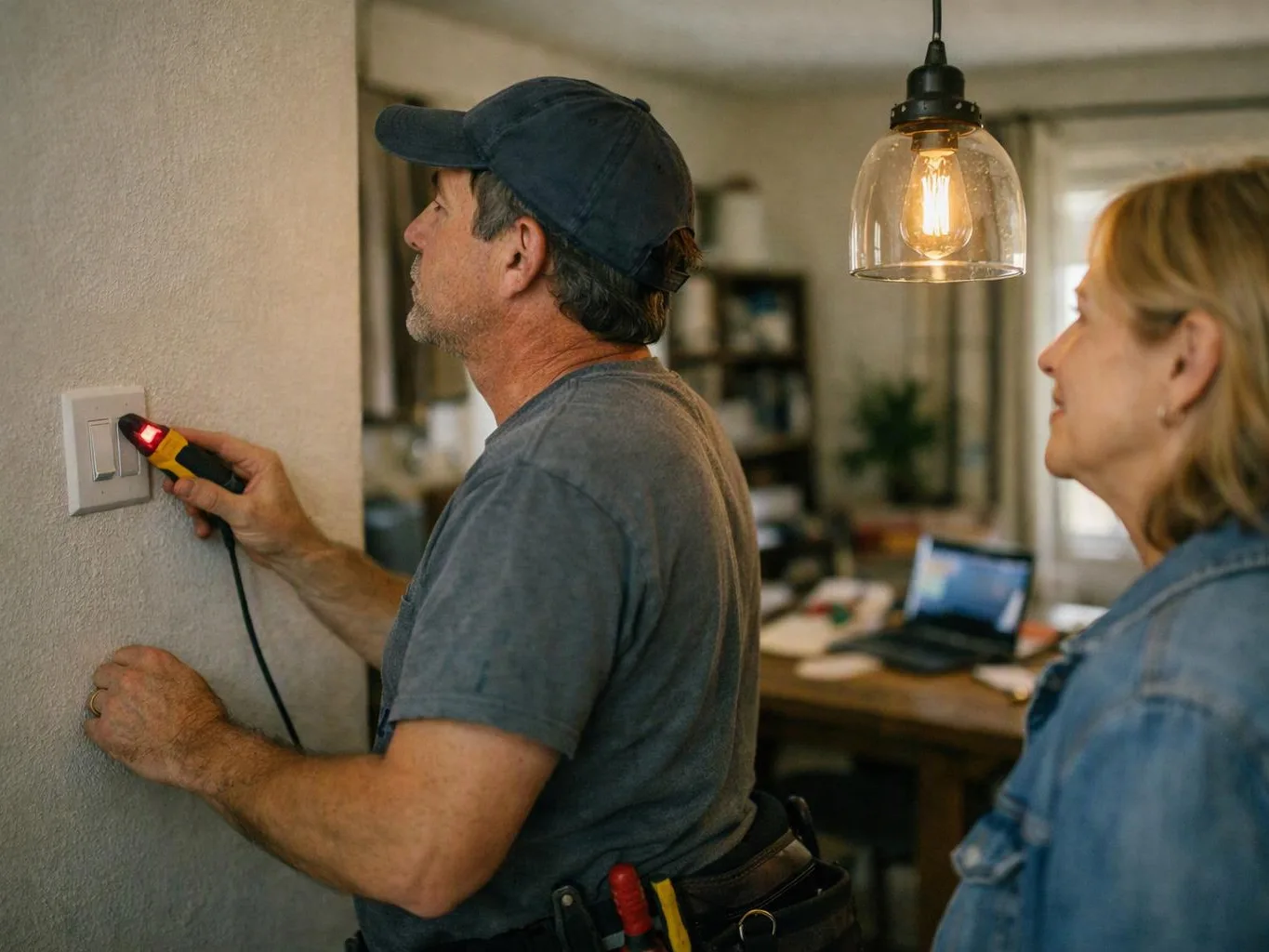
A man tests a wall switch with a lit voltage tester while a woman watches in a home interior

Service Overview

EV charger load-management installation is an electrical service that controls charger demand against the property’s available power.

  • Load management differs from a basic charger install because it checks panel load, sensors, controls, and charger communication.
  • Center Electric Service provides this work for homes and businesses in La Verne.

A client scenario this service addresses

A typical property may show a charger that starts, stops, or refuses to charge after other equipment turns on. We check the load sensor, control settings, communication path, breaker, and voltage. The repair may focus on the control system, while a separate panel fault may need its own scope and any required approval.

What You Get From Charger Load Control Work

A fault-based repair plan

We trace the fault from the charger to the panel. The check covers settings, sensors, communication, breakers, and voltage. This service is the wrong job when the property needs unrelated wiring work or a full panel replacement.

Panel and charger checks

The electrical panel and charger circuit both affect load control. We check their parts together so the repair plan fits the whole system.

Straight answers before work

Our licensed, insured electricians explain what they found and provide an upfront estimate. We offer financing or payment plans when cost planning matters.

Process

How We Check EV Charger Load Control

1

Inspect the charger circuit

We check the charger, breaker, wiring, and panel connections for visible faults and loose points.

2

Test the load sensor

We check sensor placement and readings against the electrical load at the panel.

3

Review control settings

We review settings that control charger demand and compare them with the property’s electrical setup.

4

Trace communication loss

We test the link between the sensor, control device, and charger when load data does not pass through.

5

Check breaker and voltage faults

We check for a tripped breaker and voltage fluctuation before we set the repair scope.

6

Explain the estimate

We explain the fault, the needed work, and the upfront estimate before moving ahead.

What EV Charger Load Controls Include

Center Electric Service provides comprehensive EV charger load-management installation in La Verne. Here's what you get:

  • We inspect the EV charger circuit and the electrical panel.
  • We check load sensors that track power use at the panel.
  • We review the control settings that limit charger demand.
  • We test communication between the charger and load-control device.
  • We check breakers, wiring, and voltage at the affected circuit.
  • We provide a clear estimate for the work that the property needs.

What Better Charger Load Control Changes

The charger can respond to other electrical loads in the property.

A fault check helps separate a control issue from a panel issue.

The owner gets a clear choice between repair, replacement, or added electrical work.

Load checks help keep the charger circuit within the planned electrical limits.

Homes and businesses can plan charger use around their existing electrical equipment.

Charger Fault Types We Check

These fault types point to different checks during load-control service.

Fault typeWhat it can affectWhat we check
Incorrect settingsCharger limits and start behaviorControl settings and system response
Sensor failurePower readings and load limitsSensor position, wiring, and readings
Communication lossData between controls and chargerControl device and communication path
Breaker tripPower to the charger circuitBreaker, wiring, and connected load
Voltage fluctuationCharger operation and fault statusVoltage at the circuit and panel

The Center Electric Service Standard

  • Residential And Commercial
  • Any Hour Service
  • Issue Diagnosis
  • Electrical System Work

Questions About EV Charger Load Control

What faults can interrupt load-managed EV charging?

Incorrect settings can interrupt managed EV charging when the control system limits the charger at the wrong point. Center Electric Service checks the settings first, then tests the load sensor, communication link, breaker, and voltage. A tripped breaker needs a safety check before reset. A voltage fluctuation may point to a wider electrical issue that needs its own repair scope.

How can I tell if load management fits my property?

Property load and charger demand show whether load management fits the electrical setup. We review the panel, charger circuit, main loads, and available sensor points. Homes and businesses with changing power use may need better control of charger demand. A panel with a separate safety fault may need electrical repair before load control work.

Which part of the property decides the work scope?

The electrical panel decides much of the load-control work scope. We check the main breaker, branch breaker, feeder wiring, sensor access, and charger circuit. Panel location also affects how we reach the parts. The charger and control device still need testing because a panel check alone cannot prove communication.

When should I request a load-control check?

A load-control check is needed when charging stops, fault codes return, or the breaker trips during charging. We test the system before repeated resets create more risk. Bring the charger message, breaker details, and recent electrical work notes. That information helps us focus the first inspection.

Why does a sensor failure stop charging?

A sensor failure can stop charging because the control system loses a reliable power reading. We check sensor placement, wiring, readings, and the control device. The charger may then receive a limit signal or no usable load signal. We explain whether the sensor needs repair, replacement, or a related wiring fix.

Which material changes the installation work?

Copper or aluminum wiring can change the work because each needs the correct connection method and inspection. We identify the conductor material at the panel and charger circuit. We also check insulation, terminals, and breaker fit. The estimate reflects the parts and access needed for that wiring.
Contact

Get a Free Estimate for EV Charger Load Control in La Verne

Request an estimate for your charger load-control issue, and urgent requests get priority scheduling.

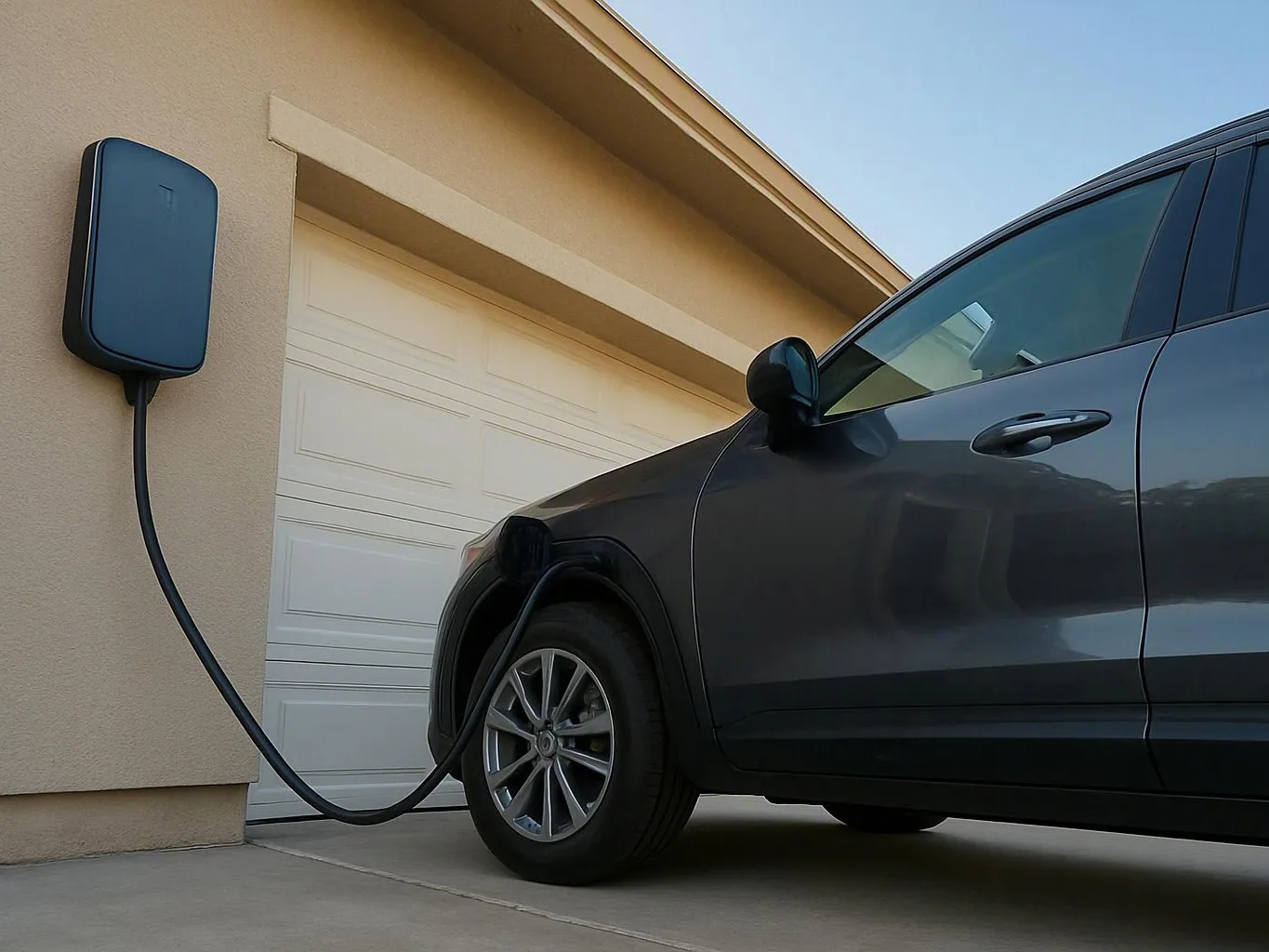
A black electric SUV charges from a wall-mounted home charger beside a garage door

ZIP Codes We Serve in La Verne, CA

91750

EV charger load-management installation in Other Areas

(951) 577-3540