Repair vs Full Replacement for 24 Hour Electrician: Cost, Lifespan & Best Fit Riverside, CA
Electrical repair and full replacement depend on the fault, condition, safety risk, expected lifespan, and future electrical demand; Center Electric Service checks the system and explains which option best fits the property.
Get a Free EstimateOptions at a Glance
Repair suits a contained issue when the surrounding system remains safe and useful. Full replacement suits broader damage, repeated failure, or a component that cannot support the property's electrical needs.
- Repair: Best for an isolated fault in a sound electrical component.
- Full replacement: Best for damaged, outdated, or repeatedly failing equipment.
Should You Repair the Electrical Problem or Replace the Component?
Electrical troubleshooting helps decide whether repair or replacement is safer and more reliable. Repair is usually the better fit when the fault is isolated and the remaining component is safe, while replacement is better when damage, age, repeated failure, or capacity limitations make another repair unreliable.
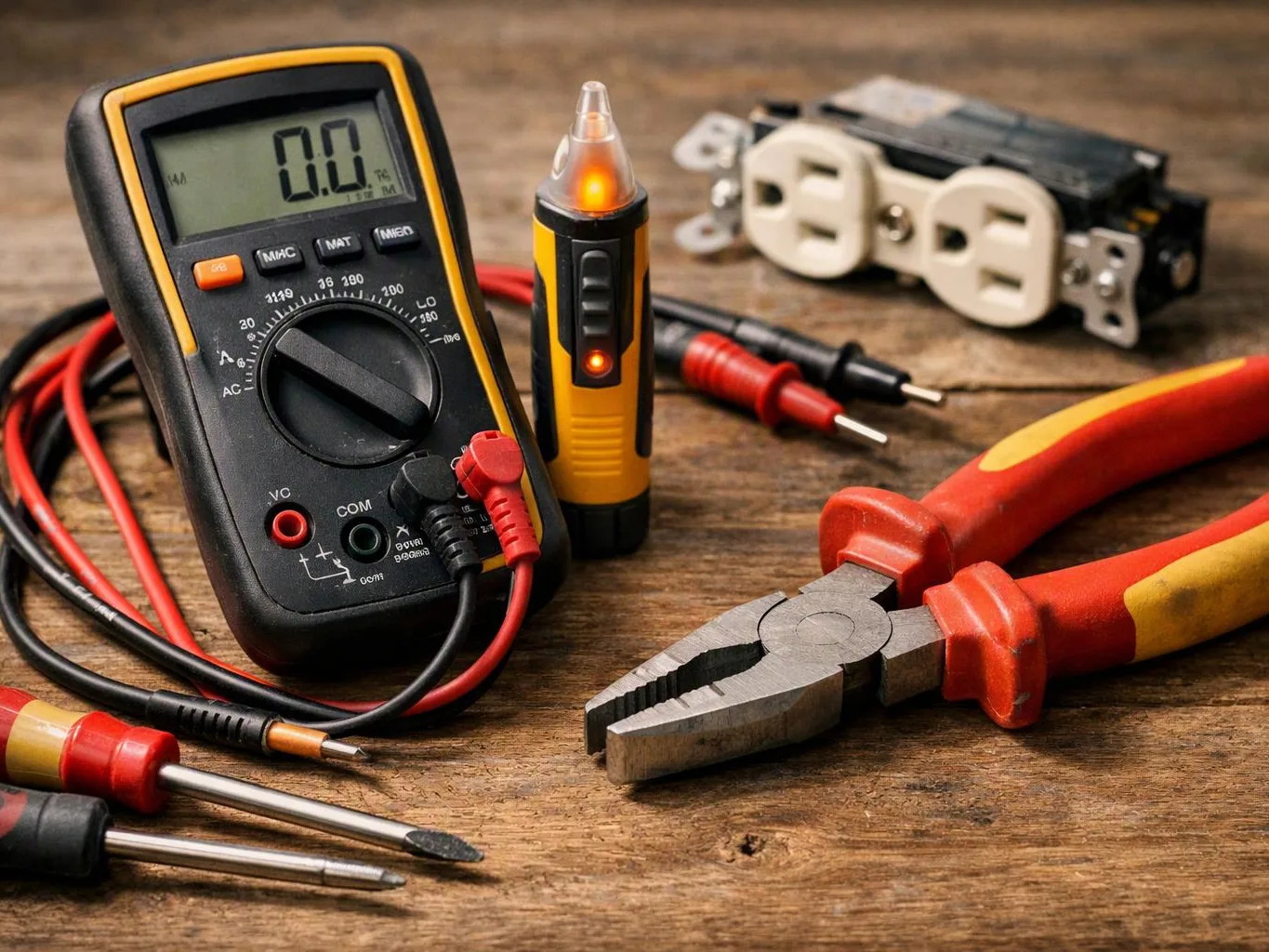
We begin with fault diagnosis instead of treating only the visible symptom. Our team checks the circuit, connected equipment, enclosure, and wiring condition before we recommend an electrical fix.
For more detail on our testing approach, see Electrical Troubleshooting.
Repair vs Full Replacement: Quick Comparison
Repair generally involves a lower project scope, while full replacement involves more materials and labor but can address broader deterioration or capacity concerns. The exact quote depends on what we find during inspection.
| Factor | Option A: Repair | Option B: Full replacement | Best-fit signal |
|---|---|---|---|
| Cost drivers | Usually a smaller repair scope, with labor, access, and parts affecting the quote. | Usually a broader scope, with more materials, labor, access, and related work affecting the quote. | The visible fault and hidden damage guide the choice. |
| Timeline | The work centers on the failed connection or component. | The work may include removal, installation, wiring changes, and system checks. | Access and project scope affect the work time. |
| Maintenance | The existing component and its remaining service life still need monitoring. | The replacement component still needs surrounding wiring and connected equipment checks. | Recurring faults call for a wider review. |
| Best fit | Localized damage with safe surrounding equipment. | Extensive damage, recurring failure, or limited electrical capacity. | Safety and future electrical demand decide the option. |
When Electrical Repair Is the Better Fit
Electrical repair is the better fit when Center Electric Service identifies a contained fault and the surrounding wiring, enclosure, and connected equipment remain suitable for continued use.
A circuit breaker repair, outlet repair, light switch repair, or wiring connection repair may resolve a localized electrical fault. We test the circuit and inspect nearby parts so the repair addresses the cause, not only the symptom.
Advantages of Repair
Best Fit for Repair
Repair fits an isolated fault when the electrical component remains functional and the wiring condition is sound. We look more closely when the same electrical issue returns, because recurring failure can signal damage beyond the original part.
When Full Electrical Replacement Is the Better Fit
Full replacement is the better fit when the component or connected wiring has broader damage, repeated failures, unsafe conditions, or limitations that a localized repair cannot resolve.
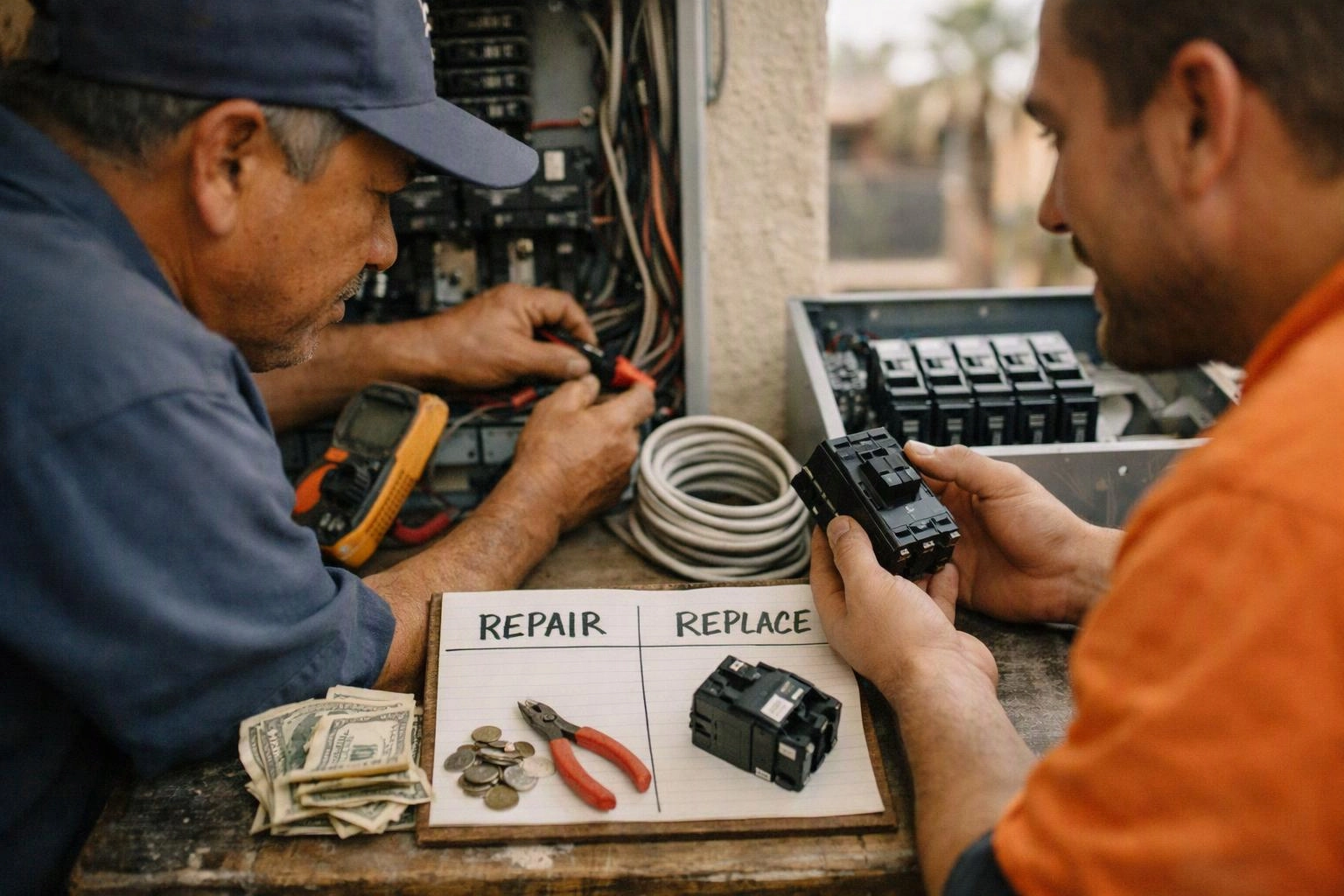
Damaged insulation, overheating, sparking, burning smell, repeated trips, or power interruption can point to a wider safety risk. We inspect the electrical panel, wiring, terminals, enclosure, and connected load before recommending replacement.
We also review code and inspection criteria that apply to the planned work. That review helps us define whether the job needs an electrical panel upgrade, electrical rewiring, or a replacement component that works with the existing system.
Advantages of Full Replacement
Best Fit for Full Replacement
Full replacement fits extensive damage, a recurring fault, limited panel capacity, or electrical rewiring needs. We explain the affected parts and the reason for the broader scope before work begins.
What Changes the Cost of Repair or Replacement?
Repair and replacement cost depends on the failed component, damage beyond the visible symptom, access to the wiring, replacement requirements, and whether related electrical work is needed.
Labor scope changes when wiring is hard to reach or when an electrical panel must be opened and modified. Replacement parts also need to match the existing system and its electrical load.
Our quote explains the repair scope, parts, access needs, related work, and permit and inspection requirements that apply to the job. Free Estimates Available lets you request an exact project quote from us.
How Lifespan and Maintenance Differ Between the Two Options
Lifespan depends on the component, its remaining system condition, its electrical load, and the cause of failure. Repair preserves the existing component and its remaining service life, while replacement removes the failed component but still requires the surrounding system to be checked and maintained.
Preventive maintenance includes watching for recurring electrical faults, heat, unusual sounds, burning smell, sparking, or power interruption. We use those signs and our inspection findings to explain the likely maintenance needs after the work.
What Our Electrical Troubleshooting Process Checks
Our electrical troubleshooting process connects fault symptoms with circuit condition before we choose repair or replacement. We explain each finding and the reason for our recommendation.
Riverside, CA Factors That Can Affect the Recommendation
Riverside, CA has seasonal cooling demand that can make available panel capacity relevant when we assess an upgrade. Heavy seasonal loading can also contribute to breaker stress and recurring trips when we evaluate repair versus replacement.
We review the electrical load connected to the panel, including cooling equipment and planned additions. That review helps us decide whether a circuit breaker repair addresses the issue or whether the system needs broader capacity work.
Which Option Fits Your Electrical Problem?
Repair fits a safe, isolated fault, while full replacement fits broader damage, repeated failure, or a component that no longer supports the property's electrical needs.
Our team uses electrical troubleshooting, safety checks, wiring inspection, and load review to set the repair decision. We then explain the replacement decision when the existing component cannot provide dependable service.
Request a quote from Center Electric Service to review the electrical problem and discuss the safest practical scope for your property.
Questions About Electrical Repair and Replacement
What signs show that an electrical repair may not be enough?
Repeated trips, burning smell, sparking, overheating, damaged insulation, or power interruption can show that an electrical repair may not be enough. Center Electric Service checks the related wiring, panel, enclosure, and electrical load before recommending replacement.
What should be included in a repair or replacement quote for an electrical problem?
An electrical quote should explain the failed component, labor scope, replacement parts, wiring access, compatibility, related work, and permit and inspection requirements. We also explain what our inspection found and why the proposed scope fits the electrical problem.
Can a recurring breaker trip point to a larger electrical issue?
Yes, a recurring breaker trip can point to a larger electrical issue involving wiring, connected equipment, breaker condition, or electrical load. We test the circuit and inspect the panel before choosing circuit breaker repair or a wider replacement.
When does an electrical panel problem call for repair instead of replacement?
An electrical panel problem calls for repair when the fault is localized and the panel, wiring, and capacity remain safe and suitable. We recommend full replacement or an electrical panel upgrade when damage, recurring failure, or electrical load limits extend beyond one repair.
Related Resources
Electrical Troubleshooting Providers Worth Comparing in Riverside (2026)
When You Need ItSigns You Need Electrical Panel Repair
When You Need ItWhen to Replace a Circuit Breaker: Warning Signs of Failure
How It WorksElectrical Troubleshooting Process: How Electricians Find and Fix Electrical Problems