Flickering Lights: Electrical Causes, Safety Risks, and Repairs
Flickering lights usually result from a failing bulb, loose connection, overloaded circuit, incompatible dimmer, or electrical panel problem. Center Electric Service checks the fixture, wiring, circuit, and panel to identify the cause and complete the appropriate repair safely. Free Estimates Available.
What Flickering Lights Can Tell You
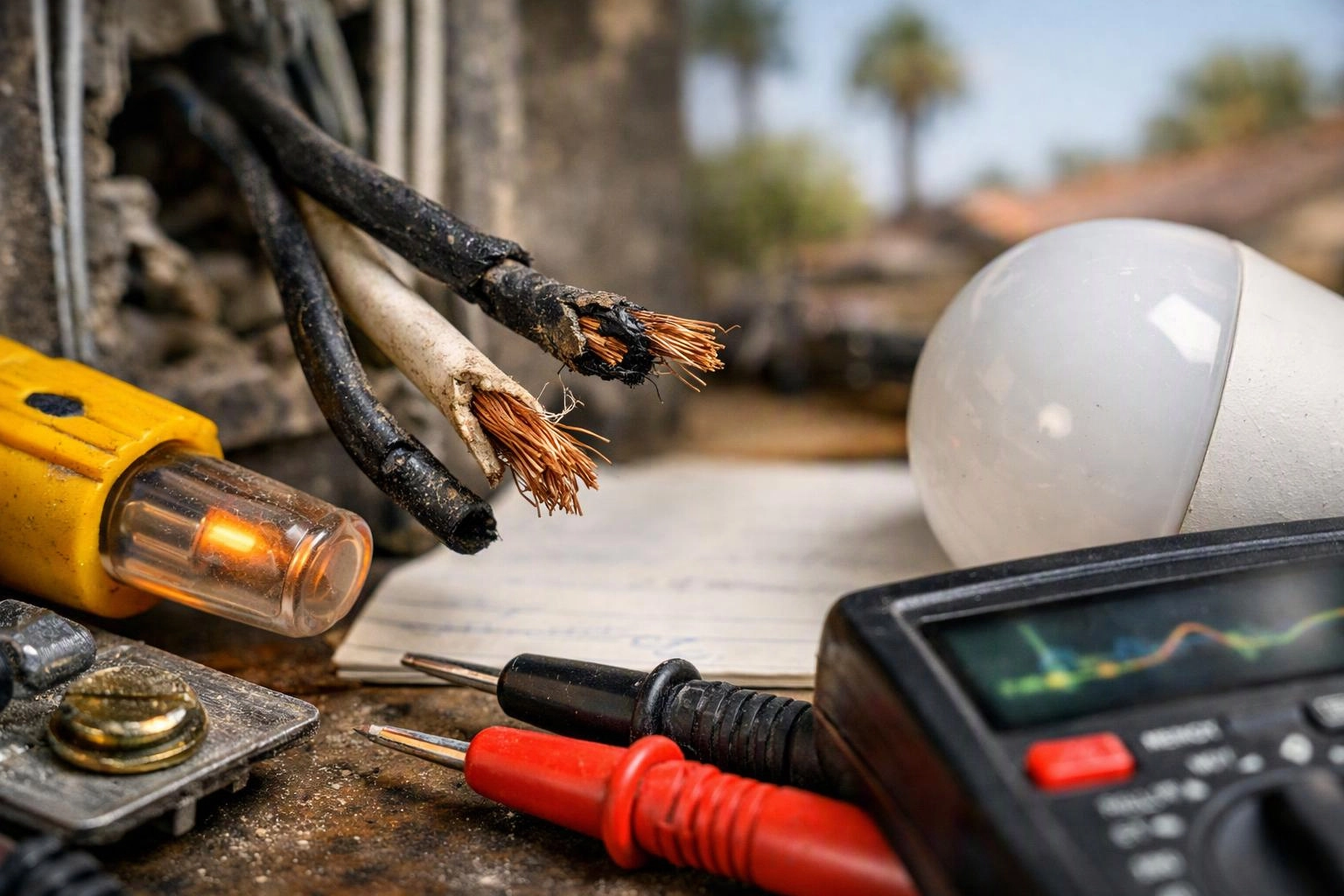
Flickering lights can indicate a problem with the bulb, fixture, wiring, circuit load, or electrical panel.
A single light often points to a local issue in the light fixture or switch. Flickering across several rooms can involve an electrical circuit, an overloaded circuit, or the electrical panel. We trace the symptom to its source before choosing a repair.
What Are the Signs of an Electrical Flickering Problem?
Electrical flickering problems can show up through changes in light output, sound, heat, or breaker activity. Watch for these signs and note when they occur.
These signs can point to a poor electrical connection, voltage fluctuation, overheating, or circuit overload. We inspect the affected components when the cause is not clear or when a warning sign appears.
Why Are My Lights Flickering?
Lights flicker when an unstable bulb, fixture, connection, circuit load, control, or panel component interrupts consistent electrical power.
A loose light bulb can lose steady contact in the socket. An incompatible LED bulb can flicker when paired with a dimmer switch that does not support its design. We check the bulb, socket, fixture, and control together.
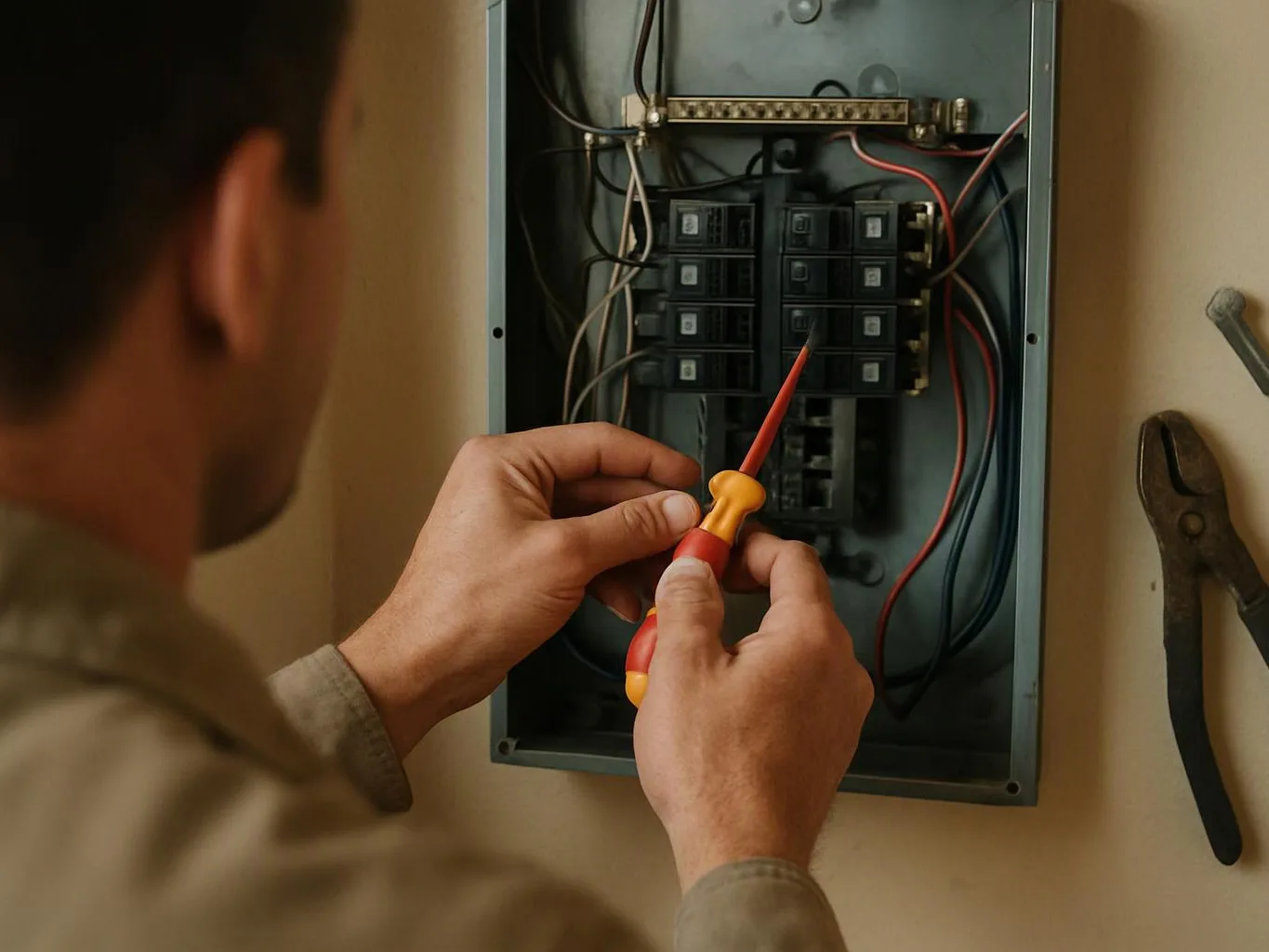
A loose wiring connection can create intermittent power at the fixture or switch. An overloaded circuit can cause lights to dim or flicker when equipment starts. We test the circuit and inspect the electrical panel for signs of a failing component or unsafe connection.
When Is the Flickering Limited to One Light?
A single flickering light usually has a problem with the light bulb, lamp socket, light fixture, wall switch, or local wiring connection.
You can turn off the switch and install a compatible replacement bulb if the bulb is clearly the cause. We inspect the light fixture and local wiring when the flicker continues or returns.
When Does Flickering Affect Several Lights?
Flickering across several lights can indicate a branch circuit problem, overloaded circuit, loose service connection, electrical panel fault, or utility supply issue.
We compare the affected lights, check circuit loading, and inspect the electrical panel. Whole-home flicker deserves prompt attention because the source may reach beyond one fixture.
Common Causes of Flickering Lights
Common causes range from a simple bulb problem to a fault in the circuit or panel. The pattern of the flicker helps guide the inspection.
We identify whether the fault is local or circuit-wide before repairing the affected part. That approach helps prevent a recurring lighting problem.
Are Flickering Lights a Safety Risk?
Flickering lights can be a safety risk when the cause involves overheating, arcing, damaged wiring, or an overloaded circuit.
Electrical arcing can create heat at a loose or damaged connection. Overheating can damage insulation and increase the fire hazard, while exposed or faulty wiring can create a shock hazard.
Turn off the affected light or circuit if you notice a burning smell, smoke, buzzing, heat, or repeated breaker trips. We perform an electrical inspection to locate the unsafe condition and complete the needed repair.
What Should You Do When Lights Flicker?
Safe first steps can help you separate a bulb issue from a larger electrical fault.
Do not remove a panel cover or handle exposed wiring. We complete the testing and repair when the problem reaches the electrical wiring, circuit breaker, or electrical panel.
How We Diagnose and Repair Flickering Lights
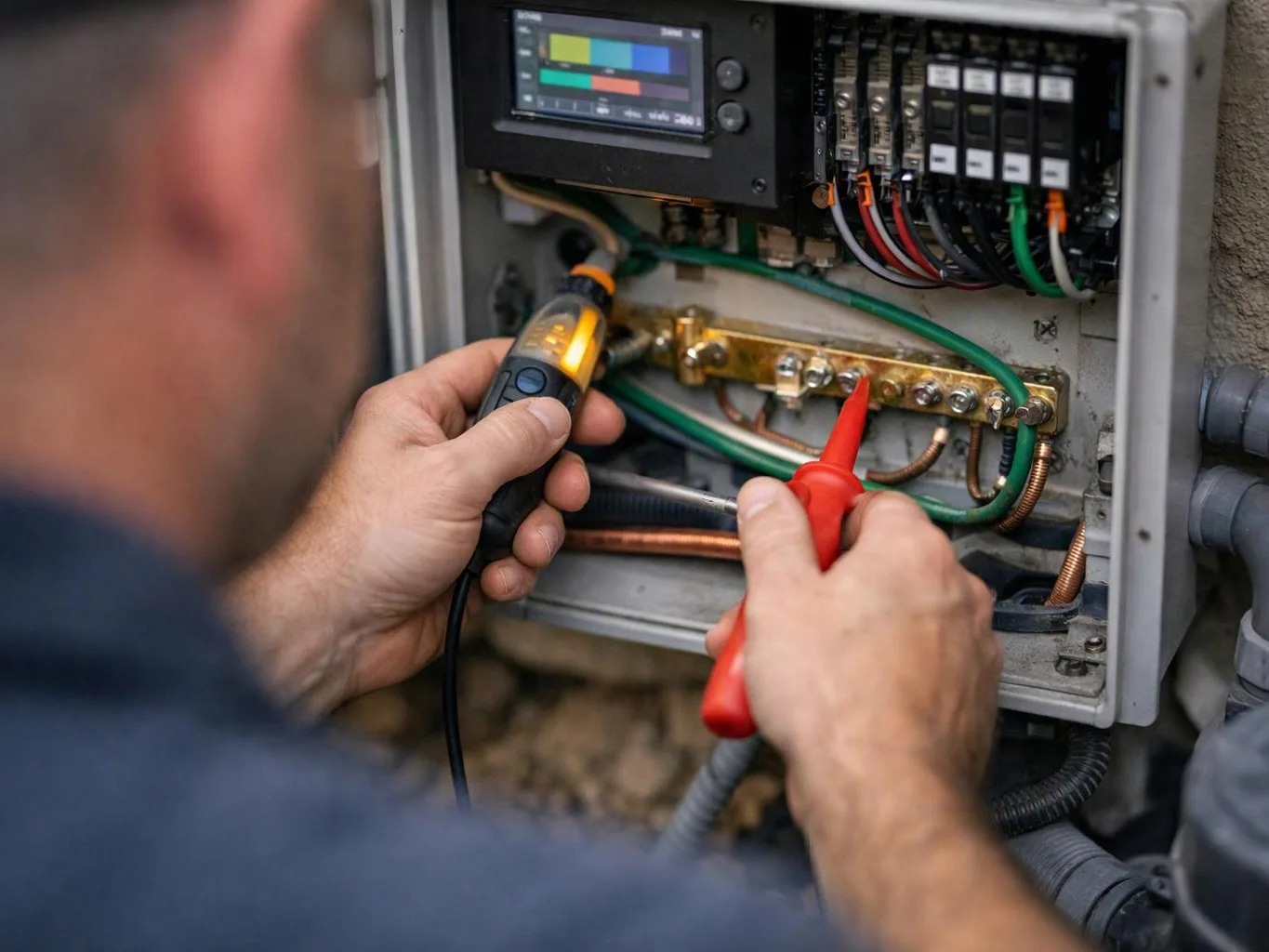
Center Electric Service traces the flicker from the light fixture through the wiring, circuit, and electrical panel before recommending the needed repair.
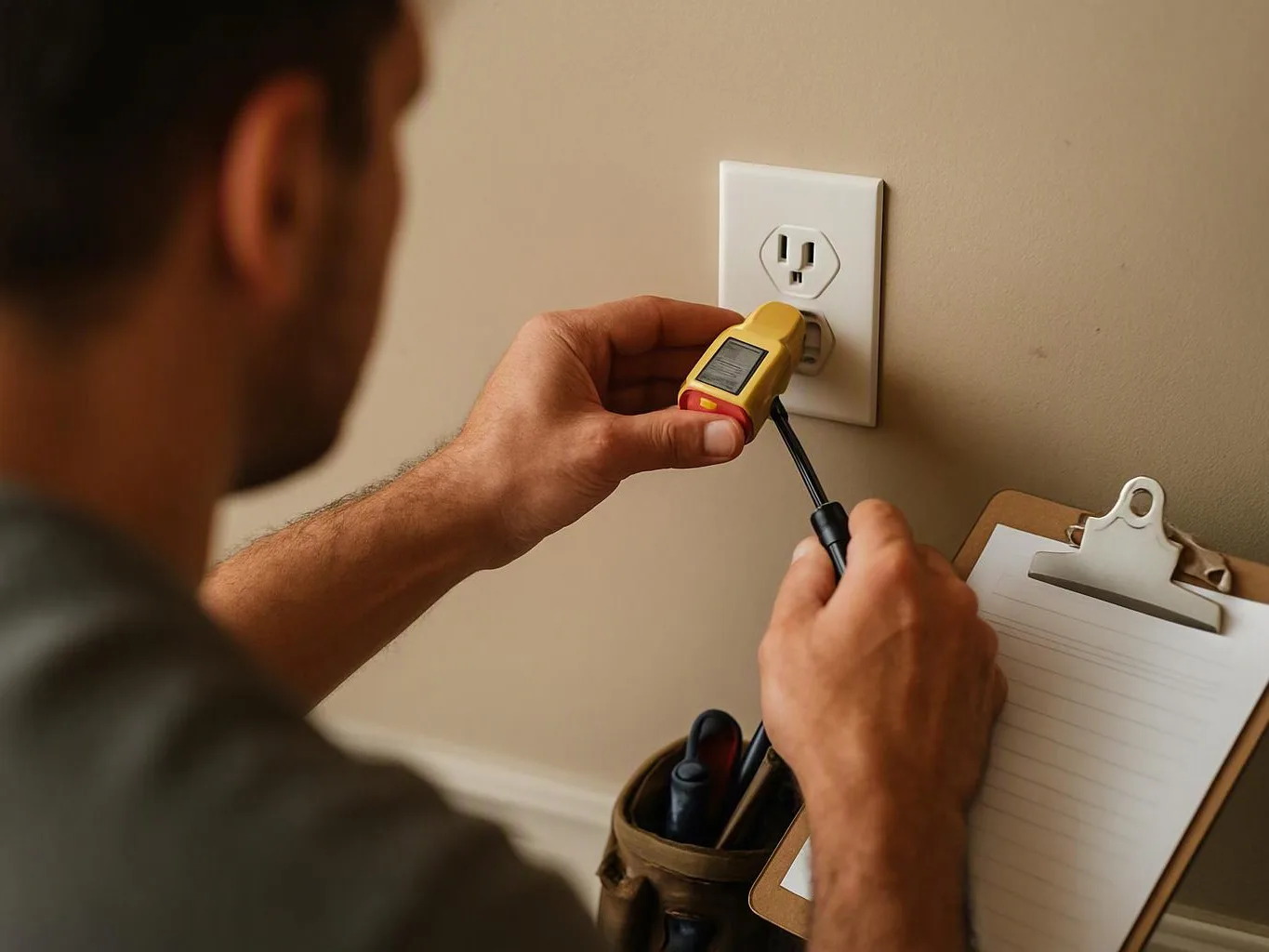
Our team starts with the symptom pattern and checks the light bulb, fixture, switch, and connections. We then evaluate circuit load and inspect the panel when the flicker affects multiple lights or relates to breaker activity.
Our work may include Electrical Troubleshooting, Electrical Safety Inspection, or Electrical Panel Repair. We explain the finding and the repair needed for the specific fault.
How Can You Prevent Lights From Flickering?
Prevention starts with matching lighting components and keeping electrical connections and circuit loads in good condition.
We can review recurring symptoms and identify conditions that may lead to a larger lighting problem.
What Changes the Cost of Flickering-Light Repair?
The repair cost depends on whether the fault is in the bulb, fixture, wiring, circuit, or electrical panel and on the work needed to reach and correct it.
A bulb or accessible light fixture usually involves a different scope from wiring repair, circuit troubleshooting, or electrical panel repair. Access to electrical components also affects the work required.
Our estimate explains the source of the fault, the recommended repair, and the work included. Free Estimates Available when you contact us for an exact quote.
Questions About Flickering Lights
Can a loose light bulb cause flickering?
Yes, a loose light bulb can cause flickering by losing steady contact in the socket. Center Electric Service checks the bulb, socket, and fixture when replacing the bulb does not solve the problem.
Why do LED lights flicker with a dimmer switch?
LED lights can flicker with a dimmer switch when the bulb and control are not compatible. We check the bulb, dimmer, fixture, and wiring to identify the needed correction.
Why do my lights flicker when an appliance turns on?
Lights can flicker when an appliance starts because the circuit load changes or a connection has a fault. We test the circuit, review the load, and inspect the electrical panel when several lights respond.
Should I turn off the breaker when lights are flickering?
Yes, turn off the affected breaker when flickering occurs with heat, buzzing, a burning smell, smoke, or visible damage. We inspect the circuit before it is used again.
Can flickering lights damage appliances?
Yes, persistent voltage fluctuation can place stress on sensitive appliances. We check the circuit and electrical panel to identify whether the lighting problem reflects a broader power issue.
Get Help With Flickering Lights
Center Electric Service diagnoses flickering lights and repairs the bulb, fixture, wiring, circuit, or electrical panel issue causing the symptom. Contact us to request an inspection and exact quote for the needed work.
Related Resources
Signs You Need Electrical Panel Repair
When You Need ItWhen to Replace a Circuit Breaker: Warning Signs of Failure
How It WorksElectrical Troubleshooting Process: How Electricians Find and Fix Electrical Problems
Compared ToElectrical Panel Repair vs. Replacement: Which Option Fits the Problem?