Circuit Breaker Keeps Tripping: Causes, Diagnosis, and Solutions
Circuit breaker trips usually indicate an overloaded circuit, short circuit, ground fault, or failing breaker; Center Electric Service identifies the cause and completes the appropriate repair or replacement.
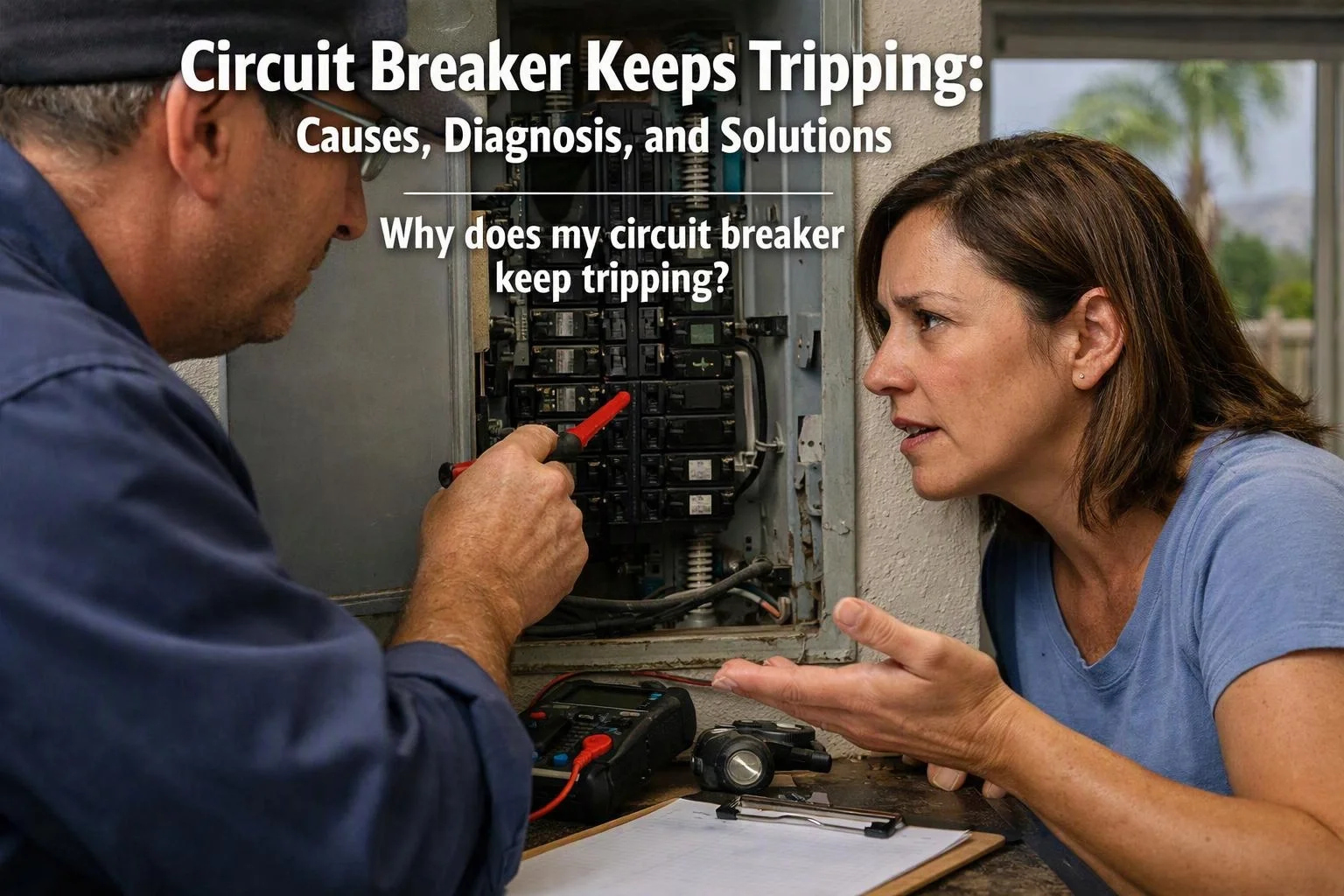
What Does a Tripping Circuit Breaker Mean?
A circuit breaker is an overcurrent protection device responding to an unsafe electrical condition on its circuit. The breaker shuts off power when an electrical circuit carries more current than it should or develops an unintended path.
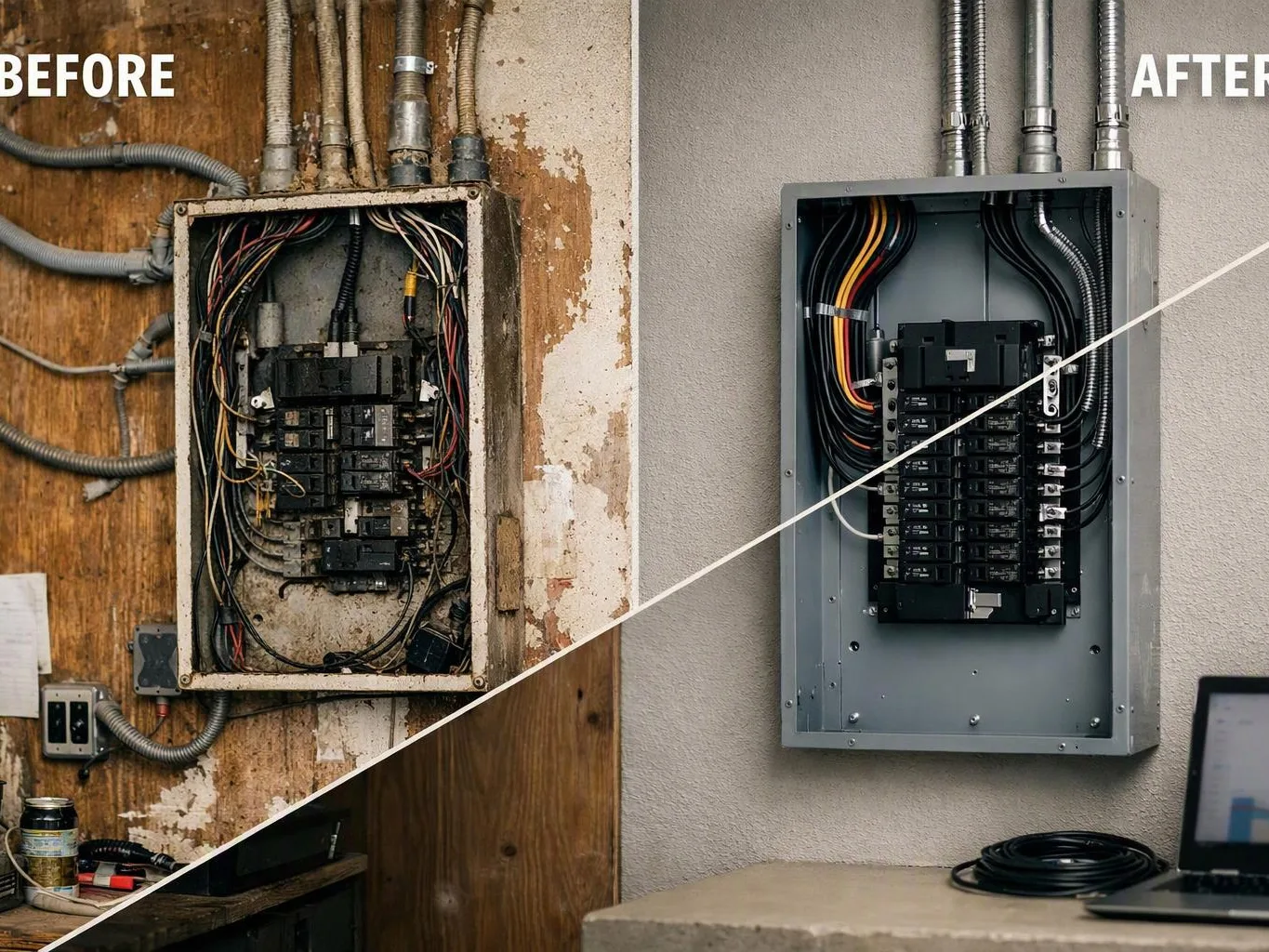
The electrical panel houses the breaker and connects it to the circuit wiring. Center Electric Service traces the affected circuit and checks whether the protection device, wiring, or connected equipment caused the interruption.
What Signs Point to a Circuit Problem?
Visible and sensory warning signs can help identify a circuit problem before further damage occurs. These signs do not identify the exact cause, so we use them as starting points for electrical troubleshooting.
Why Does My Circuit Breaker Keep Tripping?
A circuit breaker keeps tripping when the circuit detects excessive current, an unintended electrical path, or a breaker that no longer operates correctly. Our team separates safe-to-observe symptoms from faults that require circuit testing.
How Can You Safely Check the Circuit?
You can safely identify a possible connected-load problem by switching off or unplugging accessible devices and resetting the breaker once, but repeated trips require Center Electric Service to inspect the circuit. Do not remove the electrical panel cover or handle exposed wiring.
Our team can continue with circuit testing when the breaker still trips after connected appliances are removed. This helps protect you from an electrical fault that cannot be confirmed through observation alone.
How We Diagnose a Breaker That Keeps Tripping
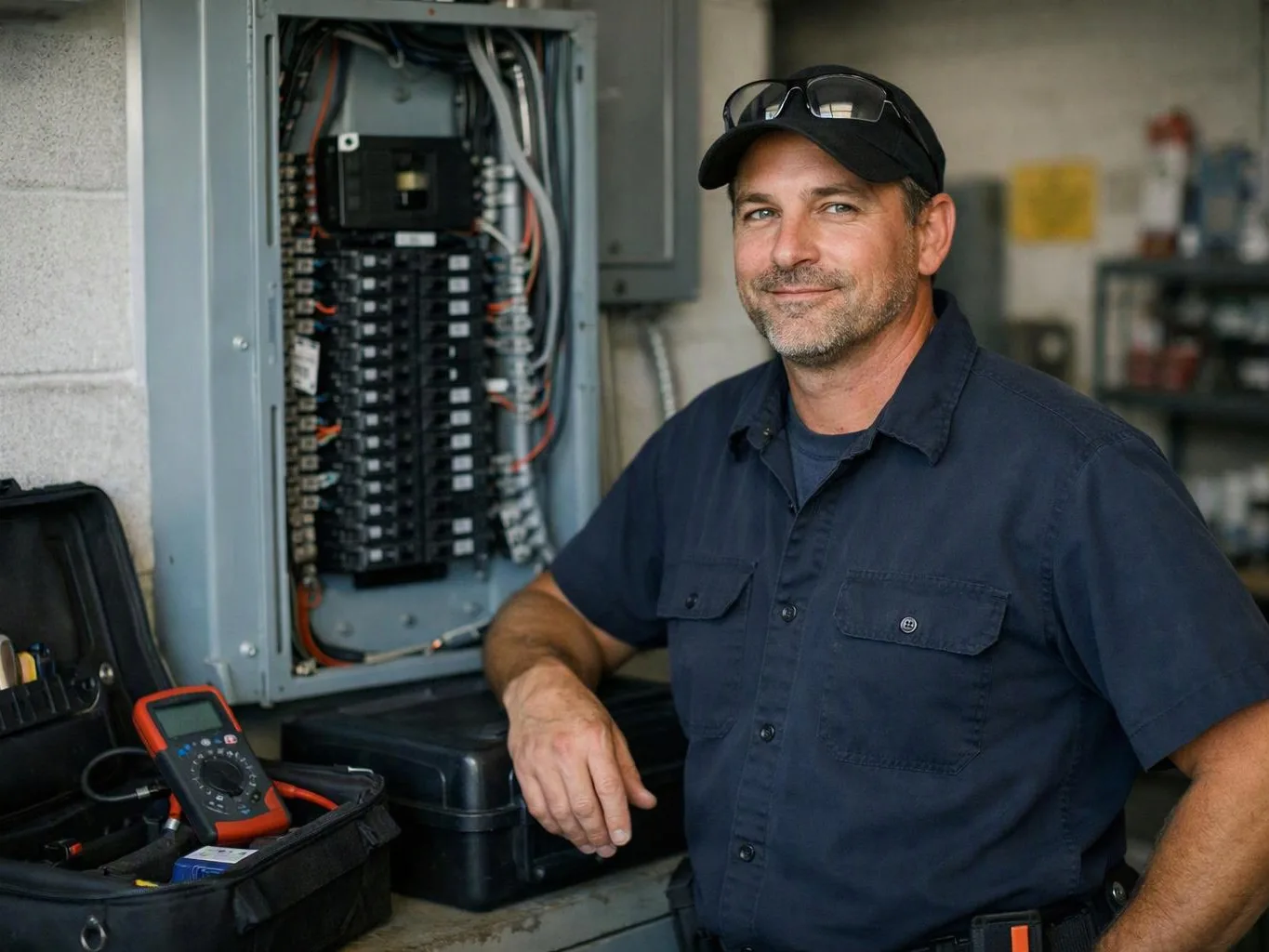
Center Electric Service diagnoses repeated trips by tracing the affected circuit, testing its load and wiring, and checking whether the breaker is protecting the circuit correctly. We use a measured process so the repair addresses the cause rather than only restoring power.
Which Repair Does the Circuit Need?
The correct repair depends on whether the fault comes from the breaker, panel, wiring, outlet, or connected appliance. We match the repair to the tested condition and explain what the work addresses.
| Finding | Possible repair | What we address |
|---|---|---|
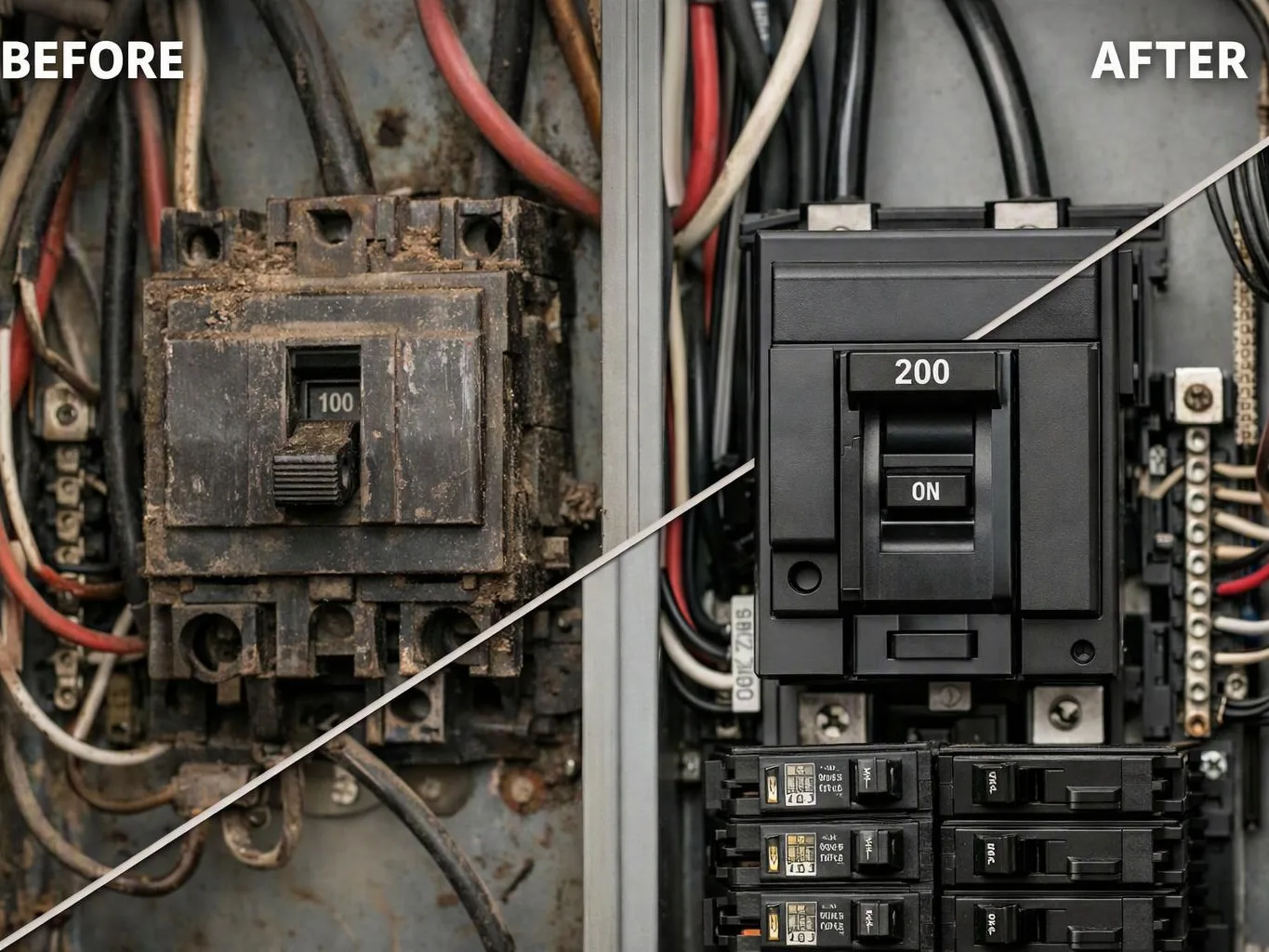
| Breaker does not operate correctly | Circuit breaker replacement | The protective device and its connection to the circuit |
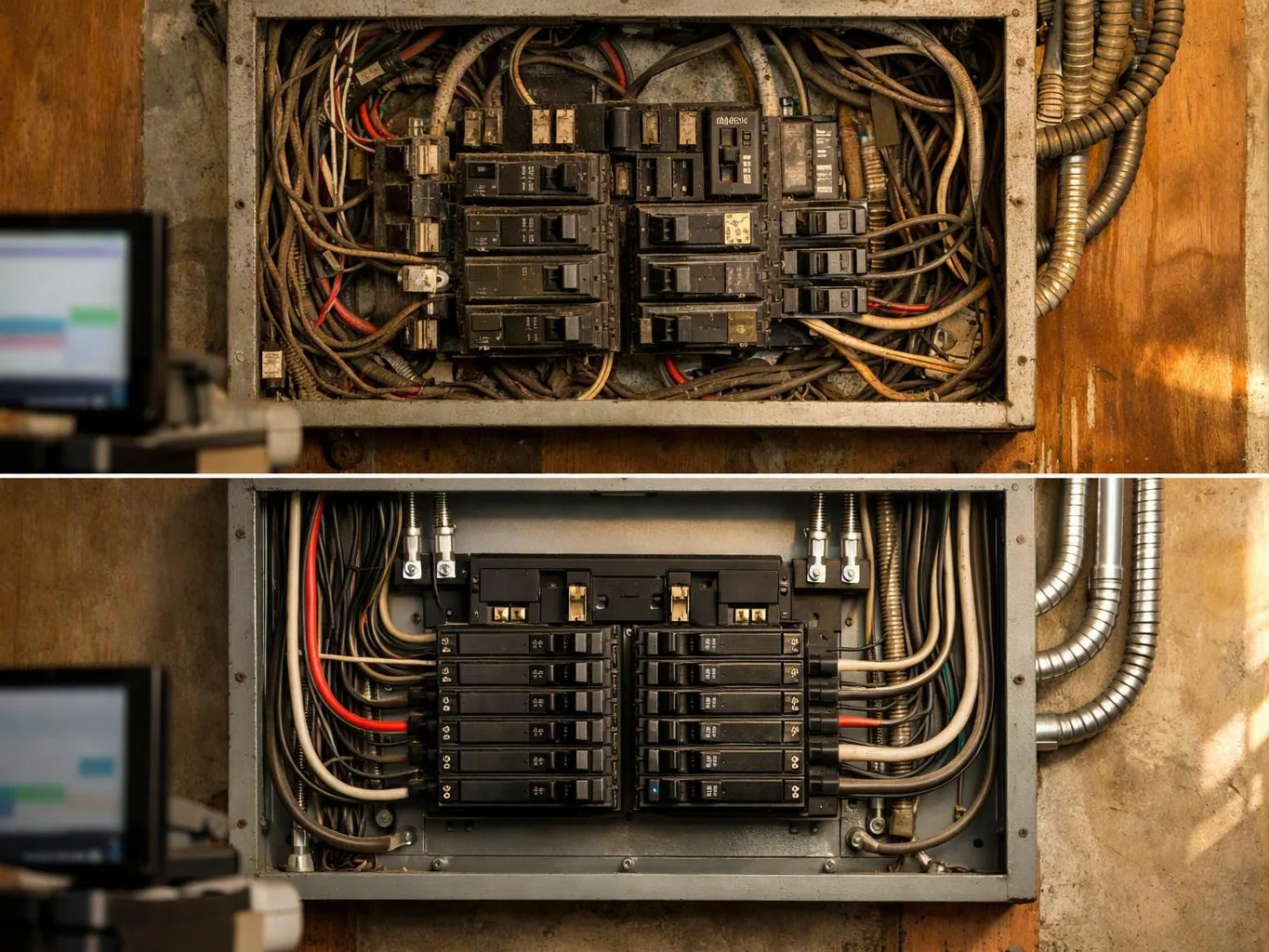
| Heat damage or a loose connection in the panel | Electrical panel repair | Affected terminals, bus connections, and panel components |
| Fault in the branch wiring | Circuit repair | Damaged electrical wiring and unsafe connections |
| Burned, loose, or damaged receptacle | Outlet replacement | The electrical outlet and its wiring connections |
| One appliance causes the trip | Appliance fault evaluation | The connected load and whether the appliance should remain connected |
How Can You Prevent Repeated Breaker Trips?
Preventing repeated trips starts with keeping circuit loads within safe limits and responding to early warning signs. Our team can inspect recurring problems and identify whether the circuit needs repair, replacement, or a dedicated circuit.
Our team connects prevention advice to the actual condition we find. A dedicated circuit may help with load management, but it does not correct a short circuit, ground fault, or damaged wiring.
When Should You Stop Resetting the Breaker?
You should stop resetting a breaker when the circuit trips again or shows heat, smoke, sparks, burning odors, or visible damage; Center Electric Service should inspect the circuit. Repeated resets can leave an electrical fault active and may increase the risk of equipment damage or shock.
Turn off and unplug accessible equipment only when doing so is safe. Leave the breaker off when the breaker will not reset, the panel is buzzing, or heat damage is visible, and contact our team for an inspection.
What Does a Troubleshooting Visit Include?
Center Electric Service reviews the reported symptoms, tests the affected circuit, explains the repair options, and provides Free Estimates Available before the work proceeds. We focus on the condition that caused the breaker to trip, not only on resetting the breaker.
Our visit may include electrical troubleshooting, circuit testing, an electrical panel inspection, and a recommendation for circuit breaker replacement or electrical panel repair when testing supports that solution. The work and quote depend on the affected components, access, wiring condition, and required repair.
To discuss a breaker that keeps tripping, contact Center Electric Service through our contact page.
Questions About a Circuit Breaker That Keeps Tripping
Why does my breaker trip when I plug in an appliance?
Center Electric Service checks whether the appliance creates excessive load, has an internal fault, or connects to a circuit with damaged wiring. Unplug the appliance and stop using it if the breaker trips again, an outlet feels warm, or you notice a burning smell.
Why does the breaker trip immediately after I reset it?
A breaker that trips immediately may indicate a short circuit, ground fault, damaged wiring, defective appliance, or faulty breaker. Leave the breaker off and have our team perform circuit testing before attempting another reset.
Can a bad outlet cause a circuit breaker to trip?
Yes, a damaged or loose electrical outlet can create a fault that trips the circuit breaker. Our team inspects the receptacle, its connections, and the circuit wiring before recommending outlet replacement or another repair.
Should I replace a circuit breaker that keeps tripping?
No, not until the circuit has been tested. Center Electric Service checks for overloads, faults, wiring damage, and connected equipment before deciding whether circuit breaker replacement is appropriate.
Why does only one breaker keep shutting off?
One breaker usually protects a specific branch circuit, so a repeated trip points to a condition on that circuit or to the breaker itself. Our team traces that circuit, tests its load and wiring, and explains the repair needed.
Related Resources
Signs You Need Electrical Panel Repair
When You Need ItWhen to Replace a Circuit Breaker: Warning Signs of Failure
How It WorksElectrical Troubleshooting Process: How Electricians Find and Fix Electrical Problems
Compared ToElectrical Panel Repair vs. Replacement: Which Option Fits the Problem?