Electrical Outlet Not Working: Causes and Repair Options
An electrical outlet not working may result from a tripped breaker, a tripped GFCI, a loose connection, or a damaged receptacle. Center Electric Service checks the circuit, identifies the fault, and explains whether the correct option is a reset, wiring repair, circuit repair, or outlet replacement.
Quick Picks
An outlet problem can involve the receptacle, a protective device, or the wider electrical circuit. The best repair depends on where the power loss begins.
What Does a Nonworking Electrical Outlet Mean?
An electrical outlet is a receptacle that delivers power from an electrical circuit to a plug and appliance. A nonworking outlet is a receptacle that does not deliver power when the circuit should be energized.
Power loss can begin at the electrical panel, a GFCI device, a wiring connection, or the receptacle itself. We trace the fault before choosing a repair so the visible outlet is not replaced without addressing the cause.
Signs an Electrical Outlet Needs Attention
These signs can point to a dead outlet, an intermittent connection, or heat damage. Stop using the outlet when a warning sign suggests an electrical hazard.
Why Is One Electrical Outlet Not Working?
An electrical outlet may stop working because a breaker or GFCI has tripped, a connection has loosened, or the receptacle has failed. One dead outlet does not always mean the receptacle itself needs replacement.
What Can You Safely Check Before Requesting a Repair?
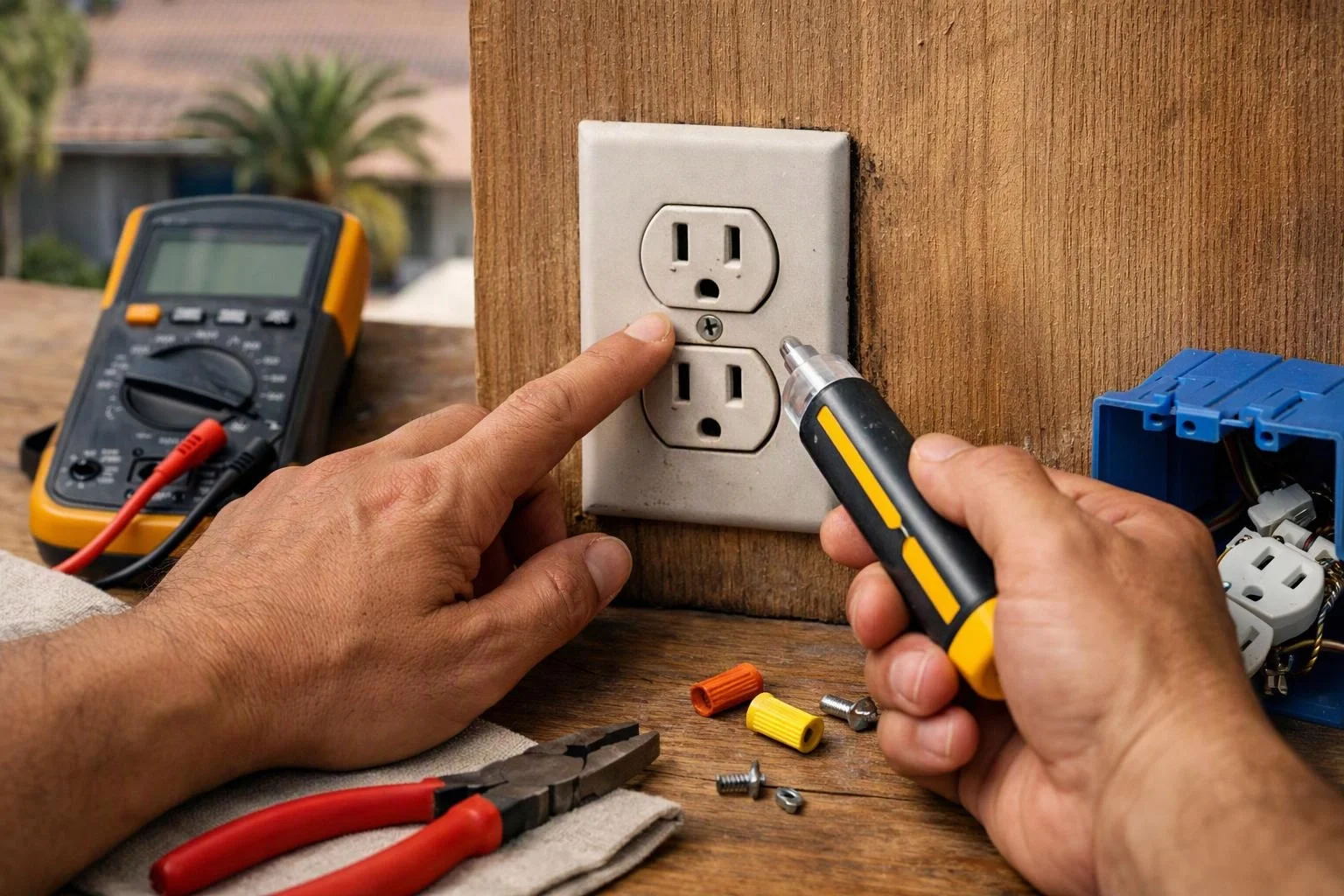
You can safely check the appliance, inspect the outlet for visible damage, and reset an accessible breaker or GFCI when there are no warning signs. Do not remove the cover plate or touch wiring as part of these checks.
When Should You Stop Using the Outlet?
Stop using an electrical outlet immediately when it sparks, smokes, smells burned, feels hot, or shows discoloration. These signs can indicate arcing, heat damage, or a fire hazard.
Electrical shock is also a reason to keep away from the outlet and connected appliance. We inspect the circuit and receptacle to identify the source before restoring use.
How We Diagnose an Electrical Outlet That Is Not Working
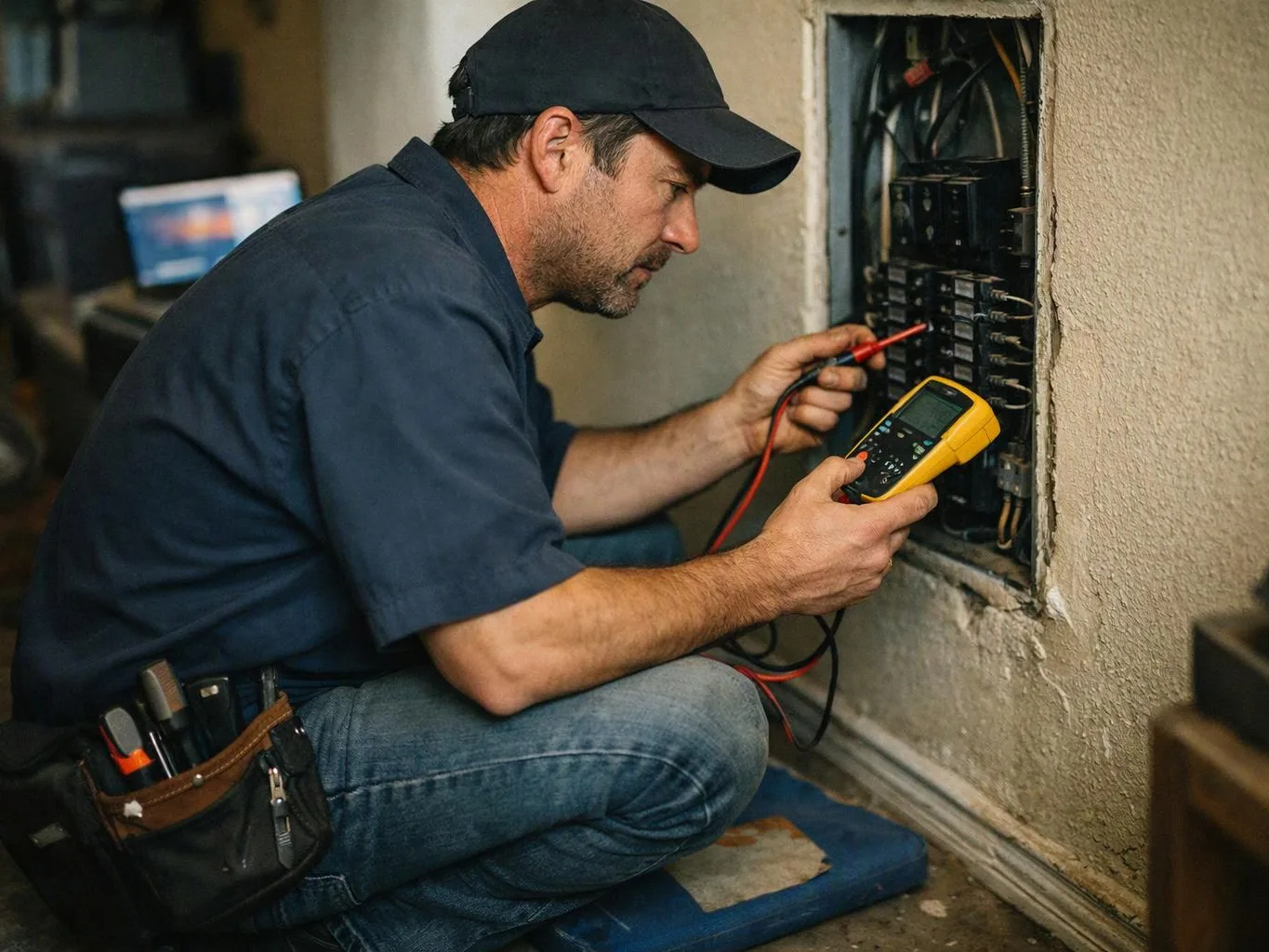
Center Electric Service diagnoses a nonworking outlet by testing the receptacle, tracing the circuit, checking protective devices, and inspecting wiring connections. Our team begins with voltage testing at the outlet and follows the circuit toward the electrical panel or an upstream connection.
We check GFCI protection, the circuit breaker, the junction box, and the receptacle terminals when the fault requires deeper testing. Our Electrical Troubleshooting service connects the test result to a specific repair scope.
What Repair Options Can Restore the Outlet?
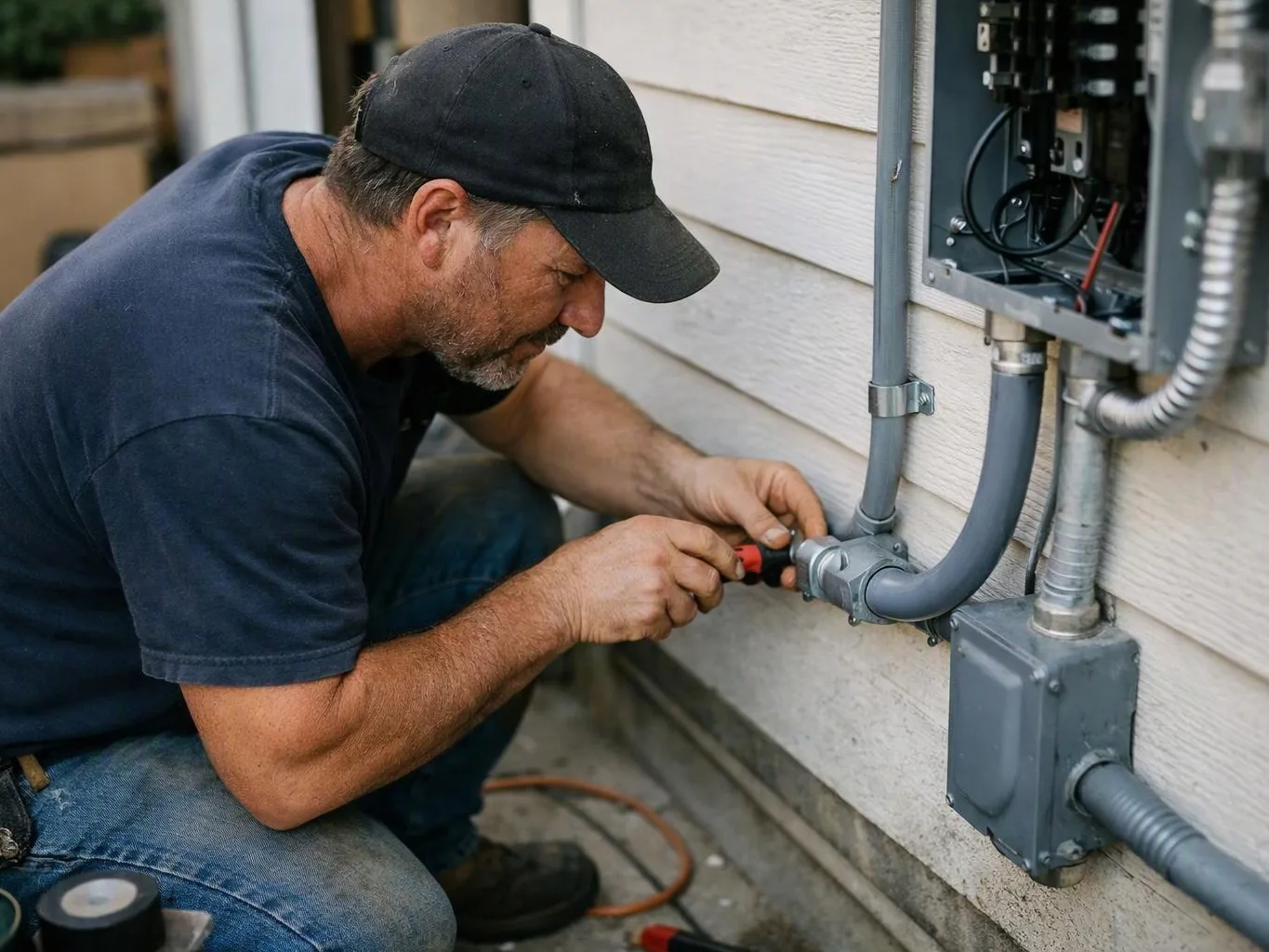
Repair options for a nonworking outlet include resetting the correct protective device, repairing a wiring connection, replacing the receptacle, or correcting a circuit fault. We select the option that addresses the cause found during circuit testing.
A breaker reset or GFCI reset may restore power when the device has tripped safely. A damaged receptacle, loose conductor, or failed upstream connection may require repair or outlet replacement.
How Center Electric Service Plans the Repair
Center Electric Service explains the identified fault, the required repair scope, and the available estimate before work proceeds. We match the plan to the affected circuit and the condition of the receptacle.
How Can You Prevent Outlet Problems?
Electrical maintenance helps reveal heat, looseness, and overloading before an outlet stops working. We can inspect related devices when repeated power loss points to a broader circuit concern.
What Changes the Repair Approach for This Outlet?
The repair approach changes according to whether the fault affects one receptacle, several outlets, a protective device, or the circuit wiring. We use the pattern of power loss and test results to choose the repair path.
| Option / System | Best For | Typical Lifespan / Turnaround | Key Trade-Offs |
|---|---|---|---|
| Single outlet | One dead or damaged receptacle | Depends on testing and part condition | May not resolve an upstream fault |
| Multiple outlets | Shared power loss across a circuit | Depends on circuit tracing | Requires broader diagnosis |
| GFCI outlet | Ground-fault protection or reset issue | Depends on device testing | A reset may not correct a wiring fault |
| Upstream connection | Downstream outlets with no power | Depends on access and circuit condition | The visible dead outlet may not be the source |
1. Reset or Protective Device Check
A breaker or GFCI reset fits an outlet that lost power without heat, smoke, sparks, or visible damage. This option is best for a safe, isolated interruption that clears after the protective device is reset.
2. Receptacle Replacement
Receptacle replacement fits a cracked, loose, heat-damaged, or failed outlet. This option is best when testing shows the receptacle is the failed electrical component.
3. Wiring or Circuit Repair
Wiring or circuit repair fits repeated power loss, several dead outlets, a loose electrical connection, or a breaker that keeps tripping. This option is best when testing identifies a fault beyond the receptacle.
Which Electrical Service Fits an Outlet Problem?
Electrical Troubleshooting fits a dead or intermittent outlet, Electrical Safety Inspection fits broader safety concerns, and Electrical Switch Installation may apply when a related switch or device needs replacement.
Our team connects the service to the observed fault instead of treating every outlet has no power problem as a simple replacement. We can also assess a switched receptacle when a related wall switch affects power.
How to Choose an Outlet Repair Approach
The right repair approach depends on the test result and the scope of the power loss. Use these checks when reviewing the planned work with us.
Questions About a Nonworking Electrical Outlet
Why is only one outlet not working?
Only one outlet may stop working because its receptacle failed or its wire connection loosened. Center Electric Service tests the outlet and nearby circuit path to identify whether the fault is local or upstream.
Can a tripped GFCI turn off other outlets?
Yes, a tripped GFCI can turn off other outlets connected downstream on the same circuit. Reset the accessible device only when there are no signs of damage, heat, smoke, or burning smell.
Why does an outlet keep losing power?
An outlet may keep losing power because of an overload, a recurring breaker trip, a failing GFCI, or a loose electrical connection. We perform circuit testing to locate the condition that interrupts power.
Is a warm electrical outlet dangerous?
Yes, a warm electrical outlet can signal resistance, overload, or heat damage. Stop using the outlet and keep away from it until we inspect the receptacle and circuit.
Should a damaged electrical outlet be repaired or replaced?
A damaged electrical outlet should be replaced when the receptacle has failed, cracked, or suffered heat damage. We also inspect the wiring connection so the replacement addresses the circuit condition.
Center Electric Service can test a dead receptacle, explain the fault, and outline the repair scope before work begins. Contact us to request an estimate for the outlet problem.
Get a Free EstimateRelated Resources
Signs You Need Electrical Panel Repair
When You Need ItWhen to Replace a Circuit Breaker: Warning Signs of Failure
How It WorksElectrical Troubleshooting Process: How Electricians Find and Fix Electrical Problems
Compared ToDIY Electrical Repair vs. Hiring an Electrician: Which Jobs Should You Compare?